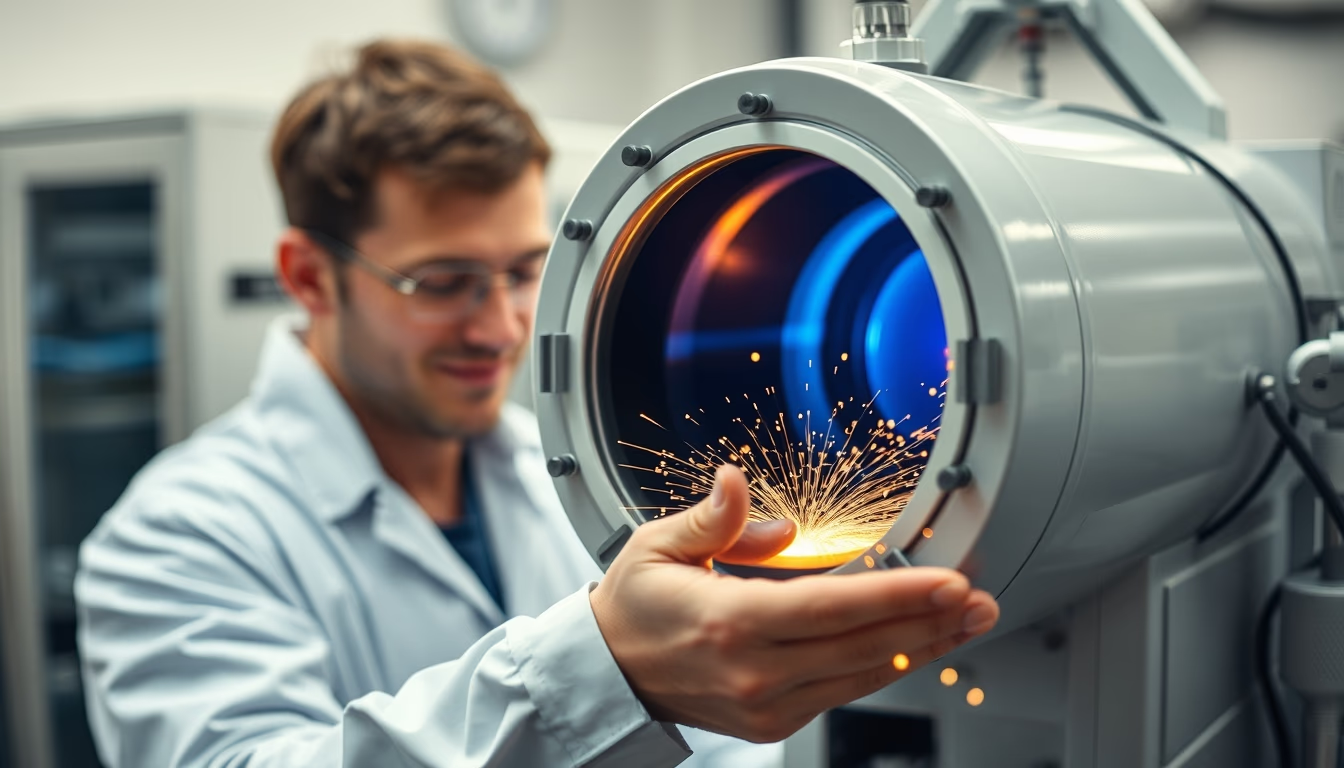
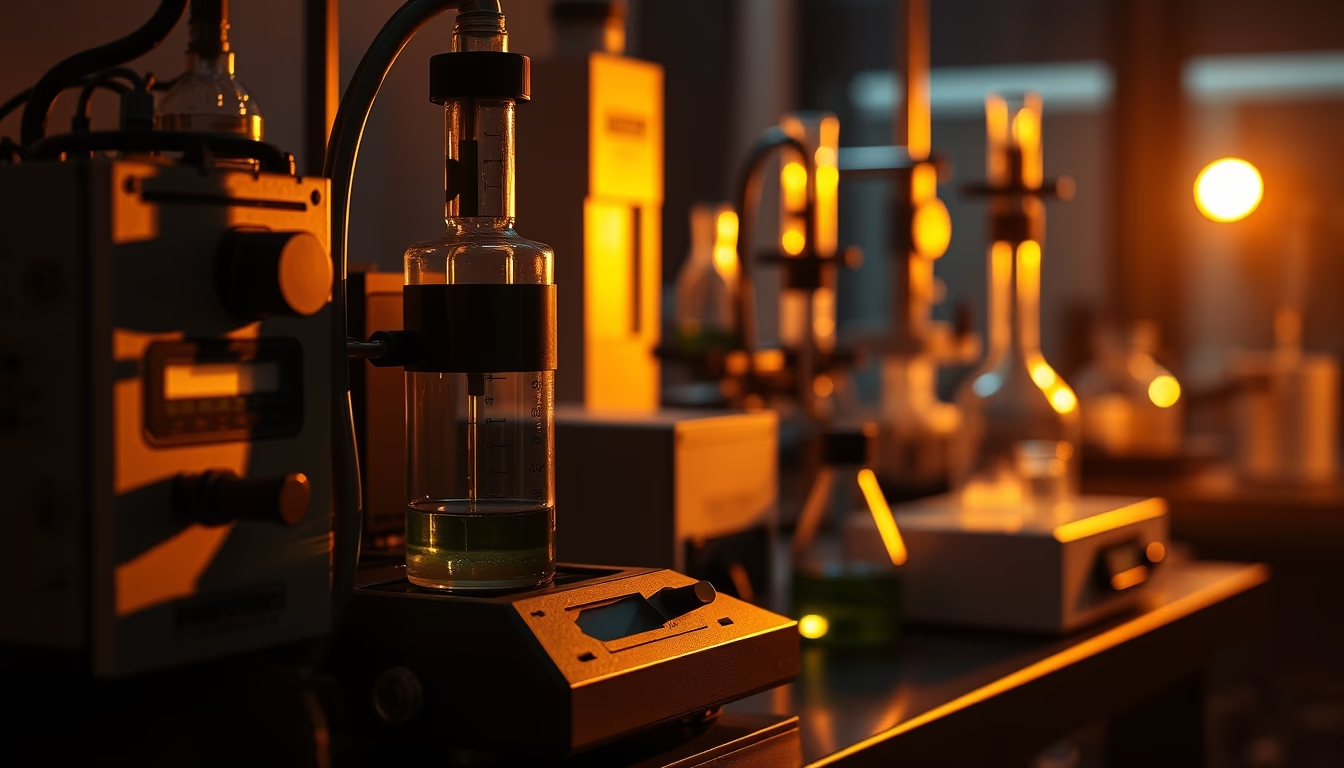
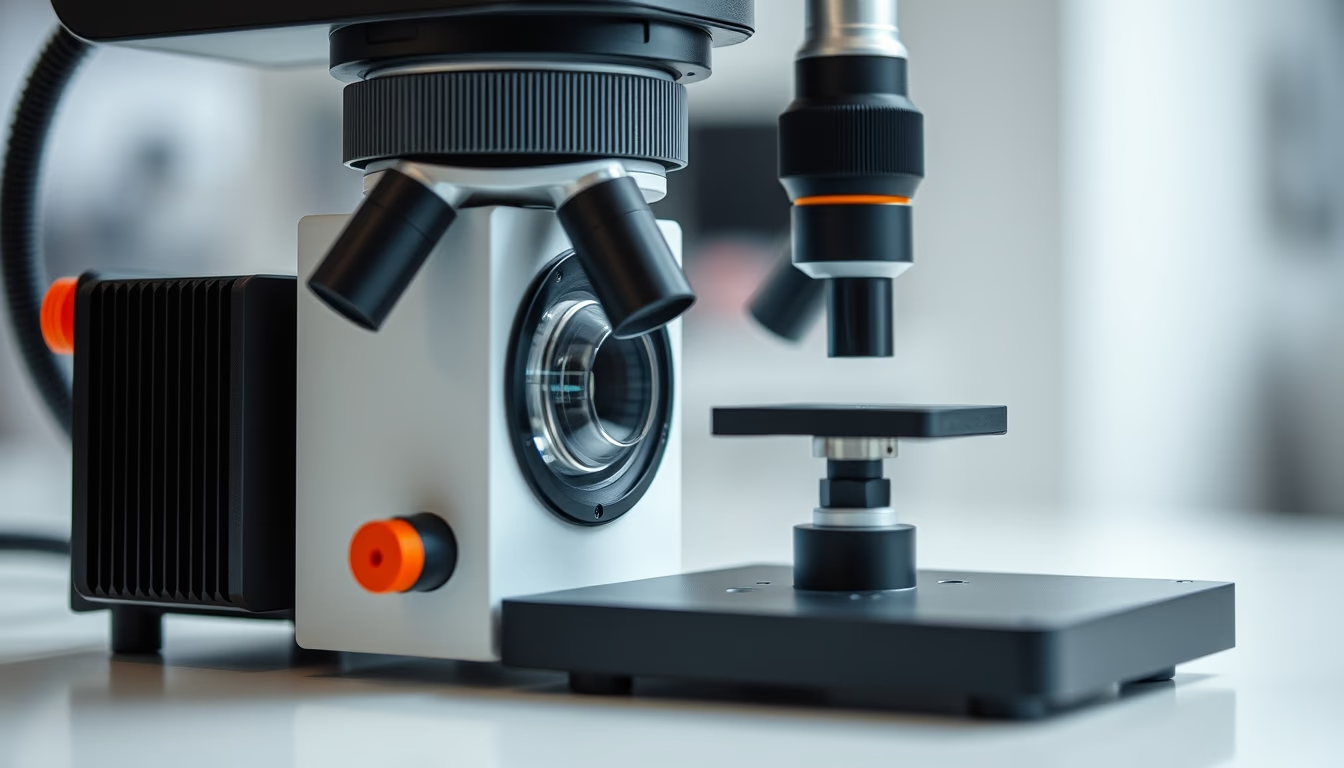
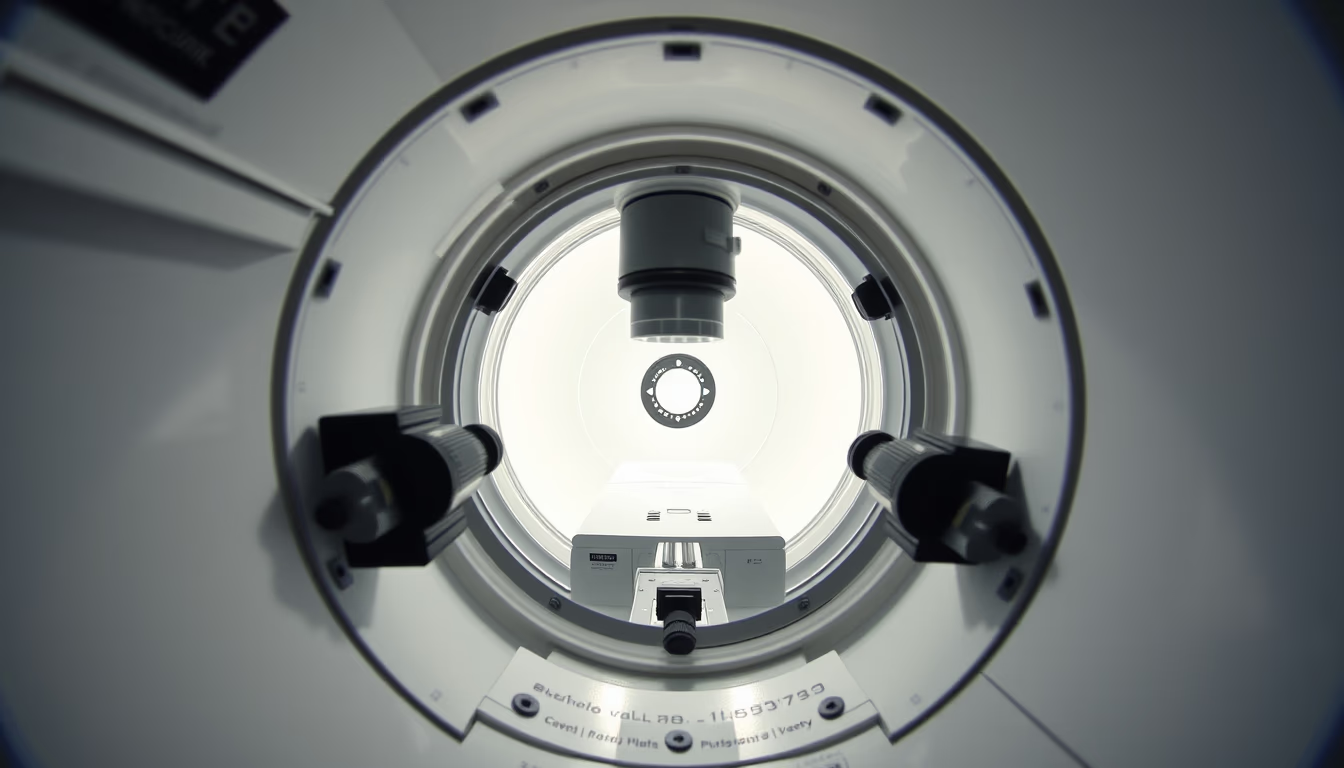
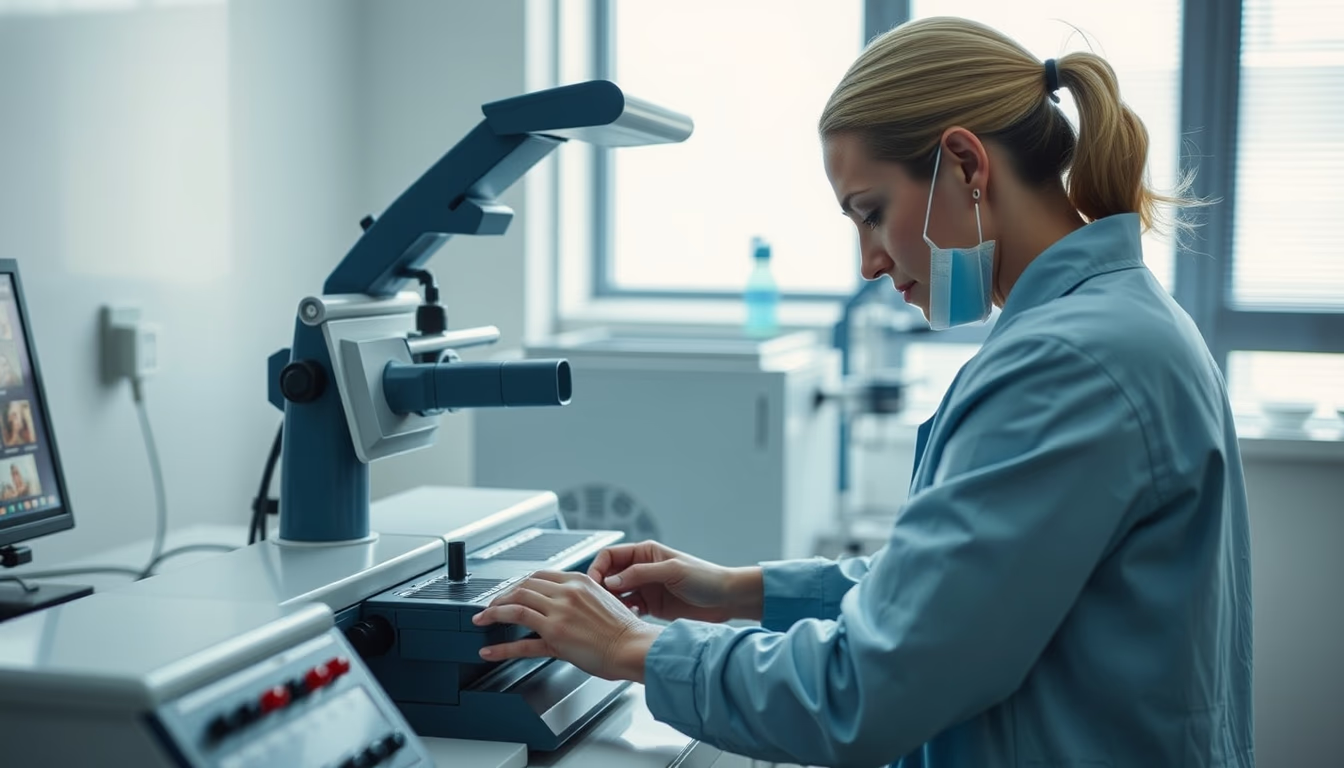
Gene sequencer machine
1344×768 · AVIF · CC BY 4.0

Gene sequencing machines revolutionized molecular biology by enabling fast and accurate DNA reading, essential for medical and forensic research.
About this subject
A gene sequencer is a laboratory instrument that determines the exact order of nucleotides in a DNA molecule. Since the early methods developed by Frederick Sanger in the 1970s, technology has evolved to high-throughput platforms such as Illumina and Oxford Nanopore, which process millions of fragments simultaneously. This advance drastically reduced the cost and time required to decipher complete genomes.
The applications of gene sequencing are vast and impact various fields. In medicine, it enables diagnosis of hereditary diseases, identification of cancer-associated mutations, and personalization of treatments. In microbiology, it is used to trace pathogen outbreaks and study antibiotic resistance. Paleogenetics uses sequencing to reconstruct DNA from extinct species, while agriculture employs the technique for crop improvement.
The most emblematic milestone was the Human Genome Project, completed in 2003 after 13 years and costing about 3 billion dollars. Today, sequencing a human genome costs less than 1,000 dollars and can be done in under a day. This democratization has propelled population genomics and the understanding of global genetic diversity.
Interestingly, during the COVID-19 pandemic, rapid sequencing of the SARS-CoV-2 genome allowed monitoring of variants and development of vaccines in record time. Additionally, environmental sequencing techniques such as metagenomics reveal microbial diversity in oceans, soils, and even the air we breathe.
Frequently Asked Questions
What is the difference between Sanger sequencing and NGS?
Sanger sequencing is a traditional slow and expensive method for short fragments. NGS (Next Generation Sequencing) can sequence millions of fragments simultaneously, drastically reducing time and cost.
How much does it cost to sequence a human genome today?
The cost has dropped from billions of dollars for the Human Genome Project to about a thousand dollars currently, making sequencing accessible for research and even clinical use.
Can gene sequencers be used to identify people?
Yes, sequencing specific regions of DNA is used in forensic genetics for individual identification, though full genome sequencing is not necessary for that purpose.
Direct URL
https://pub-c7d6a6ea828543ac903a74a341ccb2e1.r2.dev/imagens/gene-sequencer-machine-lo-fi-disposable-camera-fresh9.avifHow to credit
Include a visible link back to UtilizAí. Copy one of the snippets below:
<a href="https://xn--utiliza-eza.com/en/midia/imagens/gene-sequencer-machine-lo-fi-disposable-camera-fresh9">Gene sequencer machine</a> by <a href="https://xn--utiliza-eza.com">UtilizAí</a>, licensed under <a href="https://creativecommons.org/licenses/by/4.0/">CC BY 4.0</a>.
[Gene sequencer machine](https://xn--utiliza-eza.com/en/midia/imagens/gene-sequencer-machine-lo-fi-disposable-camera-fresh9) by [UtilizAí](https://xn--utiliza-eza.com), CC BY 4.0
License: CC-BY-4.0