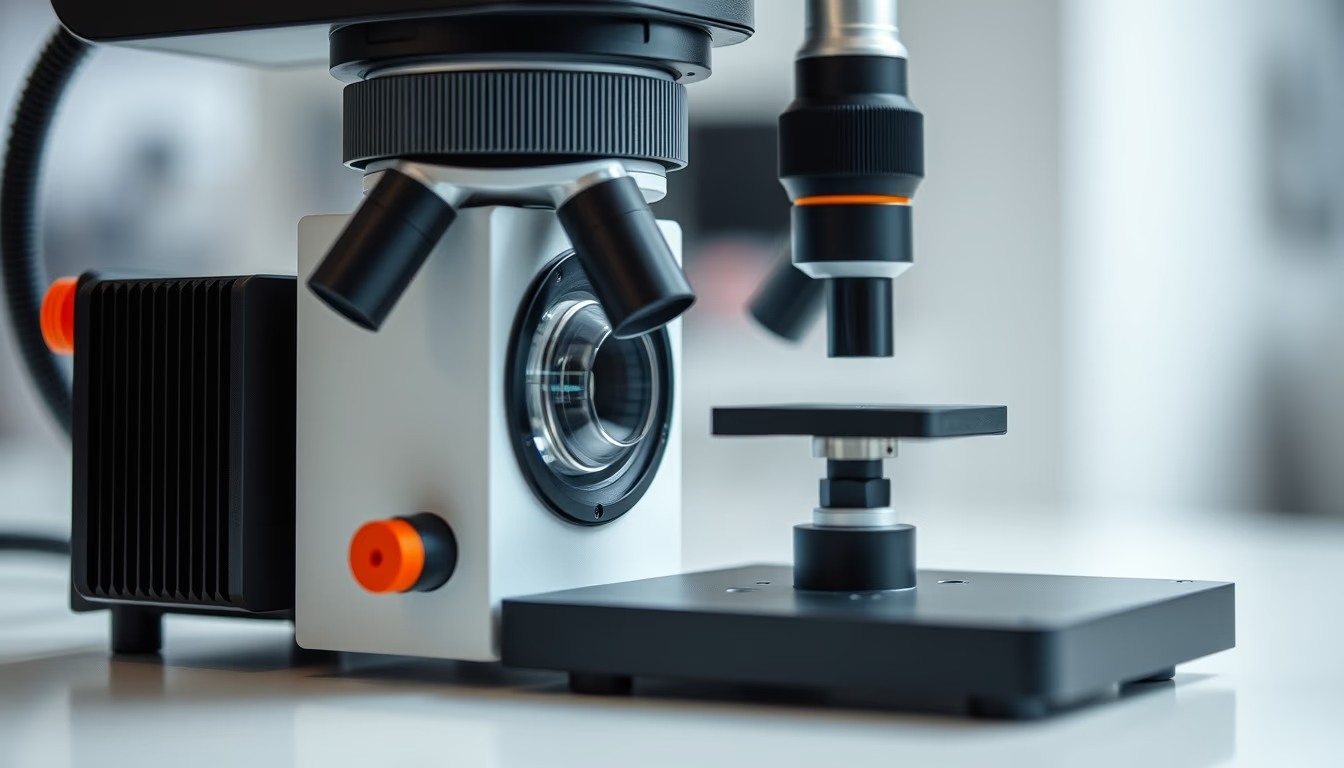
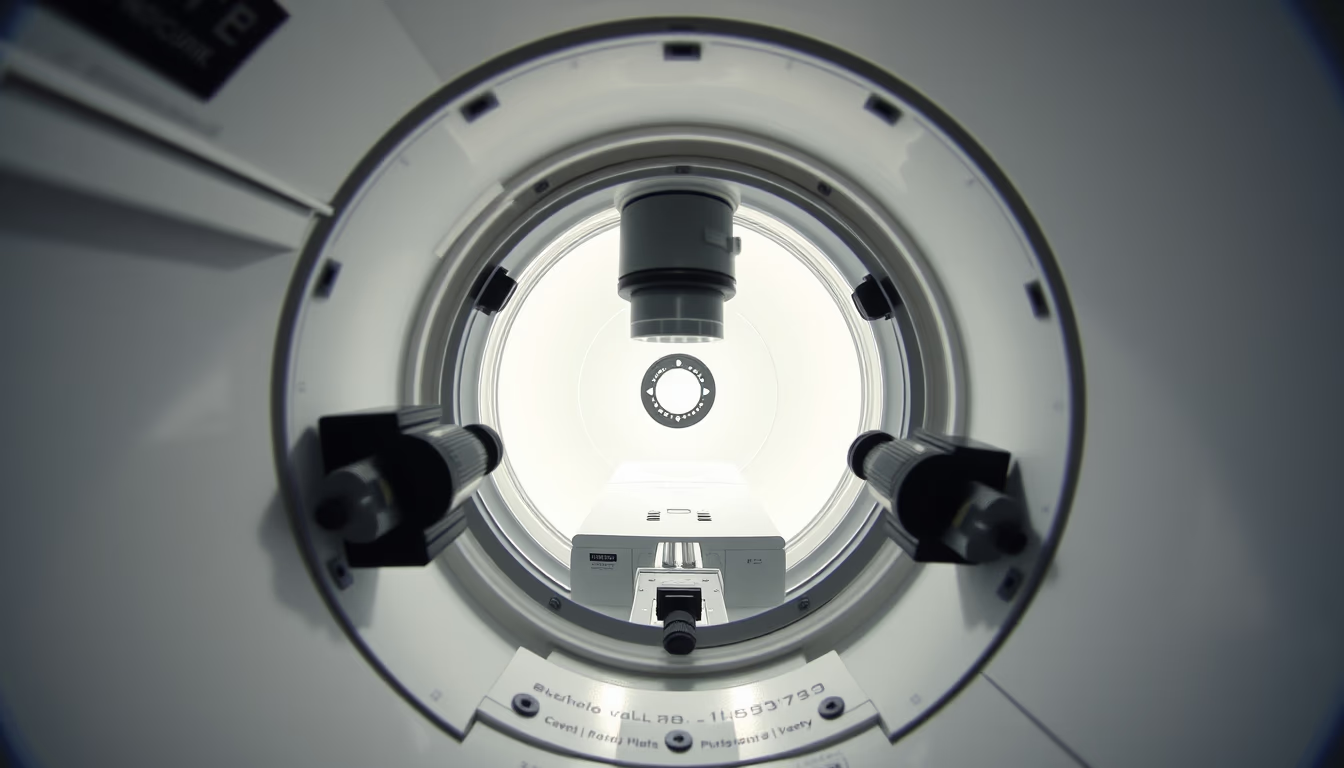
Gene sequencer machine
1344×768 · AVIF · CC BY 4.0

A gene sequencer machine is a laboratory instrument that determines the order of nucleotides in DNA, essential for genomic research and medical diagnostics.
About this subject
A gene sequencer, also known as a DNA sequencer, is an analytical instrument that reads the sequence of nitrogenous bases (A, T, C, G) in a DNA molecule. Since the completion of the Human Genome Project in 2003, these machines have evolved dramatically. Early Sanger sequencers using capillary electrophoresis could sequence hundreds of bases per day. Next-generation sequencing (NGS) technologies such as Illumina and Ion Torrent have increased throughput to billions of bases per run.
These instruments are vital in fields like oncology, where they detect tumor mutations, and in epidemiology, for tracking viral variants such as SARS-CoV-2. The cost of sequencing an entire human genome has dropped from about US$100 million in 2001 to under US$1,000 today, driven by platforms like Illumina's NovaSeq and Oxford Nanopore's PromethION. In Brazil, institutions such as Hospital Albert Einstein and Fiocruz use sequencers for rare disease diagnosis and genomic surveillance.
Trivia: the first commercial sequencer was the Applied Biosystems 370A, released in 1987. Today, portable models like the MinION fit in the palm of your hand and can be connected to a laptop. Accuracy of modern machines exceeds 99.9%, though errors can occur in repetitive DNA regions. Bioinformatics is essential to process the gigabytes of data generated per run.
The future of sequencers includes single-molecule sequencing technologies, such as those developed by Pacific Biosciences, which read long DNA fragments without amplification, reducing bias. These advances promise to accelerate personalized medicine and understanding of the human microbiome.
Frequently Asked Questions
What is the difference between Sanger sequencing and NGS?
Sanger sequencing is a traditional method for short fragments (up to 900 bases), still used for validation. NGS (Next Generation Sequencing) can sequence millions of fragments simultaneously, ideal for whole genomes and large-scale analyses.
How long does it take to sequence a human genome?
With modern equipment like the NovaSeq 6000, a human genome can be sequenced in about 24 hours. Rapid models like the MinION can generate data in real time, but with lower accuracy.
What are the clinical applications of genetic sequencing?
It is used for diagnosing rare genetic diseases, identifying cancer mutations, pharmacogenomics (drug personalization), and monitoring viral infections such as COVID-19.
Direct URL
https://pub-c7d6a6ea828543ac903a74a341ccb2e1.r2.dev/imagens/gene-sequencer-machine-high-fashion-editorial-fresh6.avifHow to credit
Include a visible link back to UtilizAí. Copy one of the snippets below:
<a href="https://xn--utiliza-eza.com/en/midia/imagens/gene-sequencer-machine-high-fashion-editorial-fresh6">Gene sequencer machine</a> by <a href="https://xn--utiliza-eza.com">UtilizAí</a>, licensed under <a href="https://creativecommons.org/licenses/by/4.0/">CC BY 4.0</a>.
[Gene sequencer machine](https://xn--utiliza-eza.com/en/midia/imagens/gene-sequencer-machine-high-fashion-editorial-fresh6) by [UtilizAí](https://xn--utiliza-eza.com), CC BY 4.0
License: CC-BY-4.0