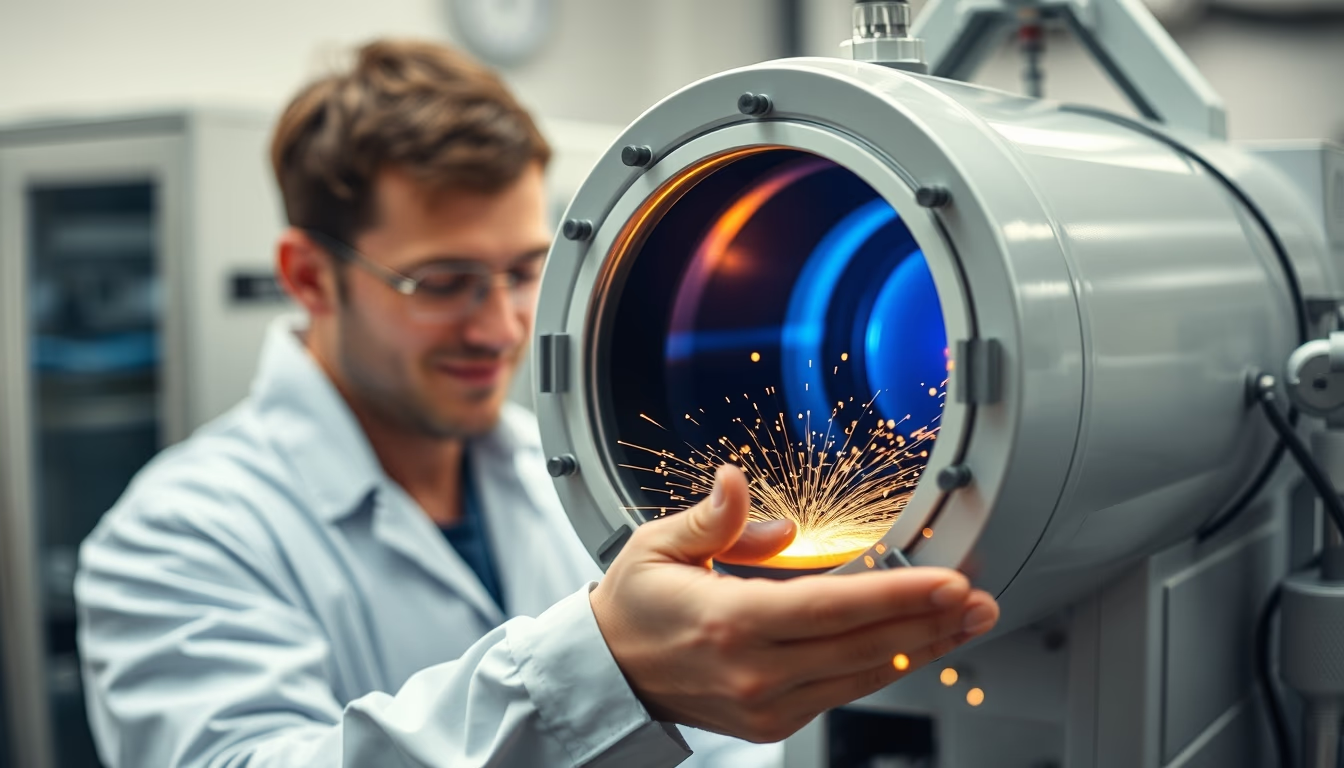
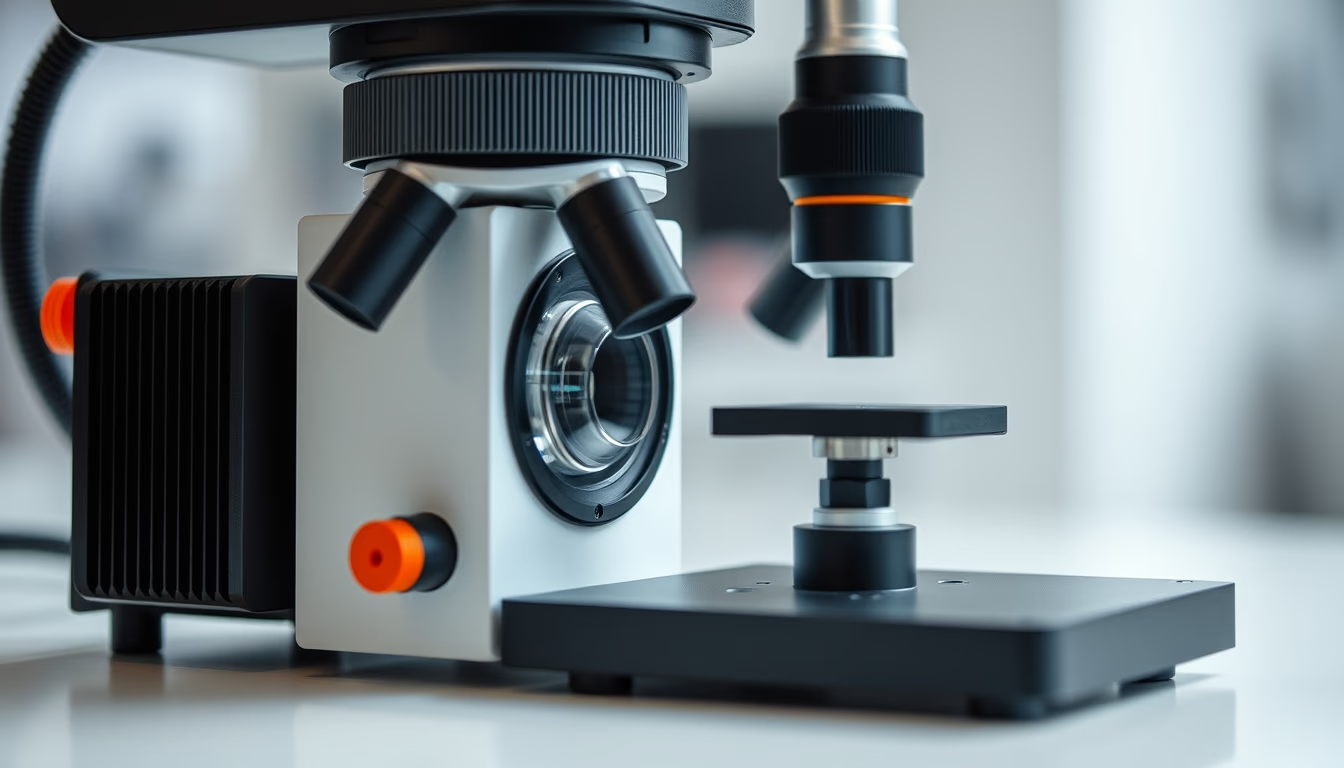
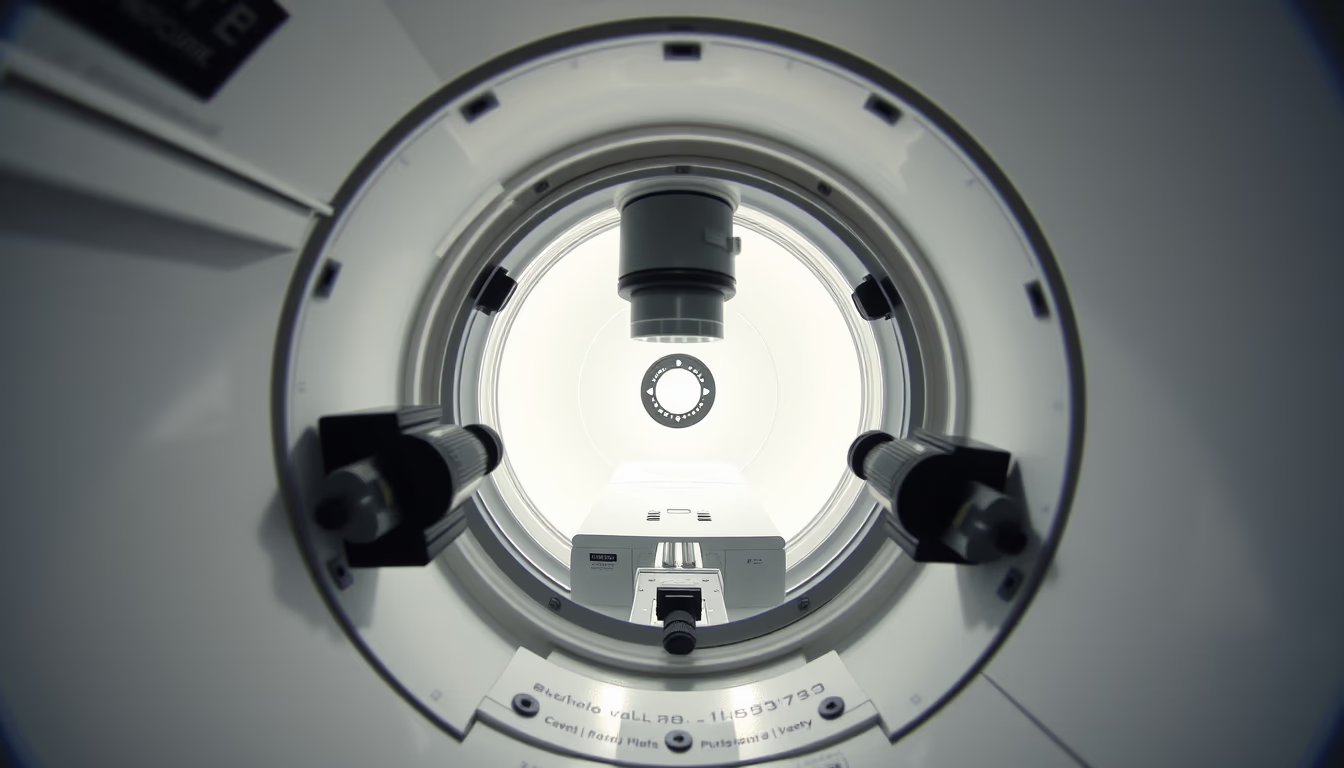
Gene sequencer machine
1344×768 · AVIF · CC BY 4.0

Equipment that determines the exact order of nucleotides in DNA, revolutionizing personalized medicine and molecular biology.
About this subject
A gene sequencer is a laboratory instrument that deciphers the sequence of nitrogenous bases (A, T, C, G) in DNA molecules. Since the Human Genome Project was completed in 2003, technology has advanced rapidly: the cost per sequenced genome has dropped from US$100 million to less than US$1,000 today. Modern models, such as the Illumina NovaSeq and PacBio Sequel, employ different approaches. Illumina uses sequencing by synthesis, where fluorescent nucleotides are incorporated and detected in real time. PacBio, on the other hand, performs long reads of single molecules, facilitating the assembly of repetitive genomic regions.
The applications of these devices are broad. In medicine, they identify cancer-causing mutations, diagnose rare diseases, and guide targeted therapies. In epidemiology, genomic sequencing of pathogens like SARS-CoV-2 tracks variants and informs vaccines. In agriculture, it accelerates crop improvement and study of soil microbiomes. Basic research labs use them to understand evolution, gene expression, and epigenetics.
A curious fact: the MinION sequencer from Oxford Nanopore is portable and fits in the palm of your hand, enabling field sequencing, it has even been used on the International Space Station. Current instrument accuracy exceeds 99.9%, but bioinformatics is crucial to process the terabytes of data generated. Ongoing development aims for even longer and cheaper reads, targeting accessible precision medicine globally.
Frequently Asked Questions
How does a gene sequencer work?
Most modern sequencers use fluorescence to detect nucleotides as they are incorporated into a DNA strand. The instrument records millions of parallel reactions and software reconstructs the full sequence.
What are the main applications of genetic sequencing?
Applications include diagnosing genetic diseases, personalized oncology, pathogen identification, evolutionary studies, agricultural improvement, and forensic medicine.
What is the difference between short-read and long-read sequencing?
Short-read sequencing (Illumina) generates fragments of 150-300 bases with high accuracy. Long-read sequencing (PacBio, Nanopore) produces fragments of thousands to millions of bases, facilitating assembly of complex genomes and detection of large rearrangements.
Direct URL
https://pub-c7d6a6ea828543ac903a74a341ccb2e1.r2.dev/imagens/gene-sequencer-machine-film-grain-authentic-fresh8.avifHow to credit
Include a visible link back to UtilizAí. Copy one of the snippets below:
<a href="https://xn--utiliza-eza.com/en/midia/imagens/gene-sequencer-machine-film-grain-authentic-fresh8">Gene sequencer machine</a> by <a href="https://xn--utiliza-eza.com">UtilizAí</a>, licensed under <a href="https://creativecommons.org/licenses/by/4.0/">CC BY 4.0</a>.
[Gene sequencer machine](https://xn--utiliza-eza.com/en/midia/imagens/gene-sequencer-machine-film-grain-authentic-fresh8) by [UtilizAí](https://xn--utiliza-eza.com), CC BY 4.0
License: CC-BY-4.0