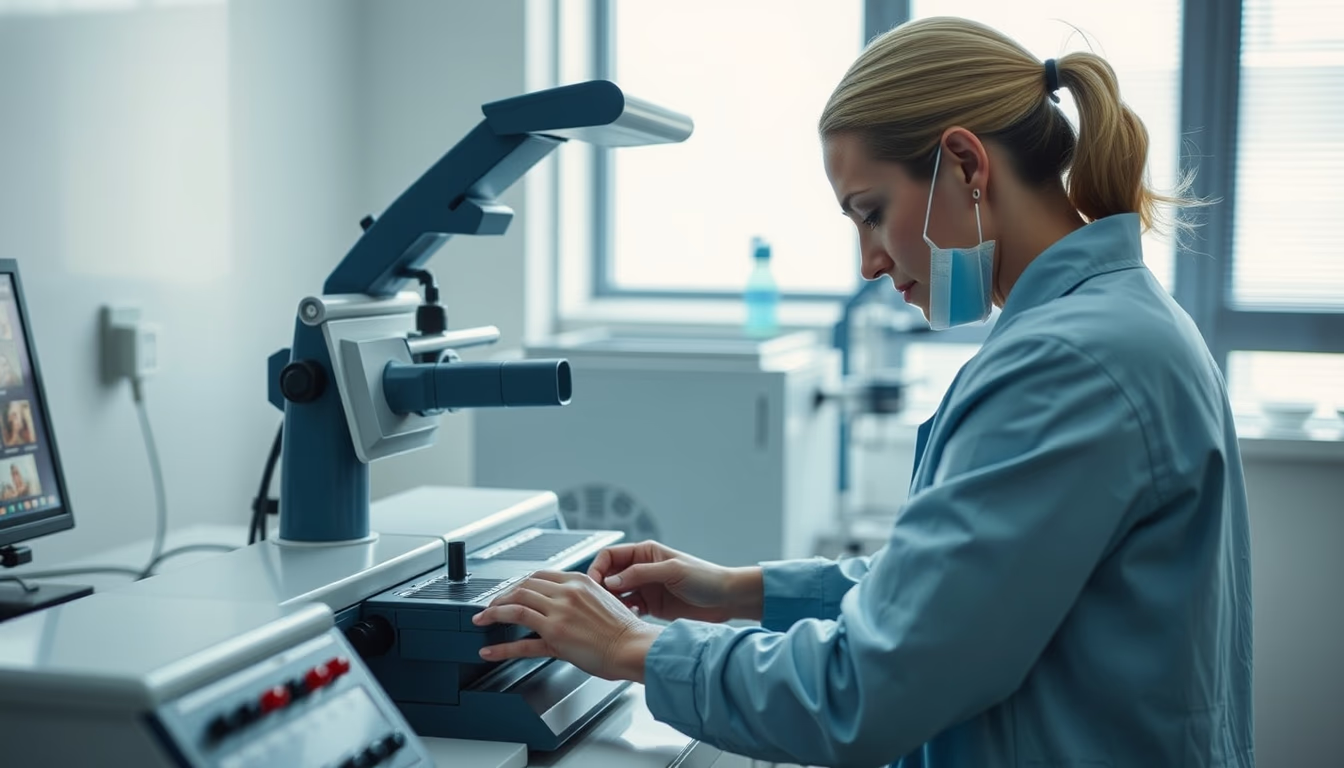
Gene sequencer machine
1344×768 · AVIF · CC BY 4.0

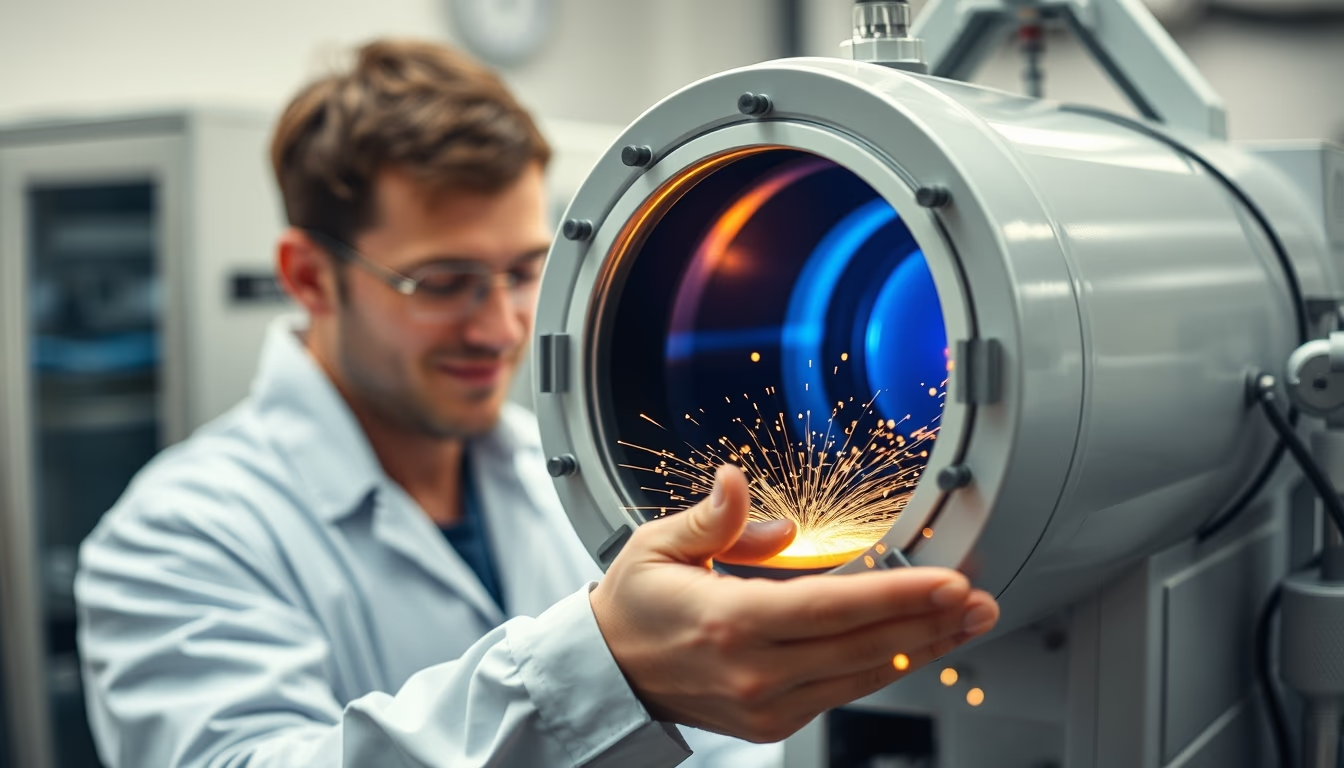
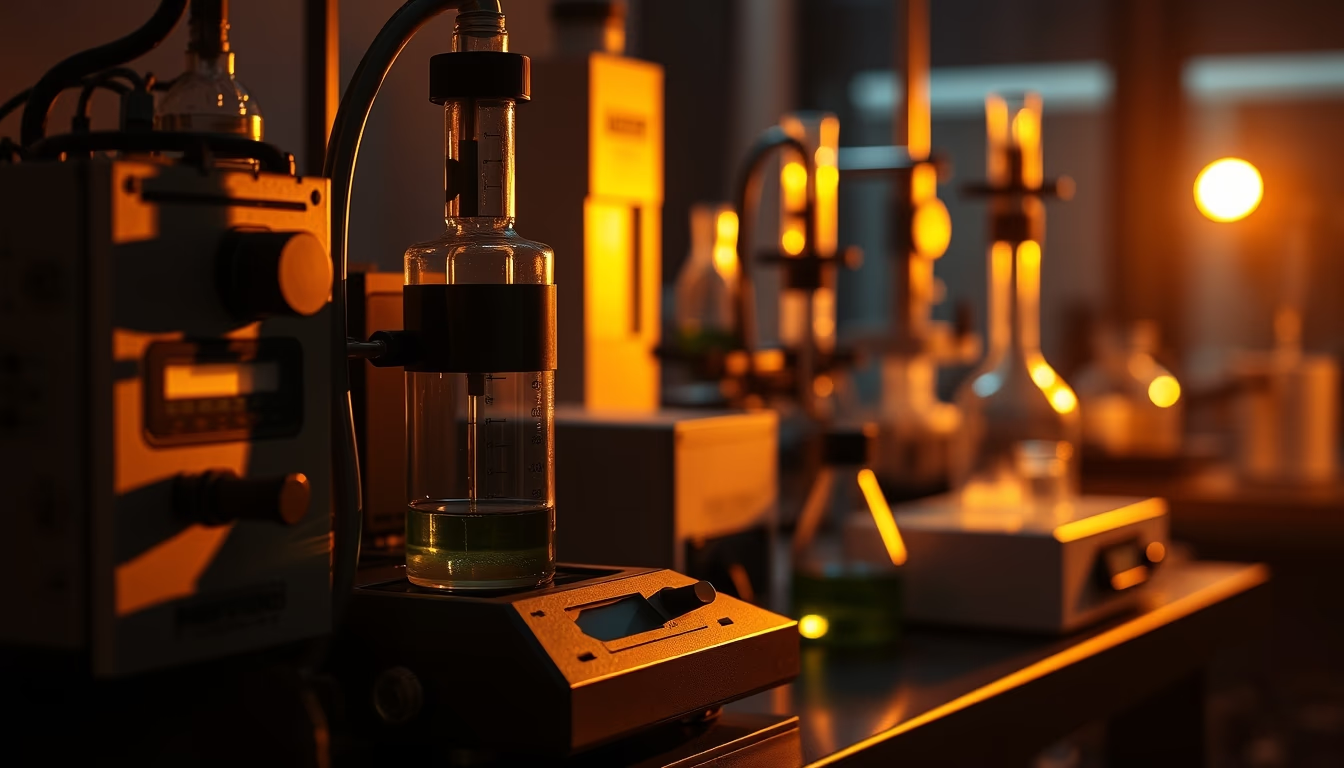
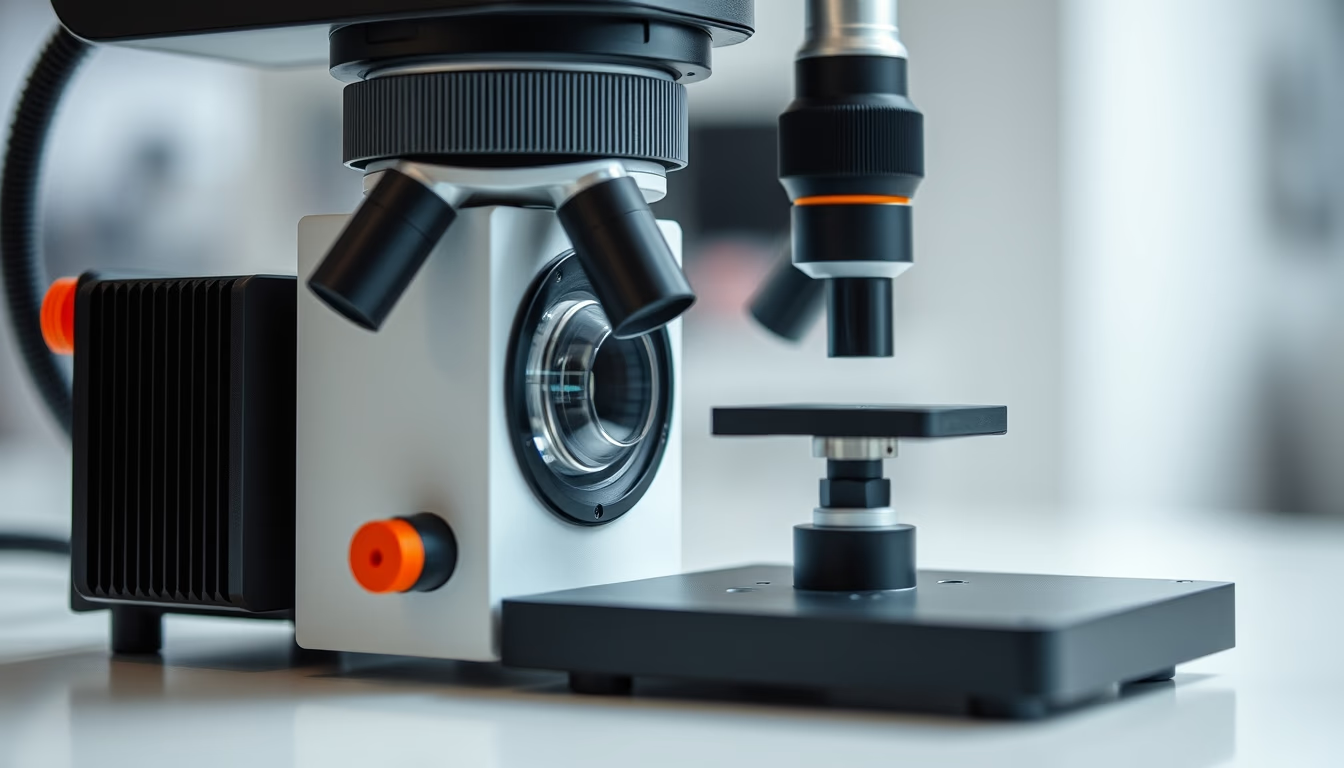
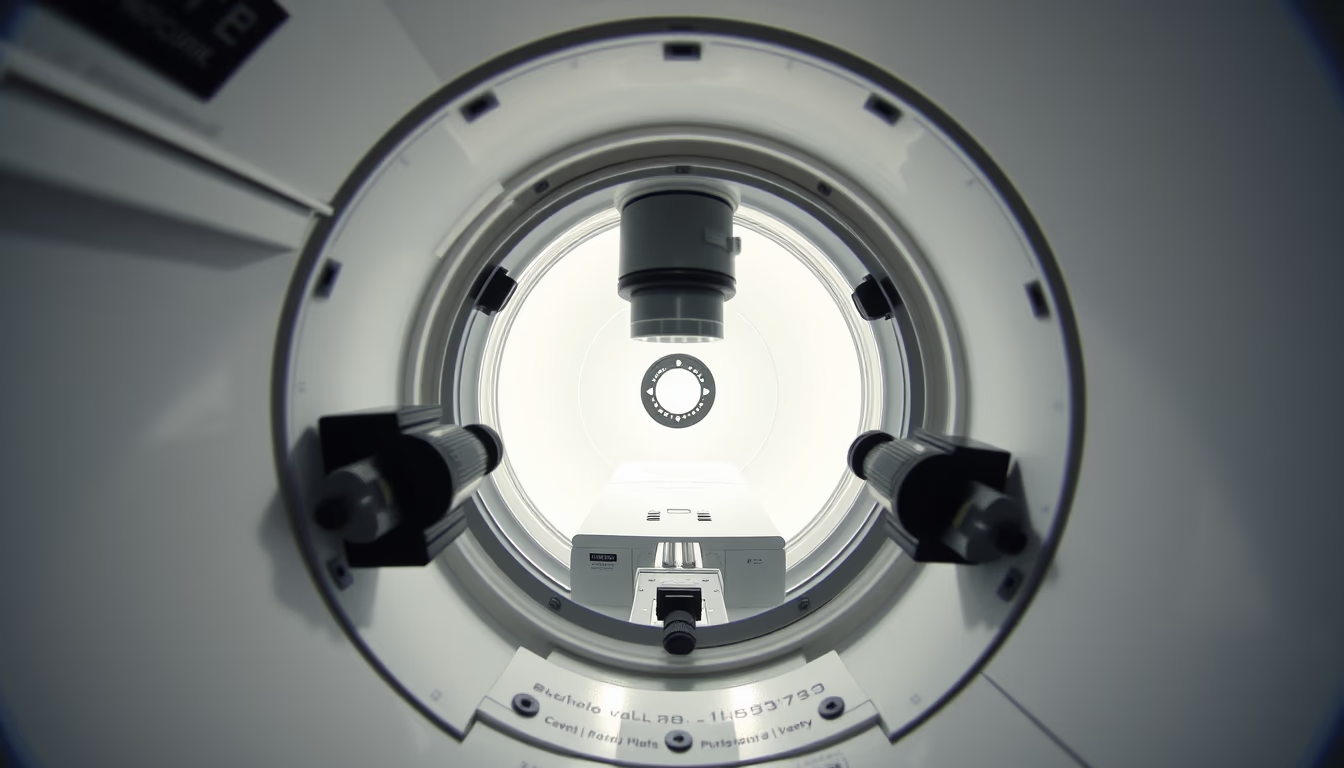
Gene sequencer machine that revolutionizes molecular biology by reading DNA quickly and accurately.
About this subject
The gene sequencer is an essential instrument in modern molecular biology. It determines the exact order of nucleotides (A, T, C, G) in a DNA molecule. This technology emerged in the 1970s with Sanger sequencing but has evolved dramatically into next-generation sequencing (NGS), allowing simultaneous processing of millions of fragments. Brands like Illumina, Thermo Fisher, and Pacific Biosciences dominate the market. Gene sequencing is crucial for studies of hereditary diseases, personalized oncology, microbiology, and even tracking viral outbreaks such as SARS-CoV-2. In Brazil, institutions like the Butantan Institute and the National Laboratory for Scientific Computing (LNCC) use these machines for genomic research. A curiosity: the cost of sequencing a human genome dropped from US$100 million in 2001 to about US$1,000 today, driven by technological advances. The machine shown in the image is likely a modern high-throughput model capable of generating terabytes of data per run. Its design integrates precision optics, microfluidics systems, and bioinformatics software.
Operation involves DNA fragmentation, adapter ligation, and bridge amplification. Fluorescently labeled nucleotides are incorporated and detected by cameras, generating sequence reads. Errors are corrected by algorithms. Different platforms have advantages: Illumina offers high accuracy; PacBio and Oxford Nanopore produce long reads ideal for complex genome assembly. Applications extend beyond human health to agriculture (crop improvement), species conservation, and industrial biotechnology. A laboratory operating these machines requires specialized infrastructure, temperature control, and trained personnel.
The impact on science is immense. The Human Genome Project, completed in 2003, was a milestone, and today thousands of genomes are sequenced daily. Democratized access to sequencing enables faster diagnoses and personalized treatments. In Brazil, the Fiocruz Genomic Network and the DNA do Brasil project aim to catalog the genetic diversity of the population. The gene sequencer is a tool that transforms data into fundamental biological knowledge.
Frequently Asked Questions
What is next-generation sequencing (NGS)?
It is a set of modern DNA sequencing techniques that process millions of fragments simultaneously, generating massive data at high speed, unlike the traditional Sanger method.
What is the difference between Illumina and PacBio sequencing?
Illumina produces short reads (up to 300 bases) with high accuracy, ideal for variant detection. PacBio generates long reads (up to 100,000 bases) for easier genome assembly, but with lower accuracy corrected by consensus.
How is genetic sequencing used in personalized medicine?
It identifies specific mutations in tumors, selects targeted therapies, predicts drug responses, and diagnoses rare diseases, tailoring treatment to the patient's genetic profile.
Direct URL
https://pub-c7d6a6ea828543ac903a74a341ccb2e1.r2.dev/imagens/gene-sequencer-machine-documentary-nature-style-fresh5.avifHow to credit
Include a visible link back to UtilizAí. Copy one of the snippets below:
<a href="https://xn--utiliza-eza.com/en/midia/imagens/gene-sequencer-machine-documentary-nature-style-fresh5">Gene sequencer machine</a> by <a href="https://xn--utiliza-eza.com">UtilizAí</a>, licensed under <a href="https://creativecommons.org/licenses/by/4.0/">CC BY 4.0</a>.
[Gene sequencer machine](https://xn--utiliza-eza.com/en/midia/imagens/gene-sequencer-machine-documentary-nature-style-fresh5) by [UtilizAí](https://xn--utiliza-eza.com), CC BY 4.0
License: CC-BY-4.0