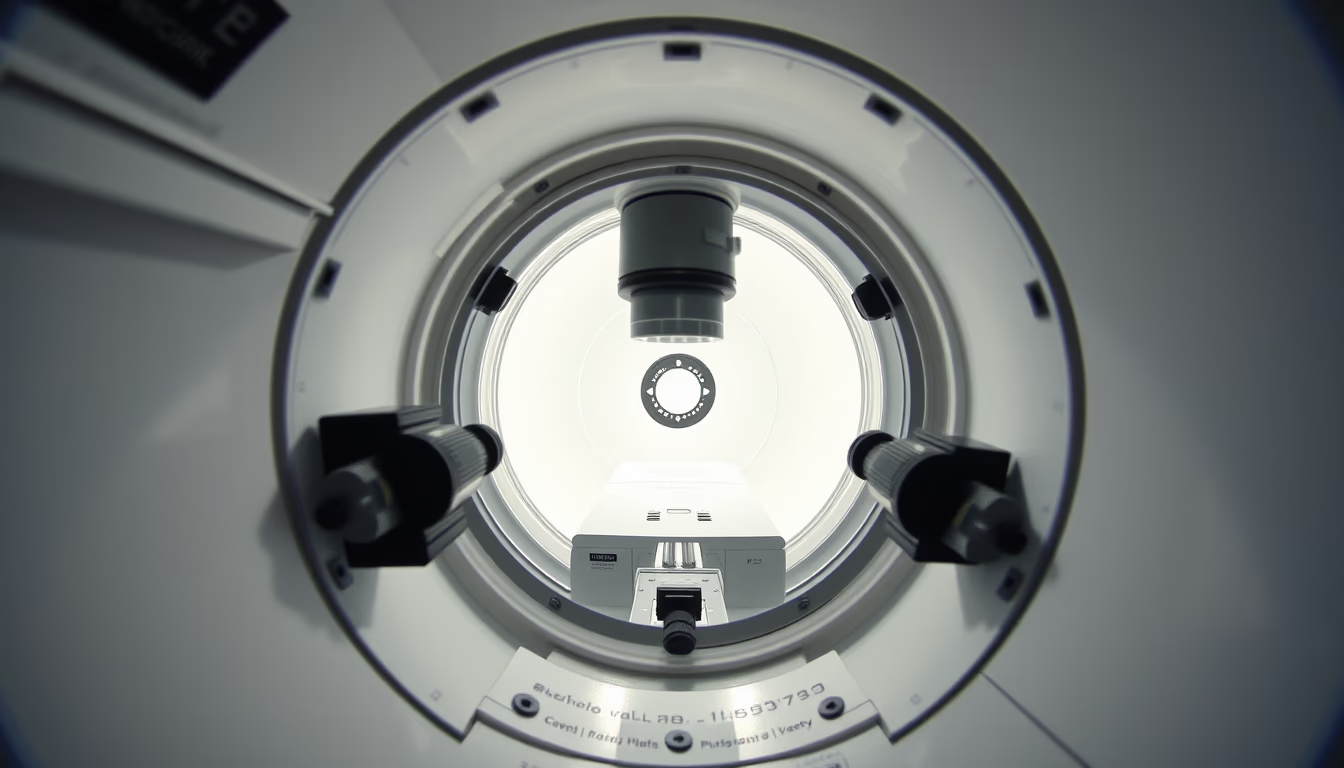
Gene sequencer machine
1344×768 · AVIF · CC BY 4.0

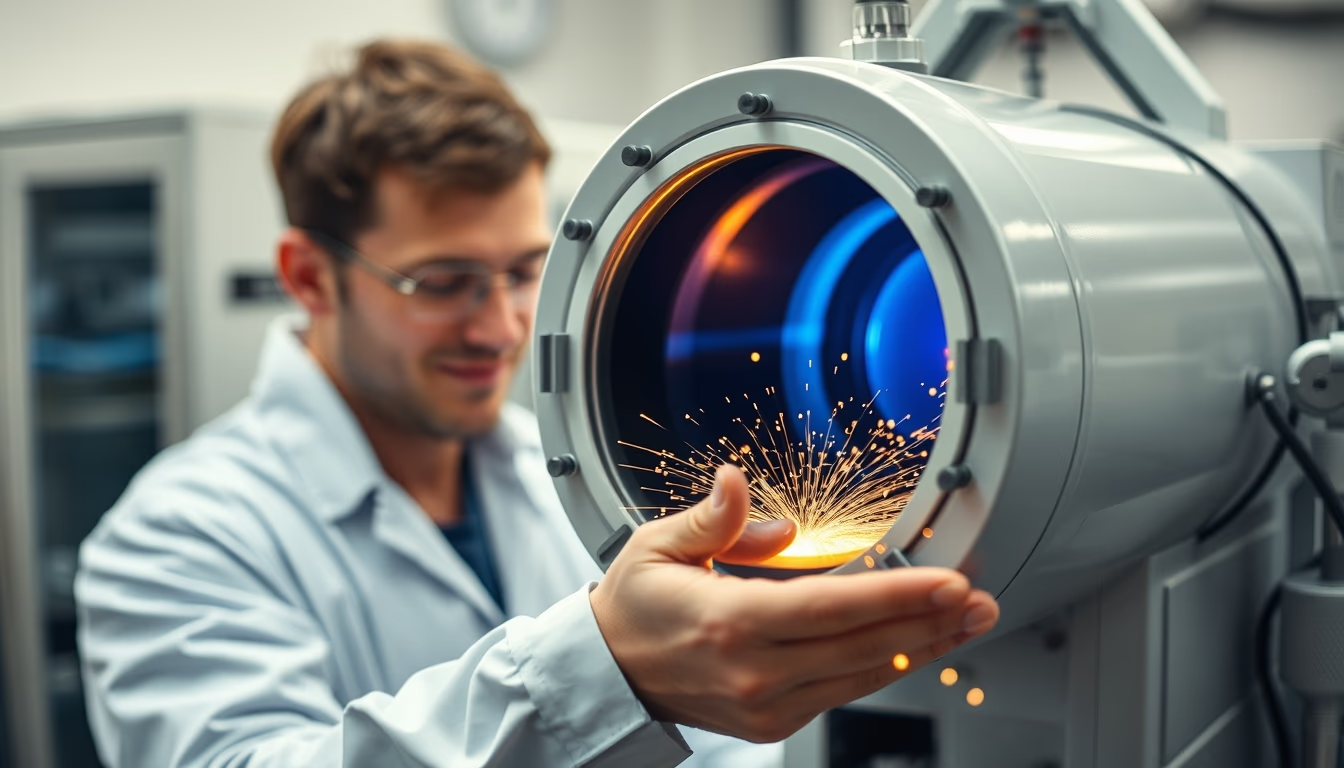
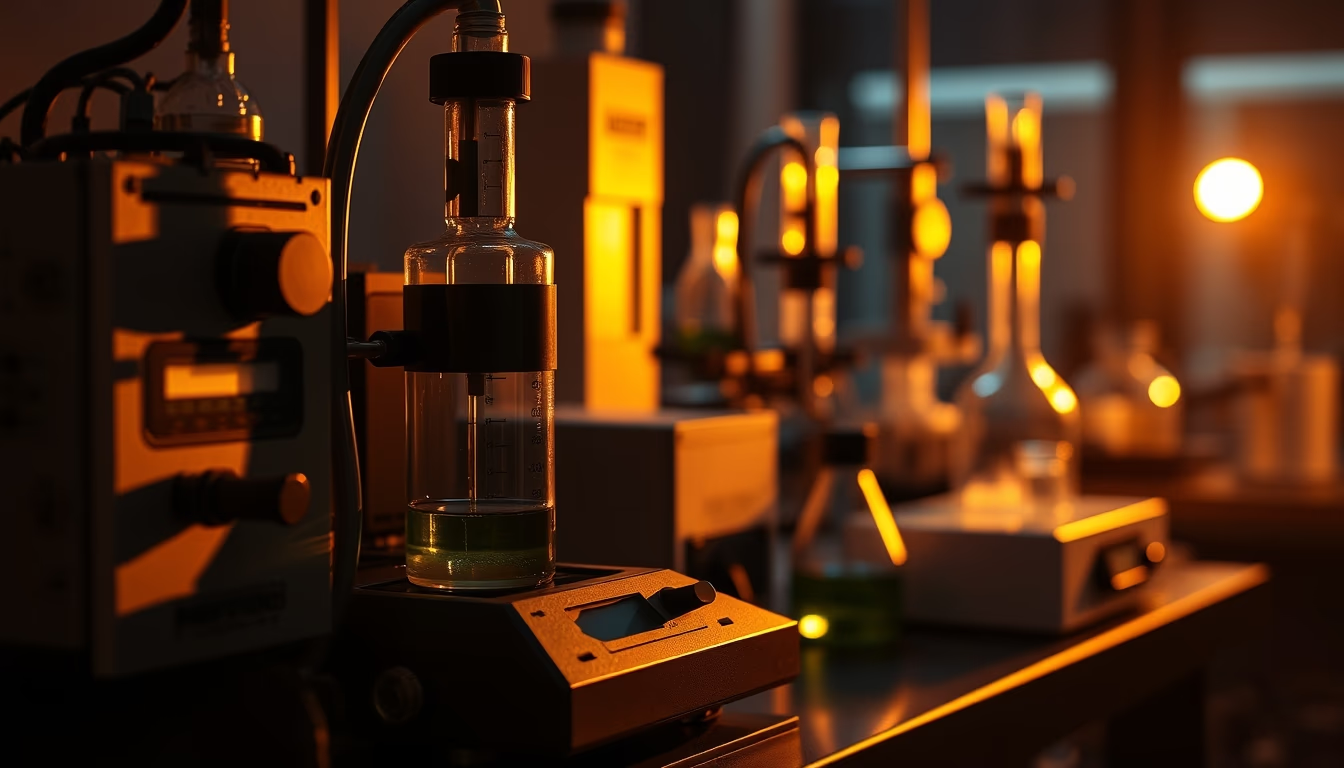
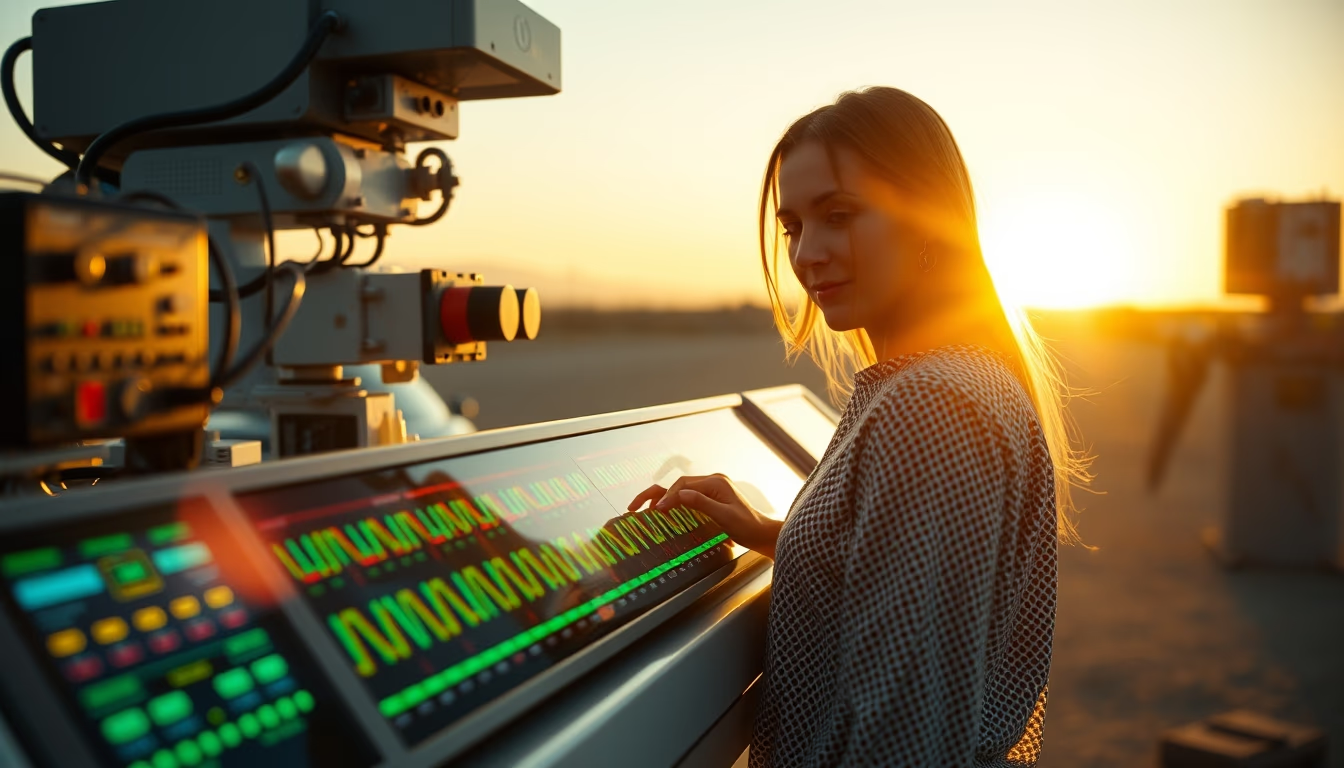
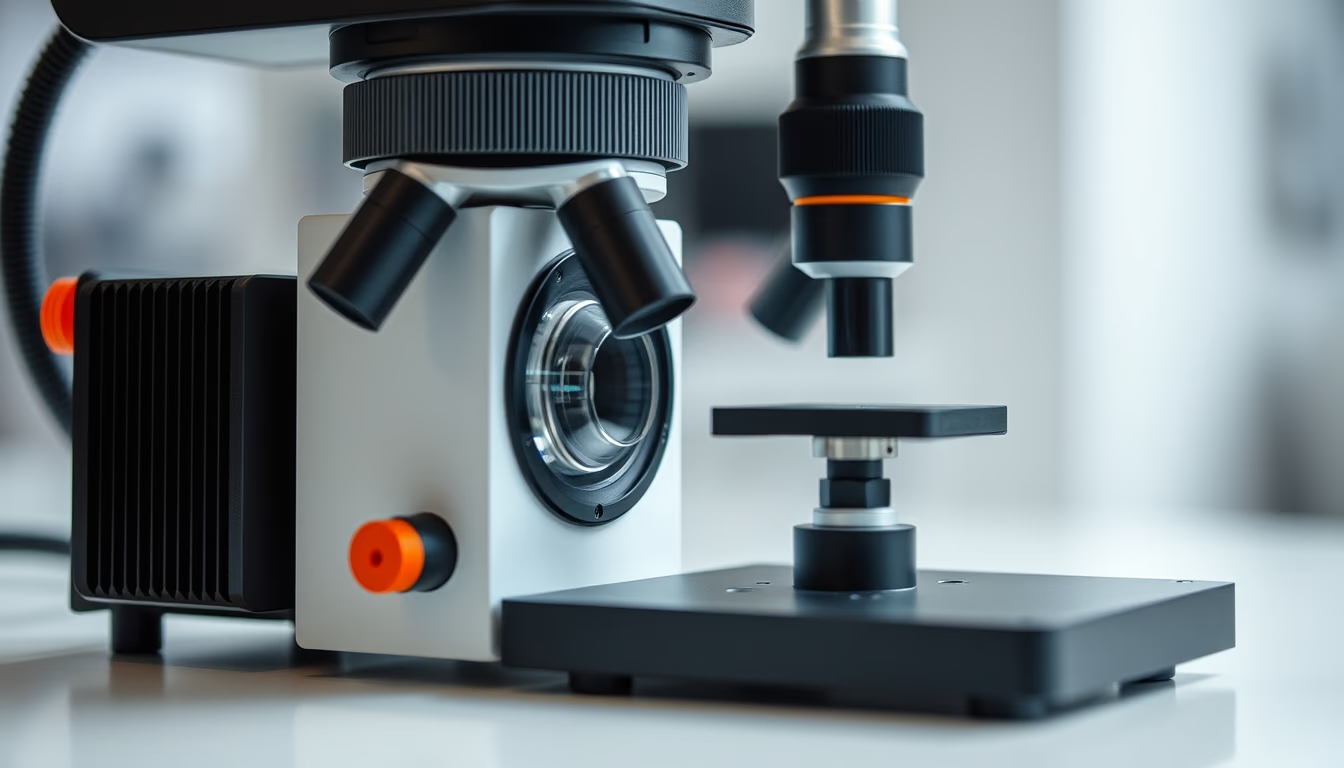
Gene sequencer machines are laboratory instruments that decipher the order of nucleotides in DNA, revolutionizing molecular biology.
About this subject
Gene sequencer machines are essential tools in modern genomics, capable of determining the exact order of nitrogenous bases (adenine, cytosine, guanine, and thymine) in a DNA molecule. The first commercially viable method was Sanger sequencing, developed by Frederick Sanger in 1977, which used capillary electrophoresis and fluorescent markers. This system was the backbone of the Human Genome Project, completed in 2003, which mapped approximately 3 billion base pairs of human DNA.
With technological advancement, next-generation sequencing (NGS) platforms such as Illumina's sequencing-by-synthesis emerged. These machines process millions of DNA fragments in parallel, drastically reducing the cost and time of genomic projects. Current platforms like PacBio and Oxford Nanopore offer long-read sequencing, enabling assembly of complex genomes and identification of structural variations.
The importance of these instruments extends beyond basic research. In medicine, gene sequencing is used for diagnosing hereditary diseases, identifying oncogenic mutations, and pharmacogenomics. In agriculture, it aids crop improvement and food safety. In forensic science, DNA profiling is crucial for criminal identification and disaster victim identification. The industrial architecture of these machines, often with modular design and sophisticated cooling systems, reflects the complexity of optical, fluidic, and computational processes involved.
Remarkably, the cost of sequencing a human genome dropped from about $100 million in 2001 to less than $1,000 in 2023, driven by continuous innovation in these instruments. The ability to generate terabytes of data per run also requires advances in bioinformatics and storage. The future points to portable sequencers like the Oxford Nanopore MinION, which fits in a hand and can be used in the field, opening possibilities for decentralized diagnostics and real-time environmental monitoring.
Frequently Asked Questions
What is the difference between Sanger sequencing and NGS?
Sanger sequencing is a low-throughput method that sequences DNA fragments one at a time, while NGS (Next-Generation Sequencing) processes millions of fragments simultaneously, making it much faster and cheaper for large genomes.
How much does it cost to sequence a human genome today?
The cost dropped from $100 million in 2001 to less than $1,000 in 2023, thanks to technological advances in next-generation sequencers such as those from Illumina and Oxford Nanopore.
What is long-read sequencing and why is it important?
Methods like PacBio and Oxford Nanopore produce DNA reads tens of thousands of bases long, facilitating the assembly of complex genomes and detection of structural variations that would be missed by short reads.
Direct URL
https://pub-c7d6a6ea828543ac903a74a341ccb2e1.r2.dev/imagens/gene-sequencer-machine-architectural-photography-fresh7.avifHow to credit
Include a visible link back to UtilizAí. Copy one of the snippets below:
<a href="https://xn--utiliza-eza.com/en/midia/imagens/gene-sequencer-machine-architectural-photography-fresh7">Gene sequencer machine</a> by <a href="https://xn--utiliza-eza.com">UtilizAí</a>, licensed under <a href="https://creativecommons.org/licenses/by/4.0/">CC BY 4.0</a>.
[Gene sequencer machine](https://xn--utiliza-eza.com/en/midia/imagens/gene-sequencer-machine-architectural-photography-fresh7) by [UtilizAí](https://xn--utiliza-eza.com), CC BY 4.0
License: CC-BY-4.0