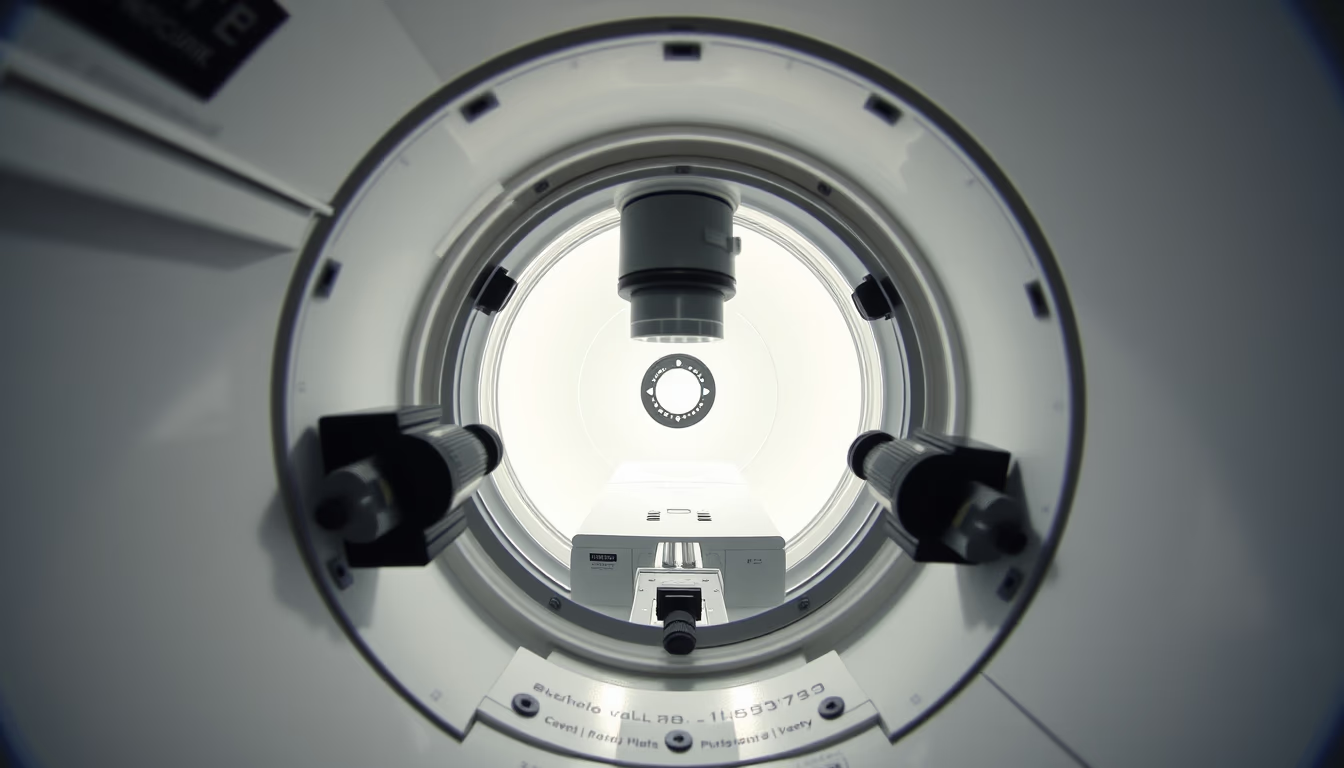
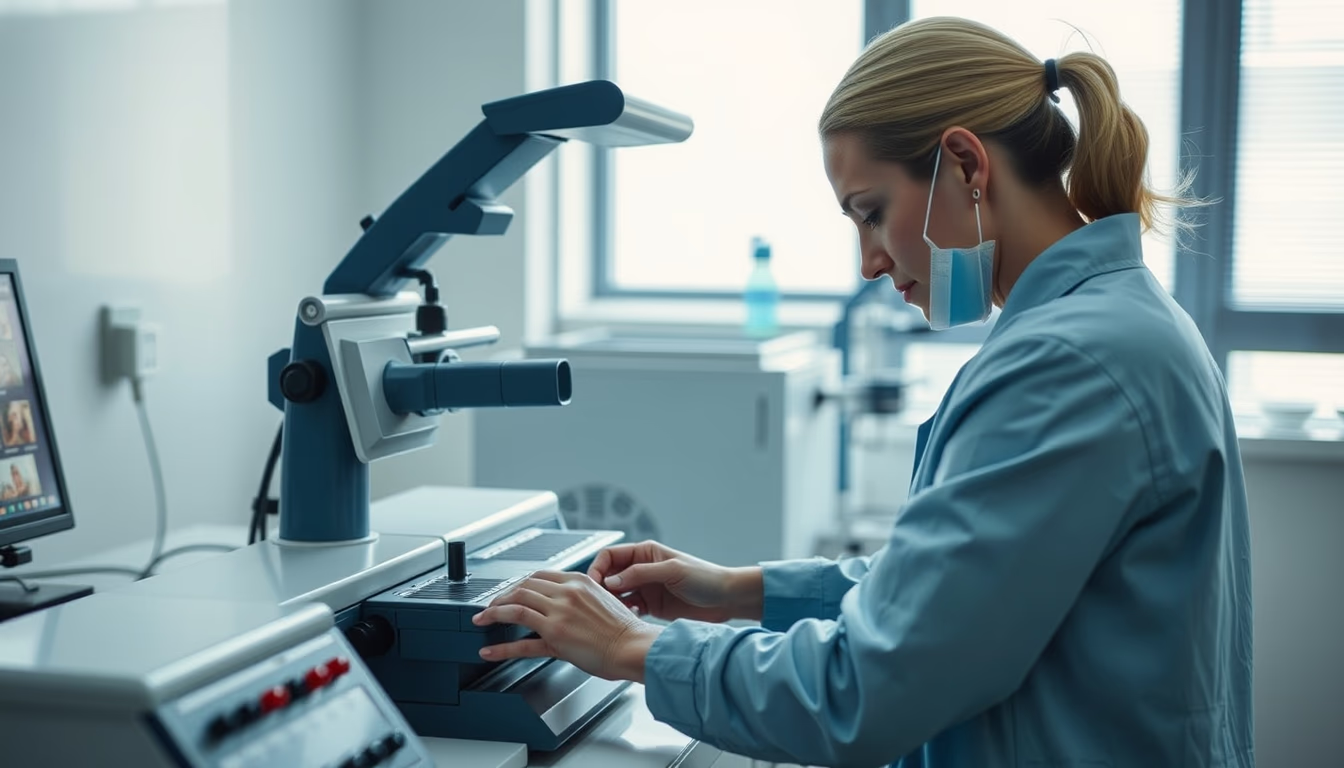
Gas chromatograph
1344×768 · AVIF · CC BY 4.0
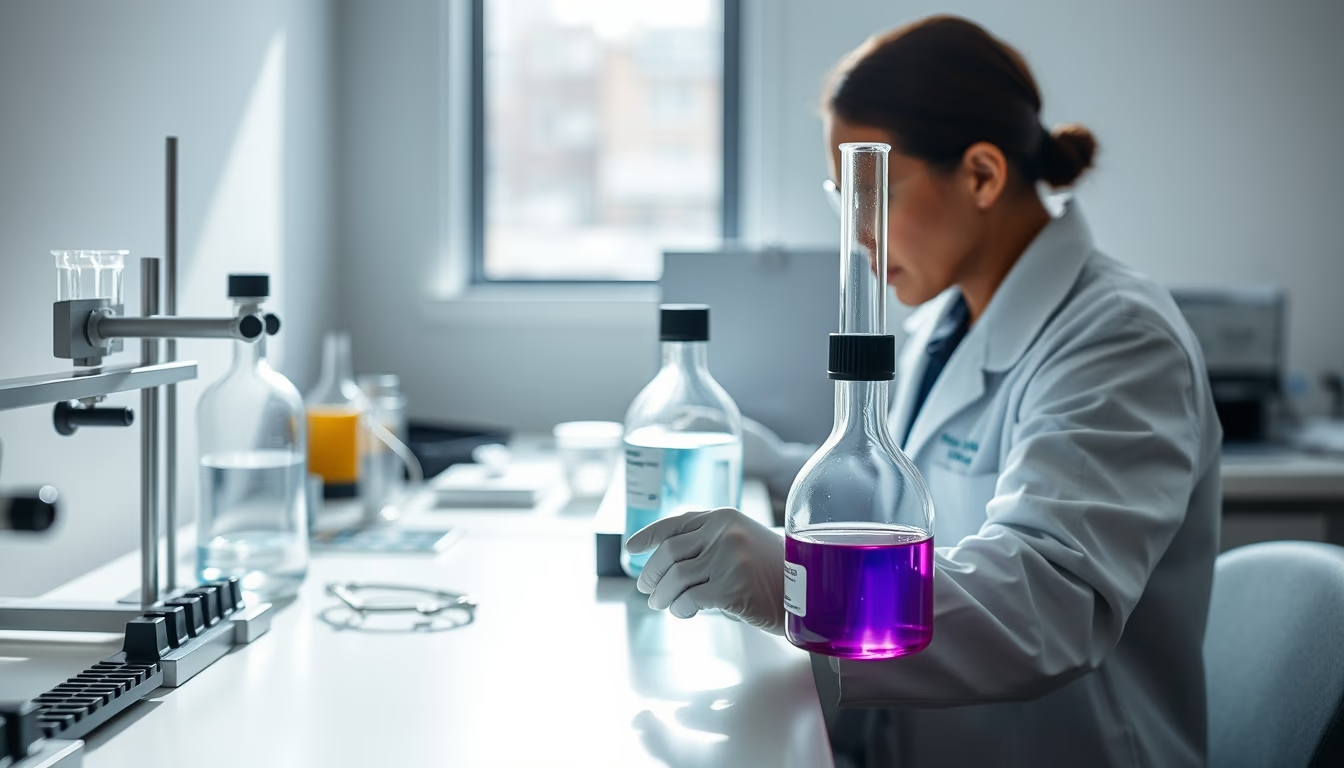
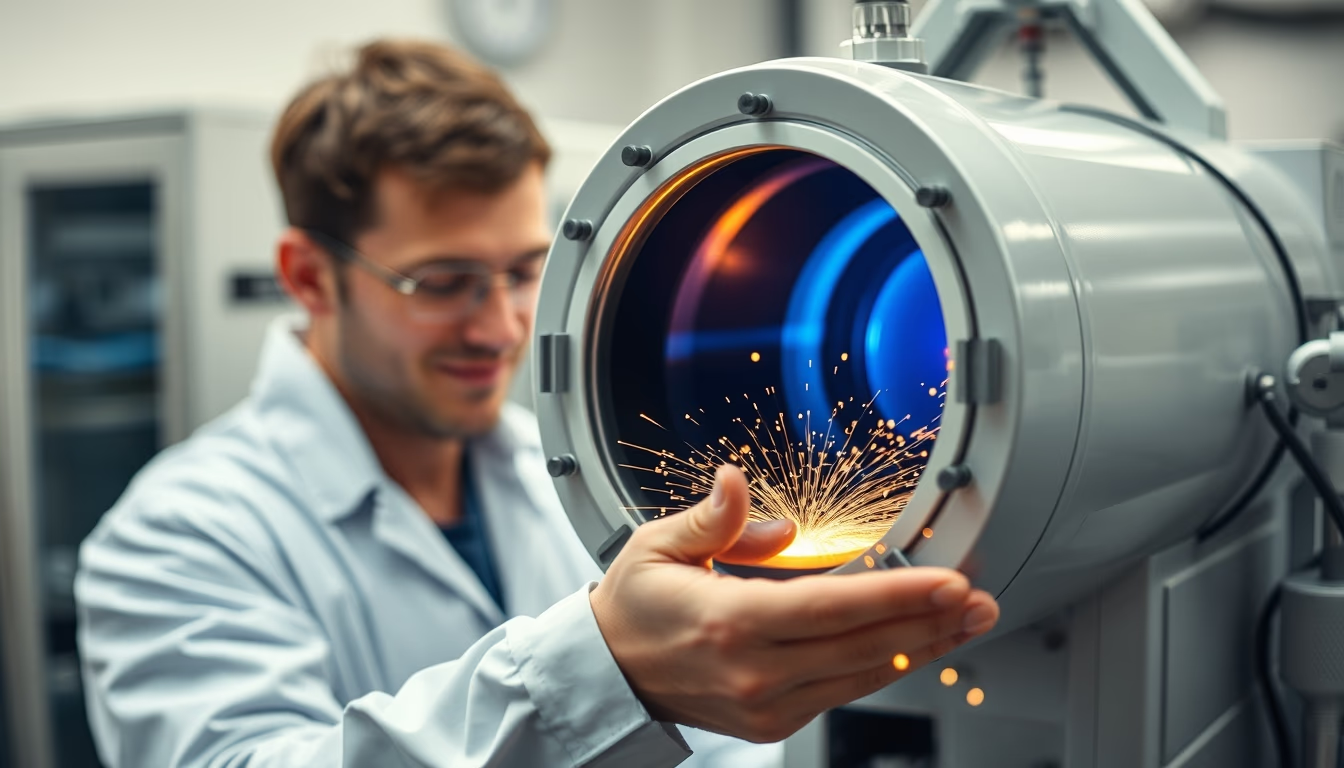
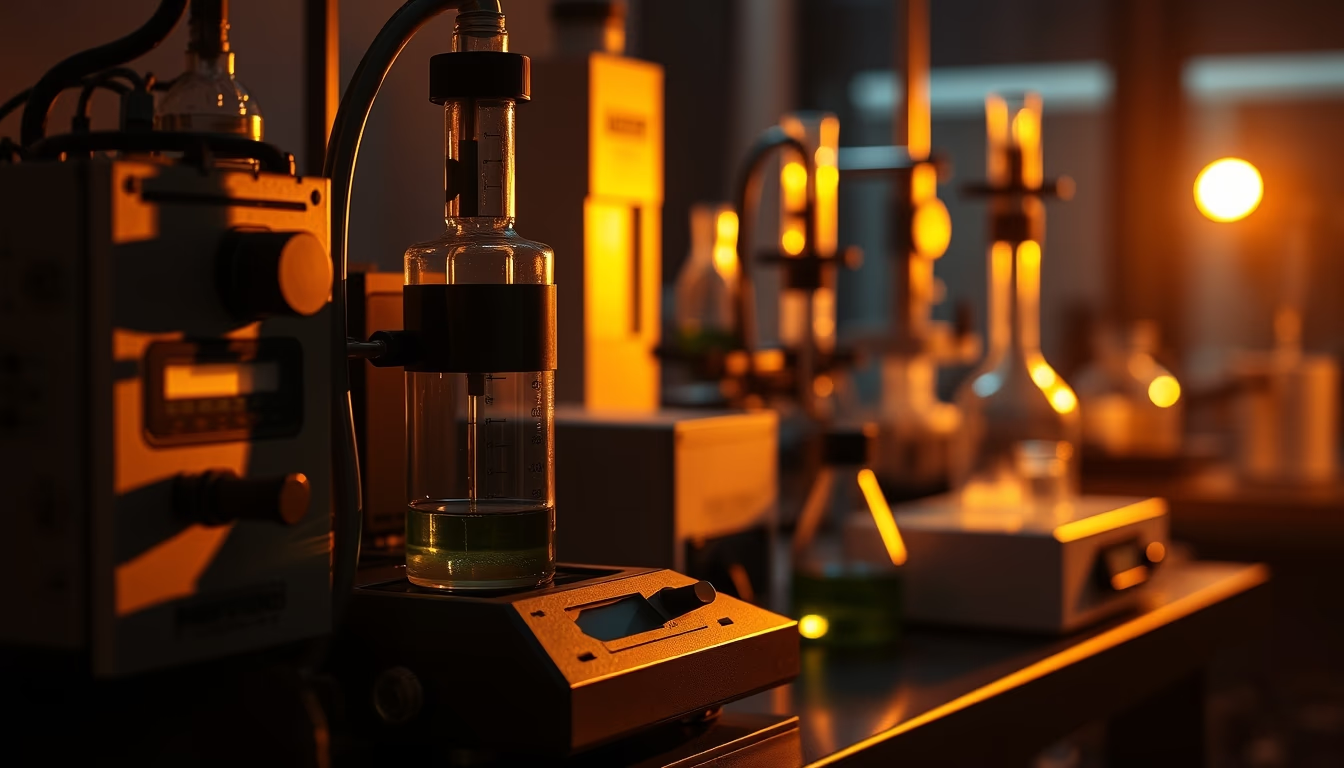
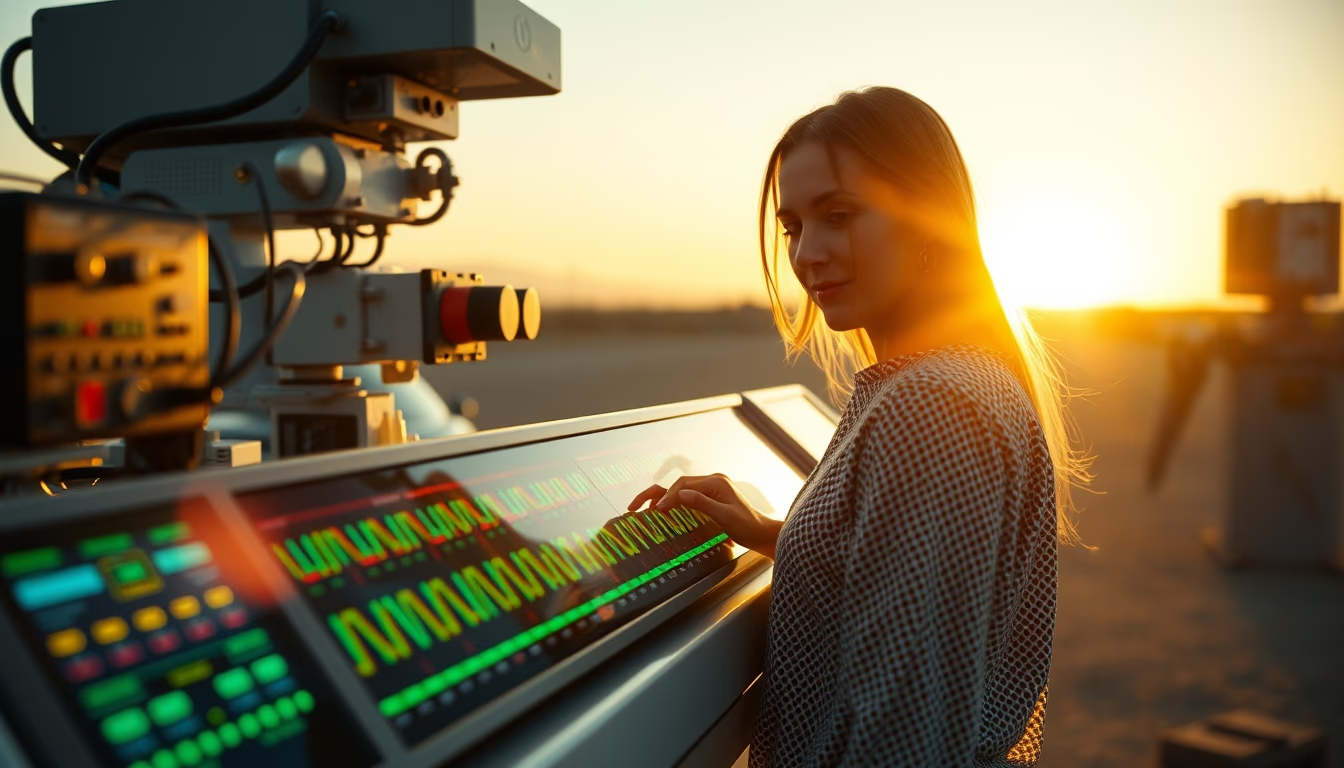
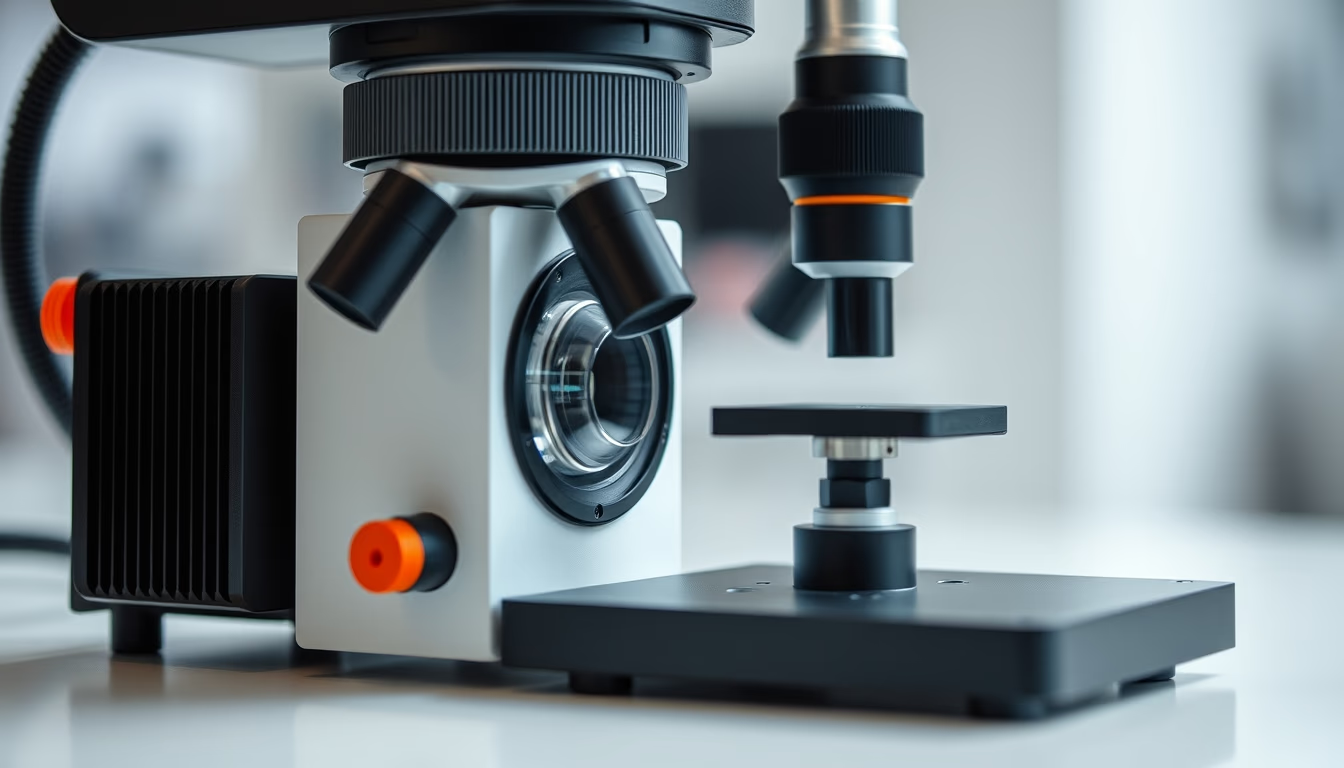
A gas chromatograph is an analytical instrument that separates and quantifies volatile compounds, essential in chemistry labs, quality control, and research.
About this subject
A gas chromatograph is a cornerstone instrument in analytical chemistry laboratories. Its operation relies on separating volatile or semi-volatile compounds using a gaseous mobile phase (typically helium, nitrogen, or hydrogen) and a stationary phase coating the column. The sample is injected, vaporized, and carried through the column, where components separate based on boiling point and affinity to the stationary phase, then detected sequentially. The technique was pioneered by James and Martin in 1952, a breakthrough that transformed chemical analysis.
Applications of gas chromatography span numerous fields. In the food industry, it analyzes flavors, aromas, and contaminants. The petrochemical sector uses it to assess fuel and oil composition. Environmental monitoring detects organic pollutants in air and water. Forensic science identifies drugs and toxins. In medicine, it aids in diagnosing metabolic disorders. The instrument's sensitivity can detect compounds at concentrations as low as parts per trillion.
A modern gas chromatograph comprises an injector, a capillary column (often tens of meters long), a temperature-controlled oven, and a detector such as a flame ionization detector (FID) or mass spectrometer (MS). The GC-MS coupling combines separation with mass identification, offering high specificity. Advances include process automation and micro-gas chromatography, which reduces analysis time. The technique is limited to volatile and thermally stable samples, but it remains one of the most reliable in analytical chemistry.
Frequently Asked Questions
What is a gas chromatograph used for?
It is used to separate, identify, and quantify volatile or semi-volatile chemical compounds in samples such as foods, fuels, biological fluids, and environmental samples.
How does a gas chromatograph work?
The sample is vaporized and carried by an inert gas (mobile phase) through a column coated with a stationary phase. Components separate based on volatility and interaction with the stationary phase, and are detected as they exit the column.
Who invented the gas chromatograph?
The modern gas chromatograph was developed by James and Martin in 1952, though principles of gas chromatography had been described earlier.
Direct URL
https://pub-c7d6a6ea828543ac903a74a341ccb2e1.r2.dev/imagens/gas-chromatograph-minimalist-composition-fresh3.avifHow to credit
Include a visible link back to UtilizAí. Copy one of the snippets below:
<a href="https://xn--utiliza-eza.com/en/midia/imagens/gas-chromatograph-minimalist-composition-fresh3">Gas chromatograph</a> by <a href="https://xn--utiliza-eza.com">UtilizAí</a>, licensed under <a href="https://creativecommons.org/licenses/by/4.0/">CC BY 4.0</a>.
[Gas chromatograph](https://xn--utiliza-eza.com/en/midia/imagens/gas-chromatograph-minimalist-composition-fresh3) by [UtilizAí](https://xn--utiliza-eza.com), CC BY 4.0
License: CC-BY-4.0