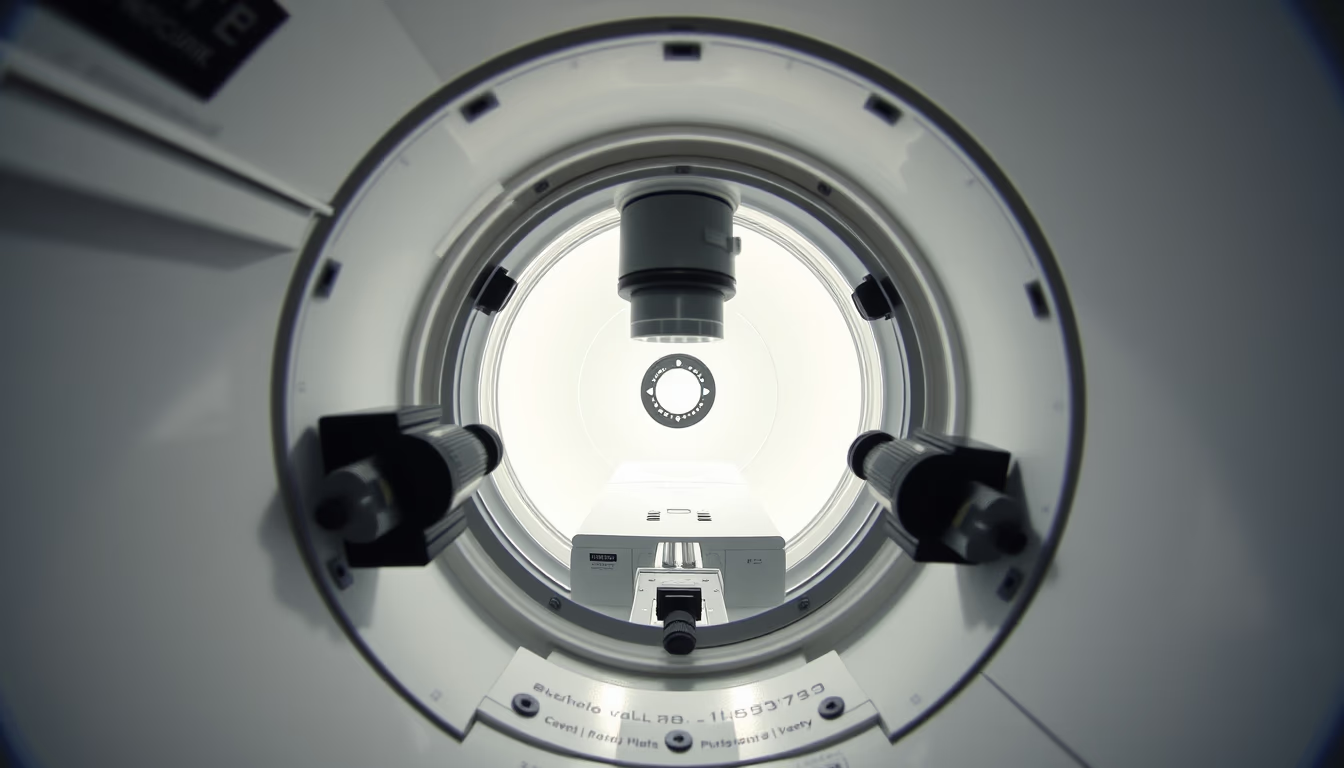
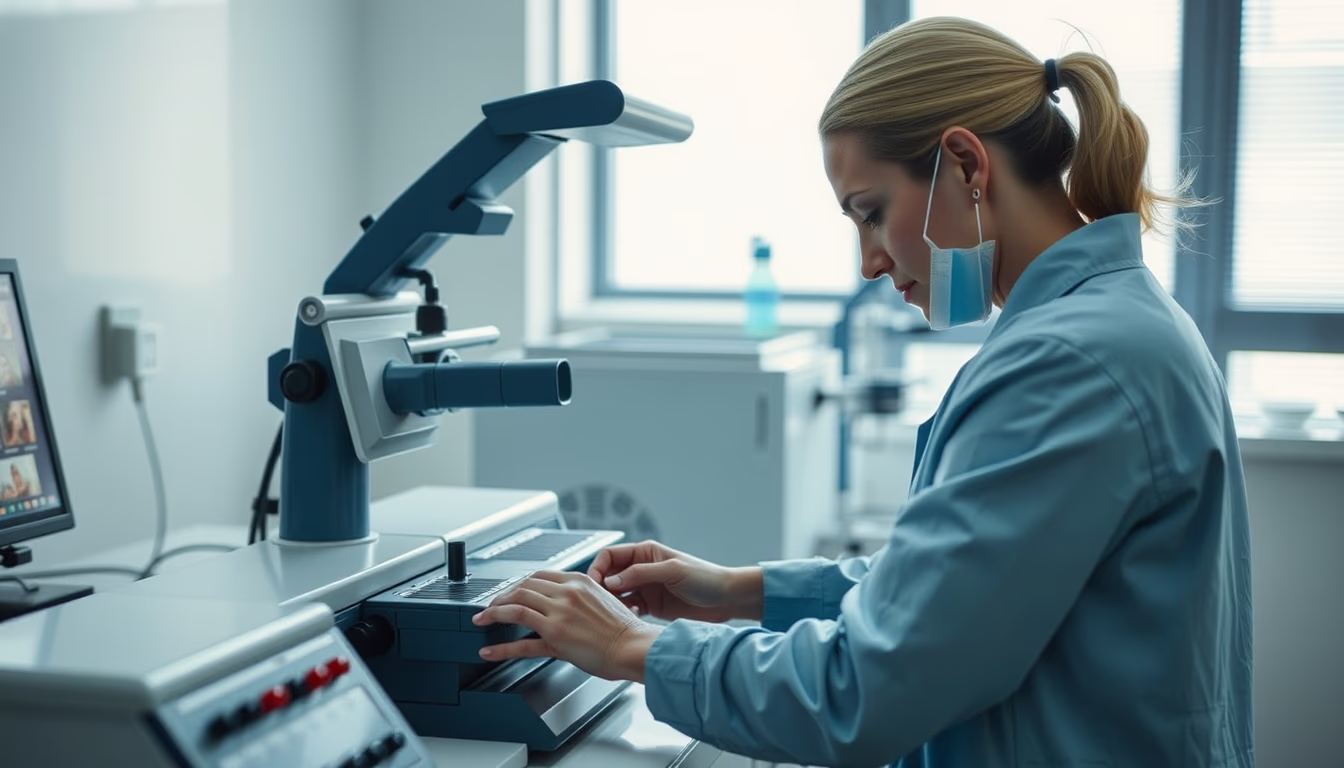
Gas chromatograph
1344×768 · AVIF · CC BY 4.0
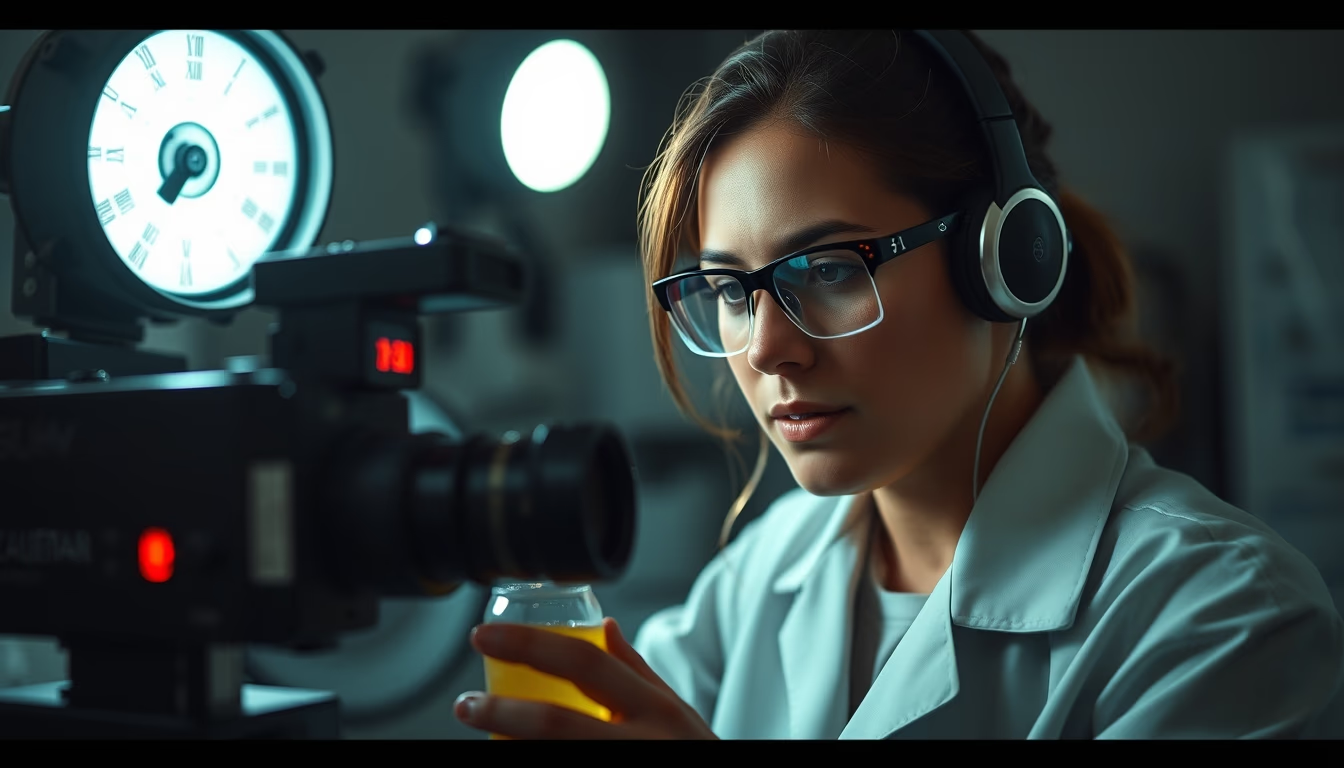
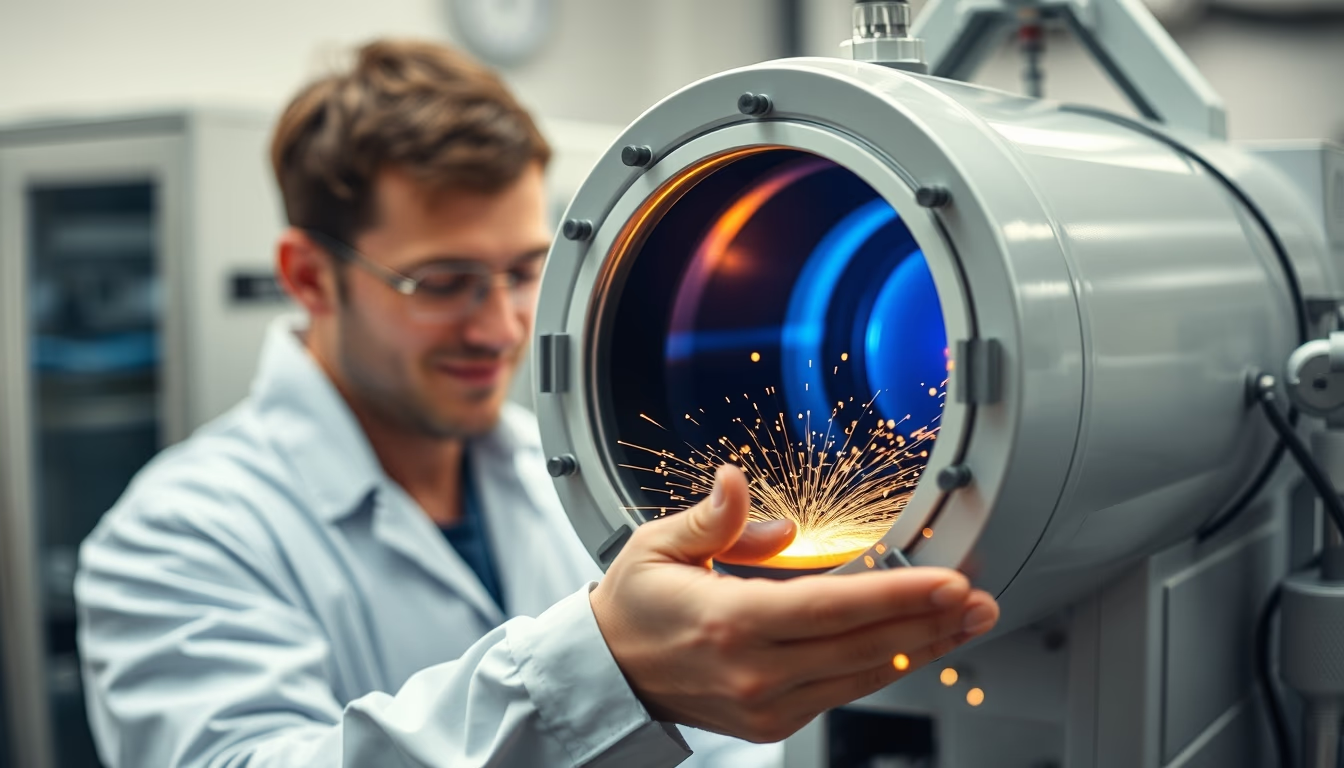
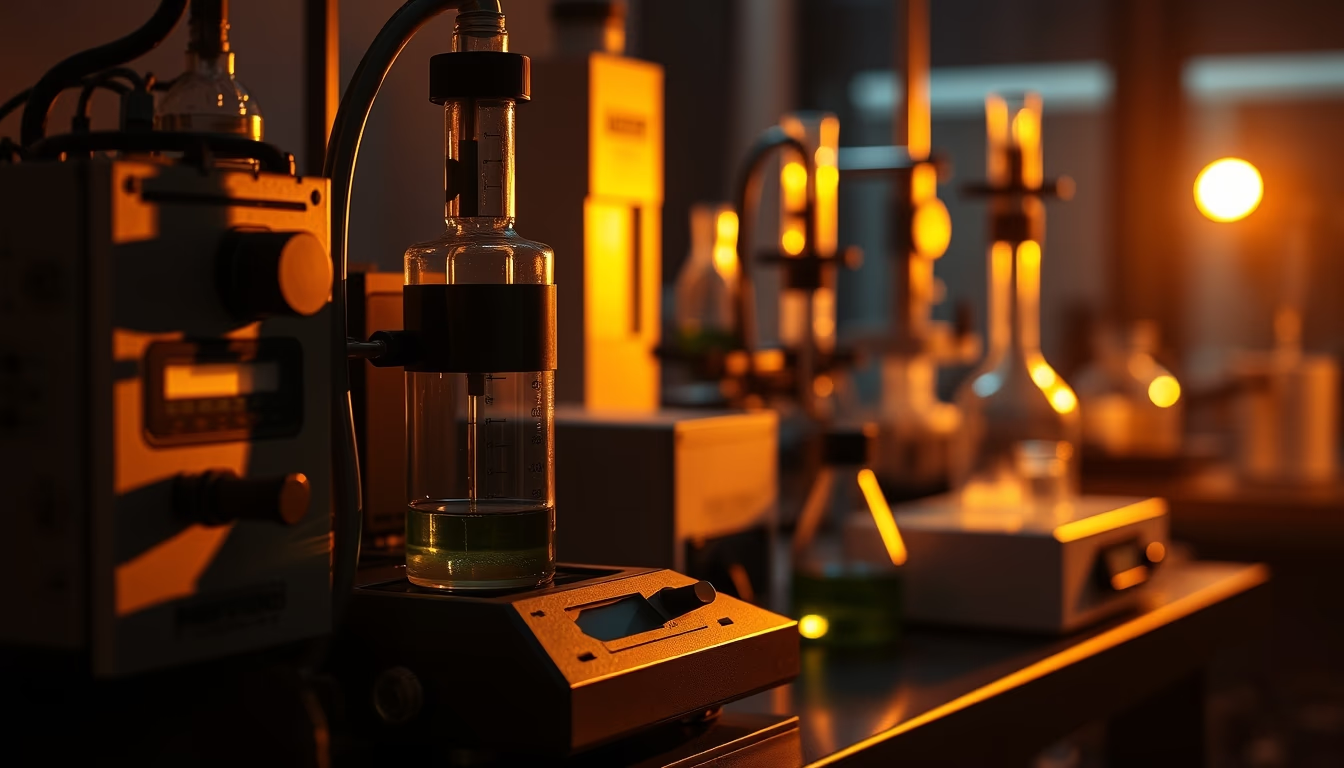
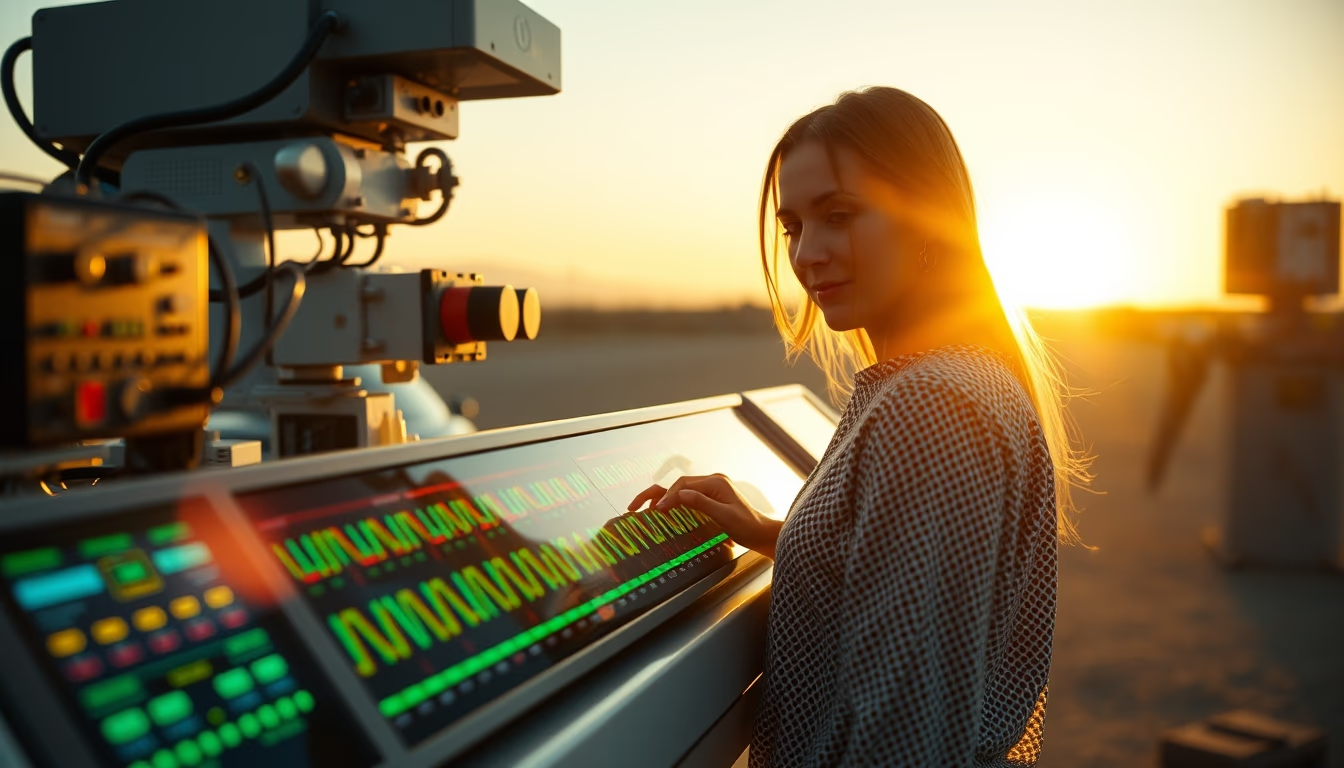
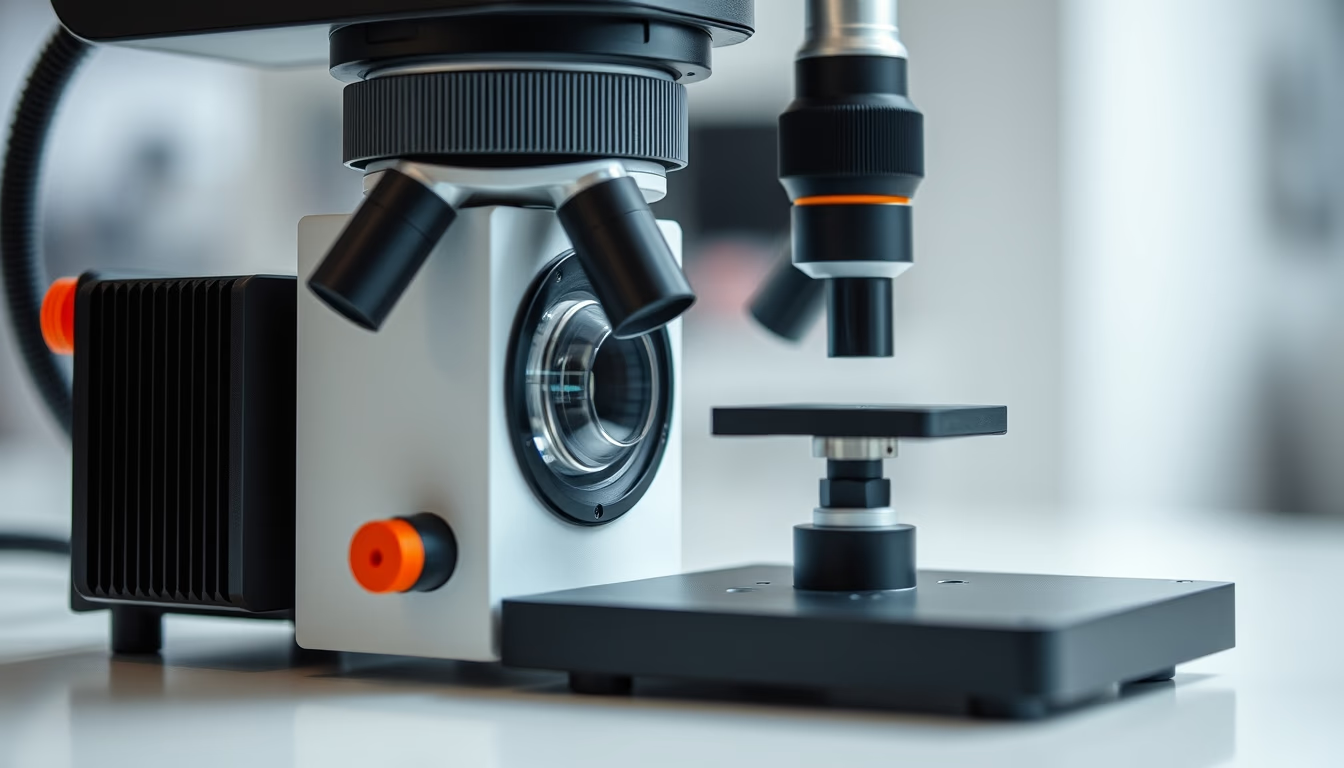
A gas chromatograph separates volatile compounds in a chemical mixture using a capillary column. Essential in chemistry labs, quality control, and research.
About this subject
A gas chromatograph is an analytical instrument used to separate and identify components of volatile mixtures. The principle relies on the partition of analytes between a mobile gas phase (carrier gas, such as helium or nitrogen) and a stationary phase (liquid or solid) coated on the inner wall of a capillary column. As the sample is injected and heated, compounds elute at different times (retention time), characteristic of each substance.
The instrument consists of an injector, thermostated oven, column, and detector. Common detectors include flame ionization (FID), thermal conductivity (TCD), and mass spectrometry (GC-MS), which enables structural identification. Gas chromatography is widely used in petrochemical, pharmaceutical, environmental, and food industries for purity control, contaminant analysis, and composition determination.
A notable fact is that the technique was developed in the 1950s by James and Martin, who received the Nobel Prize in Chemistry in 1952 for their contributions to chromatography. Since then, it has become the gold standard for quantitative analysis of volatile and semi-volatile organic compounds. Accuracy and reproducibility depend on careful calibration and proper selection of column and operating conditions.
Frequently Asked Questions
What is the difference between gas chromatograph and liquid chromatograph?
Gas chromatography separates volatile compounds with a gaseous mobile phase, while liquid chromatography (HPLC) uses liquid solvents to analyze non-volatile or thermolabile substances.
What samples can be analyzed on a gas chromatograph?
Samples that vaporize without decomposing, such as fuels, solvents, fragrances, pesticides, and environmental contaminants, in gas or liquid form.
How to choose the ideal capillary column for an analysis?
Selection depends on the polarity of the analytes and temperature range. Nonpolar columns (e.g., DB-1) separate hydrocarbons; polar columns (e.g., Carbowax) are better for oxygenated compounds.
Direct URL
https://pub-c7d6a6ea828543ac903a74a341ccb2e1.r2.dev/imagens/gas-chromatograph-lo-fi-disposable-camera-fresh11.avifHow to credit
Include a visible link back to UtilizAí. Copy one of the snippets below:
<a href="https://xn--utiliza-eza.com/en/midia/imagens/gas-chromatograph-lo-fi-disposable-camera-fresh11">Gas chromatograph</a> by <a href="https://xn--utiliza-eza.com">UtilizAí</a>, licensed under <a href="https://creativecommons.org/licenses/by/4.0/">CC BY 4.0</a>.
[Gas chromatograph](https://xn--utiliza-eza.com/en/midia/imagens/gas-chromatograph-lo-fi-disposable-camera-fresh11) by [UtilizAí](https://xn--utiliza-eza.com), CC BY 4.0
License: CC-BY-4.0