Gas chromatograph
1344×768 · AVIF · CC BY 4.0
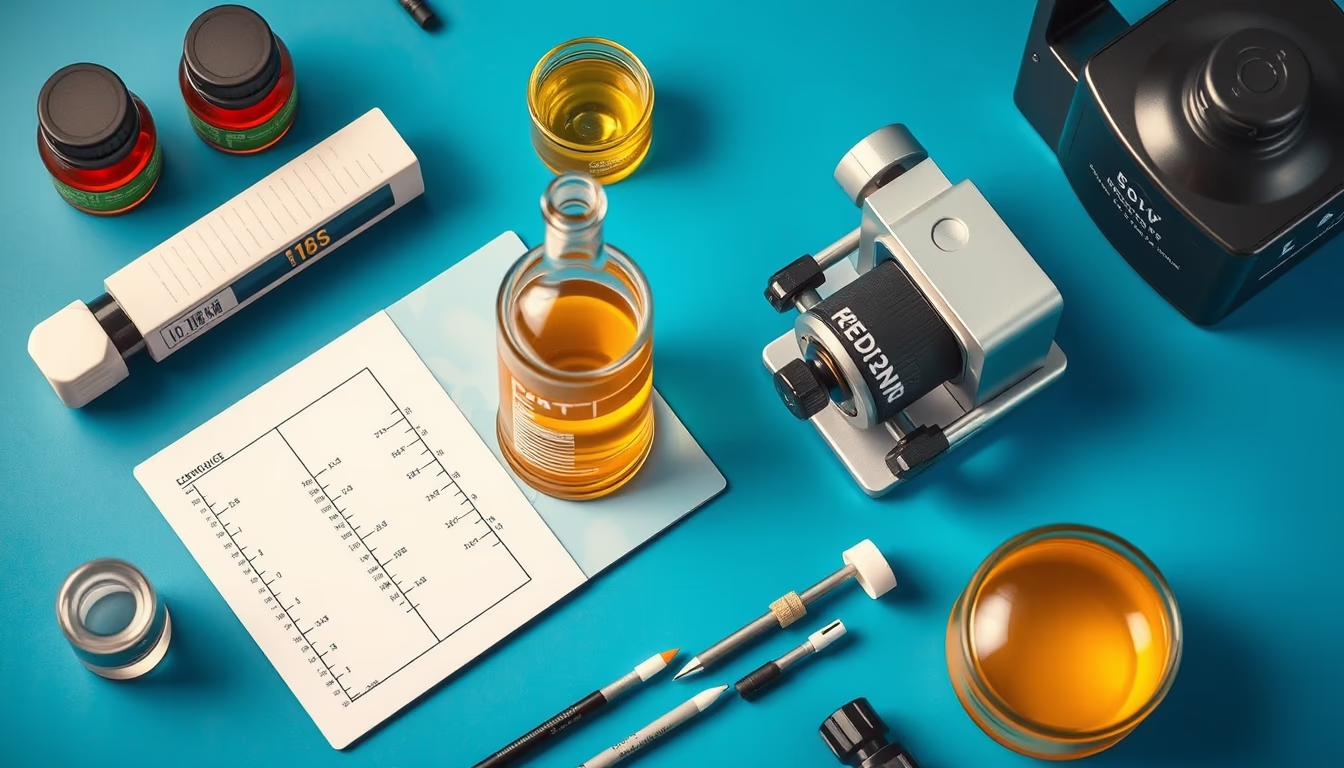
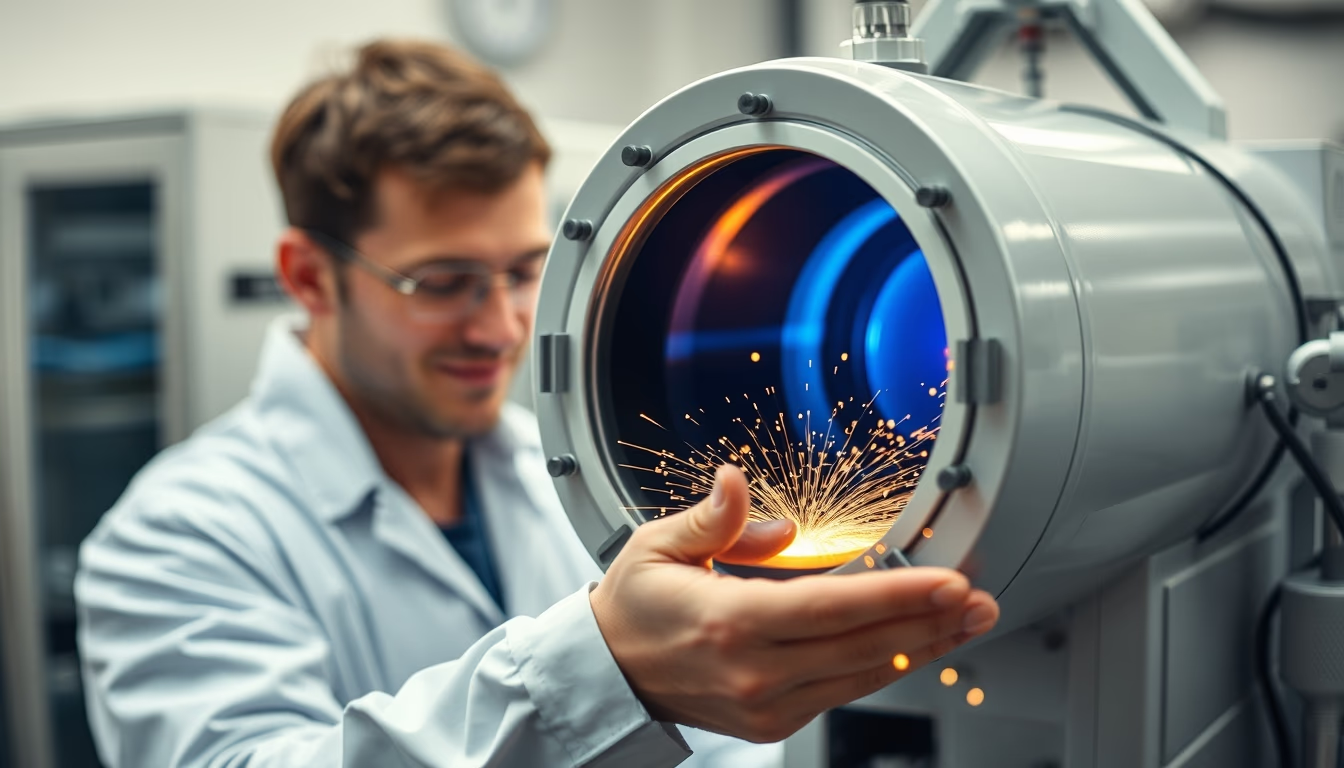
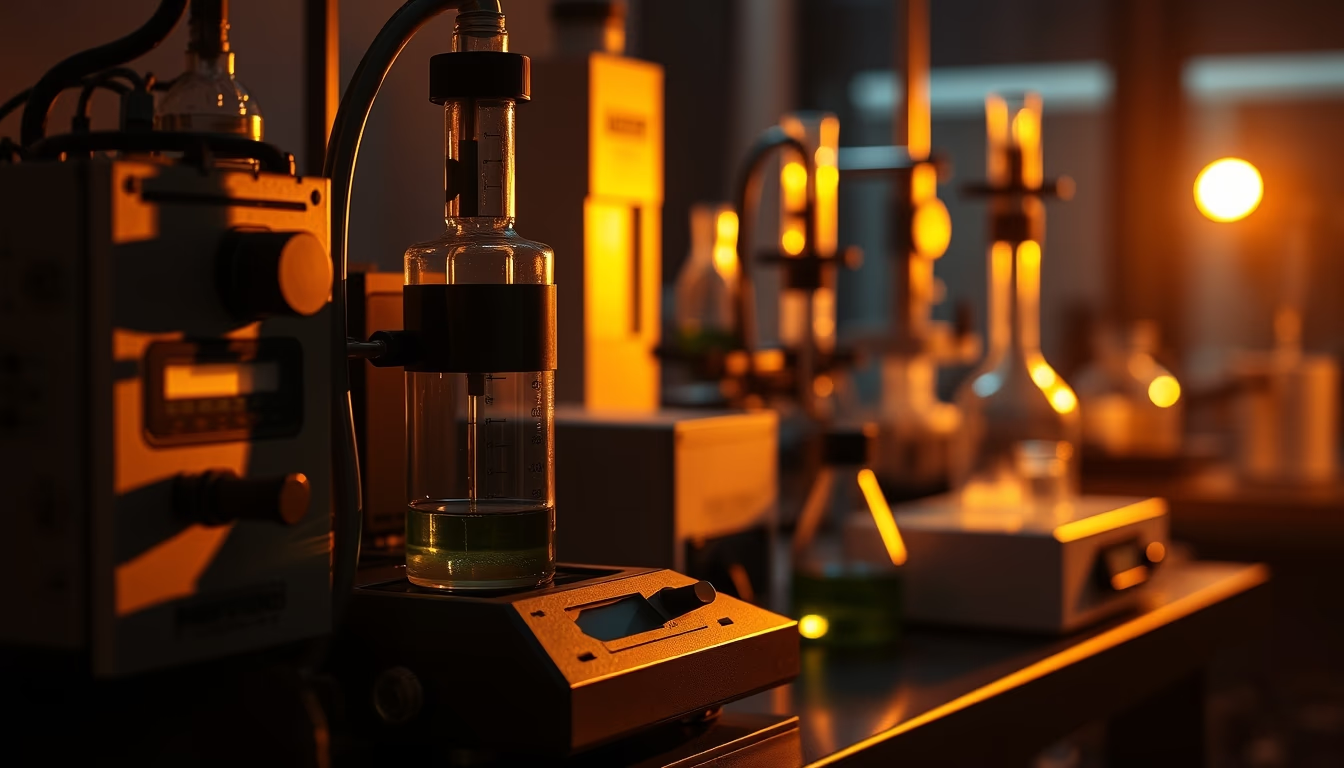
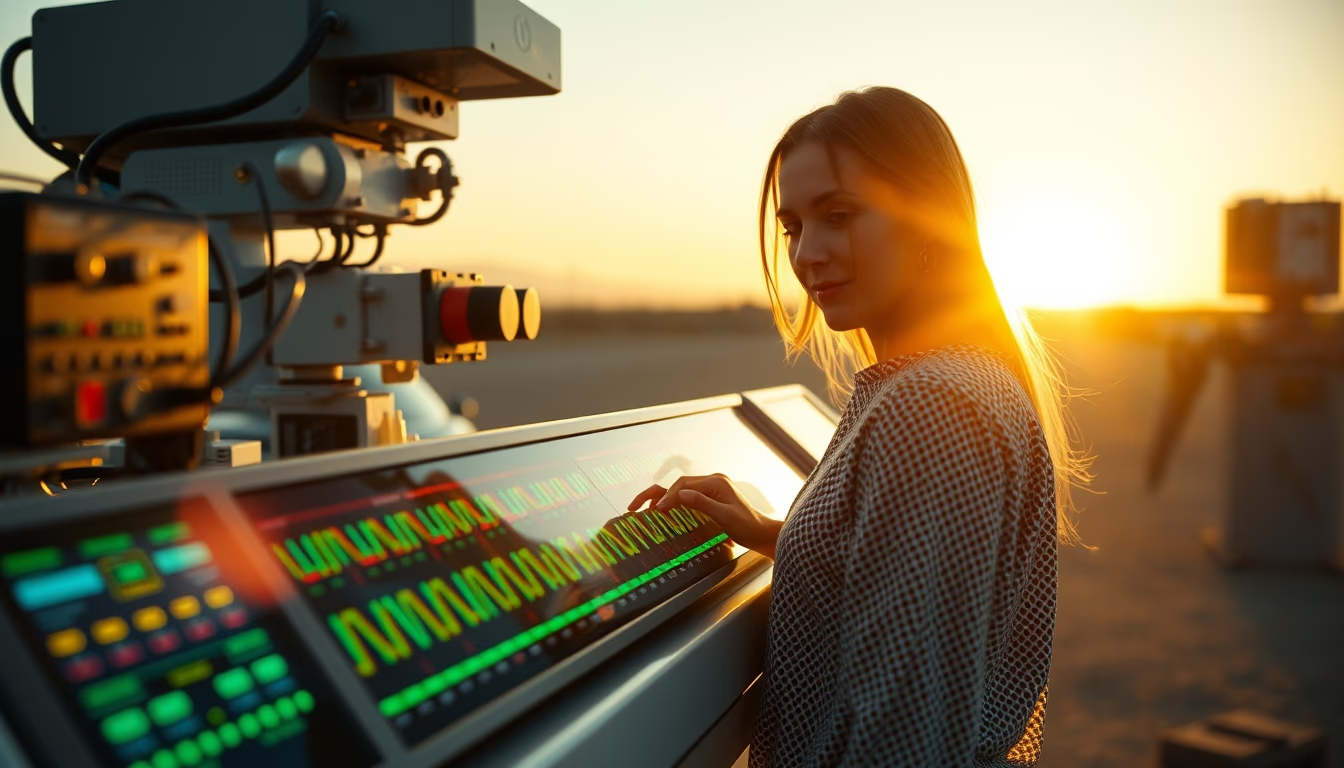
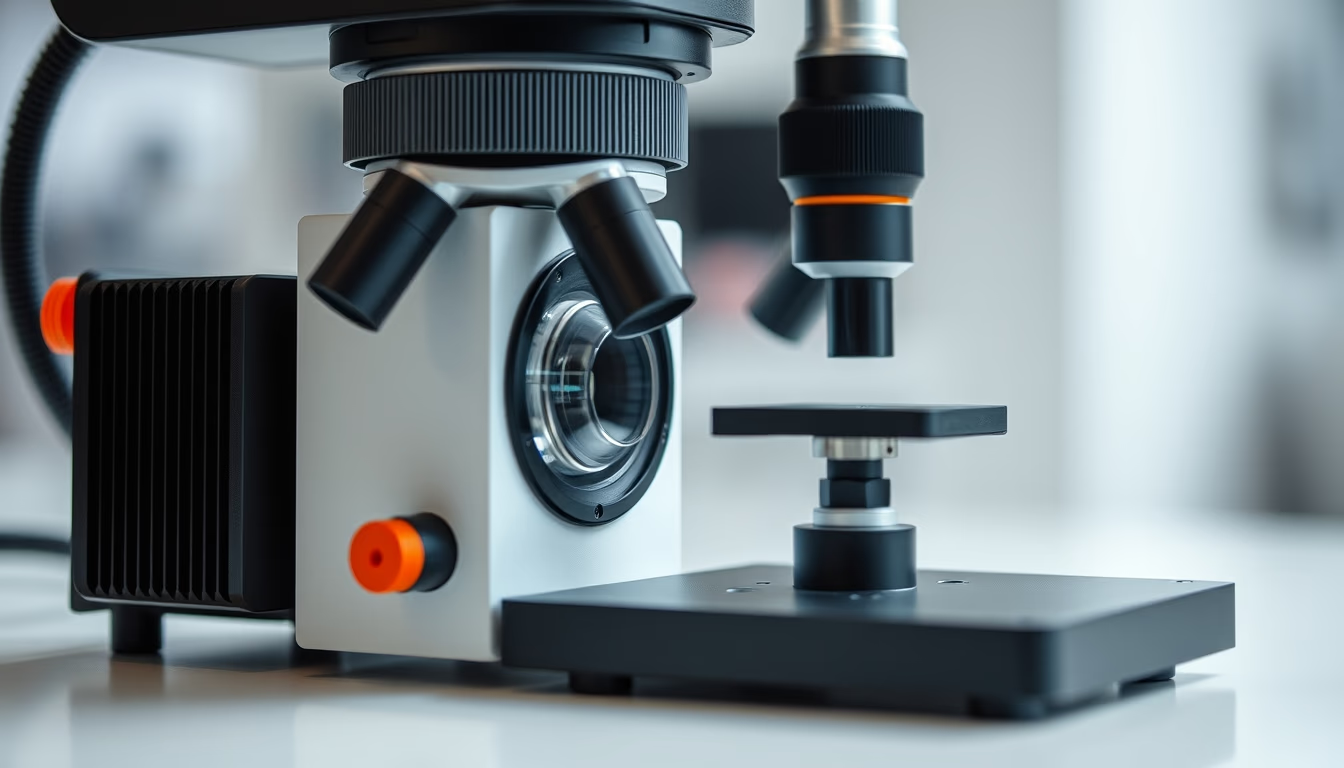
Gas chromatograph is an analytical instrument that separates and quantifies volatile components in mixtures, used in chemistry, pharmacology, and quality control.
About this subject
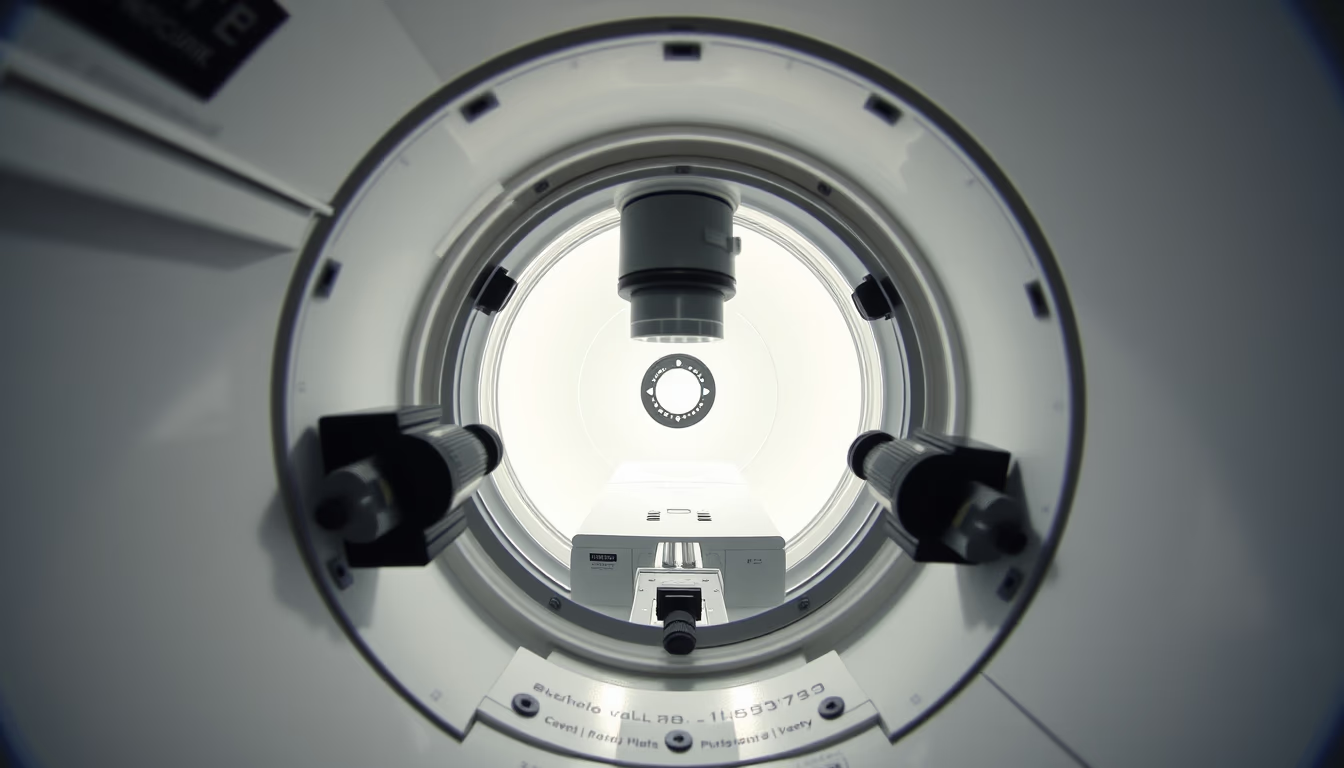
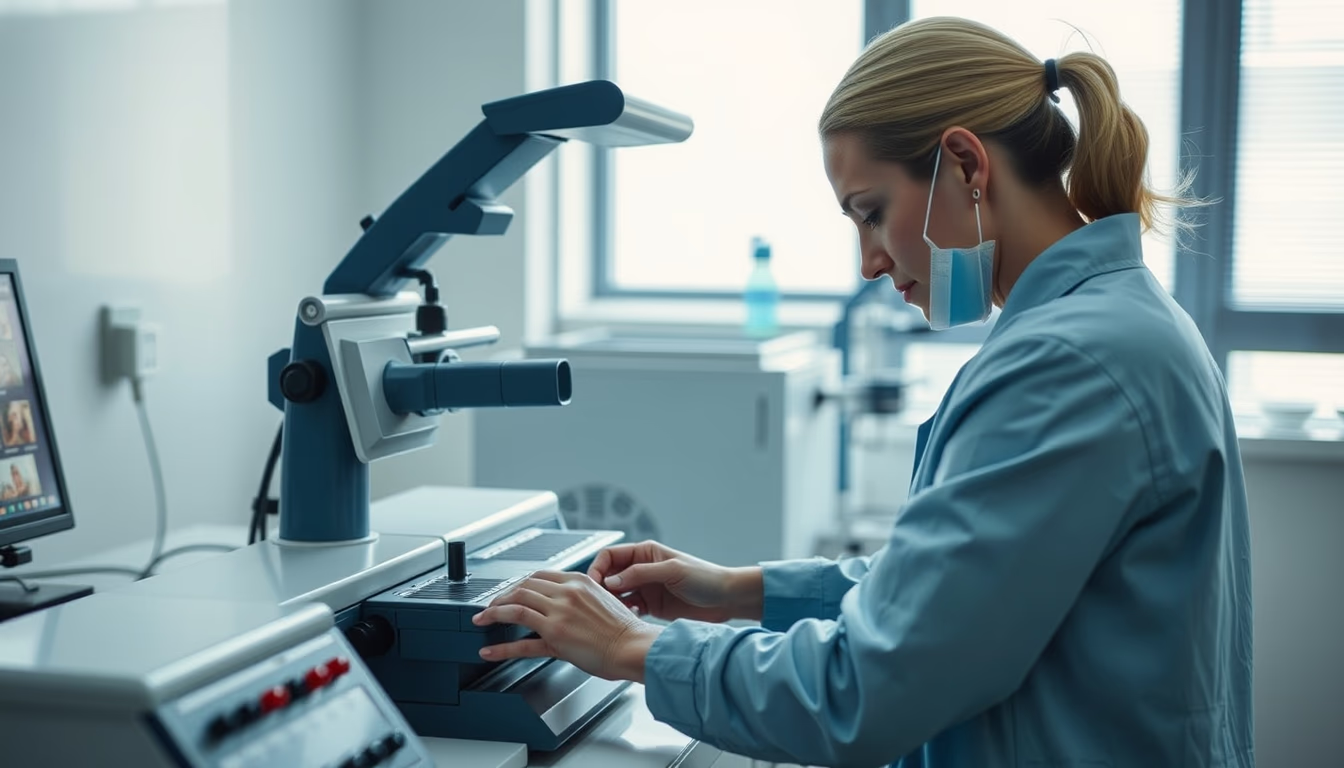
A gas chromatograph operates on the principle of gas chromatography, a technique that separates volatile compounds using a stationary phase (column) and a mobile gas phase (carrier gas). Developed by Archer Martin and Richard Synge in the 1940s, the method revolutionized chemical analysis by enabling precise separation of complex mixtures. The instrument consists of an injector, a capillary column inside a temperature-controlled oven, and a detector. Common detectors include the flame ionization detector (FID) and thermal conductivity detector (TCD), while coupling with mass spectrometry (GC-MS) provides structural information and higher sensitivity.
Applications of gas chromatography are extensive. In the petrochemical industry, it determines the composition of fuels and solvents. Environmental analysis uses it to detect volatile organic compounds (VOCs) in air and water. Forensic science identifies drugs of abuse and alcohol in blood. The food and beverage sector controls aromas, flavors, and contaminants. The technique is standardized by norms such as ASTM and ISO, ensuring reliable results across laboratories.
The analytical process begins with injection of the liquid or gas sample into the heated injector, where it is instantaneously vaporized. The carrier gas (helium, nitrogen, or hydrogen) transports the vaporized sample through the column, whose temperature is programmed to optimize separation. Compounds interact differentially with the stationary phase, resulting in distinct retention times that produce a chromatogram with characteristic peaks. The area under each peak is proportional to the compound's quantity.
Interestingly, the first commercial gas chromatograph was launched in 1955 by PerkinElmer. Since then, the technique has evolved to incorporate technologies such as microfluidics and high-efficiency capillary columns. In sports medicine, GC-MS is the gold standard for detecting prohibited substances due to its ability to identify trace metabolites. Compact, portable instruments now allow on-site analysis, expanding its use for real-time quality control.
Frequently Asked Questions
How does a gas chromatograph work?
The sample is vaporized and carried by a carrier gas through a capillary column. Components interact with the stationary phase and elute at different times, producing peaks in the chromatogram.
What are the main applications of gas chromatography?
Analysis of volatile compounds in petrochemicals, environmental monitoring, food and beverages, forensic science, and quality control testing.
What is the difference between GC and GC-MS?
GC separates compounds; GC-MS combines separation with mass spectrometry, allowing structural identification and higher sensitivity.
Direct URL
https://pub-c7d6a6ea828543ac903a74a341ccb2e1.r2.dev/imagens/gas-chromatograph-isometric-flat-lay-fresh14.avifHow to credit
Include a visible link back to UtilizAí. Copy one of the snippets below:
<a href="https://xn--utiliza-eza.com/en/midia/imagens/gas-chromatograph-isometric-flat-lay-fresh14">Gas chromatograph</a> by <a href="https://xn--utiliza-eza.com">UtilizAí</a>, licensed under <a href="https://creativecommons.org/licenses/by/4.0/">CC BY 4.0</a>.
[Gas chromatograph](https://xn--utiliza-eza.com/en/midia/imagens/gas-chromatograph-isometric-flat-lay-fresh14) by [UtilizAí](https://xn--utiliza-eza.com), CC BY 4.0
License: CC-BY-4.0