Gas chromatograph
1344×768 · AVIF · CC BY 4.0

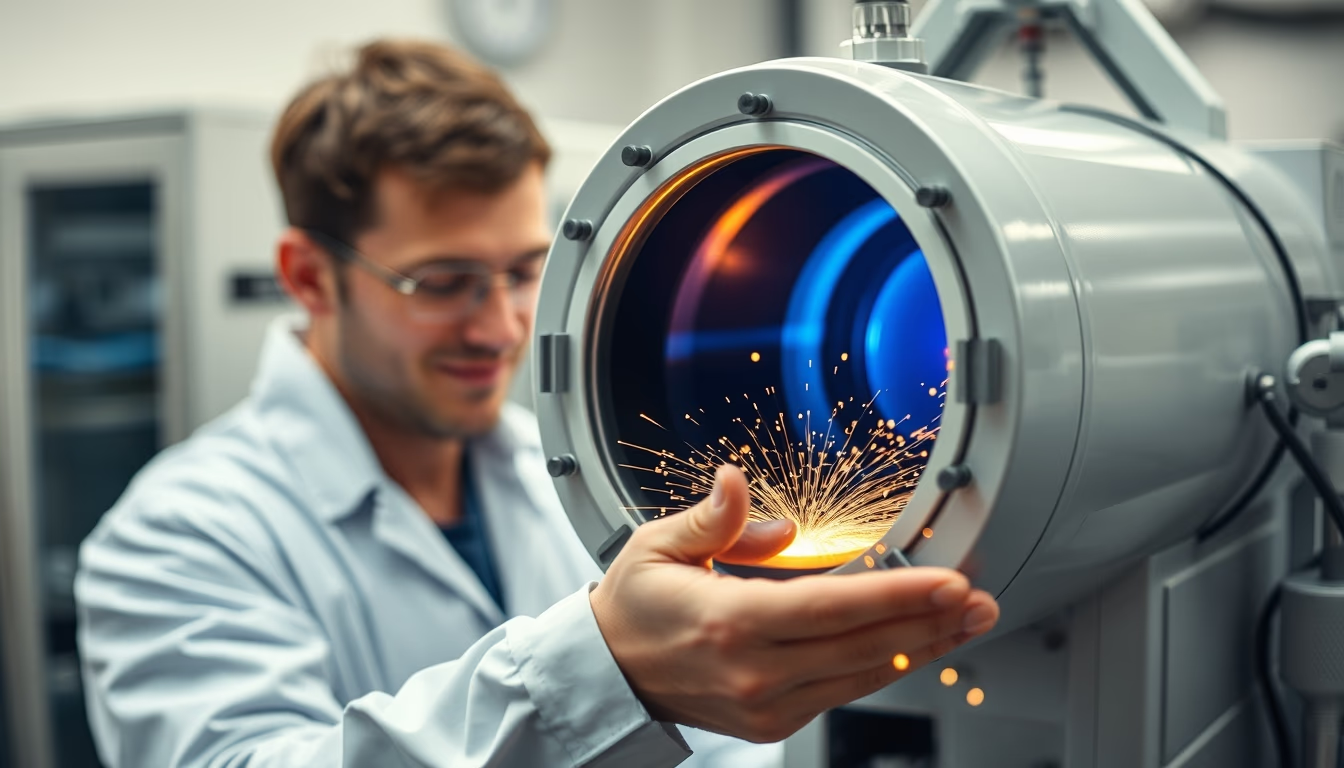
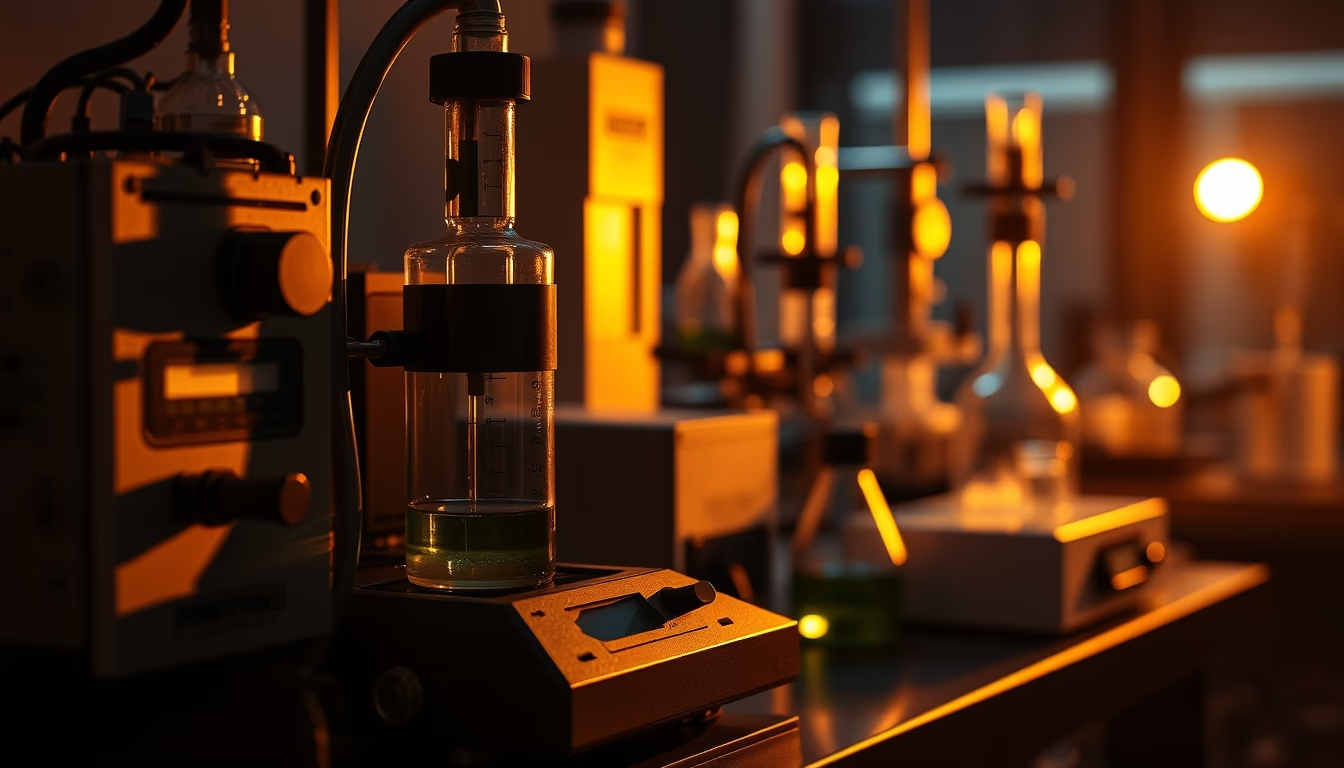
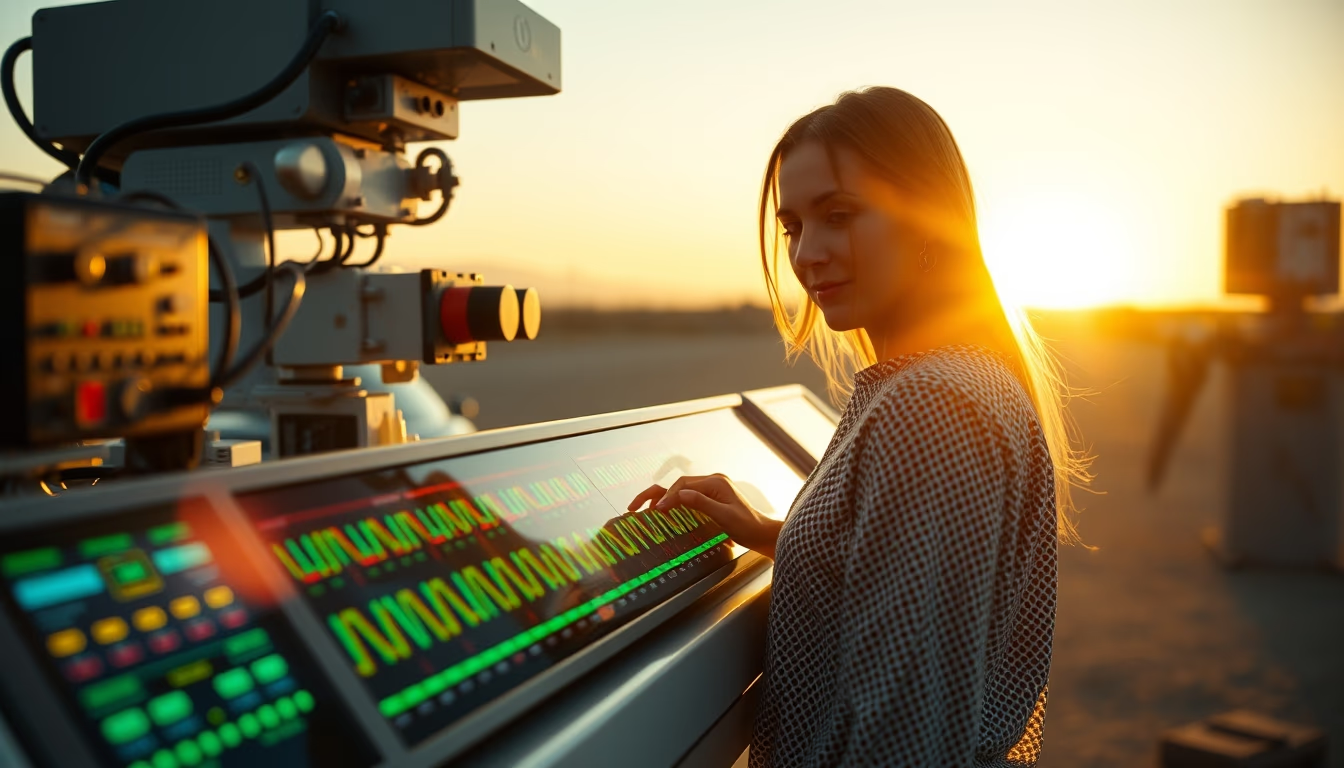
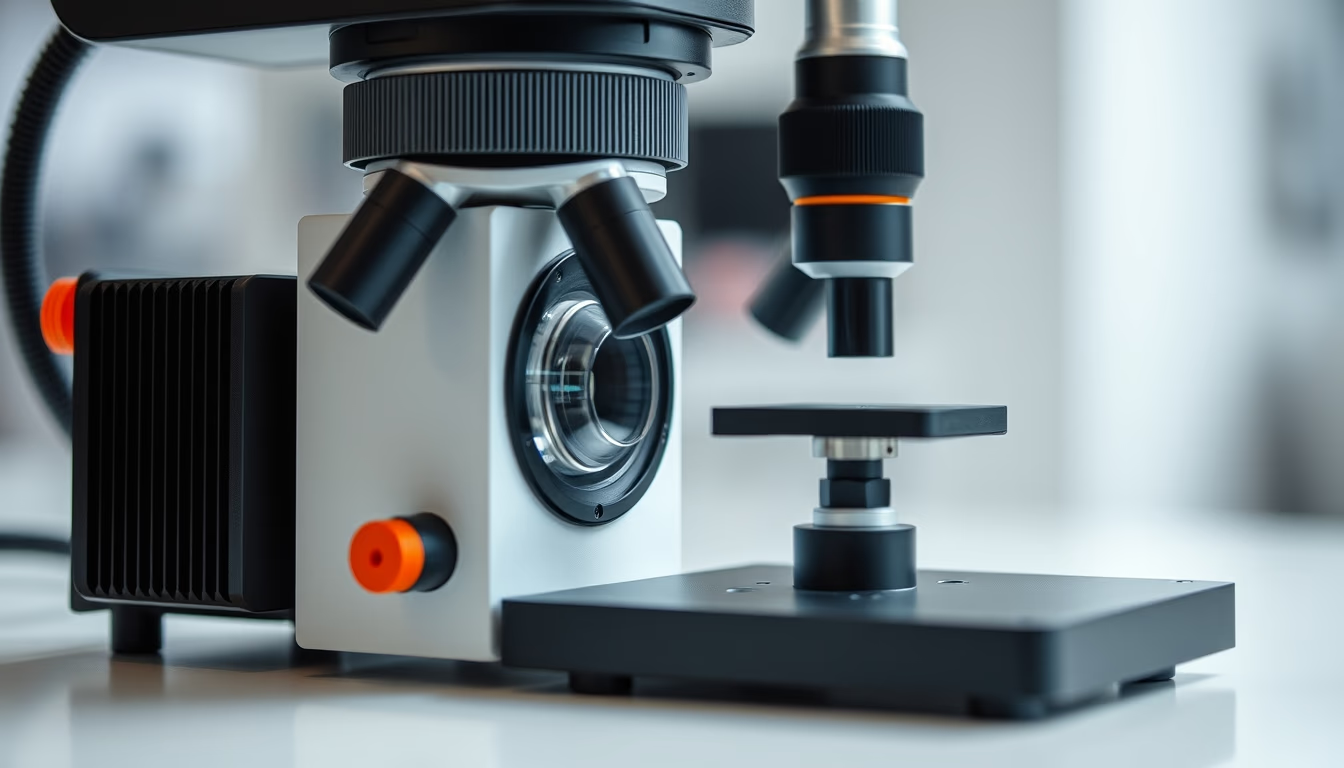
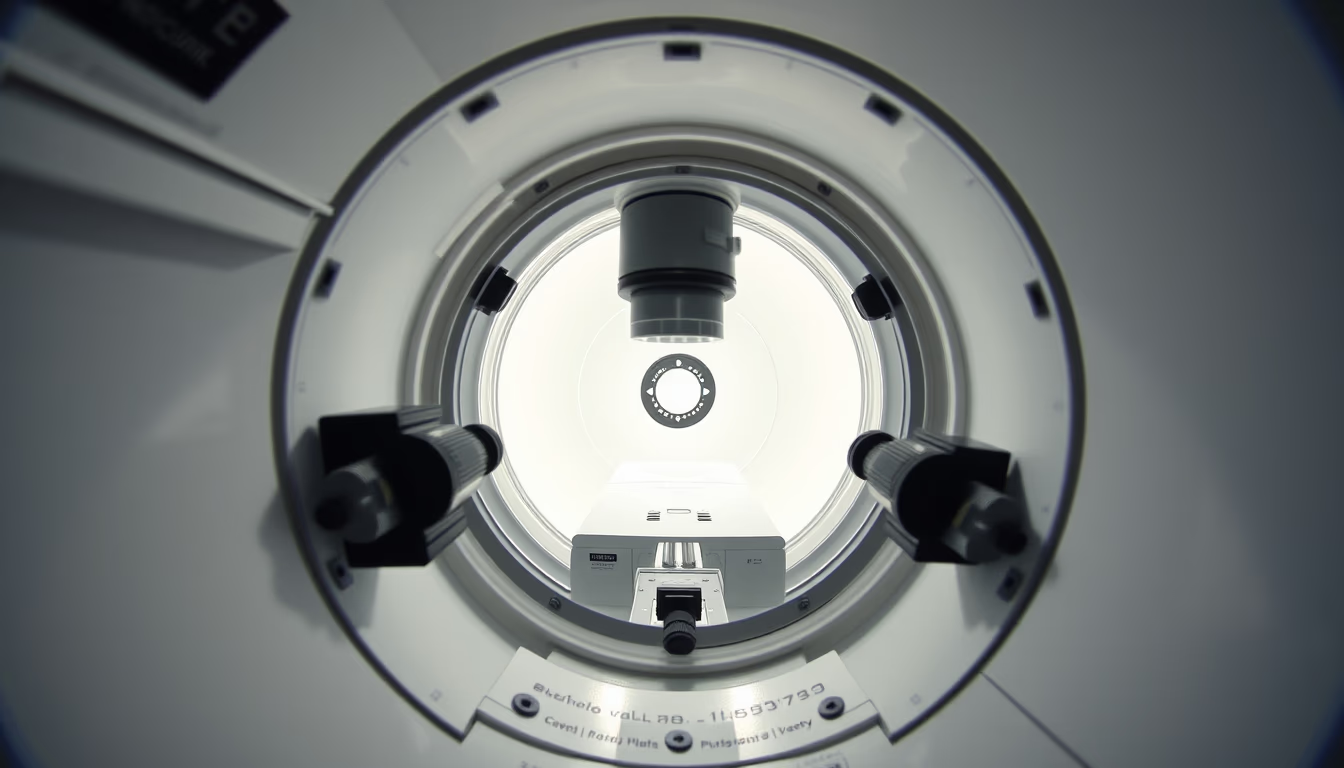
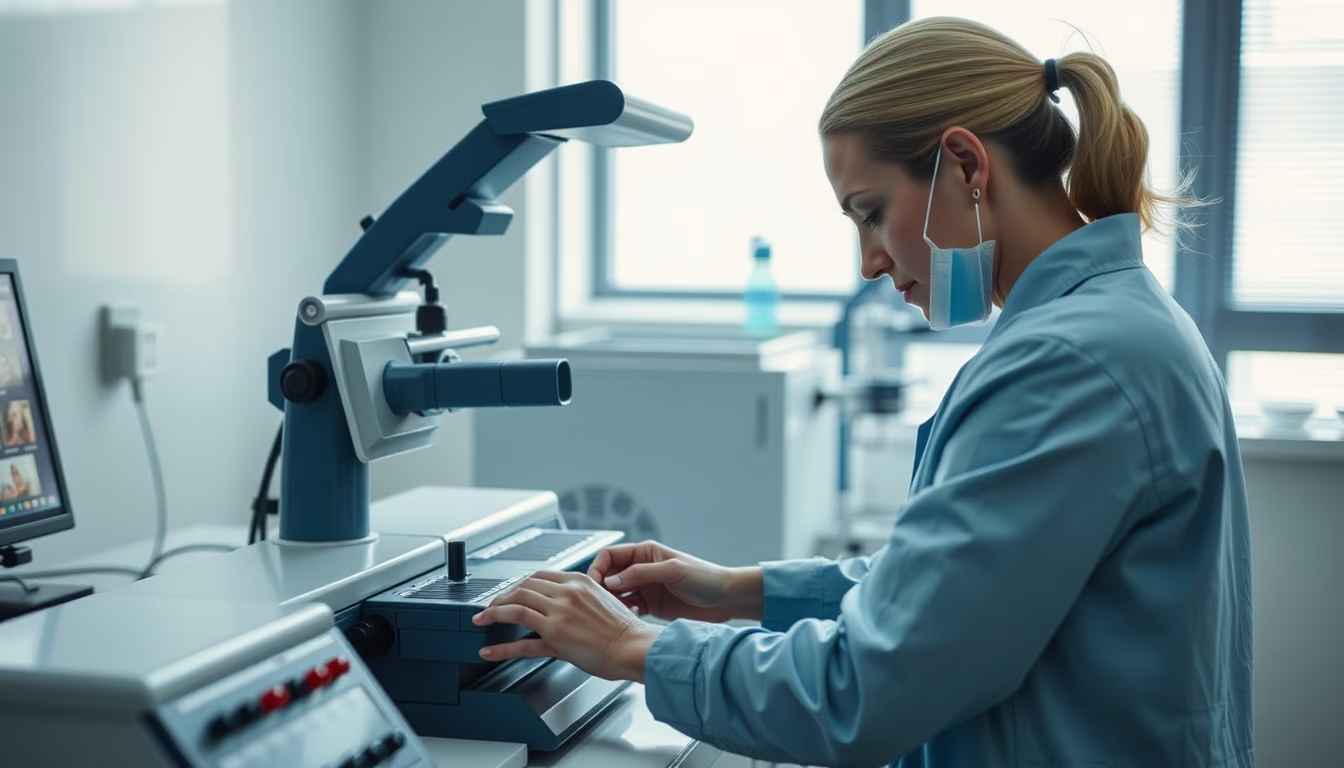
A gas chromatograph is an analytical instrument that separates and identifies volatile compounds in complex mixtures, essential in chemistry labs and quality control.
About this subject
A gas chromatograph (GC) is a fundamental tool in analytical chemistry for separating and quantifying the components of a volatile sample. The principle relies on the differential partitioning of analytes between a gaseous mobile phase (typically helium, nitrogen, or hydrogen) and a liquid or solid stationary phase inside a capillary column. The sample is injected and vaporized, then carried by the carrier gas through the column, where compounds interact distinctly with the stationary phase, resulting in characteristic retention times for each substance.
Developed in the 1950s by researchers such as A.J.P. Martin and A.T. James, GC revolutionized the analysis of petroleum, polymers, food, and pharmaceuticals. The technique is extremely sensitive, capable of detecting concentrations as low as parts per billion (ppb). Modern columns range from 10 to 100 meters in length with internal diameters under 0.5 mm, coated with thin films of polymers like polydimethylsiloxane. Common detectors include the flame ionization detector (FID) and mass spectrometer (GC-MS), the latter allowing structural identification of compounds.
In Brazil, GC is widely used in universities and industries. For example, Petrobras employs gas chromatography to characterize petroleum fractions and biofuels. In food science, it verifies the composition of essential oils, such as orange or eucalyptus oil, ensuring authenticity and purity. Additionally, environmental labs monitor atmospheric pollutants like benzene and polycyclic aromatic hydrocarbons using GC.
A curious fact: gas chromatography also has forensic applications. In arson cases, residues of accelerants such as gasoline or kerosene are analyzed. Another unusual use is breath analysis to detect metabolic diseases, as certain volatile compounds in breath can indicate conditions like diabetes or liver failure. The equipment requires careful calibration with certified standards and periodic maintenance, including septum replacement and injector cleaning.
Frequently Asked Questions
What is the purpose of a gas chromatograph?
It separates and quantifies volatile components of a sample, used in petroleum, food, pharmaceutical, and environmental analysis to identify substances at very low concentrations.
What is the difference between gas and liquid chromatography?
In gas chromatography the mobile phase is an inert gas, suitable for volatile and thermally stable compounds. Liquid chromatography (HPLC) uses liquid solvents for non-volatile or thermally sensitive molecules.
How does mass spectrometry detection coupled with GC work?
GC-MS combines chromatographic separation with mass identification. Compounds eluting from the column are ionized and fragmented, producing unique mass spectra that act as molecular fingerprints.
Direct URL
https://pub-c7d6a6ea828543ac903a74a341ccb2e1.r2.dev/imagens/gas-chromatograph-high-fashion-editorial-fresh8.avifHow to credit
Include a visible link back to UtilizAí. Copy one of the snippets below:
<a href="https://xn--utiliza-eza.com/en/midia/imagens/gas-chromatograph-high-fashion-editorial-fresh8">Gas chromatograph</a> by <a href="https://xn--utiliza-eza.com">UtilizAí</a>, licensed under <a href="https://creativecommons.org/licenses/by/4.0/">CC BY 4.0</a>.
[Gas chromatograph](https://xn--utiliza-eza.com/en/midia/imagens/gas-chromatograph-high-fashion-editorial-fresh8) by [UtilizAí](https://xn--utiliza-eza.com), CC BY 4.0
License: CC-BY-4.0