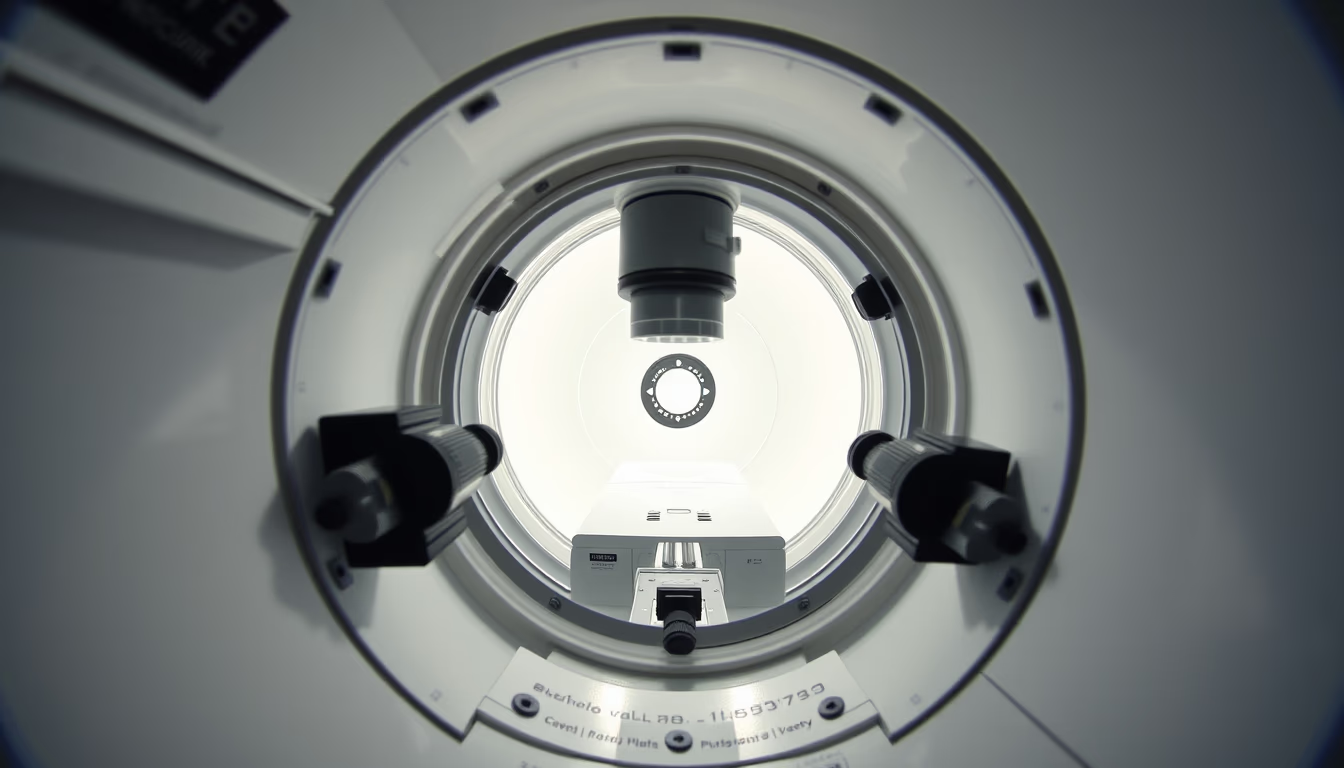
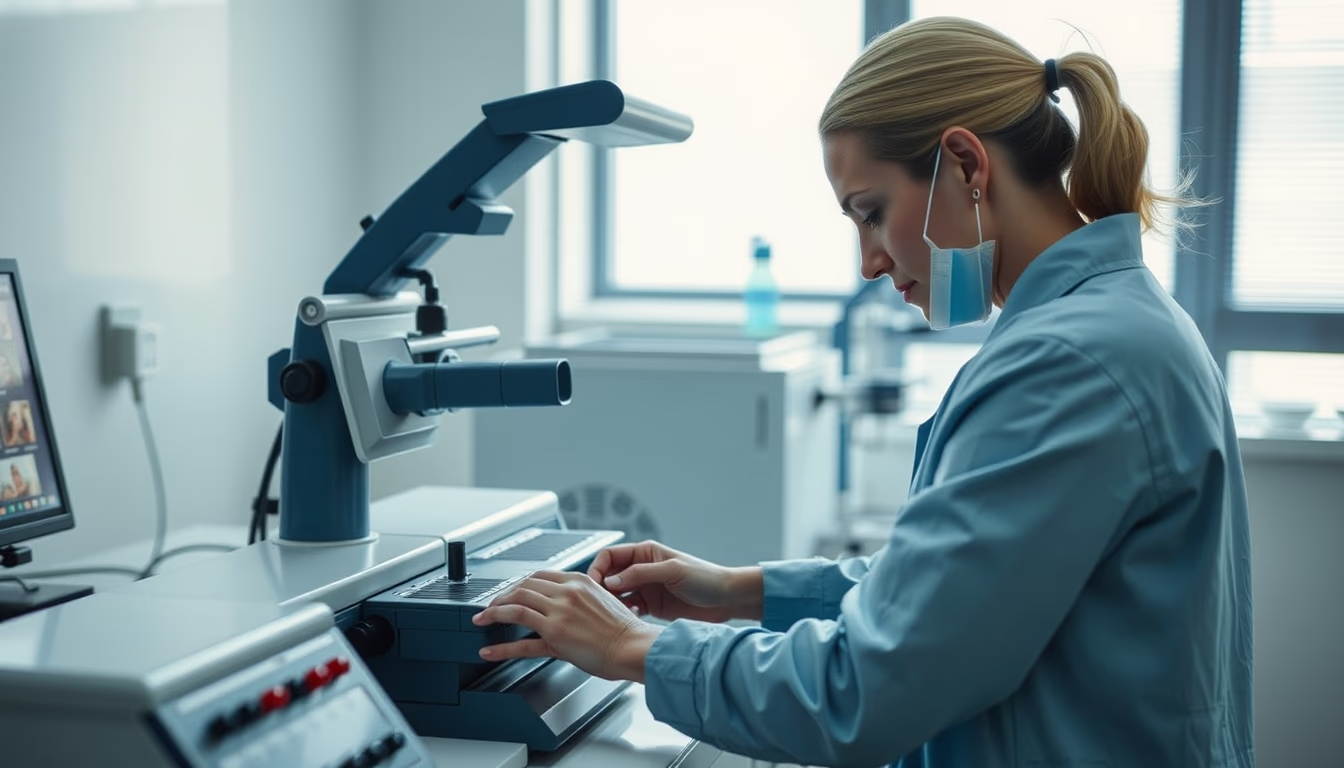
Gas chromatograph
1344×768 · AVIF · CC BY 4.0
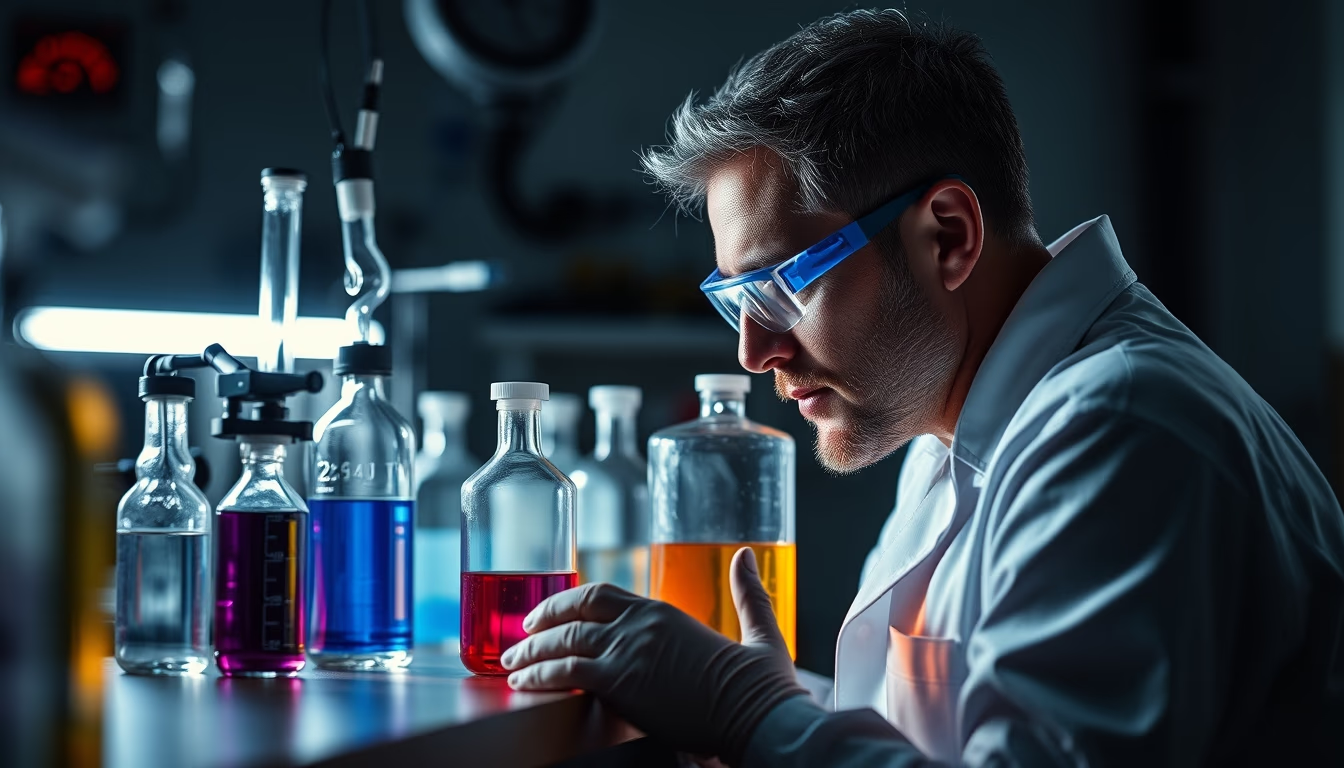
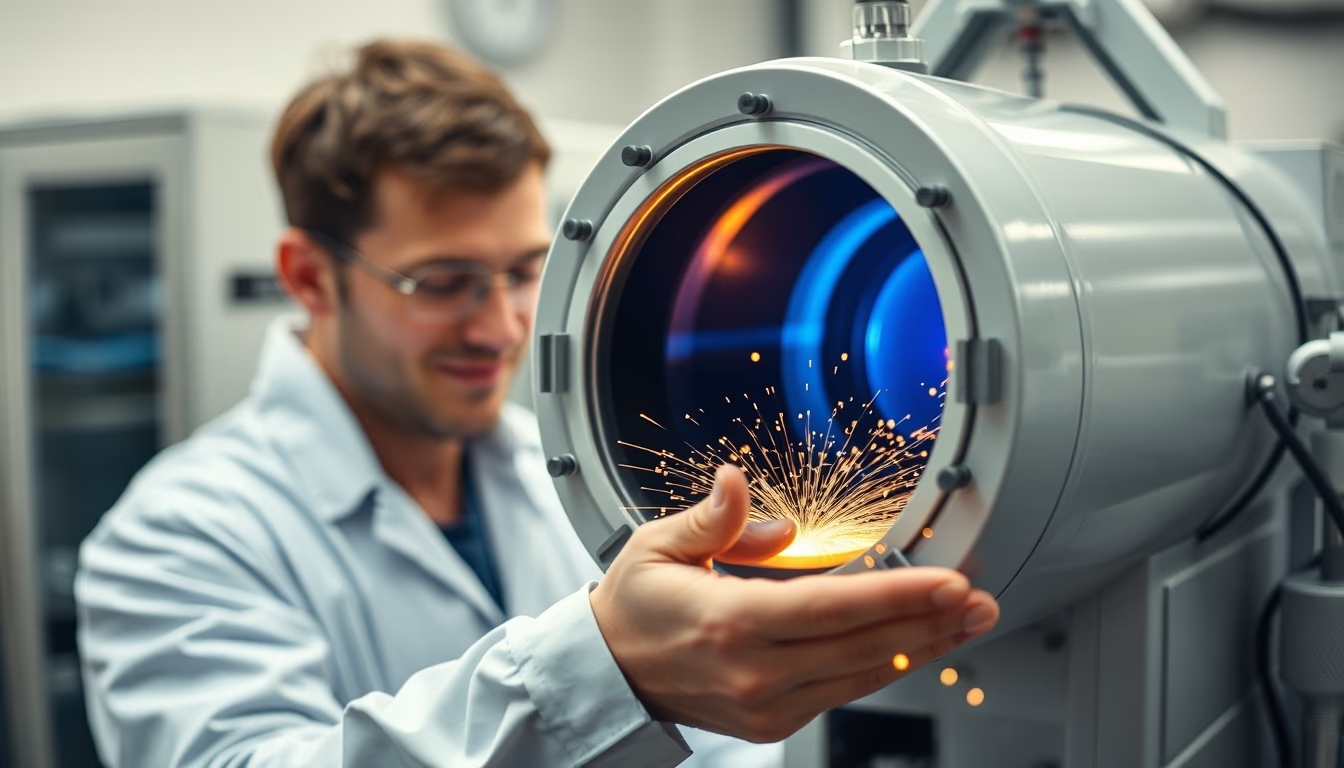
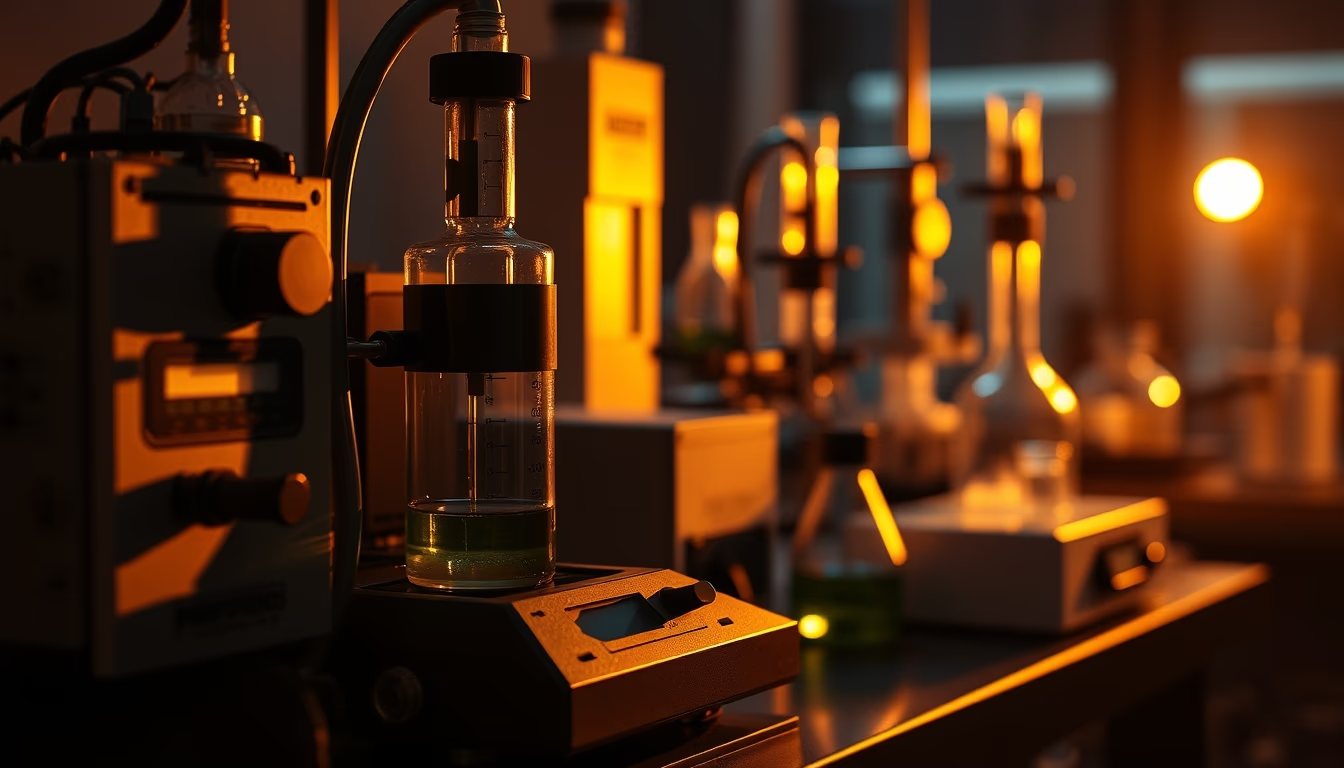
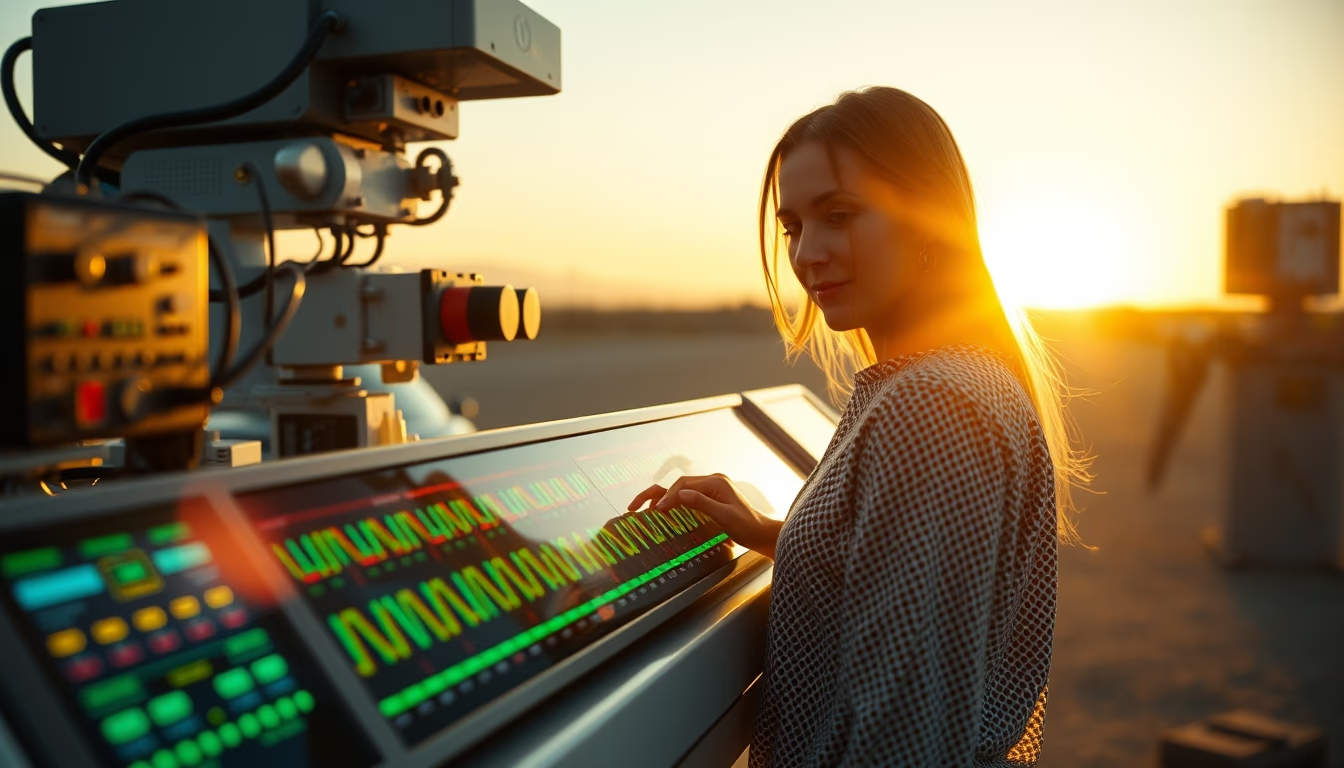
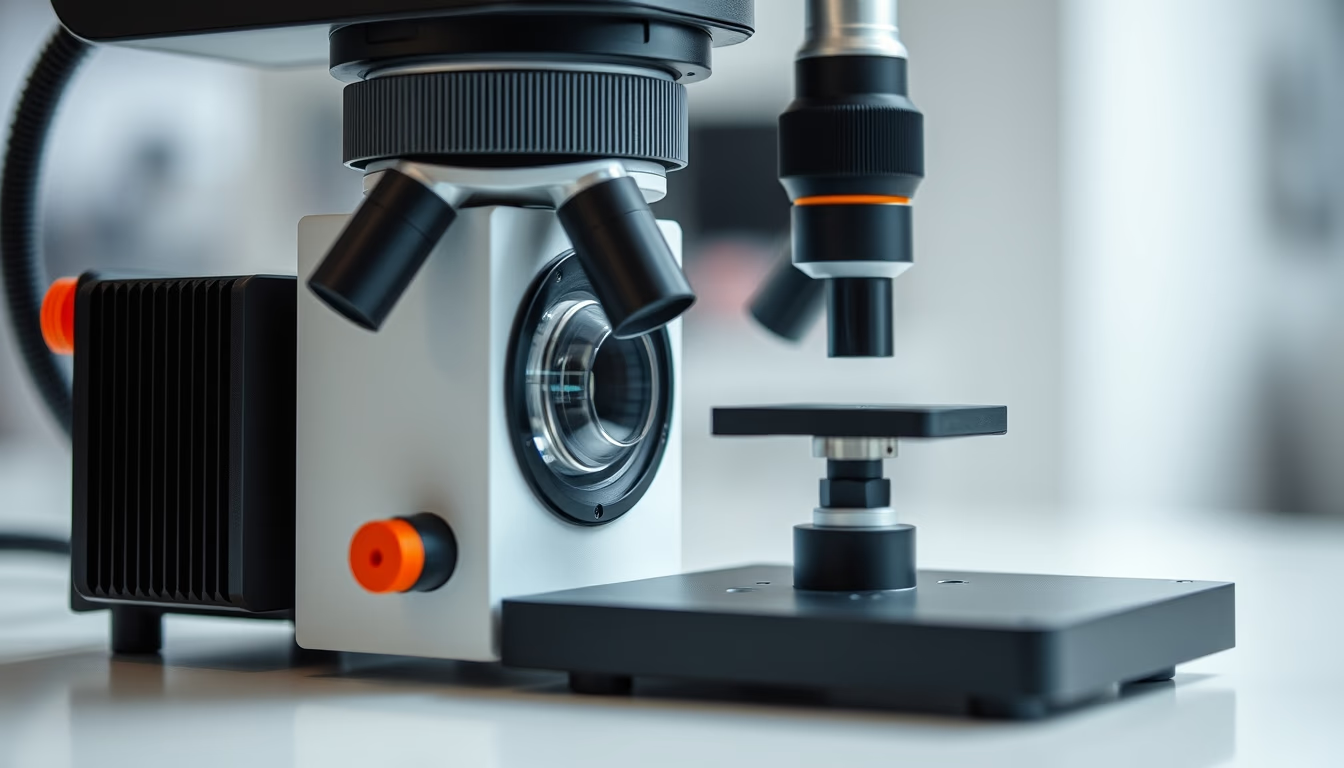
The gas chromatograph is an essential analytical instrument in chemistry laboratories, separating and identifying volatile components in complex samples.
About this subject
The gas chromatograph (GC) is an analytical technique that separates volatile compounds in a mixture. Invented by Anthony James and Archer Martin in 1952, the method revolutionized analytical chemistry by enabling the separation of complex mixtures with high precision. The basic principle involves injecting the sample into a capillary column coated with a stationary phase, while a carrier gas (such as helium or nitrogen) transports the compounds. As they pass through the column, components interact with the stationary phase to varying degrees, resulting in distinct retention times.
The technique is widely used in various fields. In the petrochemical industry, for example, it serves to analyze petroleum fractions and control fuel quality. In environmental laboratories, it identifies volatile organic compounds (VOCs) in water, soil, and air samples. In forensic medicine, it is employed to detect drugs and toxins in blood or urine. In the food industry, it analyzes aromas and contaminants in food and beverages.
A curious point is the variety of detectors coupled to GC. The flame ionization detector (FID) is common for organic compounds, while the thermal conductivity detector (TCD) serves for inorganic gases. The combination with mass spectrometry (GC-MS) allows structural identification of unknown compounds. Since its invention, GC has evolved with high-resolution columns, automation, and miniaturization, becoming an indispensable tool in modern science.
Frequently Asked Questions
What is the difference between gas chromatography and liquid chromatography?
Gas chromatography (GC) separates volatile compounds using a carrier gas, while liquid chromatography (HPLC) uses a liquid solvent. GC is ideal for substances that can be vaporized without decomposition; HPLC handles non-volatile or thermally unstable compounds.
How does a flame ionization detector (FID) work?
The FID burns organic compounds in a hydrogen-air flame, generating ions that produce an electric current proportional to the amount of carbon. It is highly sensitive to hydrocarbons but does not respond to inorganic gases like CO2 or H2O.
What is a gas chromatograph used for in environmental analysis?
In environmental analysis, GC is used to detect and quantify pollutants such as benzene, toluene, and xylenes (BTEX) in water and soil, as well as volatile organic compounds (VOCs) in air, aiding in environmental quality monitoring.
Direct URL
https://pub-c7d6a6ea828543ac903a74a341ccb2e1.r2.dev/imagens/gas-chromatograph-fine-art-photography-fresh4.avifHow to credit
Include a visible link back to UtilizAí. Copy one of the snippets below:
<a href="https://xn--utiliza-eza.com/en/midia/imagens/gas-chromatograph-fine-art-photography-fresh4">Gas chromatograph</a> by <a href="https://xn--utiliza-eza.com">UtilizAí</a>, licensed under <a href="https://creativecommons.org/licenses/by/4.0/">CC BY 4.0</a>.
[Gas chromatograph](https://xn--utiliza-eza.com/en/midia/imagens/gas-chromatograph-fine-art-photography-fresh4) by [UtilizAí](https://xn--utiliza-eza.com), CC BY 4.0
License: CC-BY-4.0