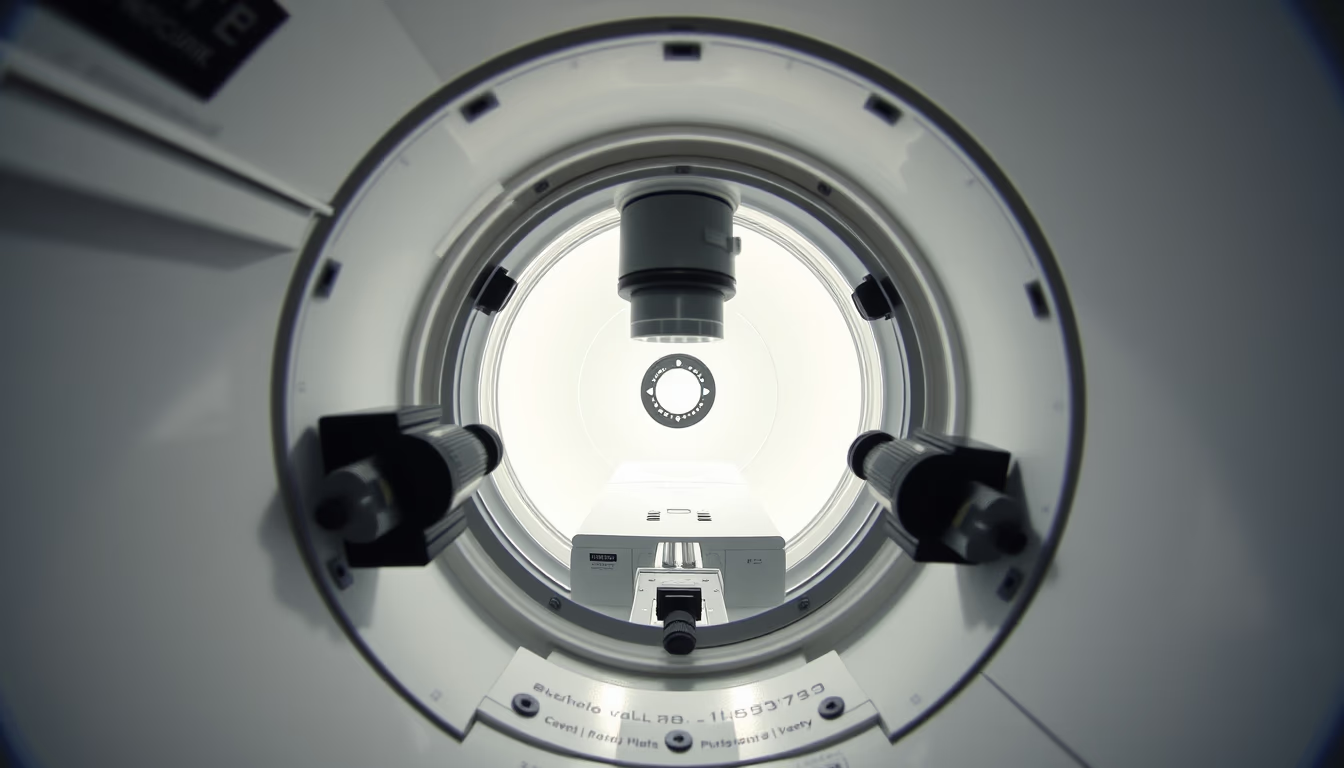
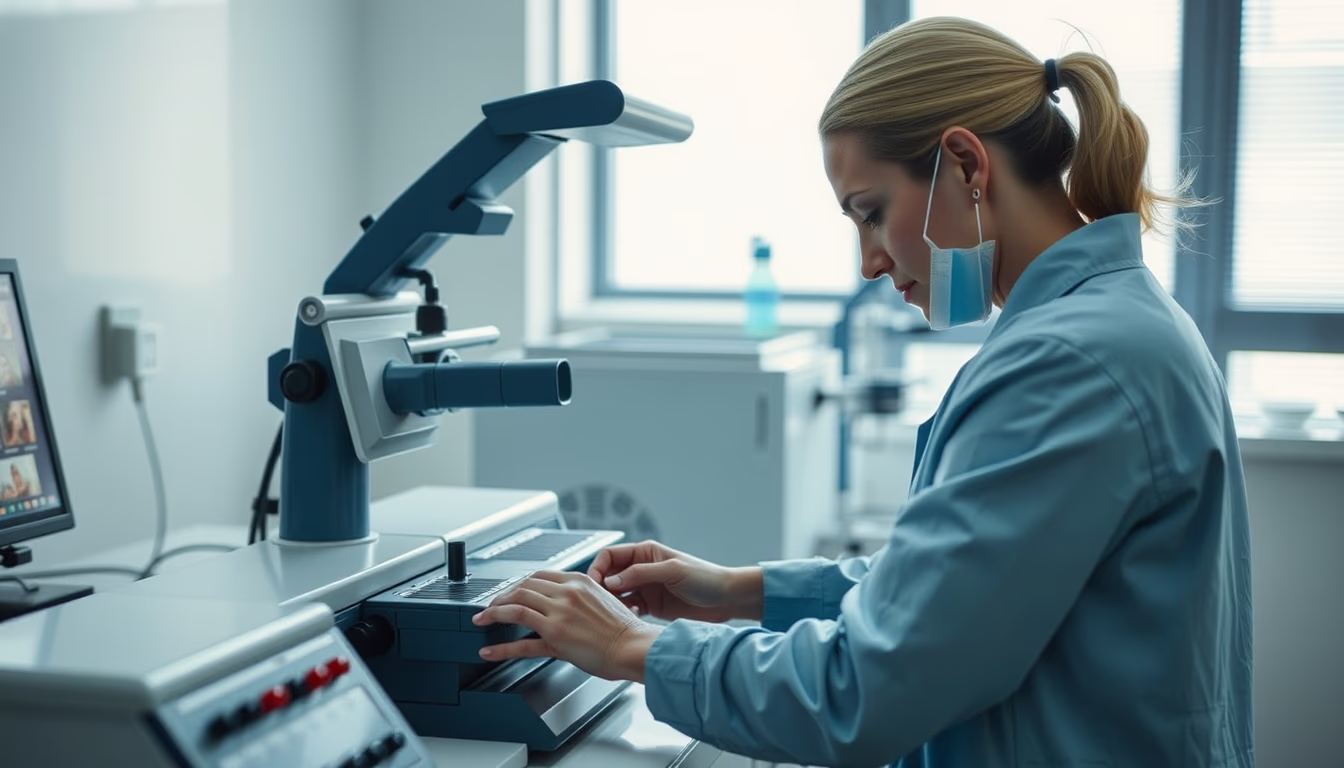
Gas chromatograph
1344×768 · AVIF · CC BY 4.0
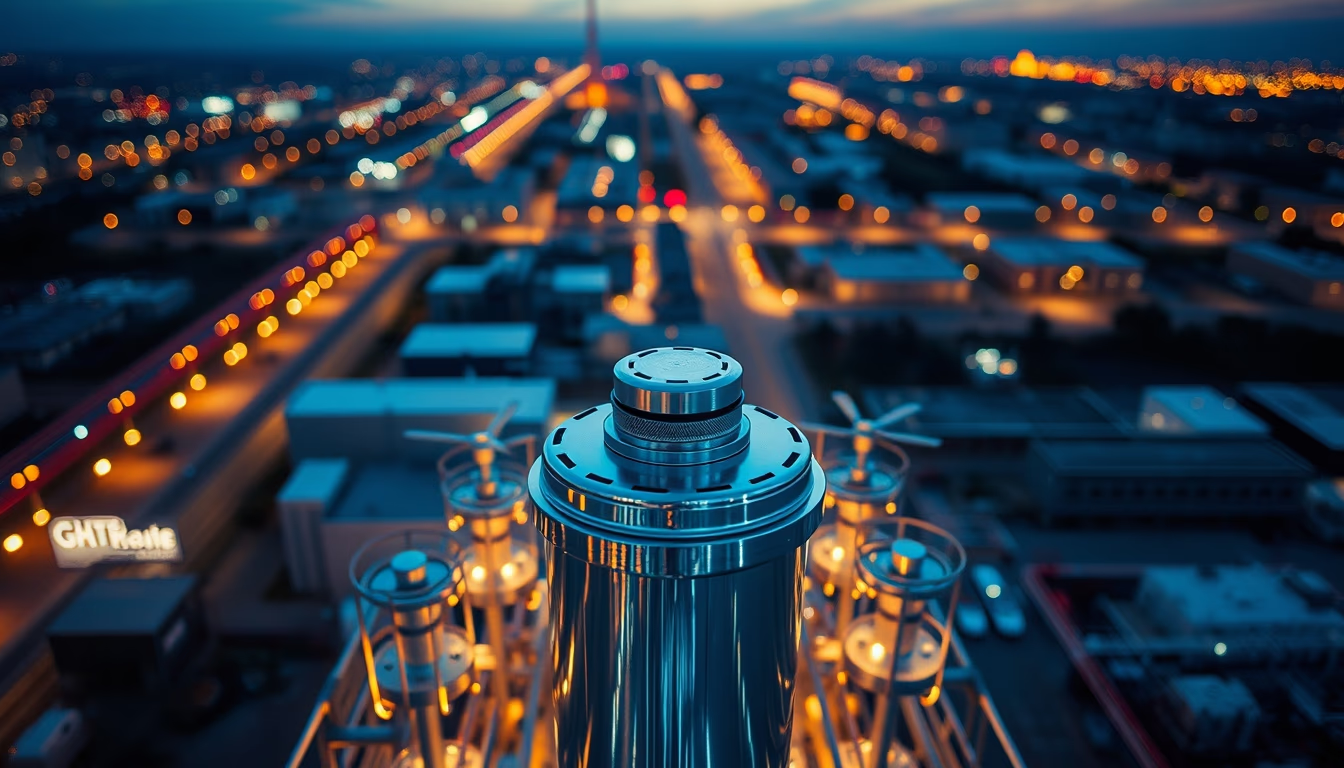
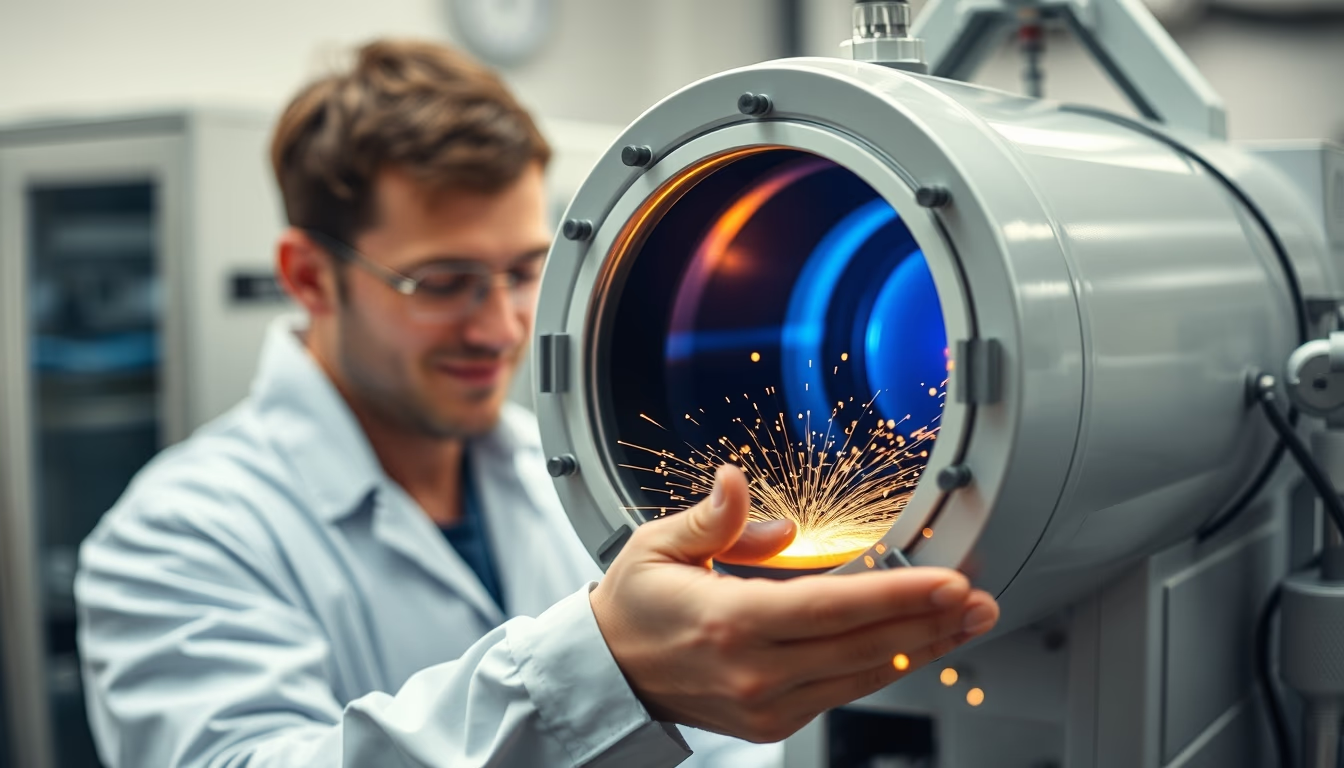
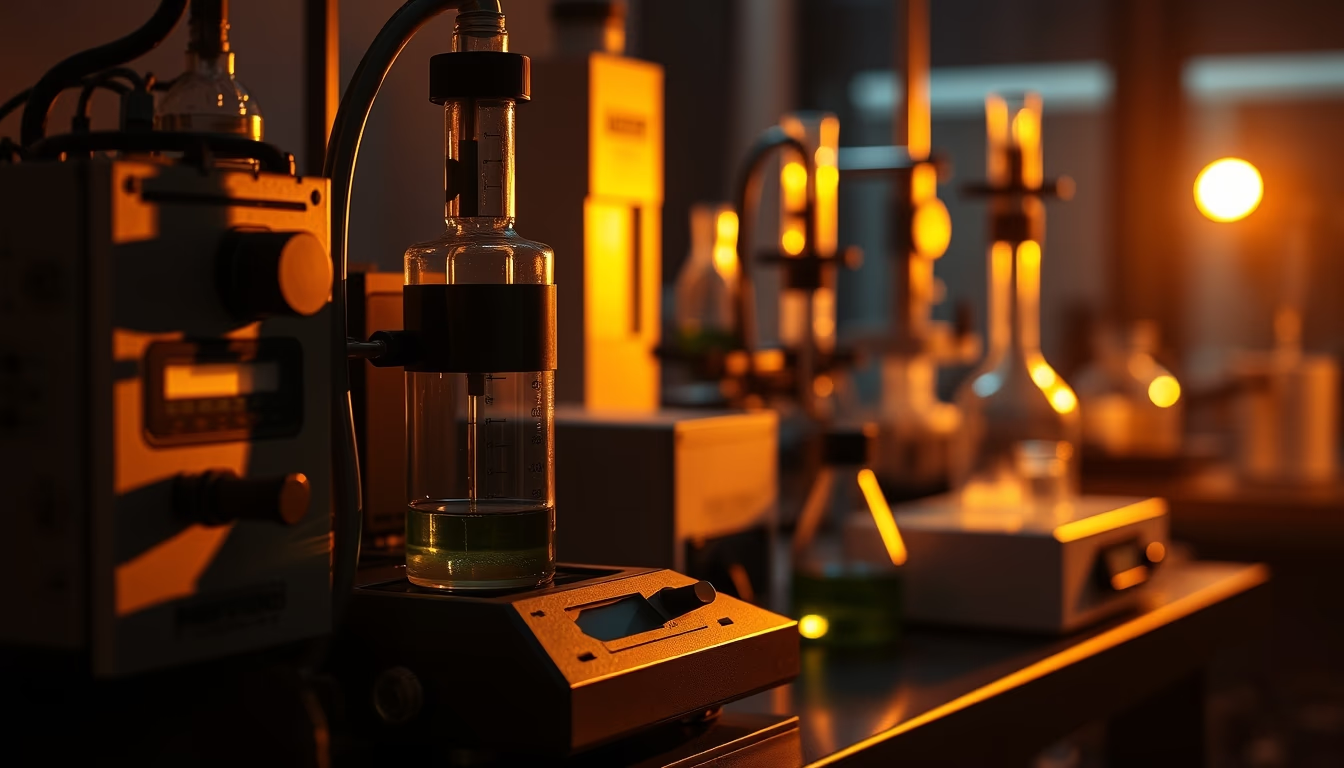
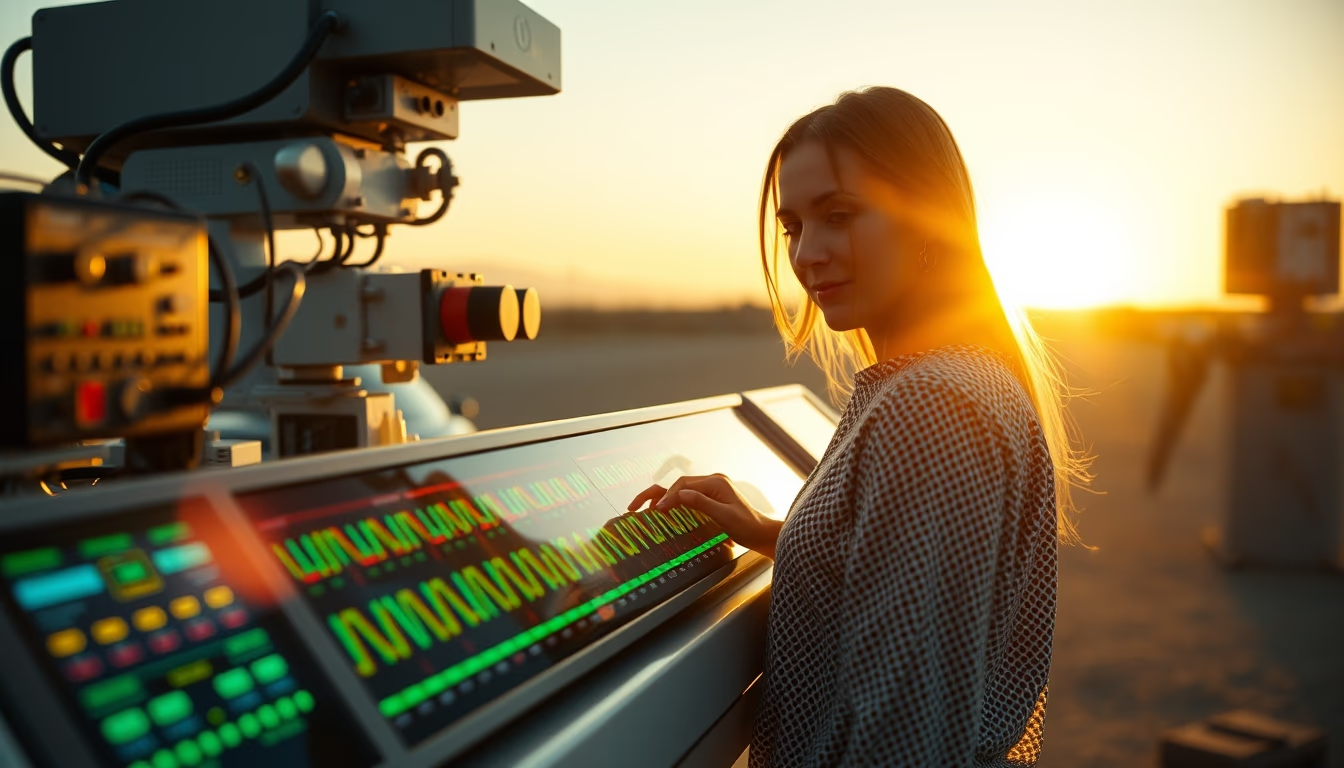
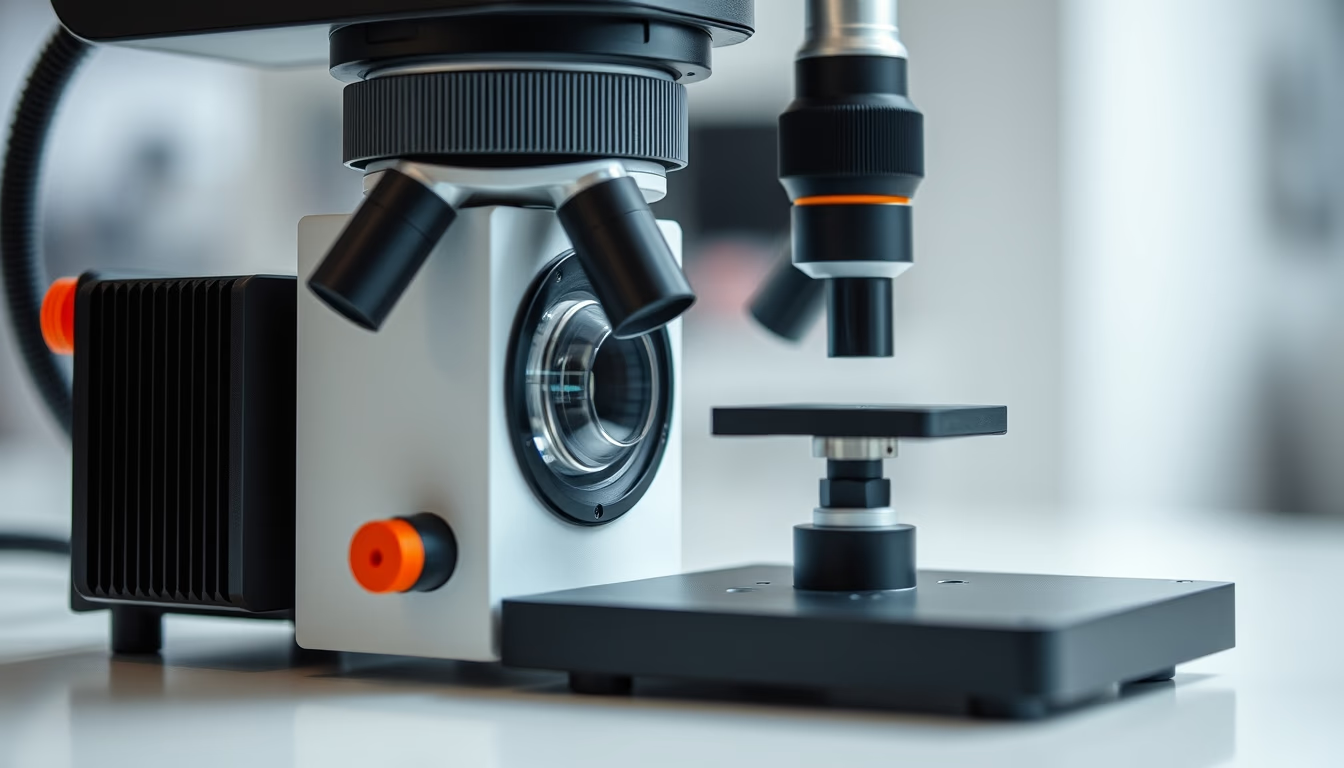
Gas chromatograph: analytical instrument that separates and identifies volatile components in mixtures, essential in forensic, environmental, and pharmaceutical laboratories.
About this subject
The gas chromatograph (GC) is a fundamental piece of analytical chemistry equipment, used to separate and quantify volatile compounds in a sample. Its operating principle involves passing a vaporized sample through a capillary column coated with a stationary phase, carried by an inert gas (helium, nitrogen, or hydrogen). Components interact differentially with the stationary phase, eluting at distinct times, which are recorded by detectors such as the flame ionization detector (FID) or mass spectrometer (MS).
The technique was developed in the 1950s by Archer Martin and Anthony James, who received the Nobel Prize in Chemistry in 1952. Since then, it has become standard in areas such as food quality control, atmospheric pollutant analysis, forensic toxicology, and drug development. In Brazil, gas chromatography is widely used by ANVISA to control pesticide residues and by Petrobras to characterize petroleum derivatives.
Modern chromatographs can be coupled with high-sensitivity detectors, allowing detection limits in the order of parts per trillion (ppt). The equipment requires careful calibration with certified standards and periodic maintenance to ensure accuracy. Interestingly, GC is one of the few methods capable of differentiating optical isomers when combined with chiral columns.
An important limitation is the need for analyte volatility: thermally unstable or high molecular weight compounds cannot be analyzed directly. In such cases, derived techniques like high-performance liquid chromatography (HPLC) are preferred. Nevertheless, gas chromatographs remain an indispensable tool in laboratories dealing with complex mixtures of organic compounds.
Frequently Asked Questions
What is the difference between gas chromatography and liquid chromatography?
Gas chromatography (GC) is used for volatile and thermally stable compounds, while liquid chromatography (HPLC) handles non-volatile or thermolabile compounds. In GC, the mobile phase is a gas; in HPLC, it is a liquid solvent.
What types of detectors are common in gas chromatographs?
The most common are the flame ionization detector (FID) for organic compounds and the mass spectrometer (MS) for structural identification. Others include the electron capture detector (ECD) and thermal conductivity detector (TCD).
How is a sample prepared for gas chromatography?
Liquid samples are injected directly; solid samples need solvent extraction. For very dilute compounds, solid-phase microextraction (SPME) or headspace is used. The sample must be volatile and free of non-volatile materials that could damage the column.
Direct URL
https://pub-c7d6a6ea828543ac903a74a341ccb2e1.r2.dev/imagens/gas-chromatograph-aerial-drone-shot-fresh1.avifHow to credit
Include a visible link back to UtilizAí. Copy one of the snippets below:
<a href="https://xn--utiliza-eza.com/en/midia/imagens/gas-chromatograph-aerial-drone-shot-fresh1">Gas chromatograph</a> by <a href="https://xn--utiliza-eza.com">UtilizAí</a>, licensed under <a href="https://creativecommons.org/licenses/by/4.0/">CC BY 4.0</a>.
[Gas chromatograph](https://xn--utiliza-eza.com/en/midia/imagens/gas-chromatograph-aerial-drone-shot-fresh1) by [UtilizAí](https://xn--utiliza-eza.com), CC BY 4.0
License: CC-BY-4.0