Frog skin texture macro
1344×768 · AVIF · CC BY 4.0
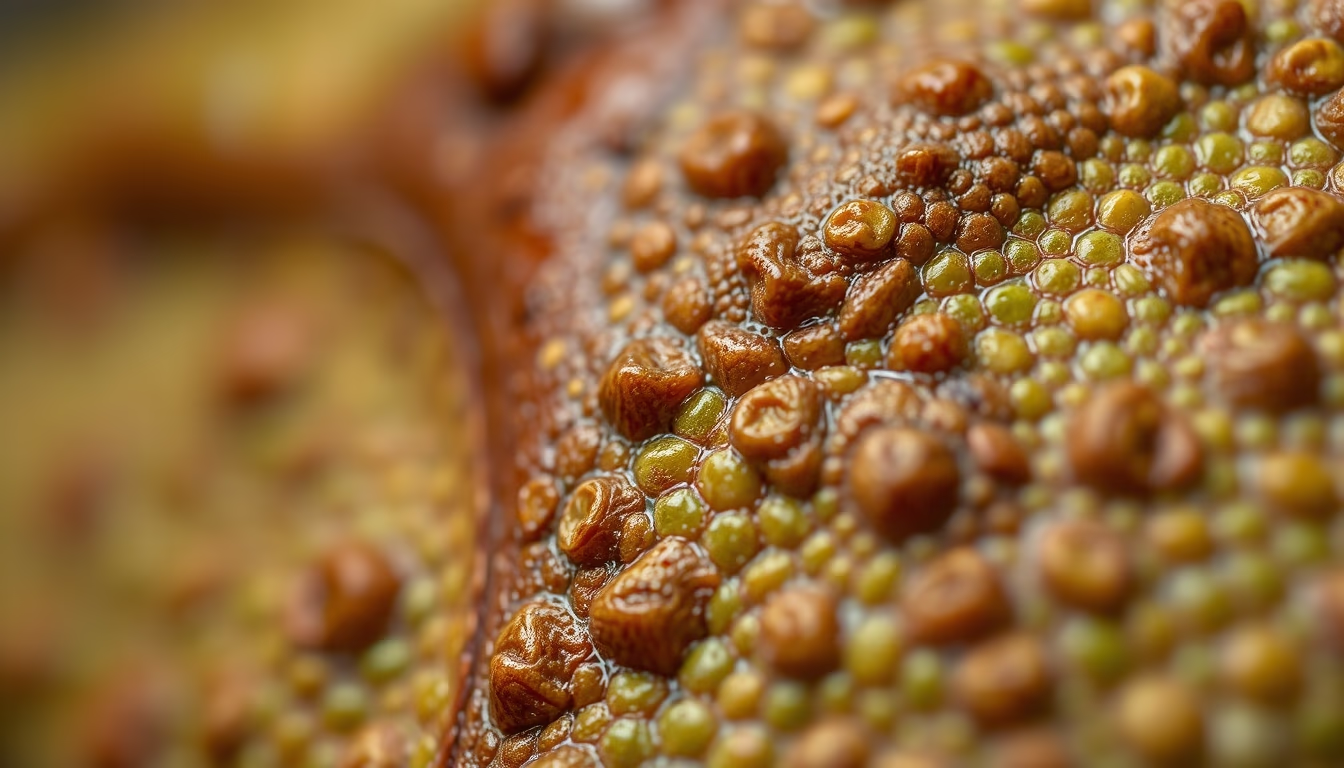
Frog skin texture reveals impressive evolutionary adaptations, with patterns varying across species and habitats worldwide.
About this subject
The skin of amphibians, especially frogs, is a multifunctional structure essential for their survival. Unlike mammalian skin, frog skin is thin, permeable, and rich in mucous glands, which keep it constantly moist. This moisture is vital for cutaneous respiration, a process that supplements lung breathing and allows gas exchange directly through the skin. Moreover, the irregular texture, with small bumps and grooves, increases the surface area and facilitates the absorption of water and oxygen.
The great diversity of textures and patterns on frog skin is directly related to the environment in which they live. Arboreal species, such as tree frogs, often have smooth, shiny skin that reflects light and aids camouflage among leaves. In contrast, terrestrial or semi-aquatic frogs, like those of the family Leptodactylidae, exhibit rougher, warty skin that mimics the texture of soil or fallen logs. This tactile camouflage is so effective that many frogs go unnoticed by predators even when exposed.
Another fascinating aspect is the venom glands present in the skin of many species. These glands produce toxins that vary in potency, from mild irritants to lethal venoms, such as those of the Amazonian poison dart frogs. The vibrant colors of these frogs, usually associated with textured patterns, serve as visual warnings to predators, a phenomenon known as aposematism. In contrast, many smooth-skinned frogs with cryptic coloration rely solely on texture to blend into the environment, without resorting to toxins.
Interestingly, skin texture can change over the animal's life. During metamorphosis, tadpoles lose their smooth skin and develop adult texture. Some species also alter skin roughness in response to seasonal variations in humidity or temperature. Recent studies show that the microstructure of the skin, including the arrangement of cells and guanine crystals, can influence light refraction, producing iridescence in certain species. These adaptations make frog skin one of the most versatile integuments in the animal kingdom.
Frequently Asked Questions
Why is frog skin so moist?
Frog skin moisture is maintained by mucous glands that secrete mucus, crucial for cutaneous respiration since gas exchange only occurs on moist surfaces. Moisture also aids water absorption and protects against desiccation and infections.
How does skin texture help frogs with camouflage?
The irregular texture, with bumps and grooves, allows the skin to mimic natural surfaces like soil, leaves, or bark, making the frog less visible to predators. This tactile camouflage is combined with colors and patterns that blend into the environment.
Do all frogs have poisonous skin?
No, most frogs have glands that produce irritants, but only a few species have potent venoms, such as poison dart frogs. Toxicity varies with diet and habitat, and rough texture does not always indicate danger.
Direct URL
https://pub-c7d6a6ea828543ac903a74a341ccb2e1.r2.dev/imagens/frog-skin-texture-macro-national-geographic-style-p0.avifHow to credit
Include a visible link back to UtilizAí. Copy one of the snippets below:
<a href="https://xn--utiliza-eza.com/en/midia/imagens/frog-skin-texture-macro-national-geographic-style-p0">Frog skin texture macro</a> by <a href="https://xn--utiliza-eza.com">UtilizAí</a>, licensed under <a href="https://creativecommons.org/licenses/by/4.0/">CC BY 4.0</a>.
[Frog skin texture macro](https://xn--utiliza-eza.com/en/midia/imagens/frog-skin-texture-macro-national-geographic-style-p0) by [UtilizAí](https://xn--utiliza-eza.com), CC BY 4.0
License: CC-BY-4.0