Fresco painting ceiling
1344×768 · AVIF · CC BY 4.0
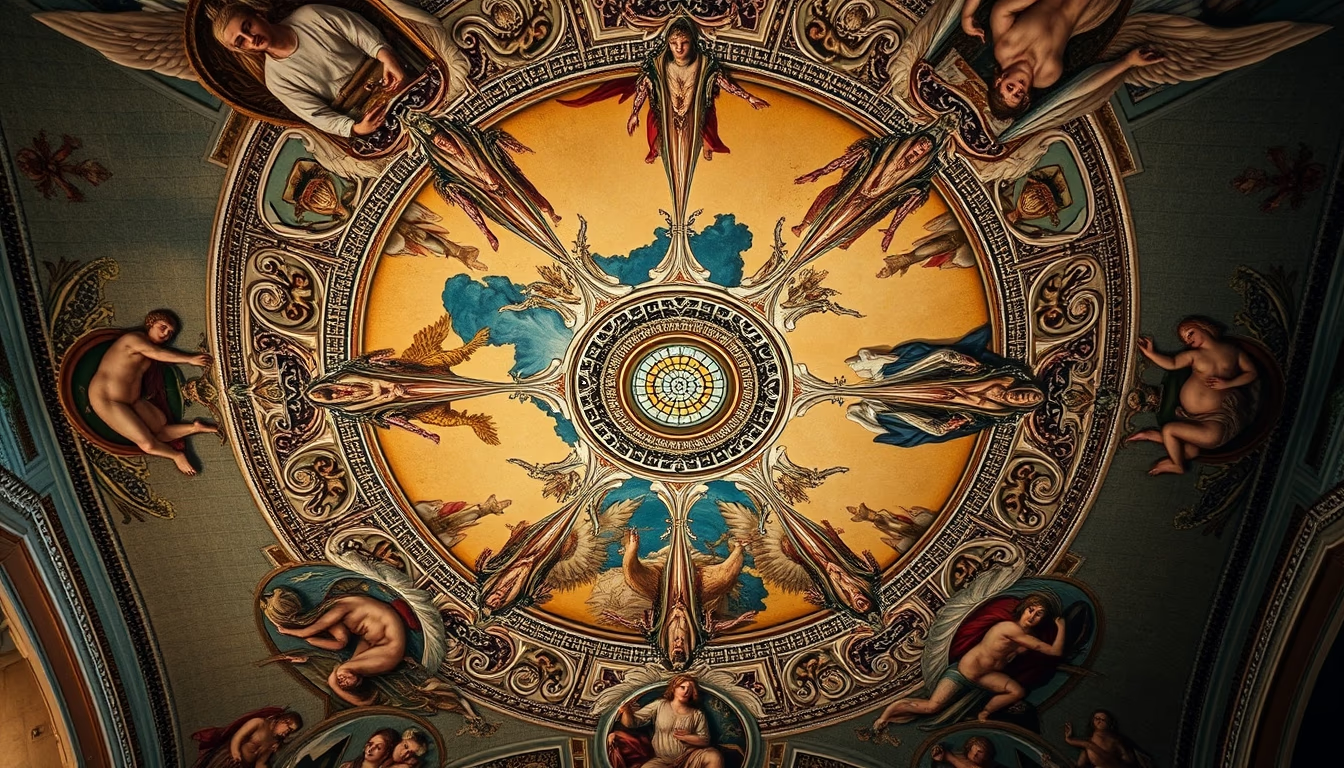
Ceiling frescoes represent one of the most imposing forms of mural art, combining complex technique with visual narrative in sacred and palatial spaces.
About this subject
Ceiling frescoes, a technique of painting on wet plaster, require meticulous planning and swift execution. Unlike wall paintings, artists must correct perspective distortions so figures appear natural when viewed from below. Michelangelo in the Sistine Chapel, for instance, used elongated proportions and artificial lighting to create the illusion of three-dimensional space. Other notable examples include Giotto's Scrovegni Chapel vault and Andrea Pozzo's Glory of Saint Ignatius.
Culturally, these frescoes often conveyed religious or political messages. During the Renaissance, churches and palaces competed to display biblical and mythological scenes that educated the faithful and glorified patrons. Quadratura, an illusionistic architectural painting technique, made ceilings appear as openings to the sky, with angels and deities floating above viewers. Artists like Tiepolo and Correggio pushed this illusion further with chiaroscuro and vibrant colors.
Preservation of these works is challenging due to humidity, pollution, and natural pigment deterioration. Restorers use techniques such as plaster consolidation and laser cleaning to reveal original colors. In the digital age, high-resolution photography and 3D models enable detailed study and virtual access, ensuring the art continues to inspire future generations.
Frequently Asked Questions
What is the difference between fresco and other mural painting techniques?
In true fresco (buon fresco), pigment is applied on wet plaster, becoming part of the wall. In fresco secco, paint is applied on dry plaster, which is less durable. Other techniques include tempera and oil on canvas or wood.
How did artists paint frescoes on such high ceilings?
They used wooden scaffolding, often suspended by ropes, allowing full reach. During work, they lay down or leaned back. Michelangelo painted the Sistine Chapel standing, with his head tilted backward, causing neck pain.
What are the most famous ceiling frescoes in the world?
The most iconic include Michelangelo's Sistine Chapel ceiling (including The Creation of Adam), Andrea Pozzo's Glory of Saint Ignatius in Rome, and Giotto's Scrovegni Chapel vault in Padua.
Direct URL
https://pub-c7d6a6ea828543ac903a74a341ccb2e1.r2.dev/imagens/fresco-painting-ceiling-national-geographic-style-p2.avifHow to credit
Include a visible link back to UtilizAí. Copy one of the snippets below:
<a href="https://xn--utiliza-eza.com/en/midia/imagens/fresco-painting-ceiling-national-geographic-style-p2">Fresco painting ceiling</a> by <a href="https://xn--utiliza-eza.com">UtilizAí</a>, licensed under <a href="https://creativecommons.org/licenses/by/4.0/">CC BY 4.0</a>.
[Fresco painting ceiling](https://xn--utiliza-eza.com/en/midia/imagens/fresco-painting-ceiling-national-geographic-style-p2) by [UtilizAí](https://xn--utiliza-eza.com), CC BY 4.0
License: CC-BY-4.0