Fabric weave closeup
1344×768 · AVIF · CC BY 4.0
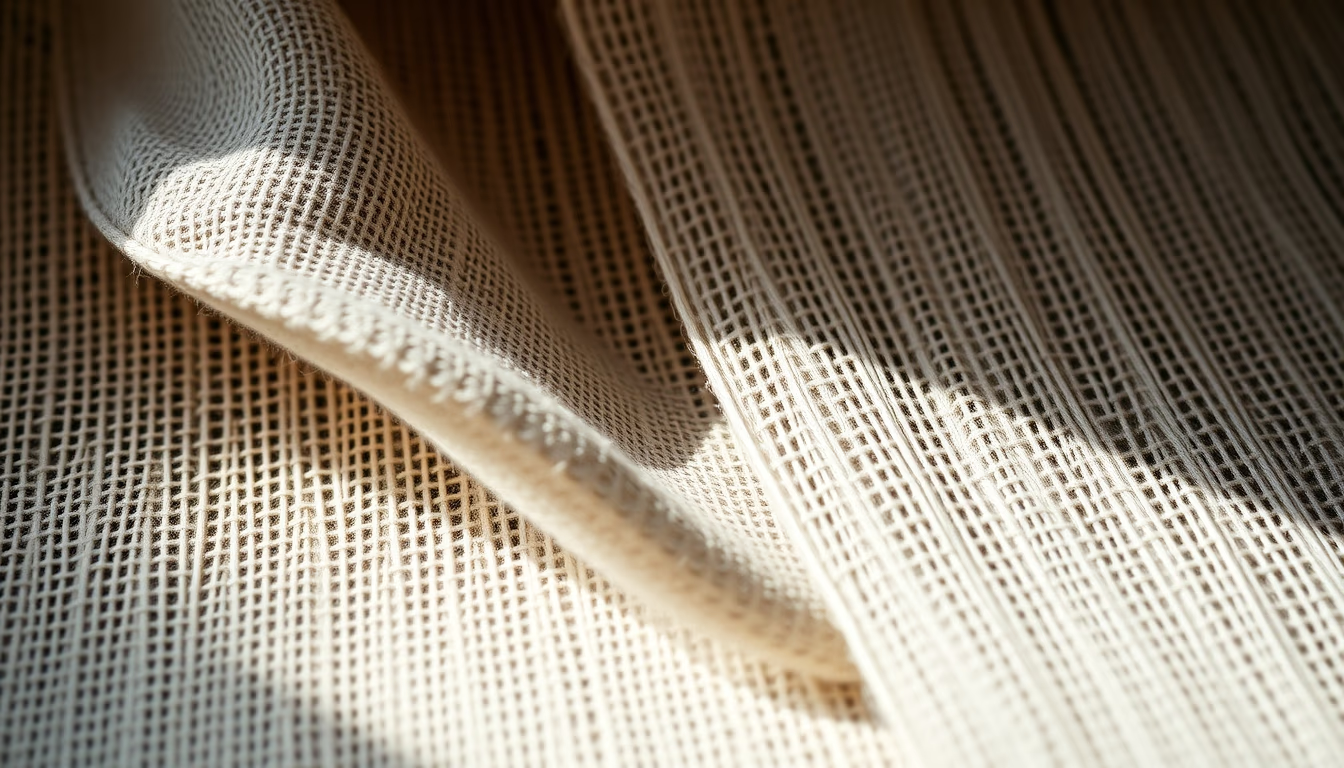
The fabric weave closeup reveals the complexity of interlaced threads, a pattern that defines the material's strength, texture, and drape.
About this subject
A fabric weave is formed by interlacing two sets of yarns: the warp (longitudinal) and the weft (transverse). The fundamental weave types are plain weave, where each weft yarn passes alternately over and under each warp yarn, creating a simple and balanced pattern. This is the most common method, used in cotton, linen, and silk for shirts and bed sheets. Twill weave has a diagonal appearance, as in denim and tweed, offering greater strength and drapability. Satin weave has long floats that produce luster and smoothness but lower durability, typical for evening gowns and linings.
The choice of weave directly affects fabric properties. Thread count, measured in threads per inch, influences density and softness. Thinner yarns and higher density result in silkier fabrics, such as 1000-thread-count Egyptian cotton. Yarn twist is also crucial: high-twist yarns produce firmer, wrinkle-resistant fabrics, while low-twist yarns yield softer, more absorbent surfaces.
Historically, handweaving was a major craft, with regional techniques like the European treadle loom and the backstrap loom in the Americas. The Industrial Revolution transformed production with Edmund Cartwright's power loom in 1785 and later the jacquard loom (1804), which used punched cards for complex patterns. Today, computerized looms allow for three-dimensional weaves used in technical applications such as sailcloth and carbon fiber reinforcements.
In the 2026 editorial context, macro images of fabric weaves gain prominence for their abstract aesthetic and the valorization of craftsmanship against fast fashion. Detailed yarn photography highlights textile engineering, whether in organic cotton, rustic linen, or high-tech fabrics like Tyvek. These images are used in design, fashion, and architecture magazines to illustrate the materiality of objects and the revival of traditional techniques.
Frequently Asked Questions
What is the difference between warp and weft?
Warp yarns run lengthwise on the loom, while weft yarns run crosswise and interlace with the warp. Their interlacing forms the fabric.
How does weave affect fabric durability?
Denser weaves with high-twist yarns, such as twill, offer greater resistance to tearing and wear. Open weaves or those with low-twist yarns, like satin, tend to be less durable.
What is thread count and why is it important?
Thread count is the number of threads per square inch (warp + weft). Higher counts generally indicate softer and more durable fabrics, but counts above 800 may involve techniques that reduce breathability.
Direct URL
https://pub-c7d6a6ea828543ac903a74a341ccb2e1.r2.dev/imagens/fabric-weave-closeup-magazine-editorial-p6.avifHow to credit
Include a visible link back to UtilizAí. Copy one of the snippets below:
<a href="https://xn--utiliza-eza.com/en/midia/imagens/fabric-weave-closeup-magazine-editorial-p6">Fabric weave closeup</a> by <a href="https://xn--utiliza-eza.com">UtilizAí</a>, licensed under <a href="https://creativecommons.org/licenses/by/4.0/">CC BY 4.0</a>.
[Fabric weave closeup](https://xn--utiliza-eza.com/en/midia/imagens/fabric-weave-closeup-magazine-editorial-p6) by [UtilizAí](https://xn--utiliza-eza.com), CC BY 4.0
License: CC-BY-4.0