Fabric weave closeup
1344×768 · AVIF · CC BY 4.0
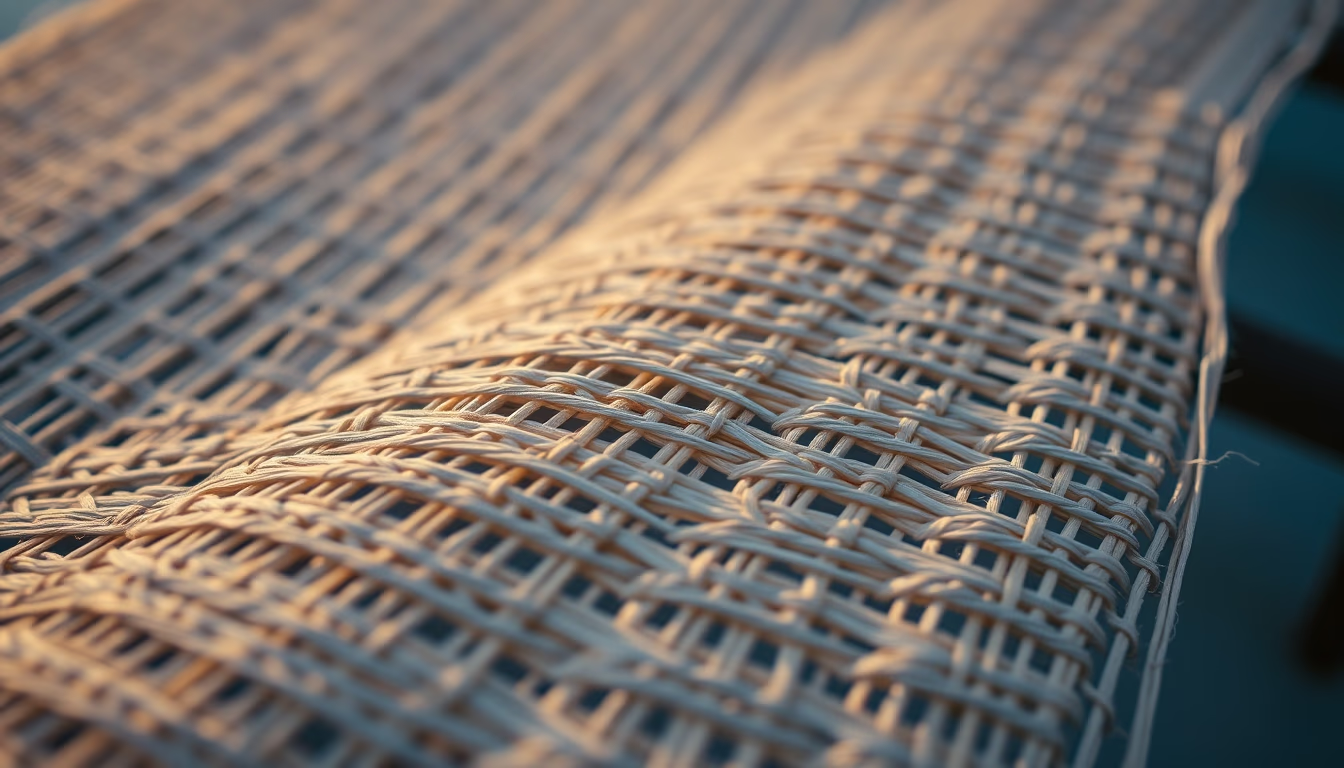
Fabric weaves reveal geometric patterns that define texture, durability, and drape of textile materials.
About this subject
Weaving is one of humanity's oldest crafts, with evidence dating back over 12,000 years. The interlacing of warp and weft threads creates structures ranging from simple plain weave to complex jacquard patterns. Plain weave, the most basic, has each weft thread passing alternately over and under warp threads, producing a balanced and strong fabric used for shirts and bed sheets. Twill weave creates characteristic diagonal lines, as seen in denim, offering greater flexibility and less wrinkling. Satin weave features long floats that give it shine and a smooth hand, but lower abrasion resistance. These patterns aren't merely aesthetic; they directly affect properties like breathability, stretch, and durability. In Brazil, artisanal weaving thrives in communities such as the Xingu indigenous people or the lacemakers of the Northeast, preserving techniques passed down through generations. Globally, innovations like 3D fabrics and smart textiles build on these same interlacing principles, adapted to synthetic fibers and nanotechnology. Thread density, measured in threads per inch (thread count), is a quality indicator: Egyptian cotton can reach 600 threads, while common sheets range from 200 to 400.
Frequently Asked Questions
What are the main types of fabric weave?
The three most common are plain weave, twill, and satin. Each has distinct characteristics of texture, strength, and drape.
What does thread count mean?
It is the number of threads per square inch. Higher numbers generally mean denser and softer fabric, but values above 600 can be misleading.
How does weave affect fabric durability?
Tighter weaves like plain weave offer greater strength. Twill balances durability and flexibility, while satin is more fragile due to floating threads.
Direct URL
https://pub-c7d6a6ea828543ac903a74a341ccb2e1.r2.dev/imagens/fabric-weave-closeup-aerial-drone-shot-p2.avifHow to credit
Include a visible link back to UtilizAí. Copy one of the snippets below:
<a href="https://xn--utiliza-eza.com/en/midia/imagens/fabric-weave-closeup-aerial-drone-shot-p2">Fabric weave closeup</a> by <a href="https://xn--utiliza-eza.com">UtilizAí</a>, licensed under <a href="https://creativecommons.org/licenses/by/4.0/">CC BY 4.0</a>.
[Fabric weave closeup](https://xn--utiliza-eza.com/en/midia/imagens/fabric-weave-closeup-aerial-drone-shot-p2) by [UtilizAí](https://xn--utiliza-eza.com), CC BY 4.0
License: CC-BY-4.0