Deep sea diving suit antique
1344×768 · AVIF · CC BY 4.0
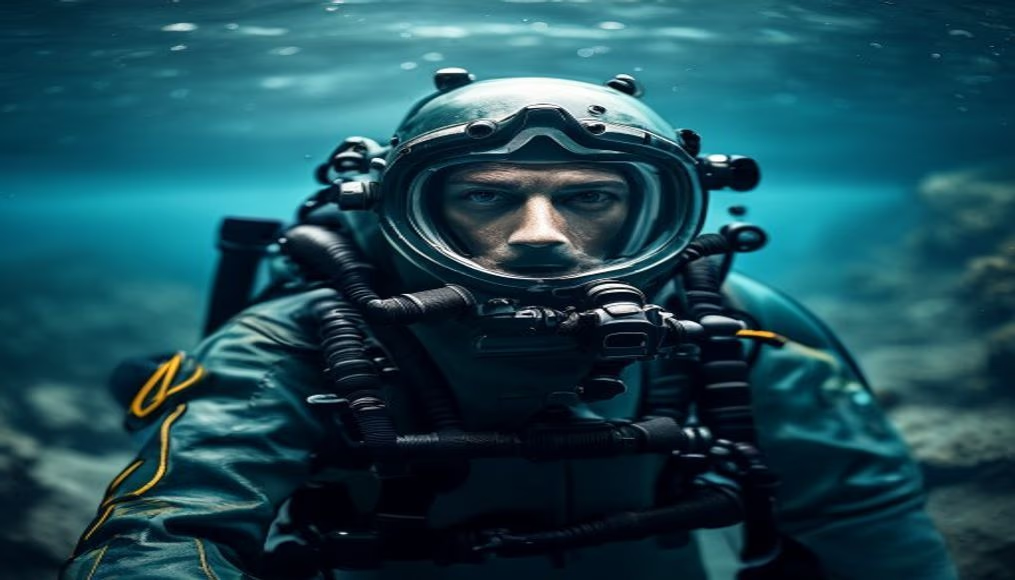
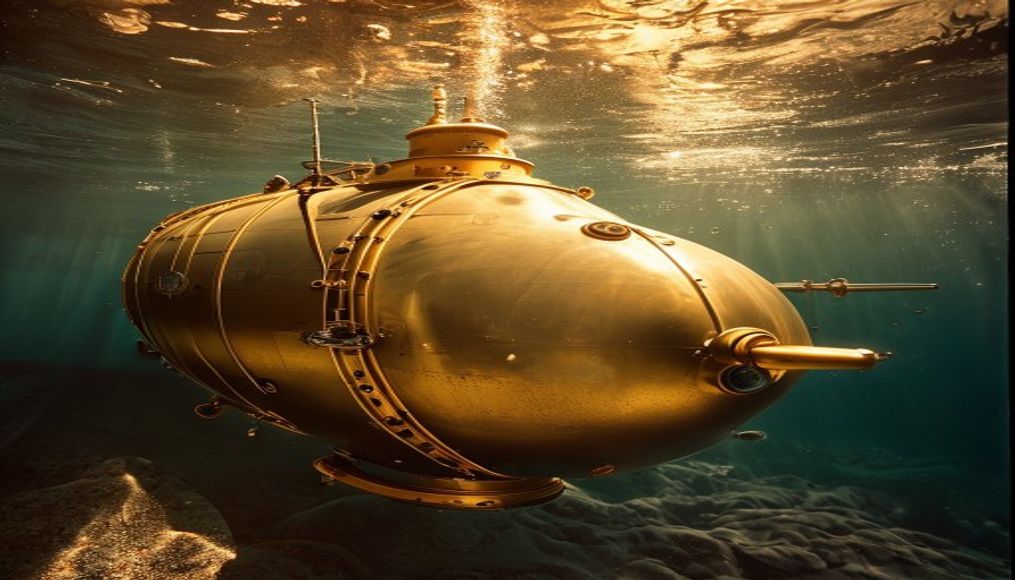
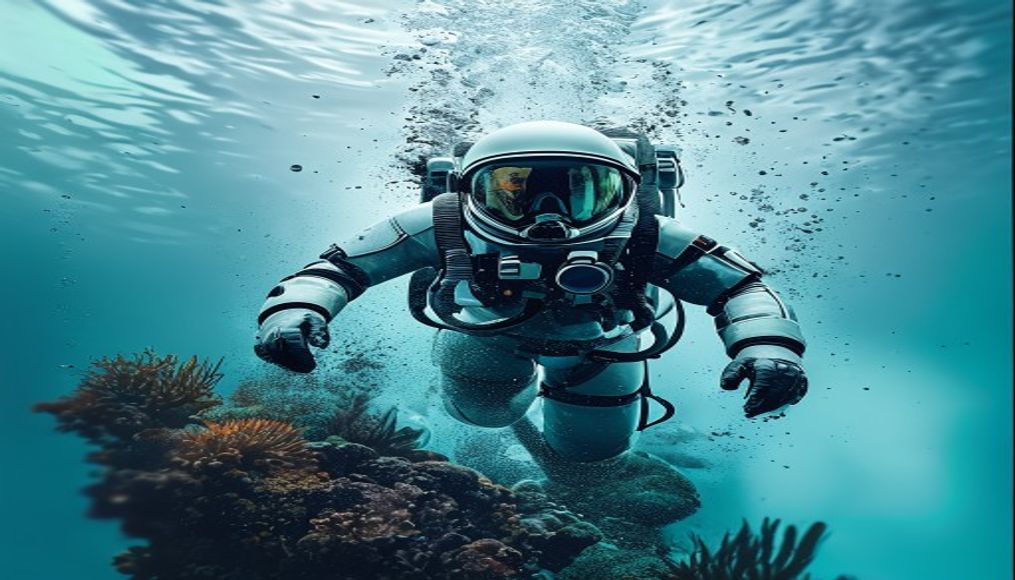
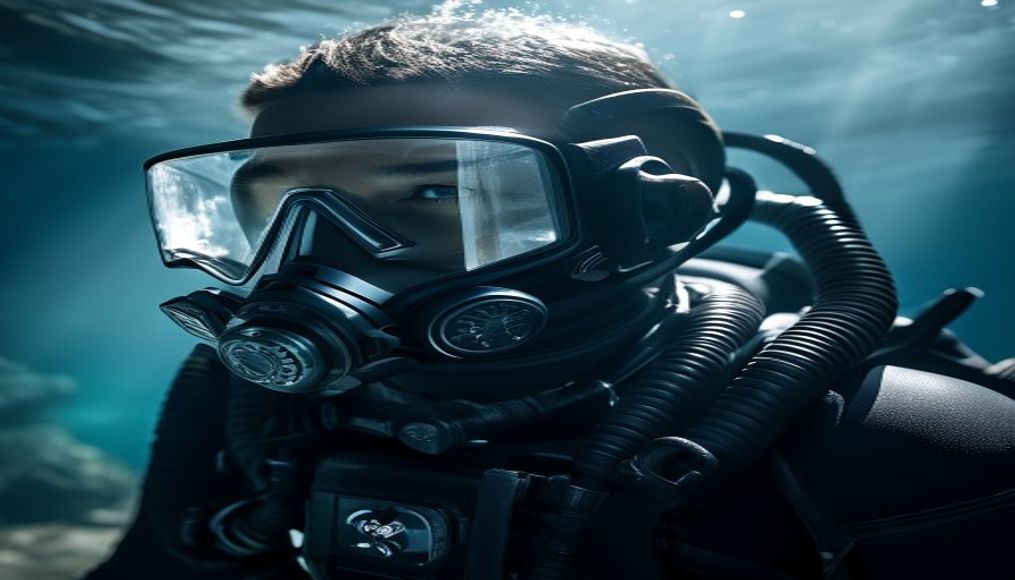
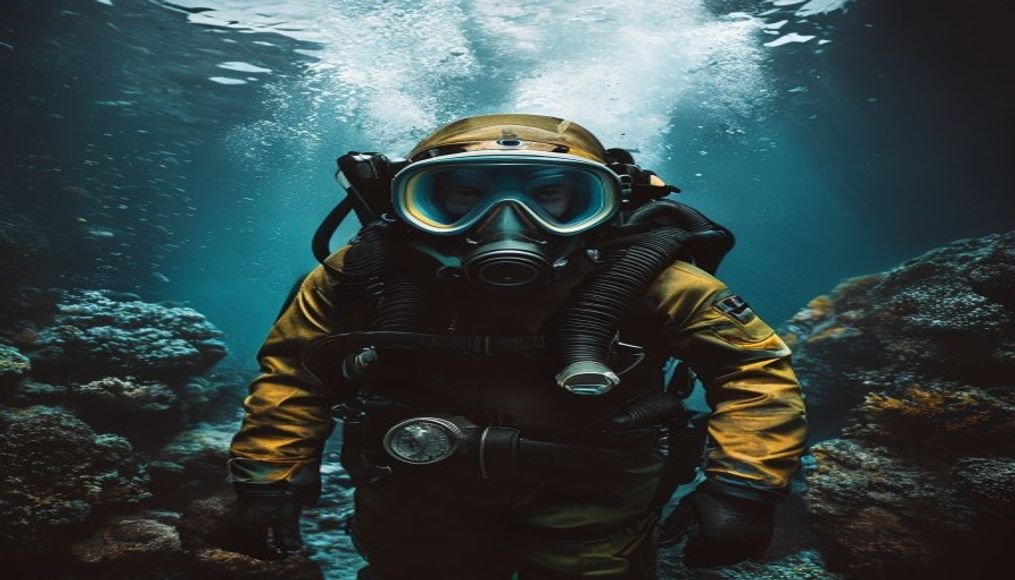
The antique deep sea diving suit, such as the Mark V model, revolutionized underwater exploration in the 20th century, allowing divers to reach previously impossible depths with relative safety.
About this subject
The antique deep sea diving suit, also known as the rigid diving dress, was a breakthrough that marked the beginning of modern underwater exploration. The most iconic model, the U.S. Navy Mark V, was developed in the early 1910s and remained in active service for over 70 years. It consisted of a copper or brass helmet, a waterproof canvas suit, and hoses that delivered compressed air from the surface. The system allowed divers to work at depths up to 90 meters, a revolutionary capability at the time.
Operating this suit required a complex support infrastructure. A manual air pump on the surface provided oxygen through a rubber hose. The helmet had three thick glass windows, offering limited visibility. To maintain neutral buoyancy, the diver wore heavy lead boots (about 18 kg each) and weights on the chest and back, totaling up to 100 kg of gear. Communication was via a wired telephone, essential for coordinating tasks such as rescues and underwater constructions.
Historically, these suits were used in notable missions, such as the salvage of the submarine S-51 in 1925 and the construction of the Brooklyn Bridge, where divers worked in pneumatic caissons. In 1917, diver Frank Crilley set a depth record of 133 meters using a Mark V suit, demonstrating the design's resilience. Despite the success, risks were high: decompression sickness, oxygen toxicity, and hypothermia were constant threats, and the mortality rate was significant.
Today, antique diving suits are museum pieces, but their legacy is immense. They paved the way for modern atmospheric diving suits and manned submersibles. The basic design of copper helmet and air hose even influenced recreational scuba equipment. Many preserved examples can be seen at institutions like the National Museum of Natural History in the U.S. and the Sea Museum in Brazil, telling stories of courage and ingenuity that allowed humanity to venture into the deep sea.
Frequently Asked Questions
What was the maximum depth an antique diving suit could reach?
The Mark V model was designed for depths up to 90 meters, but experienced divers like Frank Crilley reached 133 meters in 1917. However, the safe working depth was lower due to risks of nitrogen narcosis and decompression sickness.
How was breathing supplied in these suits?
Compressed air was manually pumped from the surface through a rubber hose. The diver had no air tanks, relying entirely on the continuous supply from the pump. Valves on the helmet controlled air intake and exhaust.
What were the main risks for divers?
Risks included decompression sickness (the bends), nitrogen narcosis, oxygen toxicity at depth, hypothermia from cold water, and equipment failure such as a ruptured air hose. Poor communication and the weight of the suit also added danger.
Direct URL
https://pub-c7d6a6ea828543ac903a74a341ccb2e1.r2.dev/imagens/deep-sea-diving-suit-antique-studio-editorial-portrait-p0.avifHow to credit
Include a visible link back to UtilizAí. Copy one of the snippets below:
<a href="https://xn--utiliza-eza.com/en/midia/imagens/deep-sea-diving-suit-antique-studio-editorial-portrait-p0">Deep sea diving suit antique</a> by <a href="https://xn--utiliza-eza.com">UtilizAí</a>, licensed under <a href="https://creativecommons.org/licenses/by/4.0/">CC BY 4.0</a>.
[Deep sea diving suit antique](https://xn--utiliza-eza.com/en/midia/imagens/deep-sea-diving-suit-antique-studio-editorial-portrait-p0) by [UtilizAí](https://xn--utiliza-eza.com), CC BY 4.0
License: CC-BY-4.0