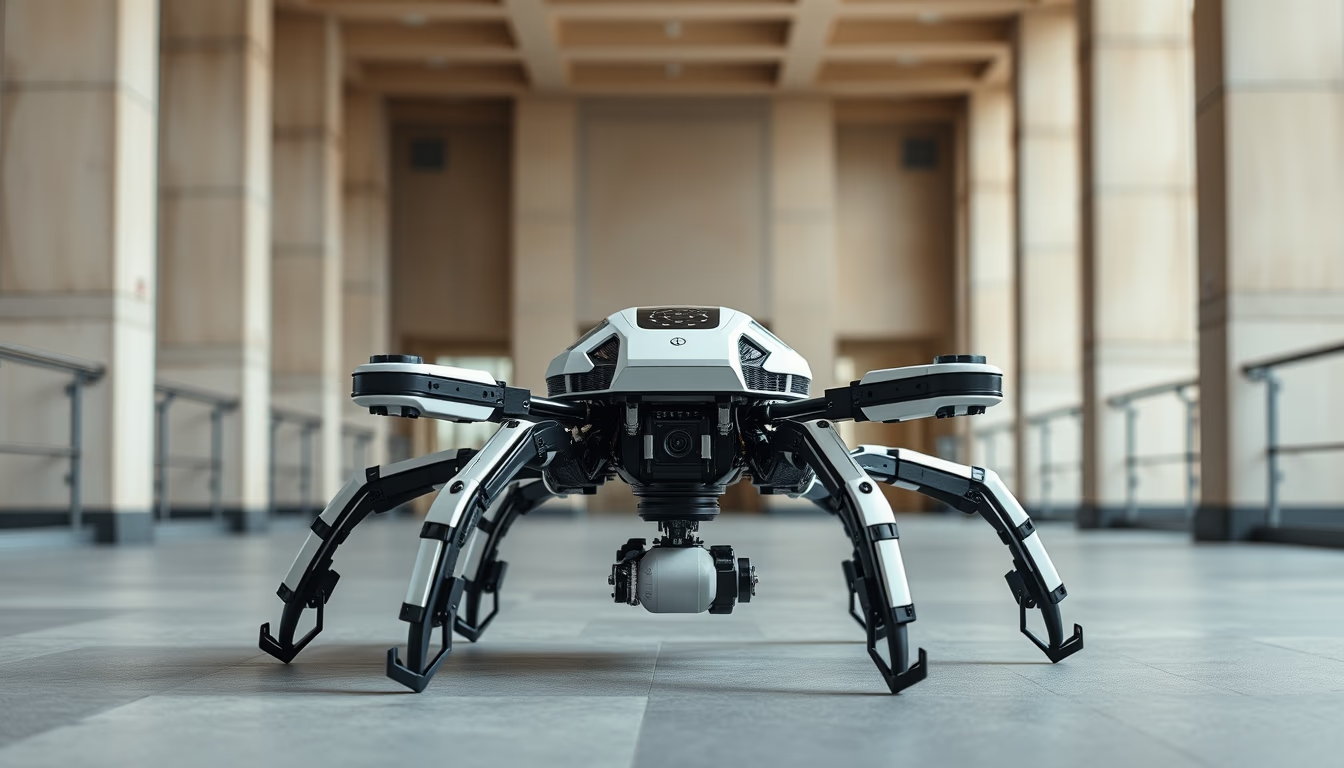
Collaborative robot cobot
1344×768 · AVIF · CC BY 4.0

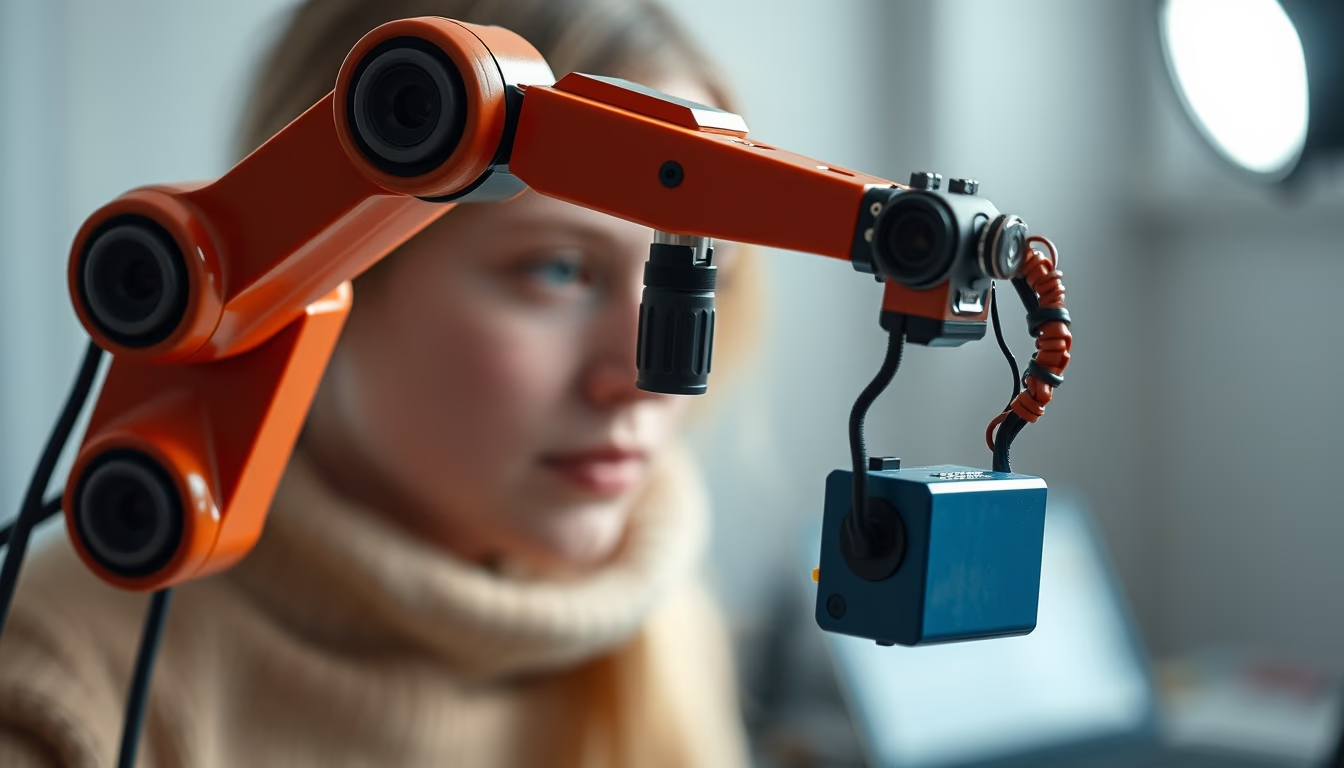
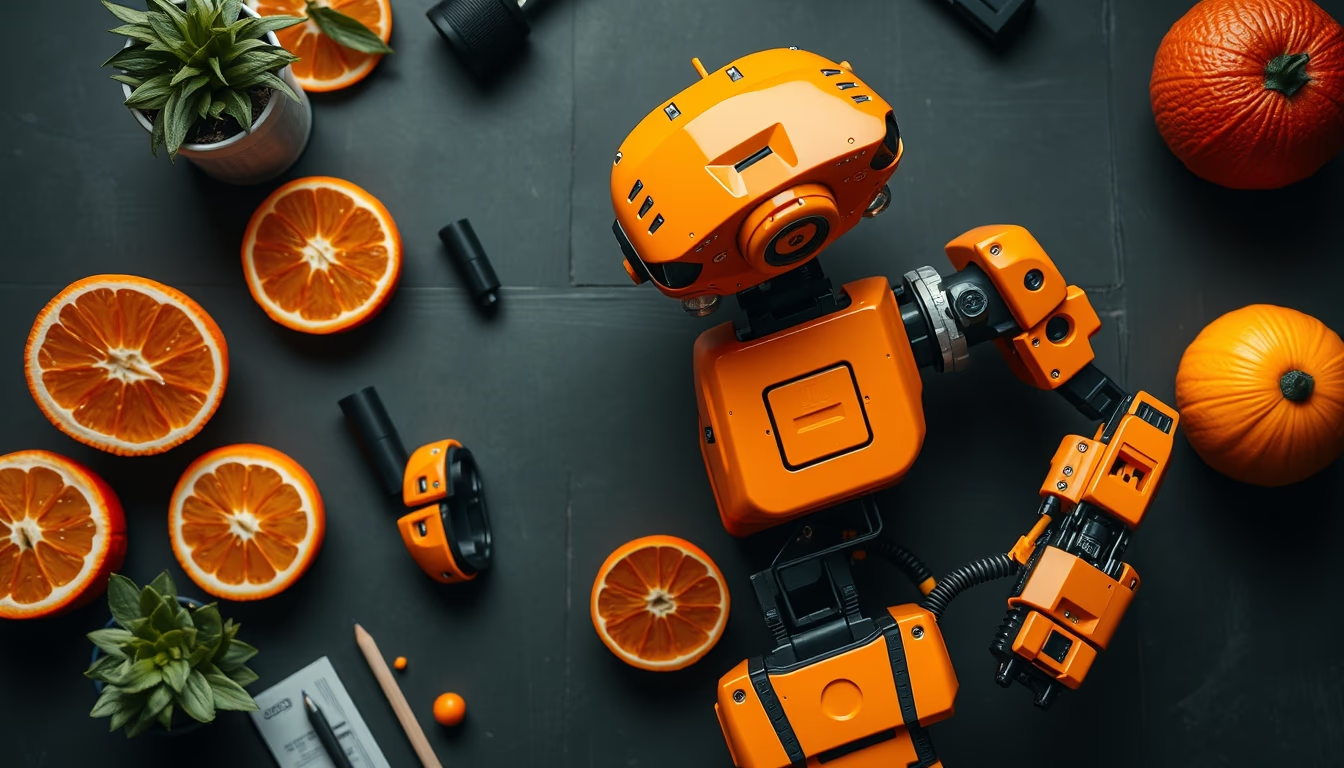
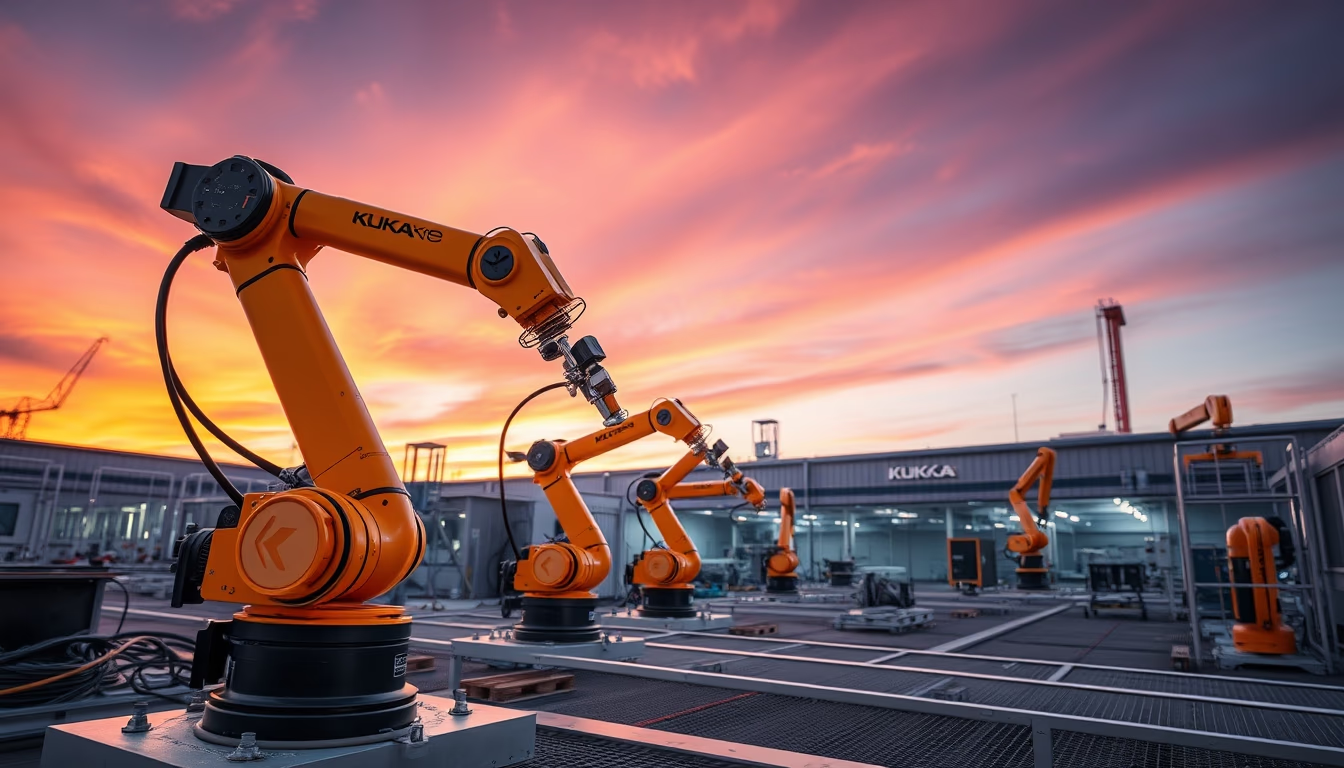
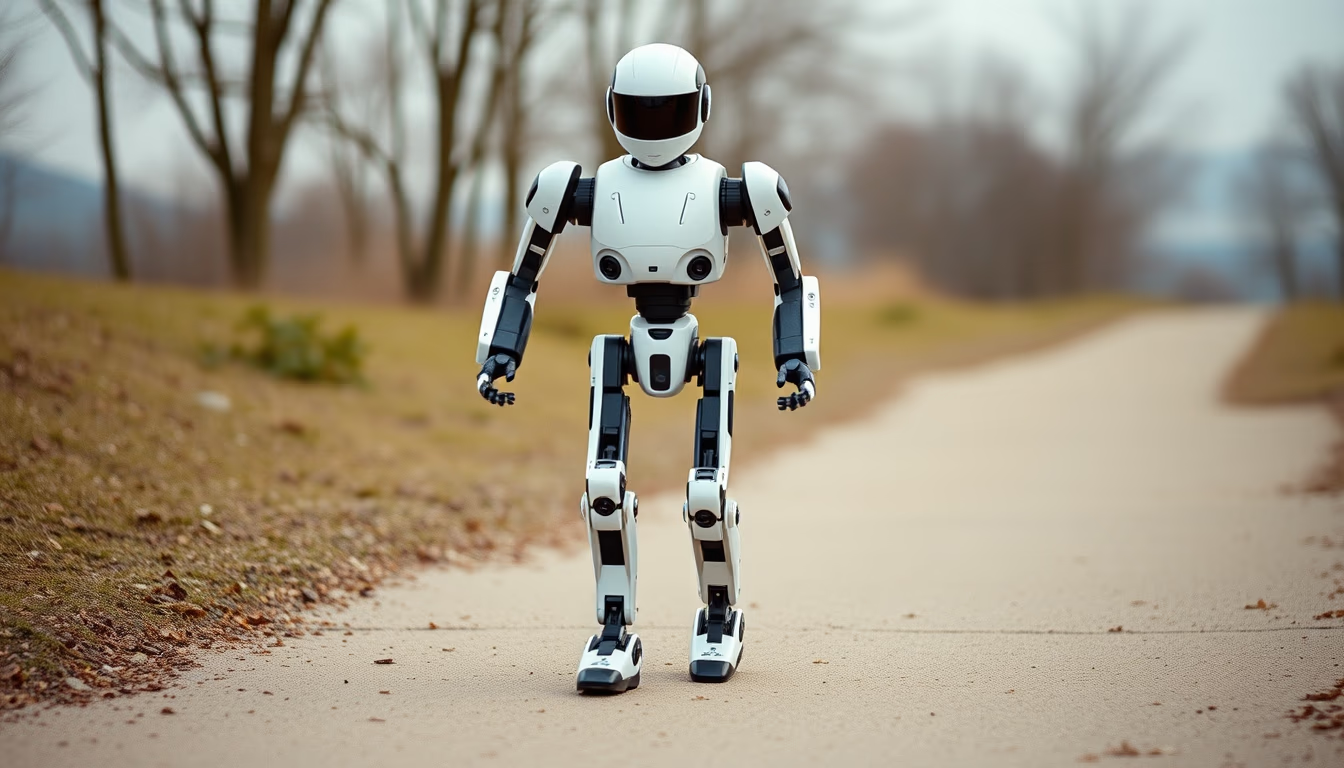
Cobots are collaborative robots designed to work alongside humans in industrial settings, offering safety and efficiency.
About this subject
Cobots, or collaborative robots, represent an evolution in industrial automation. Unlike traditional robots that operate isolated in safety cages, cobots are equipped with advanced sensors, force limits, and algorithms that allow safe interaction with human workers. This feature makes them ideal for repetitive, precise, or moderate-force tasks, relieving operators from strenuous efforts.
The concept of cobots emerged in the late 1990s from a joint research between Northwestern University and General Motors. The goal was to create machines that could assist assemblers without replacing them. Today, cobots are a core part of Industry 4.0, driving flexible automation in companies of all sizes. Sectors such as automotive, electronics, pharmaceutical, and logistics increasingly adopt these devices for tasks like assembly, inspection, packaging, and material handling.
A key technical milestone is the ISO/TS 15066 standard, which sets safety requirements for collaborative operation. It defines parameters such as maximum speed, force limits, and stopping distances, ensuring that in case of accidental contact, the robot does not cause injury to humans. Furthermore, cobots are intuitive to program, often through graphical interfaces or manual guidance, reducing the need for robotics specialists.
In the context of architecture and industrial design, cobots influence factory and laboratory layouts, enabling more compact and efficient workstations. Their presence also encourages reflection on human-machine collaboration in the built environment, integrating technology safely and productively.
Frequently Asked Questions
What is the difference between a collaborative robot and a traditional industrial robot?
Traditional industrial robots operate in isolated cells with safety barriers, while cobots can work directly alongside humans thanks to sensors and force limits that ensure safety.
Are cobots safe to work near humans?
Yes, as long as they follow ISO/TS 15066 guidelines. They have torque sensors, limited speeds, and automatic stop mechanisms in case of contact.
In which sectors are cobots most used?
Cobots are common in automotive manufacturing, electronics, pharmaceuticals, logistics, and even laboratories, performing tasks such as assembly, inspection, packaging, and material handling.
Direct URL
https://pub-c7d6a6ea828543ac903a74a341ccb2e1.r2.dev/imagens/collaborative-robot-cobot-architectural-photography-p3.avifHow to credit
Include a visible link back to UtilizAí. Copy one of the snippets below:
<a href="https://xn--utiliza-eza.com/en/midia/imagens/collaborative-robot-cobot-architectural-photography-p3">Collaborative robot cobot</a> by <a href="https://xn--utiliza-eza.com">UtilizAí</a>, licensed under <a href="https://creativecommons.org/licenses/by/4.0/">CC BY 4.0</a>.
[Collaborative robot cobot](https://xn--utiliza-eza.com/en/midia/imagens/collaborative-robot-cobot-architectural-photography-p3) by [UtilizAí](https://xn--utiliza-eza.com), CC BY 4.0
License: CC-BY-4.0