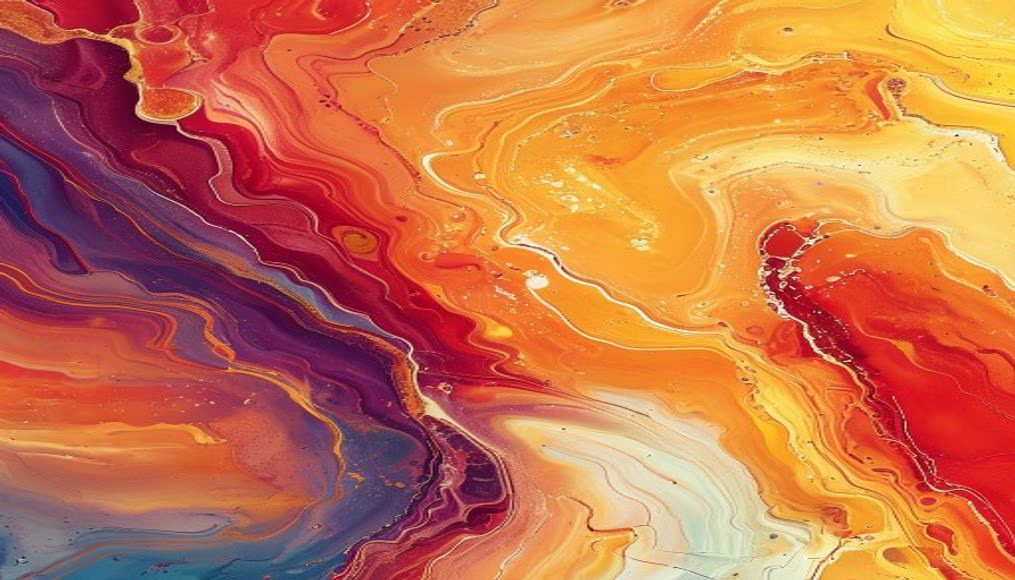
Bronze patina aged
1344×768 · AVIF · CC BY 4.0

Aged bronze patina is a natural process that gives greenish tones and unique textures to the metal, highly prized in art and high-fashion.
About this subject
Bronze patina is a surface layer that forms when the copper in the metal alloy reacts with oxygen, carbon dioxide, and moisture in the air over decades or centuries. This process, known as controlled oxidation, produces basic copper carbonate, responsible for the characteristic blue-green coloration of ancient statues and decorative objects. Unlike iron rust, patina protects the underlying metal, acting as a barrier against further corrosion.
In the art world, patina is often sought after for its aesthetic appeal and historical significance. Sculptors like Auguste Rodin and Renaissance artisans used techniques to accelerate or simulate patina, creating pieces that appear older and more noble. In jewelry and fashion accessories, aged patina is intentionally applied to evoke a sense of tradition, luxury, and timelessness, contrasting with polished, modern finishes.
In high-fashion, especially in editorial shoots and runway shows, the texture and colors of bronze patina serve as visual references for prints, fabrics, and accessories. Designers such as Alexander McQueen and fine jewelry brands incorporate patina tones into seasonal collections, aligning with sustainability trends and appreciation for craftsmanship. Patina is not just a chemical phenomenon but a symbol of the passage of time and imperfect beauty, concepts dear to contemporary haute couture.
Interestingly, the Statue of Liberty, made of copper, acquired its iconic green color after about 30 years of exposure to the salty air of New York Harbor. This example demonstrates how patina can become a trademark of monuments and culturally valuable objects, influencing everything from architecture to fashion design.
Frequently Asked Questions
What causes patina on bronze?
Patina results from the oxidation of copper in the bronze alloy when exposed to oxygen, moisture, and pollutants over time. This creates a protective layer of basic copper carbonate.
Does patina damage bronze?
No, unlike iron rust, patina protects the underlying metal, stabilizing the surface and preventing further corrosion. That's why it is often preserved on sculptures and historical objects.
Why is patina used in high fashion?
Patina's texture and greenish tones evoke sophistication, tradition, and aged beauty. In editorials, it inspires prints, fabrics, and accessories that convey timeless luxury and craftsmanship.
Direct URL
https://pub-c7d6a6ea828543ac903a74a341ccb2e1.r2.dev/imagens/bronze-patina-aged-high-fashion-editorial-p0.avifHow to credit
Include a visible link back to UtilizAí. Copy one of the snippets below:
<a href="https://xn--utiliza-eza.com/en/midia/imagens/bronze-patina-aged-high-fashion-editorial-p0">Bronze patina aged</a> by <a href="https://xn--utiliza-eza.com">UtilizAí</a>, licensed under <a href="https://creativecommons.org/licenses/by/4.0/">CC BY 4.0</a>.
[Bronze patina aged](https://xn--utiliza-eza.com/en/midia/imagens/bronze-patina-aged-high-fashion-editorial-p0) by [UtilizAí](https://xn--utiliza-eza.com), CC BY 4.0
License: CC-BY-4.0