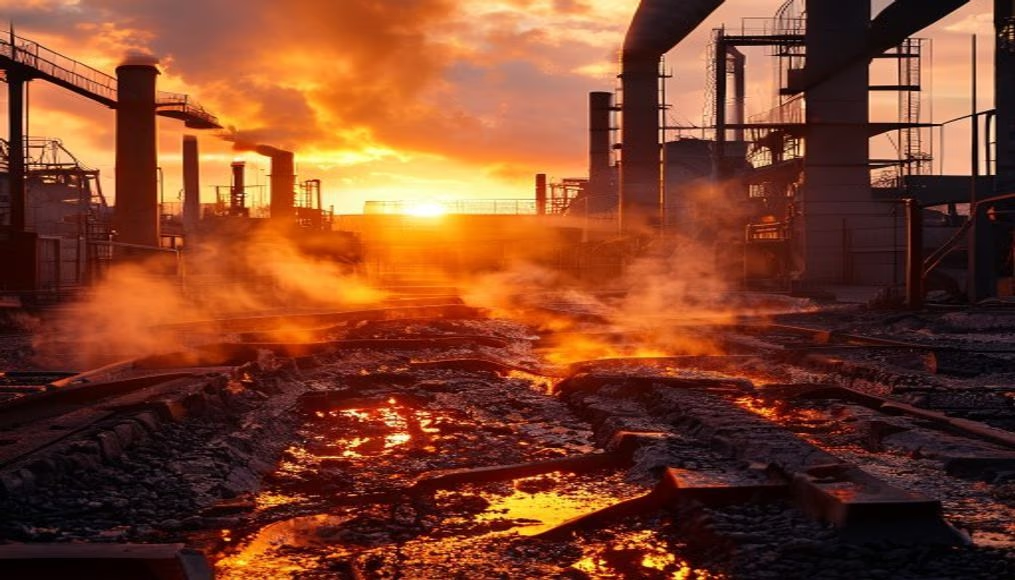
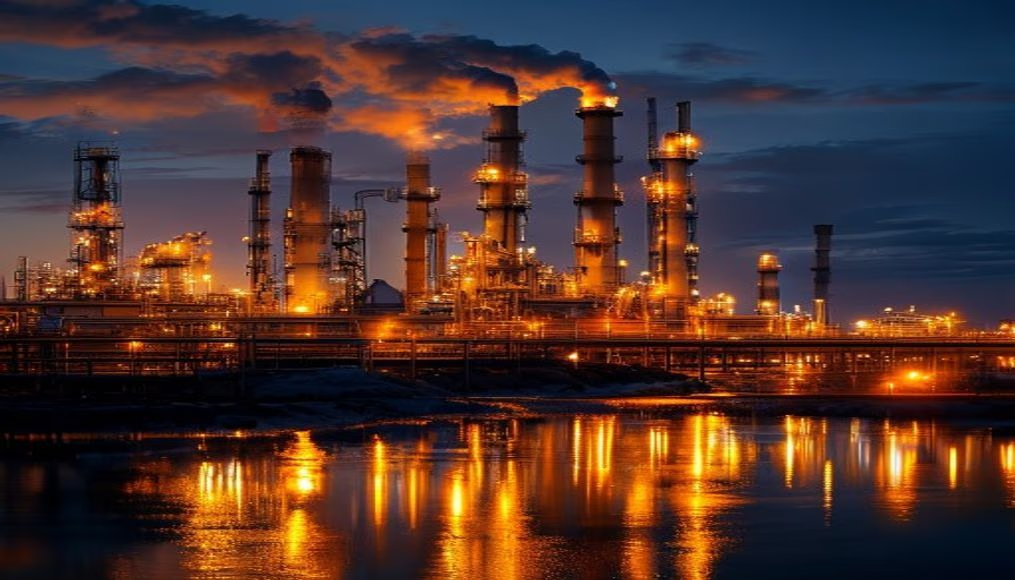
Biomass plant facility
1344×768 · AVIF · CC BY 4.0

Biomass plant converts organic waste into electricity, reducing emissions and utilizing renewable resources.
About this subject
A biomass plant is an industrial facility that generates electricity and heat by burning or processing organic materials, such as agricultural, forestry, urban waste, or effluents. Unlike conventional thermal power plants that use fossil fuels, biomass is considered renewable because the carbon emitted during combustion is reabsorbed by plants during growth, closing the cycle. In Brazil, biomass accounts for about 9% of the energy matrix, notably sugarcane bagasse used in sugarcane mills for cogeneration of electricity and heat.
The technology varies by biomass type. Direct combustion plants burn solid waste in boilers to produce steam that drives turbines. Gasification plants convert biomass into combustible gas (syngas) for engines or turbines. Anaerobic digestion, common in landfills and treatment plants, produces methane-rich biogas that feeds generators. Each technological route has different efficiencies and costs, but all contribute to decentralized energy generation and waste reduction.
Globally, biomass is the third largest renewable energy source, after hydro and wind. Countries like Germany, the United States, and China lead in installed capacity. In Brazil, besides sugarcane bagasse, rice husk, reforestation wood, and charcoal are notable. Biomass plants can also integrate district heating systems, as in Scandinavian cities, where excess heat is distributed to homes and industries. Despite benefits, challenges include biomass collection logistics, seasonal supply variability, and emission control of particulates and pollutants.
Interestingly, the world's first biomass plant was built in 1882 in New York, burning garbage to generate electricity. Today, biomass is key in the energy transition, especially to replace coal in agricultural regions. In Brazil, the National Biodiesel Production and Use Program (PNPB) and RenovaBio encourage bioenergy expansion, creating rural jobs and reducing fossil fuel dependence. The image of a modern biomass facility reflects technological progress and the pursuit of sustainable solutions.
Frequently Asked Questions
What is the difference between biomass and biofuel?
Biomass is the raw organic material (waste, plants), while biofuel is the processed product, such as ethanol, biodiesel, or biogas. A biomass plant can generate energy directly or produce biofuels.
Does biomass pollute less than coal?
Yes, biomass emits less sulfur and mercury, and the CO₂ emitted is offset by plant growth. However, burning releases particulates and NOx, requiring filters and control.
What waste can be used in a biomass plant?
Agricultural waste (bagasse, husks), forestry waste (sawdust, wood chips), municipal waste (organic trash), and effluents (manure, sewage). Each type requires specific technology.
Direct URL
https://pub-c7d6a6ea828543ac903a74a341ccb2e1.r2.dev/imagens/biomass-plant-facility-studio-editorial-portrait.avifHow to credit
Include a visible link back to UtilizAí. Copy one of the snippets below:
<a href="https://xn--utiliza-eza.com/en/midia/imagens/biomass-plant-facility-studio-editorial-portrait">Biomass plant facility</a> by <a href="https://xn--utiliza-eza.com">UtilizAí</a>, licensed under <a href="https://creativecommons.org/licenses/by/4.0/">CC BY 4.0</a>.
[Biomass plant facility](https://xn--utiliza-eza.com/en/midia/imagens/biomass-plant-facility-studio-editorial-portrait) by [UtilizAí](https://xn--utiliza-eza.com), CC BY 4.0
License: CC-BY-4.0