Bible old leather
1344×768 · AVIF · CC BY 4.0
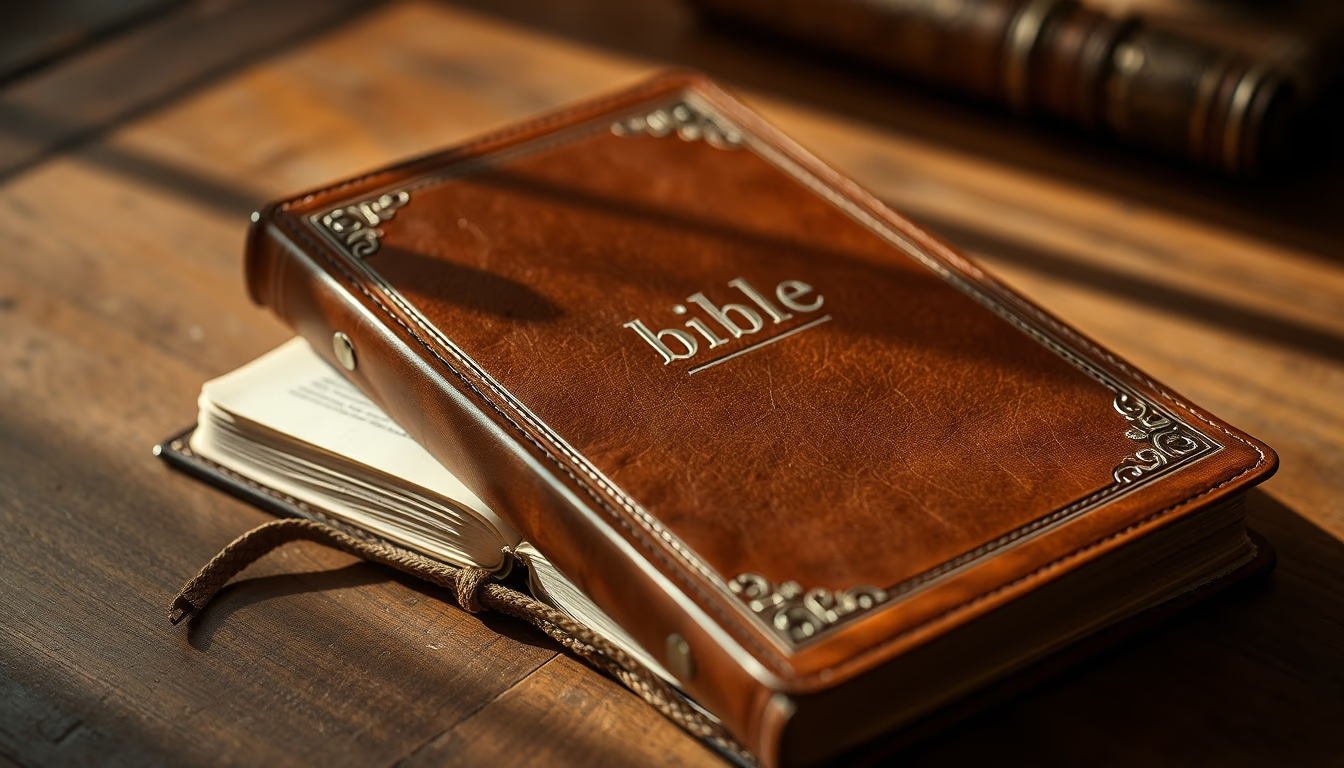
An old leather-bound Bible, symbolizing tradition and the art of religious bookbinding through the centuries.
About this subject
The Bible is the most printed and translated book in history, and its leather bindings represent a tradition dating back to the Middle Ages. Leather, usually from calf, goat, or sheep, was chosen for its durability and flexibility, allowing manuscripts to be protected for centuries. Tanning and gilding techniques evolved, with European artisans, especially in France and Germany, developing styles such as embossed leather and morocco.
In Brazil, old leather Bibles are found in historic churches and private collections, often brought by Portuguese colonizers. Leather binding was not only functional but also a status marker: wealthy families commissioned covers with metal fittings and intricate embossing. The National Library of Rio de Janeiro holds rare 16th-century copies, some with metal clasps.
Interestingly, the production of leather Bibles declined after the 19th century with the rise of cheaper cardboard and cloth bindings. However, leather remains the preferred material for luxury and liturgical editions. Preserving these pieces requires humidity and temperature control, as leather can dry out or mold. Restorers use techniques such as cleaning with mild soap and moisturizing with lanolin.
The leather Bible also carries symbolic meaning: leather represents the durability of the divine word and the solemnity of the sacred text. Many old editions feature handwritten annotations and bookplates, telling stories of their former owners. These volumes are testimonies to the history of the book and faith.
Frequently Asked Questions
Why was leather used in ancient Bibles?
Leather was chosen for its durability, flexibility, and resistance to wear, protecting the content for centuries. It also allowed decorations like gilding and embossing, conferring status to the owner.
How to preserve an old leather Bible?
Keep it in an environment with 40-60% humidity and temperature below 25°C. Avoid direct sunlight and handle with cotton gloves. For cleaning, use a soft brush; do not apply oils or homemade products without a restorer's guidance.
What are the most common types of leather in Bible bindings?
The most common are calfskin, goatskin (morocco), and sheepskin. Morocco, with its fine texture, was preferred for luxury editions.
Direct URL
https://pub-c7d6a6ea828543ac903a74a341ccb2e1.r2.dev/imagens/bible-old-leather-magazine-editorial-p7.avifHow to credit
Include a visible link back to UtilizAí. Copy one of the snippets below:
<a href="https://xn--utiliza-eza.com/en/midia/imagens/bible-old-leather-magazine-editorial-p7">Bible old leather</a> by <a href="https://xn--utiliza-eza.com">UtilizAí</a>, licensed under <a href="https://creativecommons.org/licenses/by/4.0/">CC BY 4.0</a>.
[Bible old leather](https://xn--utiliza-eza.com/en/midia/imagens/bible-old-leather-magazine-editorial-p7) by [UtilizAí](https://xn--utiliza-eza.com), CC BY 4.0
License: CC-BY-4.0