Bible old leather
1344×768 · AVIF · CC BY 4.0
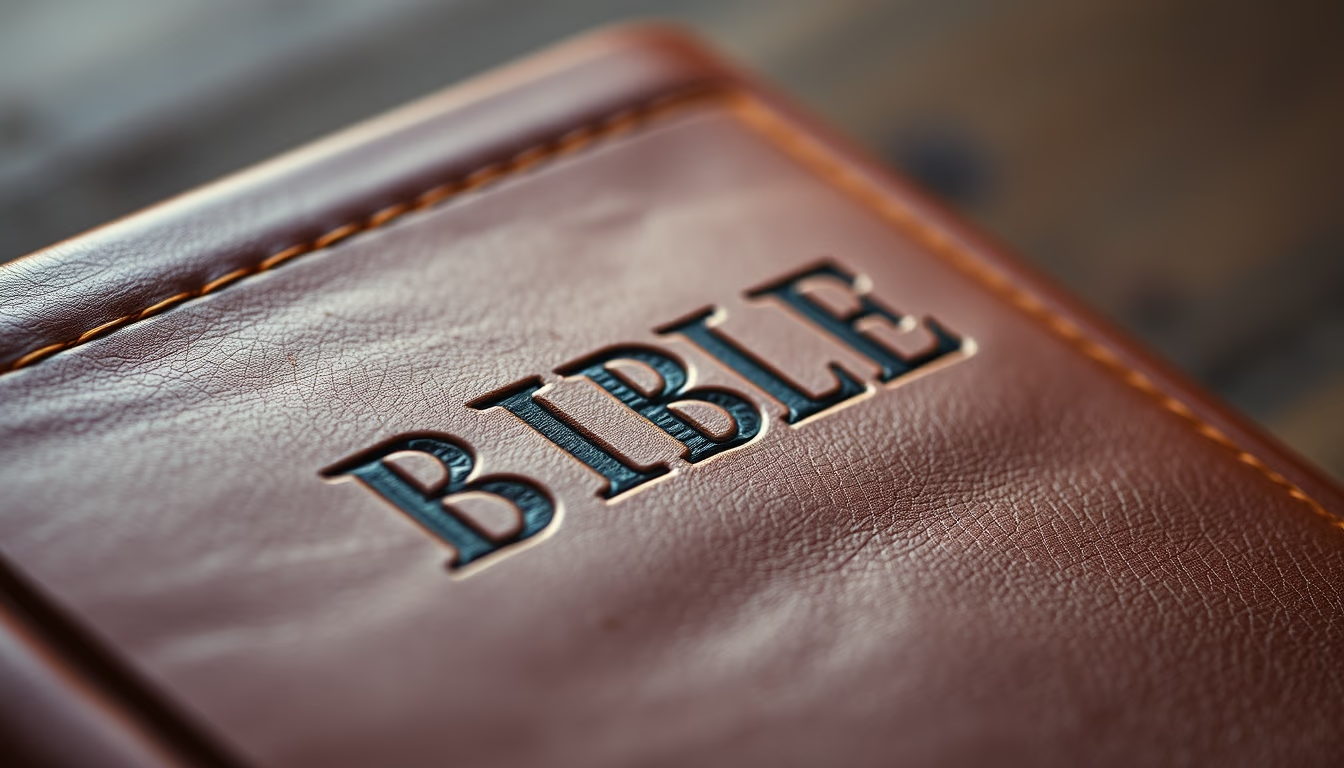
An old leather-bound Bible, a testament to religious tradition and the art of manual bookbinding through the centuries.
About this subject
The leather-bound Bible is one of the most significant objects in Western religious and cultural history. For centuries, leather binding was the preferred method to protect and embellish the Holy Scriptures, especially in editions intended for churches, monasteries, and wealthy families. The leather, usually calf, goat, or sheep, was tanned and handcrafted, often with decorative tools that created embossing, gilding, and metal clasps.
In medieval and Renaissance Europe, the production of handwritten and later printed Bibles was a true art form. Monk copyists and illuminators dedicated months or years to each copy. With Gutenberg's invention of the printing press in the 15th century, demand for Bibles increased, and leather binding became standard for luxury editions and liturgical use. Many of these Bibles survived the centuries, becoming valuable collector's items and objects of study.
Preserving an old leather Bible requires special care, such as avoiding direct sunlight, excessive humidity, and sharp temperature changes. The leather can dry out or develop mold if not kept in a suitable environment. Interestingly, some old Bibles have rag paper pages, which withstand time better than modern acidic paper. The characteristic smell of an old leather Bible, a mix of tanning, ink, and dust, is often described as nostalgic and evocative.
Today, leather Bibles are still produced, but antique ones are considered cultural heritage. They not only contain sacred texts but also tell the story of typographic evolution, the art of bookbinding, and religious practices of different eras. A well-preserved specimen can fetch thousands of dollars at auctions, sought after by bibliophiles and institutions.
Frequently Asked Questions
Why were old Bibles bound in leather?
Leather was a strong and durable material that protected the pages from physical and environmental damage. It also allowed elaborate decorations, such as embossing and gilding, which enhanced the sacred content and indicated the owner's status.
How to preserve an old leather Bible?
Keep it in a stable environment (18-22°C, 45-55% relative humidity). Avoid direct sunlight, dust, and excessive handling. Use cotton gloves when touching and store it upright, supported by books of the same size to prevent spine distortion.
What is the historical significance of leather-bound Bibles?
They are material records of the history of printing, bookbinding art, and religious practices. Many contain owner annotations, ecclesiastical library stamps, and evidence of liturgical use, offering valuable insights into the cultural and spiritual life of past eras.
Direct URL
https://pub-c7d6a6ea828543ac903a74a341ccb2e1.r2.dev/imagens/bible-old-leather-macro-closeup-p4.avifHow to credit
Include a visible link back to UtilizAí. Copy one of the snippets below:
<a href="https://xn--utiliza-eza.com/en/midia/imagens/bible-old-leather-macro-closeup-p4">Bible old leather</a> by <a href="https://xn--utiliza-eza.com">UtilizAí</a>, licensed under <a href="https://creativecommons.org/licenses/by/4.0/">CC BY 4.0</a>.
[Bible old leather](https://xn--utiliza-eza.com/en/midia/imagens/bible-old-leather-macro-closeup-p4) by [UtilizAí](https://xn--utiliza-eza.com), CC BY 4.0
License: CC-BY-4.0