Bible old leather
1344×768 · AVIF · CC BY 4.0
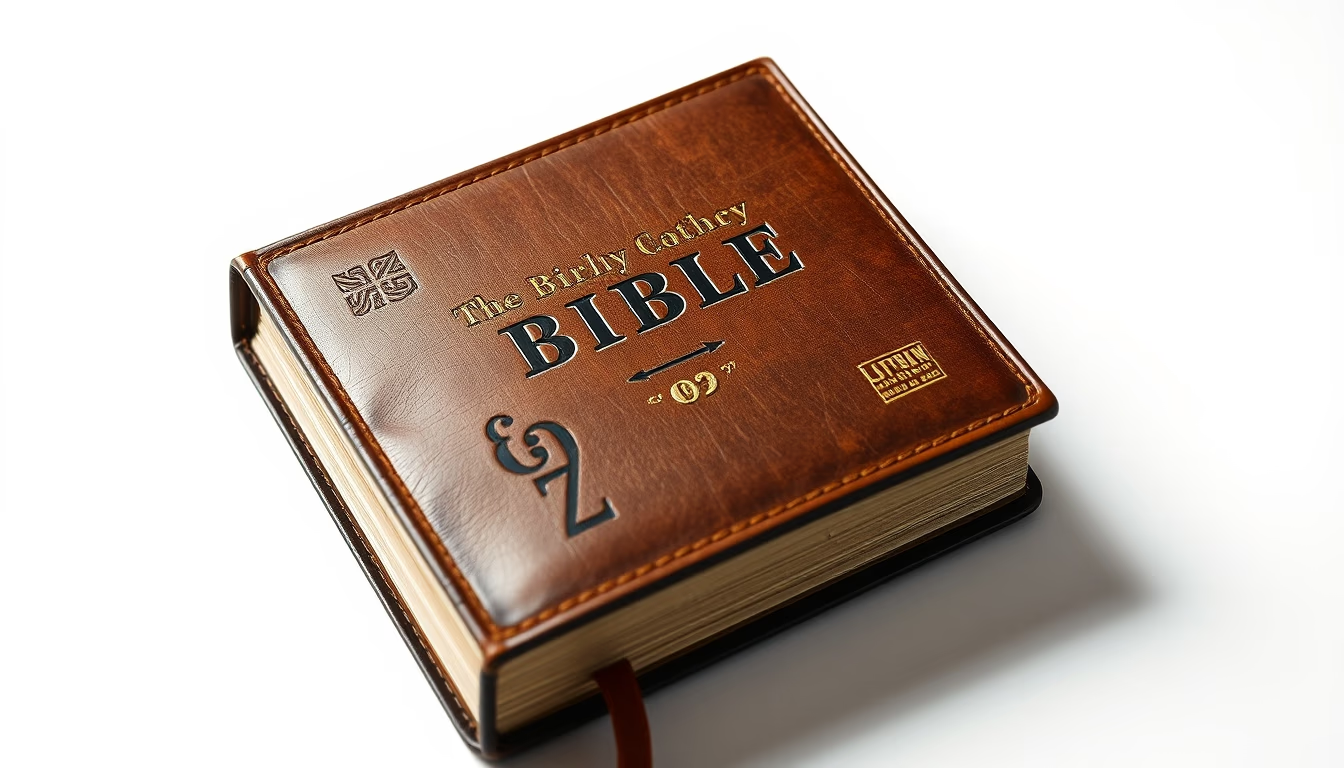
An old leather-bound Bible represents centuries of religious and artisan tradition, uniting faith and historical preservation.
About this subject
Leather-bound Bibles are artifacts that combine faith, history, and craftsmanship. Since the Middle Ages, leather was the preferred material to protect precious manuscripts due to its durability and flexibility. Early printed Bibles, such as the Gutenberg Bible (15th century), already received leather bindings, often decorated with metal fittings and embossing. The types of leather varied: calfskin was common in Europe, while goatskin was valued for its texture. Pigskin appeared in more rustic editions. The production of a leather binding involved complex processes. First, the leather was vegetable-tanned for strength. Then it was dyed with natural colorants like tannin and gallnut. Artisans used heated tools to create raised designs, sometimes with gold leaf. The pages were sewn onto leather or cord supports, ensuring the book opened flat. Study Bibles from the 17th century often had metal clasps and corner pieces to protect the edges. Over time, leather develops a natural patina: stains, wear, and darkening that tell the story of use. You often find hand marks, wax drips, or marginal notes. These signs increase historical and sentimental value. The oldest leather Bibles are museum pieces, but 19th-century copies can still be found in used bookstores and auctions. Proper conservation requires controlled humidity, indirect light, and careful handling. The tradition of binding Bibles in leather persists today, although many modern copies use synthetic leather. Nonetheless, genuine leather is associated with luxury and family editions passed down through generations. Knowing the details of binding helps date and value these objects, which are material testimonies of devotion and bibliographic art.
Frequently Asked Questions
Which leather is most common in old Bibles?
The most common are calfskin, goatskin, and sometimes pigskin. Each offers different texture and durability, with goatskin being the most valued.
How to identify the age of a leather Bible?
Examine the leather condition, sewing style, hardware, and decoration techniques. Publisher marks, title page date, and binding style are clues. Consulting antique catalogs helps in dating.
What is the importance of the Gutenberg Bible for leather bindings?
The Gutenberg Bible, printed in 1455, was often bound in leather by its first owners. It set a quality standard and inspired techniques used for centuries.
Direct URL
https://pub-c7d6a6ea828543ac903a74a341ccb2e1.r2.dev/imagens/bible-old-leather-commercial-product-photography-p8.avifHow to credit
Include a visible link back to UtilizAí. Copy one of the snippets below:
<a href="https://xn--utiliza-eza.com/en/midia/imagens/bible-old-leather-commercial-product-photography-p8">Bible old leather</a> by <a href="https://xn--utiliza-eza.com">UtilizAí</a>, licensed under <a href="https://creativecommons.org/licenses/by/4.0/">CC BY 4.0</a>.
[Bible old leather](https://xn--utiliza-eza.com/en/midia/imagens/bible-old-leather-commercial-product-photography-p8) by [UtilizAí](https://xn--utiliza-eza.com), CC BY 4.0
License: CC-BY-4.0