Autoclave sterilizer
1344×768 · AVIF · CC BY 4.0
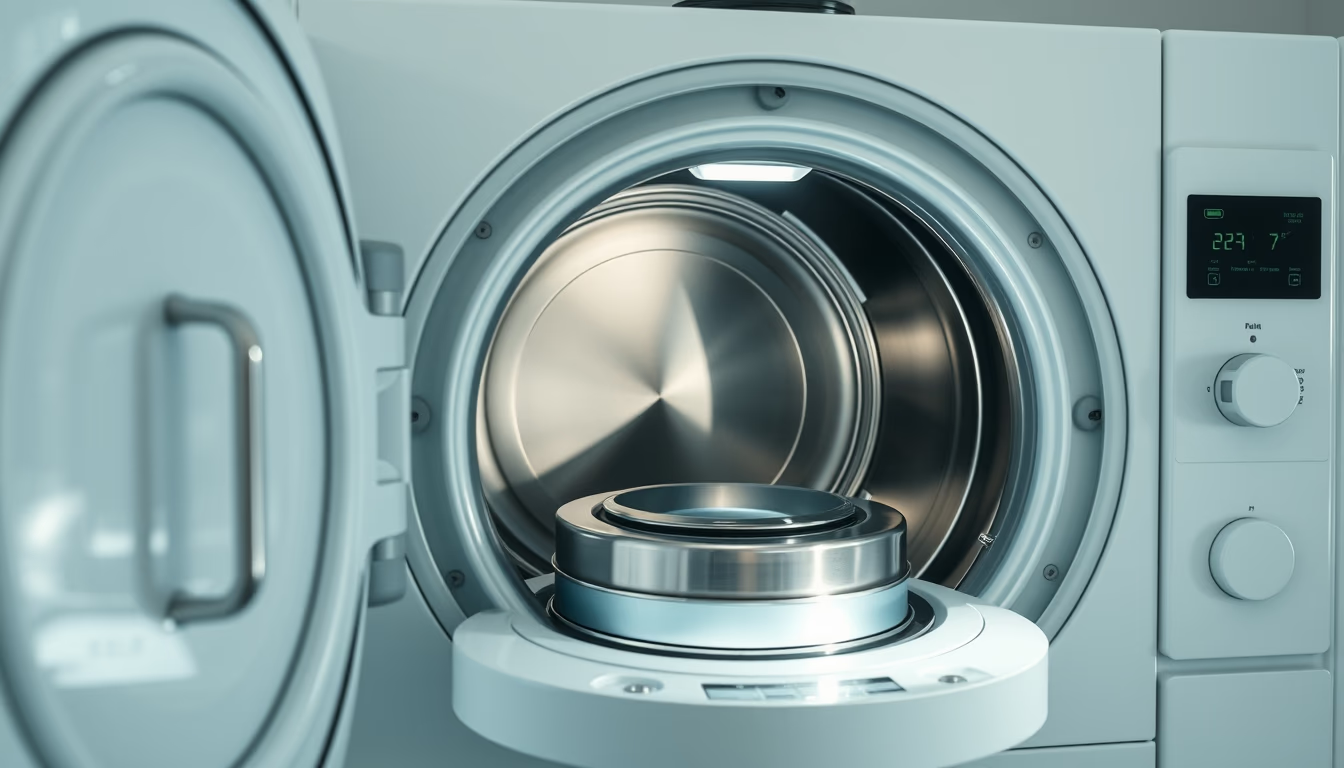
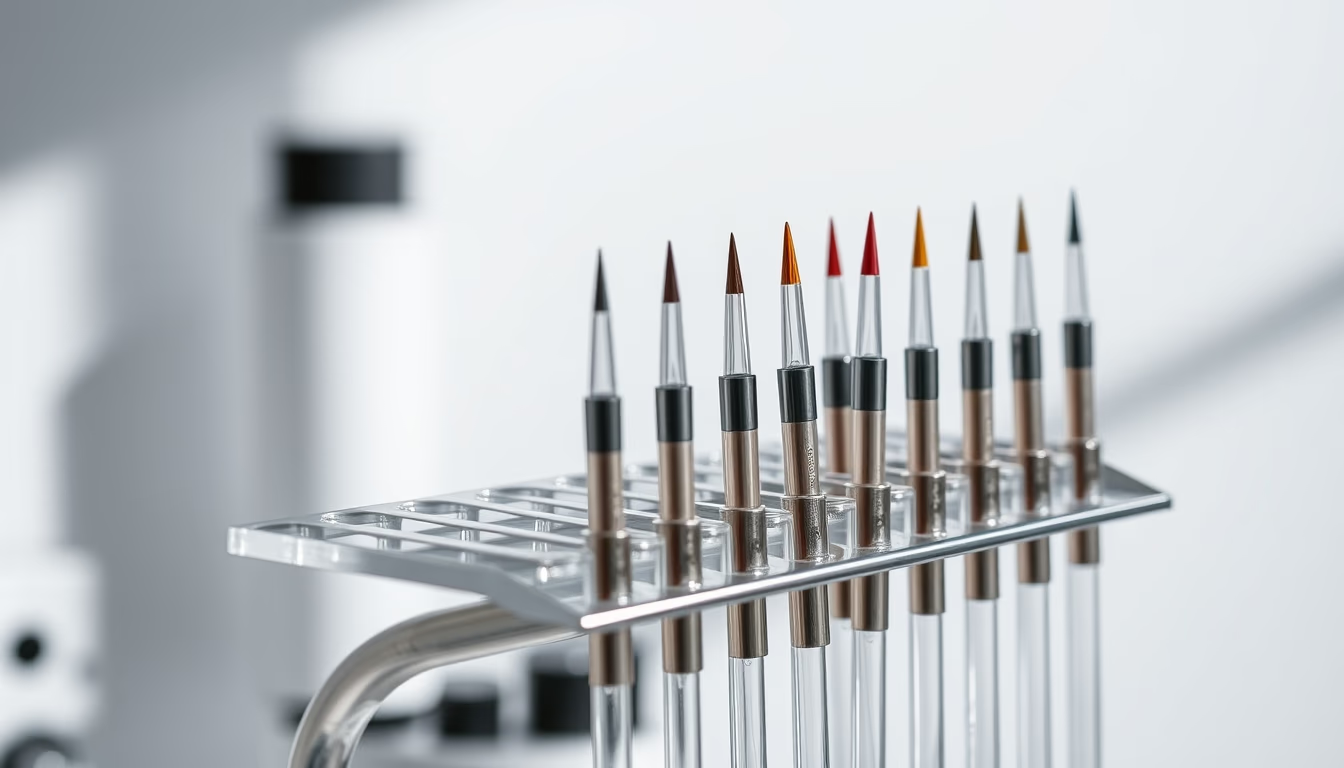
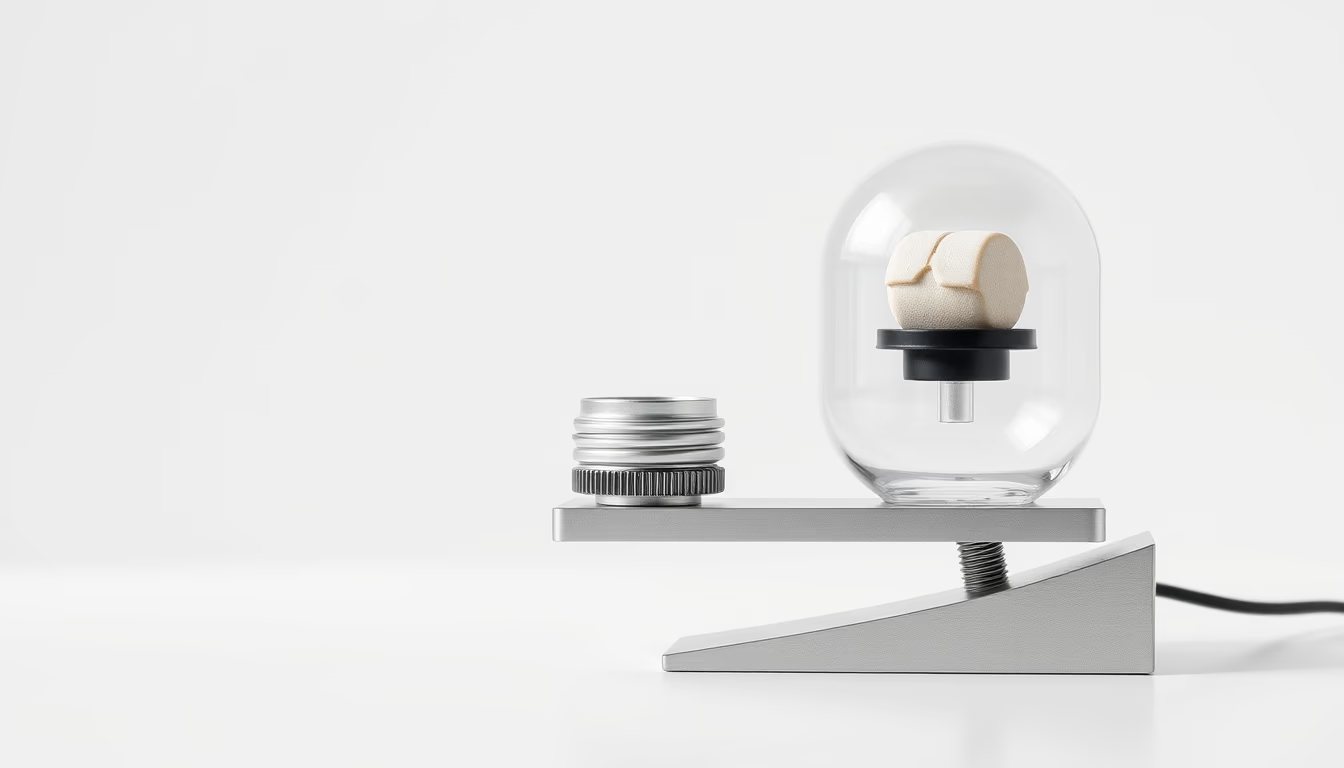
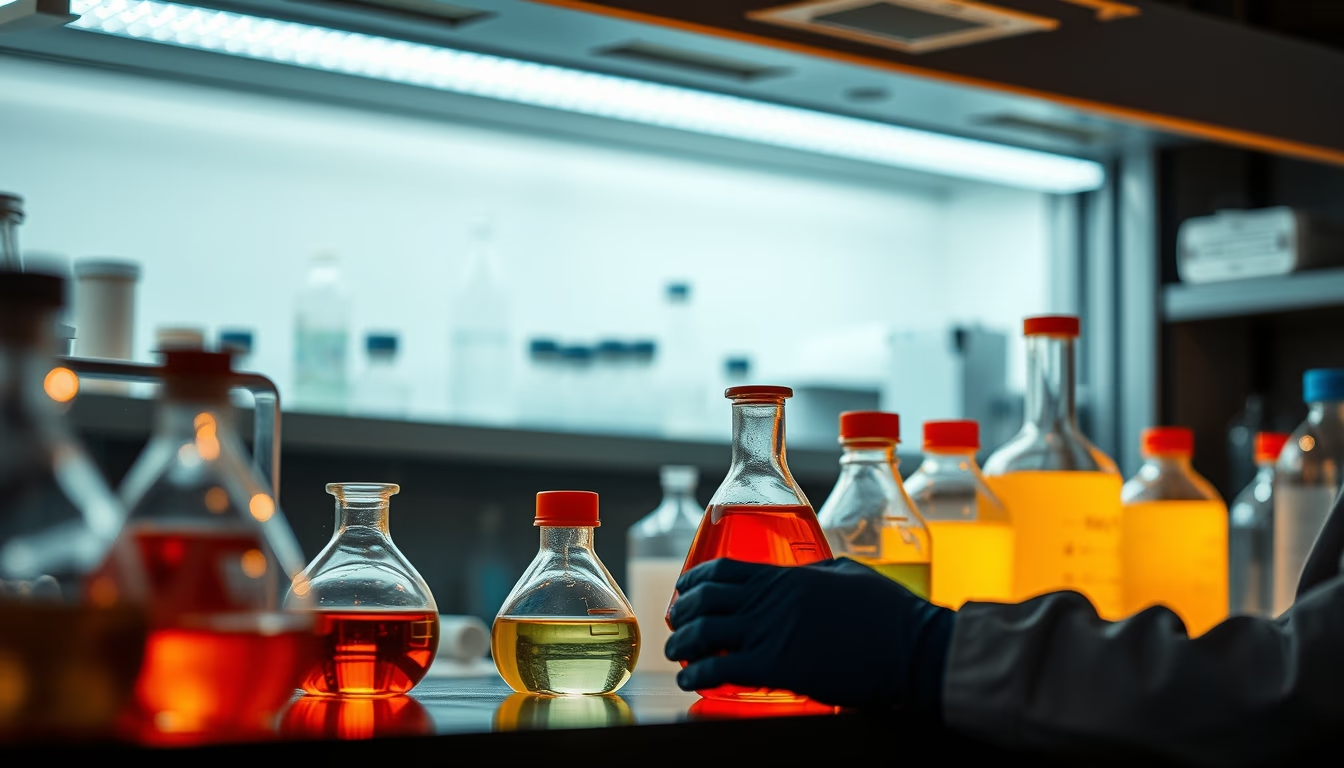
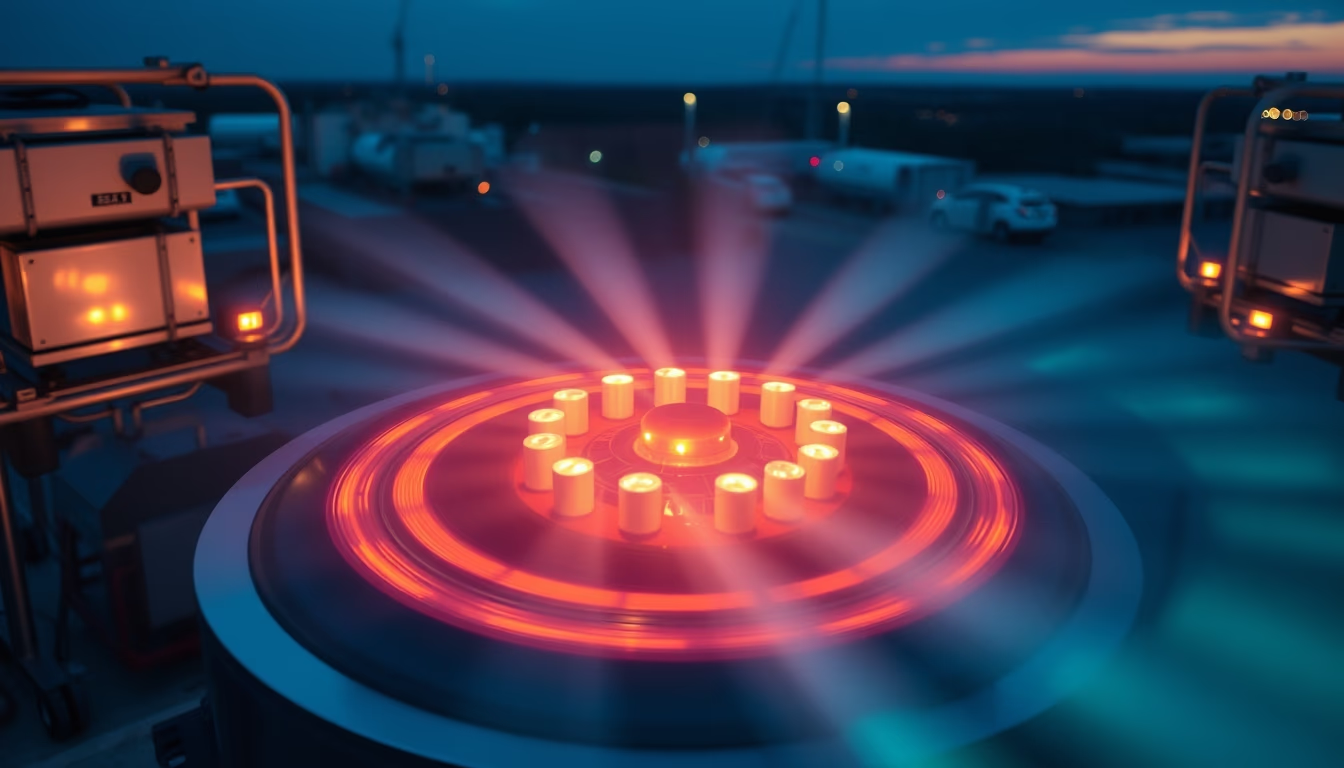
Autoclave sterilizer, essential equipment in laboratories and hospitals for sterilization using saturated steam under pressure.
About this subject
The autoclave is a sterilization device widely used in laboratories, hospitals, and pharmaceutical industries to eliminate microorganisms, including bacterial spores, from instruments and materials. Its operating principle relies on saturated steam at temperatures ranging from 121°C to 134°C under controlled pressure, typically between 1.0 and 2.2 kgf/cm². This process, known as moist heat, denatures proteins and nucleic acids of microorganisms, ensuring sterility. Typical cycles last 15 to 30 minutes, depending on the load and material type. Invented by Charles Chamberland in 1879, the autoclave has evolved into modern models with digital controls and safety systems. In practice, it is used to sterilize culture media, glassware, surgical instruments, and biological waste before disposal. Cycle validation is performed with biological indicators, such as spores of Geobacillus stearothermophilus, which confirm sterilization efficacy. In Brazil, ANVISA establishes strict regulations for autoclave use in healthcare services, such as RDC 15/2012, which defines good practices and quality control requirements.
Frequently Asked Questions
What is the difference between an autoclave and a dry heat sterilizer?
An autoclave uses moist heat (steam) under pressure, achieving higher penetration and lower temperatures (121°C to 134°C). A dry heat sterilizer uses hot air, requiring higher temperatures (160°C to 180°C) and longer exposure, suitable for materials that cannot be wet.
How long does an autoclave cycle take?
A typical cycle lasts 20 to 30 minutes for light loads, but can extend to 60 minutes for dense or large items. The time includes heating, exposure to sterilization temperature, and cooling.
How do you verify autoclave sterilization effectiveness?
Biological indicators containing spores of Geobacillus stearothermophilus are used. After the cycle, the spores are incubated; if no growth occurs, sterilization is confirmed. Chemical indicators (tapes or labels) change color to attest steam exposure.
Direct URL
https://pub-c7d6a6ea828543ac903a74a341ccb2e1.r2.dev/imagens/autoclave-sterilizer-minimalist-composition-fresh18.avifHow to credit
Include a visible link back to UtilizAí. Copy one of the snippets below:
<a href="https://xn--utiliza-eza.com/en/midia/imagens/autoclave-sterilizer-minimalist-composition-fresh18">Autoclave sterilizer</a> by <a href="https://xn--utiliza-eza.com">UtilizAí</a>, licensed under <a href="https://creativecommons.org/licenses/by/4.0/">CC BY 4.0</a>.
[Autoclave sterilizer](https://xn--utiliza-eza.com/en/midia/imagens/autoclave-sterilizer-minimalist-composition-fresh18) by [UtilizAí](https://xn--utiliza-eza.com), CC BY 4.0
License: CC-BY-4.0