Agricultural robot field
1344×768 · AVIF · CC BY 4.0
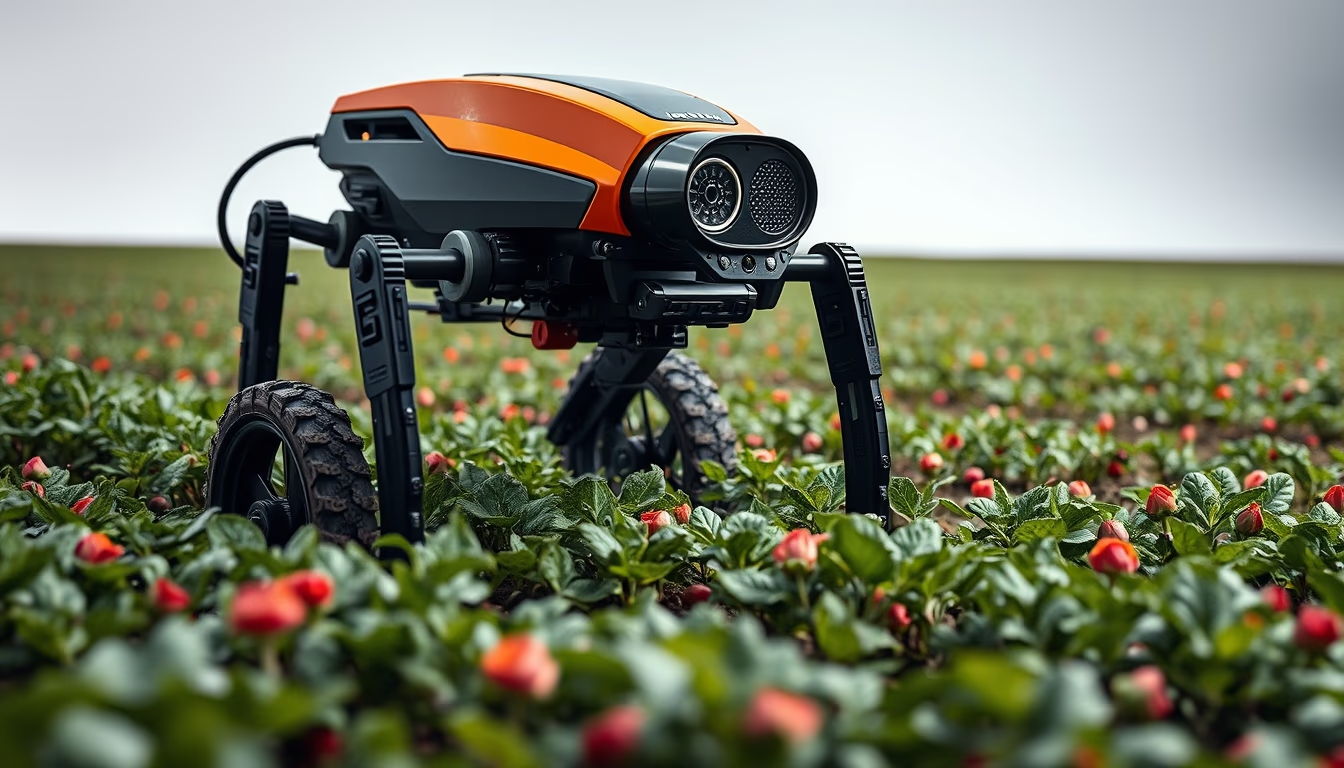
Agricultural robots automate planting, harvesting, and crop monitoring, boosting productivity and reducing pesticide use.
About this subject
Agricultural robots are among the most promising applications of robotics in farming. Various models already operate worldwide, performing tasks such as precision seeding, selective herbicide spraying, and harvesting delicate fruits. Companies like John Deere and Aigen Robotics have developed autonomous machines equipped with LiDAR sensors, multispectral cameras, and artificial intelligence to navigate between crop rows and identify weeds or diseases. In Brazil, startups like Solinftec and Koppert offer robotic solutions for monitoring large areas, particularly in soybean, corn, and sugarcane crops. These machines can work 24/7, collecting real-time data on soil moisture, plant growth stage, and pest presence. The adoption of agricultural robots contributes to precision agriculture, reducing input waste and minimizing environmental impact. A notable example is the 'TerraSentia' robot, developed by EarthSense, which weighs less than 30 kg and glides under foliage to capture images and metrics of plants. Despite the benefits, challenges such as high upfront costs, need for connectivity in rural areas, and adaptation to different soil types still limit widespread adoption. However, with falling prices of sensors and batteries, agricultural robots are expected to become more affordable in the coming years, especially in countries with strong agricultural production like Brazil.
Frequently Asked Questions
What are the main types of agricultural robots?
Main types include harvesting robots, autonomous sprayers, crop monitoring robots, and agricultural drones. Each is specialized for tasks such as pest detection or gentle fruit picking.
How do agricultural robots impact sustainability?
They enable targeted application of fertilizers and pesticides, reducing chemical use. They also optimize water and fuel consumption, lowering agriculture's carbon footprint.
Are there agricultural robots operating in Brazil?
Yes, companies like Solinftec and Koppert already use robots for monitoring soybean and sugarcane fields. Brazilian startups are also developing prototypes for coffee and orange harvesting.
Direct URL
https://pub-c7d6a6ea828543ac903a74a341ccb2e1.r2.dev/imagens/agricultural-robot-field-studio-still-life-p1.avifHow to credit
Include a visible link back to UtilizAí. Copy one of the snippets below:
<a href="https://xn--utiliza-eza.com/en/midia/imagens/agricultural-robot-field-studio-still-life-p1">Agricultural robot field</a> by <a href="https://xn--utiliza-eza.com">UtilizAí</a>, licensed under <a href="https://creativecommons.org/licenses/by/4.0/">CC BY 4.0</a>.
[Agricultural robot field](https://xn--utiliza-eza.com/en/midia/imagens/agricultural-robot-field-studio-still-life-p1) by [UtilizAí](https://xn--utiliza-eza.com), CC BY 4.0
License: CC-BY-4.0