Woodturning chisel detail
1344×768 · AVIF · CC BY 4.0
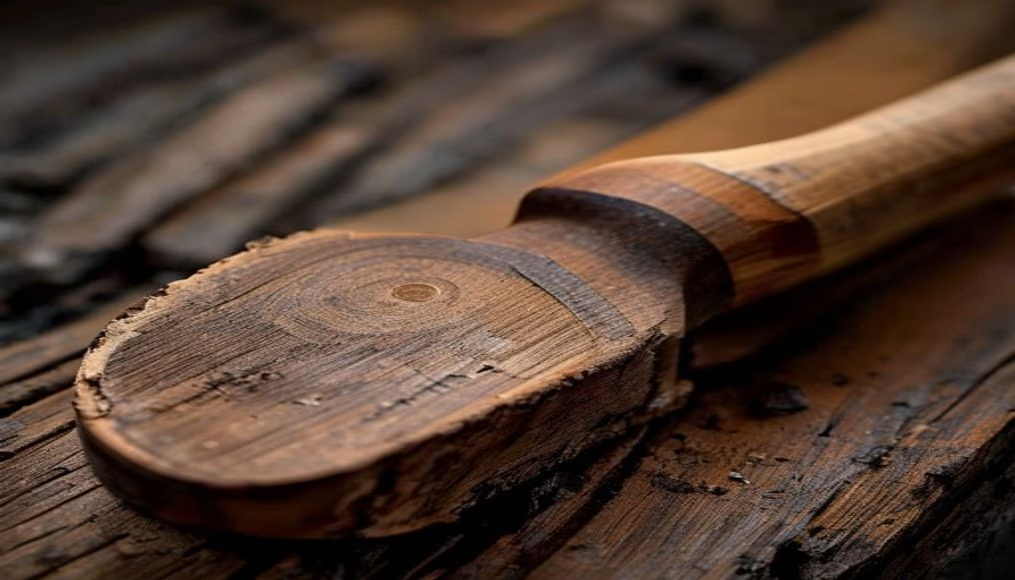
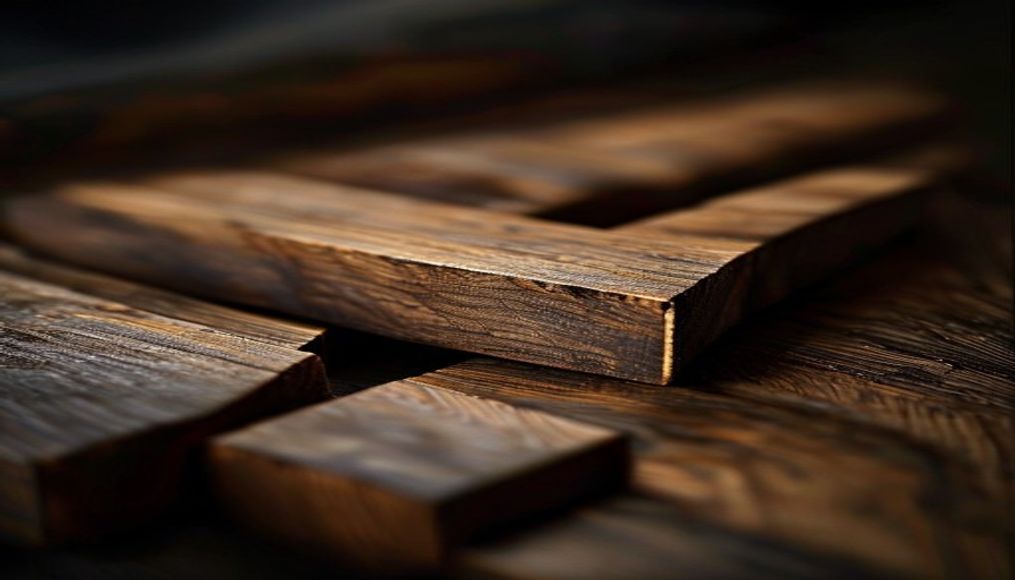
Detail of a woodturning chisel, an essential tool for carving and shaping cylindrical and decorative pieces on a lathe.
About this subject
The woodturning chisel, also known as a gouge or turning tool, is a hand tool used in conjunction with a mechanical lathe to shape wood. Its hardened steel blade is sharpened at specific angles for precise cuts, ranging from rough stock removal to fine finishing. There are several types of chisels, each with a particular function. The bowl gouge is used for concave cuts and curve modeling, while the skew chisel produces straight cuts and smooth finishes. The parting tool creates recesses and separates pieces. The choice of chisel depends on the work stage and wood type, which can range from pine to hardwoods like rosewood and mahogany.
The history of the woodturning chisel dates back to ancient civilizations. Egyptians used manual lathes to carve furniture and utensils over 3,000 years ago. With the Industrial Revolution, lathes became motorized and chisels evolved into high-speed steel, increasing precision and durability. In Brazil, woodworking and turning have a strong tradition, especially in colonial furniture and decorative pieces of Portuguese influence. Artisans from regions like Vale do Jequitinhonha preserve manual techniques requiring mastery of tools such as the chisel.
A key technical aspect is chisel sharpening. The ideal cutting angle ranges from 25 to 45 degrees, depending on wood hardness and cut type. Regular maintenance with sharpening stones and the use of sharpening guides ensure efficiency and safety. Proper chisel use also requires correct posture and smooth movements to avoid chipping wood or accidents. Knowledge exchange among woodturners, often in online communities like the 'Woodturning Forum', contributes to the continuous improvement of this craft.
Frequently Asked Questions
What is the main difference between a gouge and a skew chisel?
A gouge has a curved blade, ideal for concave cuts and shaping. A skew chisel has a straight blade and is used for straight cuts and finishing.
How to sharpen a woodturning chisel correctly?
Use a sharpening stone or bench grinder with a support jig. Keep the bevel angle constant (typically 25-30 degrees for softwoods) and finish with a fine stone to remove burrs.
What types of wood are best for turning?
Woods with good workability and stability, such as pine, cedar, walnut, and mahogany. Avoid woods with high resin content or loose knots.
Direct URL
https://pub-c7d6a6ea828543ac903a74a341ccb2e1.r2.dev/imagens/woodturning-chisel-detail-studio-editorial-portrait-p3.avifHow to credit
Include a visible link back to UtilizAí. Copy one of the snippets below:
<a href="https://xn--utiliza-eza.com/en/midia/imagens/woodturning-chisel-detail-studio-editorial-portrait-p3">Woodturning chisel detail</a> by <a href="https://xn--utiliza-eza.com">UtilizAí</a>, licensed under <a href="https://creativecommons.org/licenses/by/4.0/">CC BY 4.0</a>.
[Woodturning chisel detail](https://xn--utiliza-eza.com/en/midia/imagens/woodturning-chisel-detail-studio-editorial-portrait-p3) by [UtilizAí](https://xn--utiliza-eza.com), CC BY 4.0
License: CC-BY-4.0