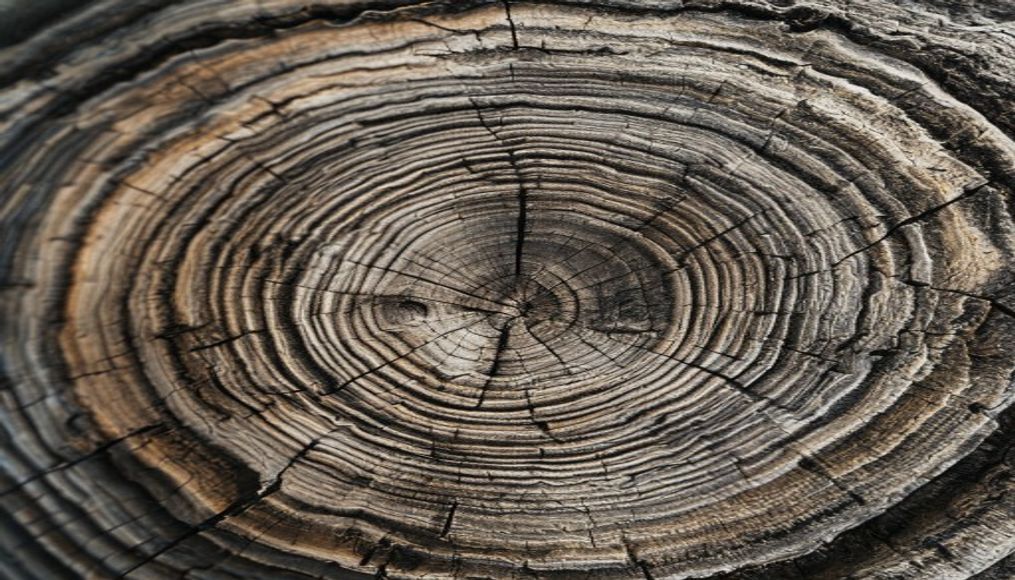
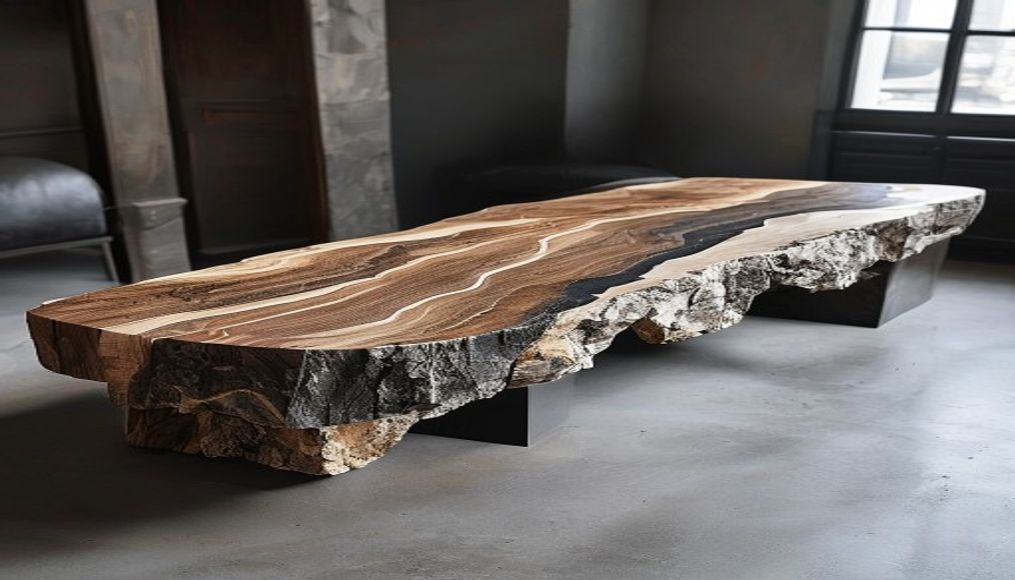
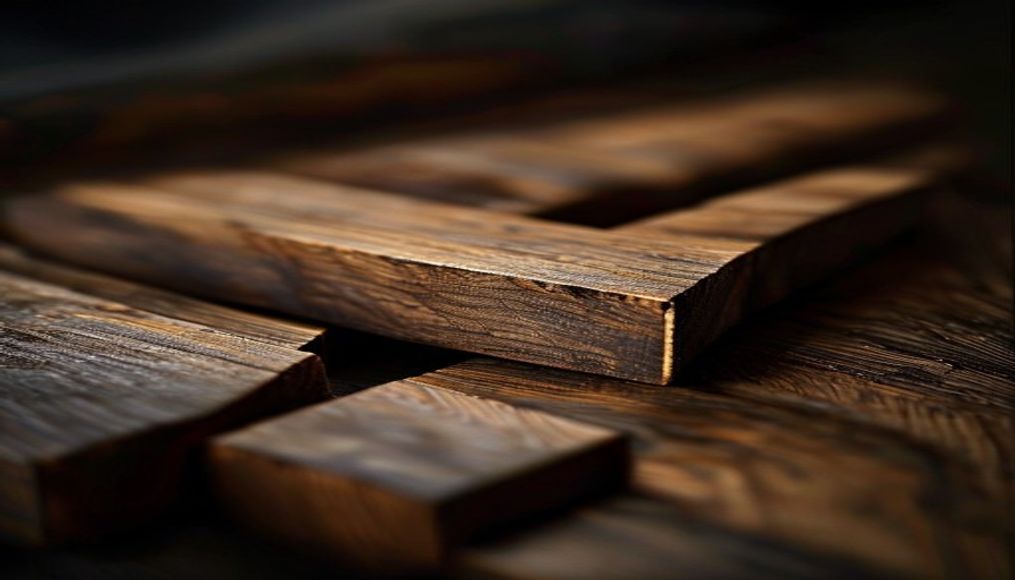
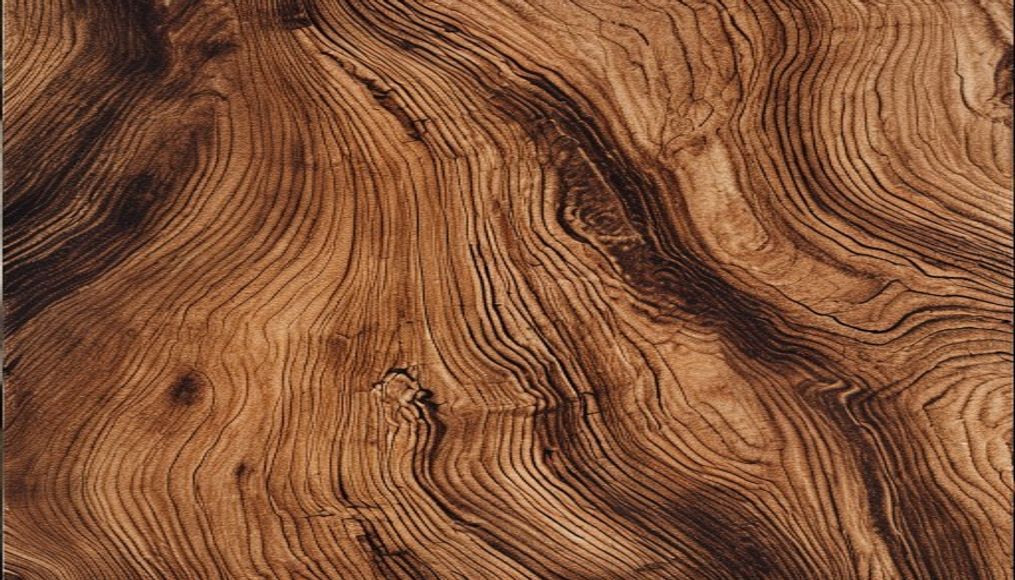
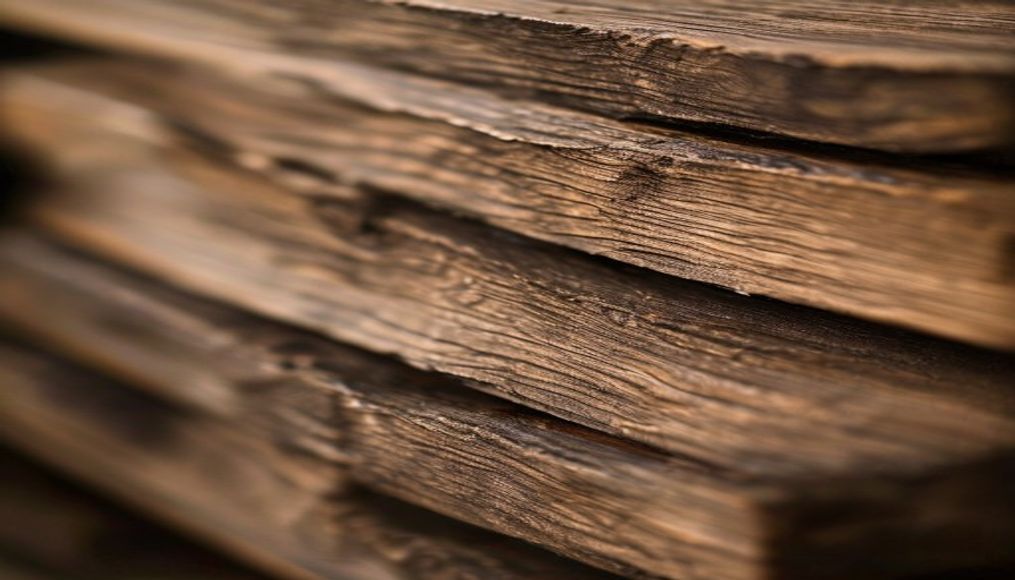
Wood router cutting
1344×768 · AVIF · CC BY 4.0
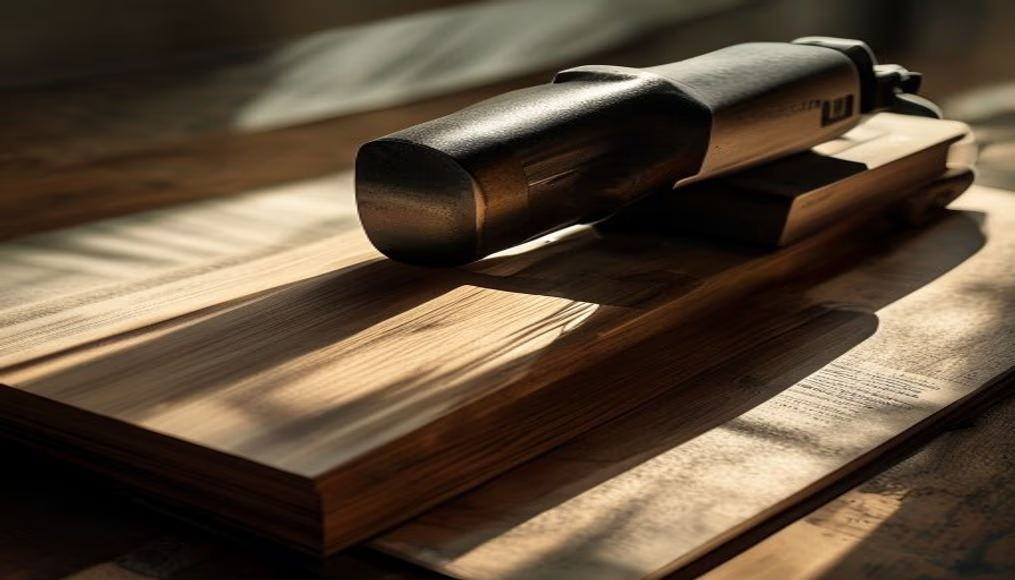
Fresadora manual cortando madeira: técnica, aplicações e dicas de segurança para marcenaria.
Sobre o tema
A fresadora manual, também conhecida como tupia ou router, é uma ferramenta indispensável na marcenaria e carpintaria moderna. Seu funcionamento baseia-se em um motor elétrico que gira uma fresa em alta rotação, permitindo cortes precisos, rasgos, perfis decorativos e encaixes em peças de madeira. Diferentemente de serras, a router remove material de forma controlada, possibilitando desde simples chanfros até entalhes complexos.
Existem dois tipos principais: a fresadora de base fixa e a de base mergulhadora. A base fixa é mais adequada para trabalhos em bordas e superfícies planas, enquanto a mergulhadora permite iniciar o corte no meio da peça, ideal para rasgos e encaixes. A escolha da fresa também é crucial: há fresas retas, de perfil, de topo esférico, entre outras, cada uma com aplicação específica. A velocidade de rotação deve ser ajustada conforme o diâmetro da fresa e a dureza da madeira, geralmente entre 10.000 e 25.000 RPM.
No Brasil, a router é amplamente utilizada em móveis planejados, esquadrias e artesanato. Uma curiosidade é que a técnica de fresagem manual ganhou força com o movimento maker e o DIY, especialmente após a popularização de fresas de widia (metal duro), que aumentaram a durabilidade. A segurança é fundamental: o uso de óculos de proteção, máscara contra poeira e prendedores da peça evita acidentes. A direção do corte deve ser contrária ao giro da fresa (corte convencional) para reduzir o risco de retrocesso.
Além da madeira maciça, a router pode trabalhar MDF, compensado e até plásticos, desde que com a fresa apropriada. Para curvas e detalhes, muitas vezes utiliza-se gabaritos ou trilhos guia. A manutenção inclui lubrificação dos rolamentos e verificação do aperto da porca da fresa. Com prática, a router se torna uma ferramenta versátil para transformar uma placa de madeira em uma peça com acabamento profissional.
Perguntas frequentes
Qual a diferença entre fresadora de base fixa e mergulhadora?
A fresadora de base fixa mantém uma profundidade de corte constante, ideal para trabalhos em bordas. Já a mergulhadora permite descer a fresa sobre a peça, ajustando a profundidade durante o corte, sendo mais versátil para rasgos e encaixes no meio da madeira.
Como evitar que a fresa queime a madeira ao usar a tupia?
Queima ocorre por avanço lento ou rotação muito alta. Aumente a velocidade de avanço, reduza a RPM se possível e use fresas afiadas. Para madeiras resinosas, faça passes mais rasos.
É possível usar uma fresadora manual em MDF?
Sim, desde que a fresa seja adequada (de widia) e em velocidade moderada para evitar derretimento do material. Use exaustão local e respirador, pois a poeira de MDF pode ser irritante.
URL direta
https://pub-c7d6a6ea828543ac903a74a341ccb2e1.r2.dev/imagens/wood-router-cutting-magazine-editorial-p3.avifComo creditar
Inclua um link visível de volta pro UtilizAí. Copie um dos snippets abaixo:
<a href="https://xn--utiliza-eza.com/midia/imagens/wood-router-cutting-magazine-editorial-p3">Wood router cutting</a> by <a href="https://xn--utiliza-eza.com">UtilizAí</a>, licensed under <a href="https://creativecommons.org/licenses/by/4.0/">CC BY 4.0</a>.
[Wood router cutting](https://xn--utiliza-eza.com/midia/imagens/wood-router-cutting-magazine-editorial-p3) by [UtilizAí](https://xn--utiliza-eza.com), CC BY 4.0
Licença: CC-BY-4.0