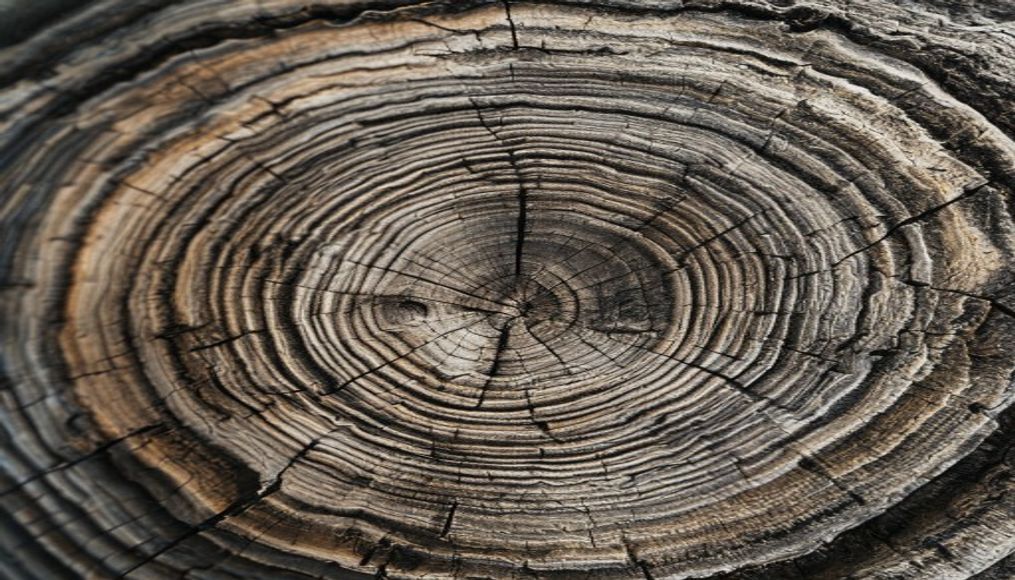
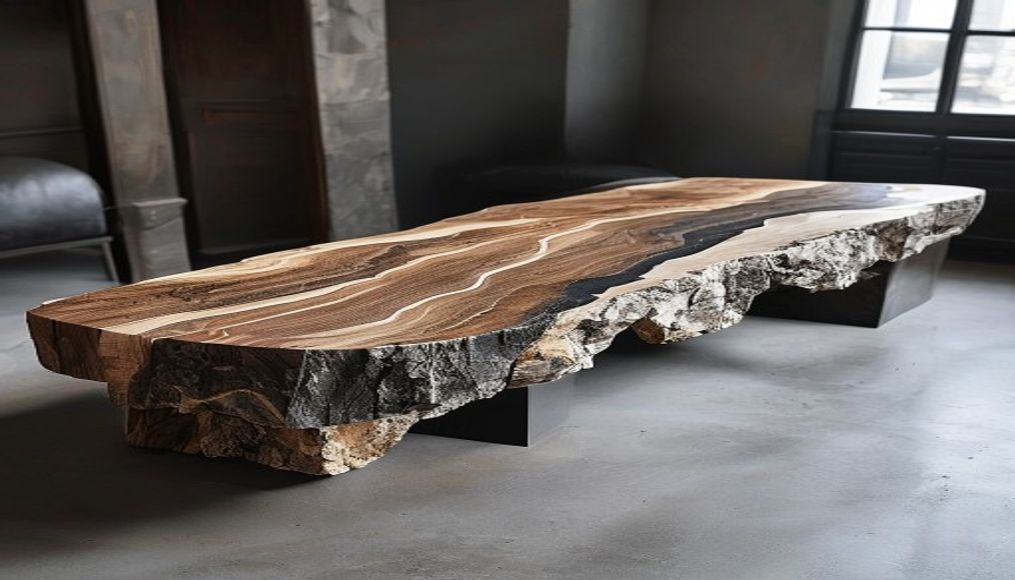
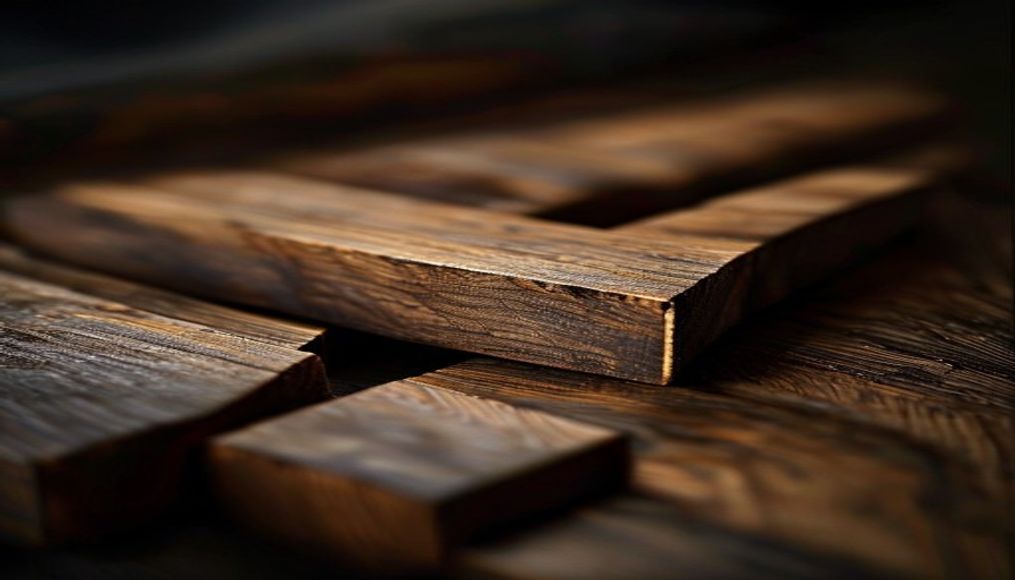
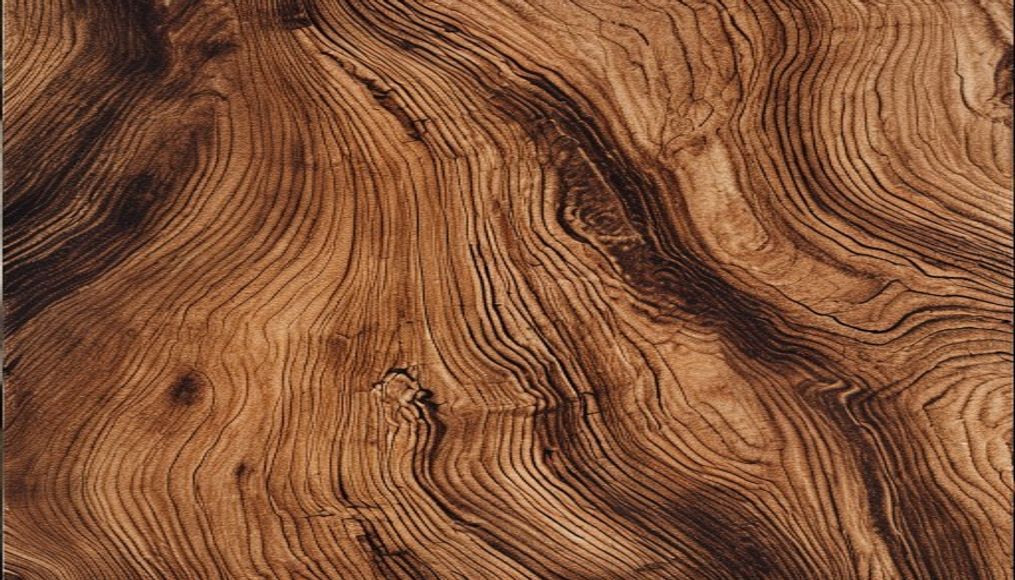
Wood joint dovetail
1344×768 · AVIF · CC BY 4.0
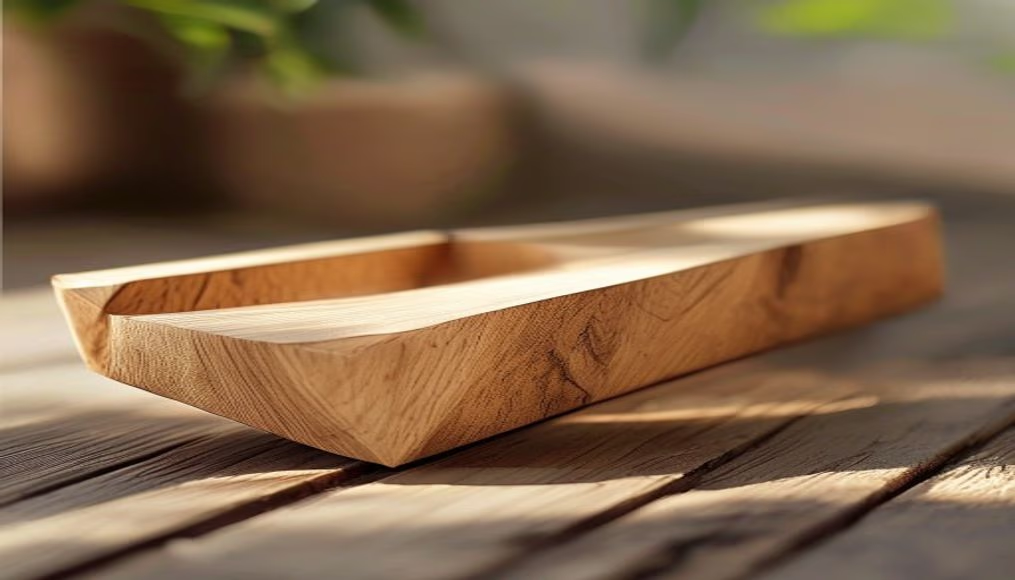
The dovetail joint is a classic woodworking technique, known for its strength and aesthetic appeal, used for centuries in fine furniture.
About this subject
The dovetail joint, also known as a swallowtail joint, is one of the oldest and strongest methods for joining two pieces of wood at a right angle. Its origins date back thousands of years, with examples found in Egyptian tombs and ancient Roman furniture. The name comes from the characteristic shape of the pins and tails resembling a dove's tail.
There are several variations, each suited to different uses. The through dovetail is the most common, often seen in antique drawer construction. The half-blind dovetail hides the joint on one face, while the sliding dovetail is used for shelves and partitions. Hand-cut dovetails require specialized tools: a dovetail saw, chisels, and a marking gauge.
The joint's primary strength lies in its mechanical interlock; the tapered tails and pins resist tension forces, making it ideal for heavy loads. It eliminates the need for nails or screws, providing a clean aesthetic. Traditional craftsmen like those in the Shaker movement prized dovetails for their durability and elegance.
Today, the dovetail remains a hallmark of fine woodworking. It appears in high-end furniture, musical instruments, and period reproductions. While CNC machines can produce them quickly, hand-cut dovetails are especially valued by artisans and collectors for their individuality and precision.
Frequently Asked Questions
Why is the joint called a dovetail?
The name comes from the shape of the interlocking parts: the tails and pins have a triangular profile resembling the forked tail of a dove.
What are the main types of dovetail joints?
The main types are through dovetail (visible on both sides), half-blind dovetail (hidden on one face), and sliding dovetail (used for shelves).
Is a dovetail joint stronger than other wood joints?
Yes, especially against pulling forces. The interlocking design prevents separation, making it stronger than butt joints or simple lap joints.
Direct URL
https://pub-c7d6a6ea828543ac903a74a341ccb2e1.r2.dev/imagens/wood-joint-dovetail-minimalist-composition-p3.avifHow to credit
Include a visible link back to UtilizAí. Copy one of the snippets below:
<a href="https://xn--utiliza-eza.com/en/midia/imagens/wood-joint-dovetail-minimalist-composition-p3">Wood joint dovetail</a> by <a href="https://xn--utiliza-eza.com">UtilizAí</a>, licensed under <a href="https://creativecommons.org/licenses/by/4.0/">CC BY 4.0</a>.
[Wood joint dovetail](https://xn--utiliza-eza.com/en/midia/imagens/wood-joint-dovetail-minimalist-composition-p3) by [UtilizAí](https://xn--utiliza-eza.com), CC BY 4.0
License: CC-BY-4.0