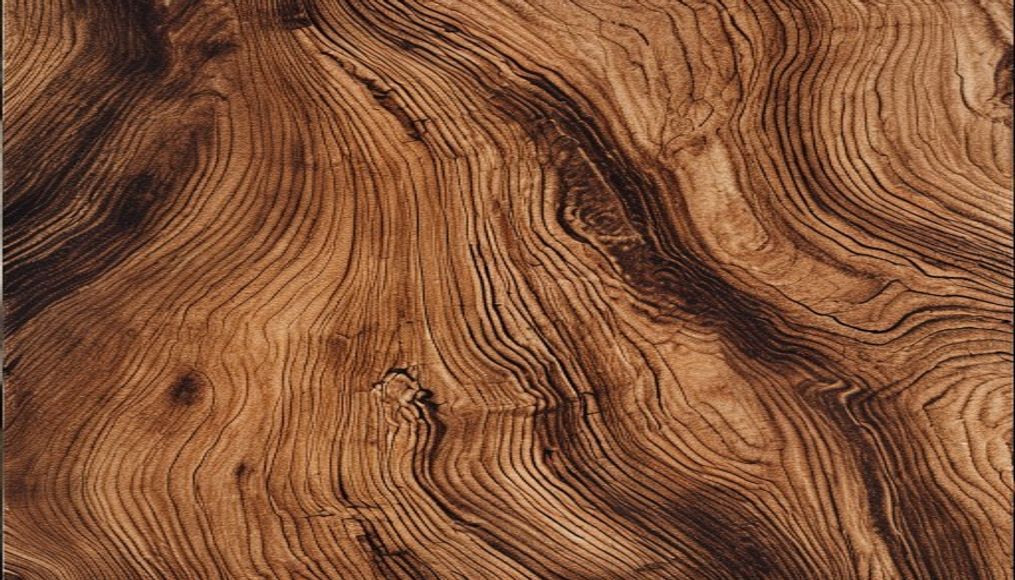
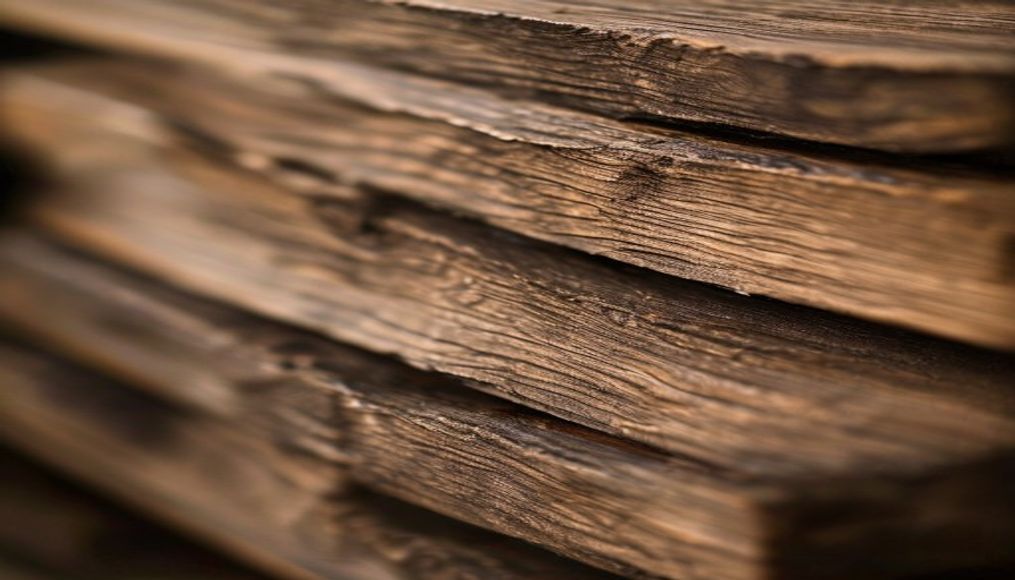
Walnut grain pattern
1344×768 · AVIF · CC BY 4.0

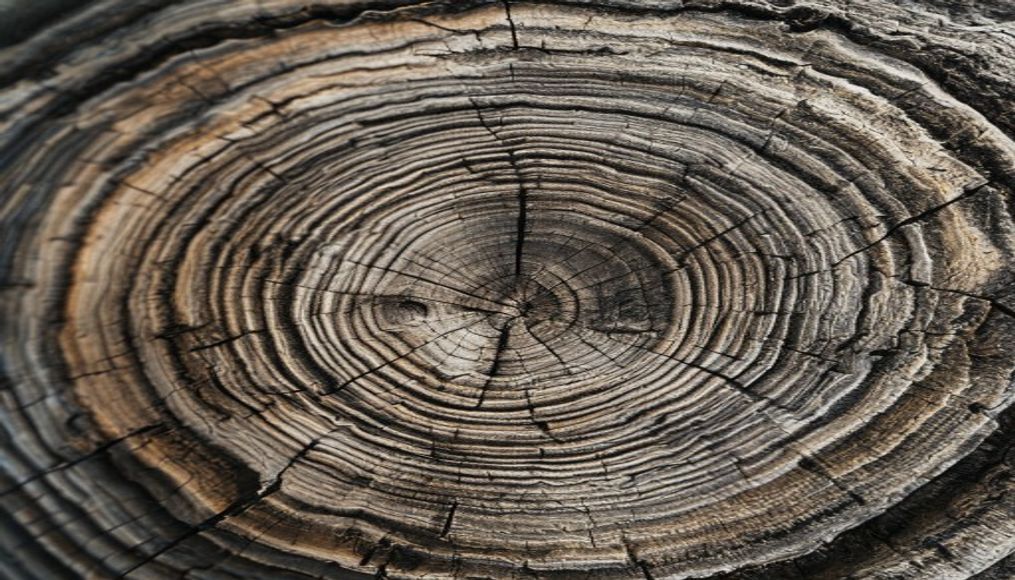
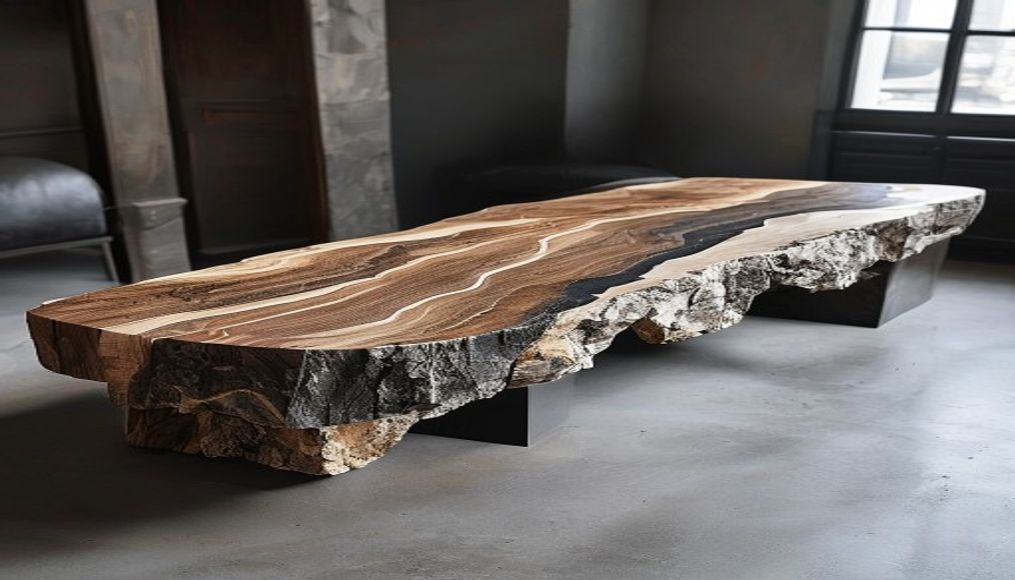
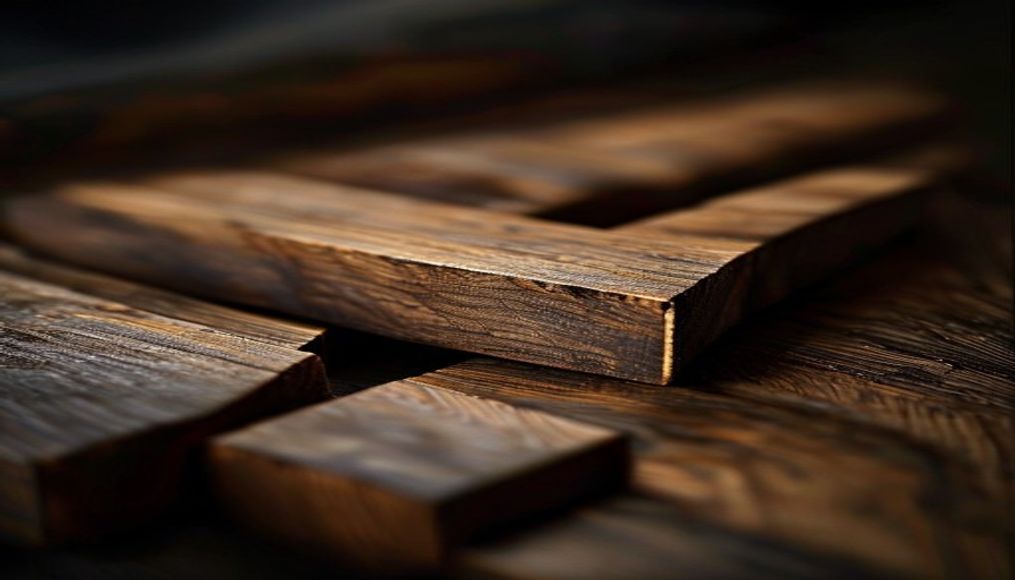
The walnut grain pattern is one of the most prized in woodworking, displaying wavy veins and colors ranging from light brown to dark chocolate.
About this subject
Walnut (Juglans spp.) is a premium hardwood widely used in furniture, flooring, and musical instruments due to its durability and beauty. Its grain is typically straight but can exhibit curls, spirals, and figures such as burls that create unique patterns. Color varies by species: black walnut (Juglans nigra) native to North America yields darker tones, while European walnut (Juglans regia) tends to light brown with subtle streaks.
Curly grain occurs when wood fibers align in waves, creating a three-dimensional effect that shifts with viewing angle. This pattern is especially prized in violin and guitar tops for enhancing aesthetics and resonance. Bird's eye grain, rare and forming small knot-like eyes, is highly sought after for luxury furniture.
Pattern formation is linked to genetic and environmental factors such as water stress, insect attacks, or fungi that cause irregular growth. Walnut is also known for its dimensional stability after drying, making it excellent for fine woodworking. In the United States, it is the preferred wood for rifle stocks due to its impact resistance.
Viewed from above (aerial drone perspective), a walnut board's surface reveals complex growth rings and the interplay between heartwood and sapwood. Dark heartwood contrasts with lighter sapwood, and mineral streaks can add greenish or purplish hues. Each piece is unique, making walnut a timeless choice for artisans seeking exclusivity.
Frequently Asked Questions
Why is walnut grain so valued in woodworking?
Walnut grain is prized for its natural beauty, with color variations and wavy figures that lend exclusivity. The wood is also stable, durable, and easy to work, making it ideal for high-end furniture and musical instruments.
What are the main types of figure in walnut wood?
Common types include straight grain, curly, bird's eye, and burl. Each results from specific growth conditions and offers a distinct visual pattern.
How to distinguish black walnut from European walnut by grain?
Black walnut (Juglans nigra) has a darker color, ranging from dark brown to chocolate, with more contrasting veins. European walnut (Juglans regia) is lighter, light brown, and displays more subtle and uniform grains.
Direct URL
https://pub-c7d6a6ea828543ac903a74a341ccb2e1.r2.dev/imagens/walnut-grain-pattern-aerial-drone-shot-p2.avifHow to credit
Include a visible link back to UtilizAí. Copy one of the snippets below:
<a href="https://xn--utiliza-eza.com/en/midia/imagens/walnut-grain-pattern-aerial-drone-shot-p2">Walnut grain pattern</a> by <a href="https://xn--utiliza-eza.com">UtilizAí</a>, licensed under <a href="https://creativecommons.org/licenses/by/4.0/">CC BY 4.0</a>.
[Walnut grain pattern](https://xn--utiliza-eza.com/en/midia/imagens/walnut-grain-pattern-aerial-drone-shot-p2) by [UtilizAí](https://xn--utiliza-eza.com), CC BY 4.0
License: CC-BY-4.0