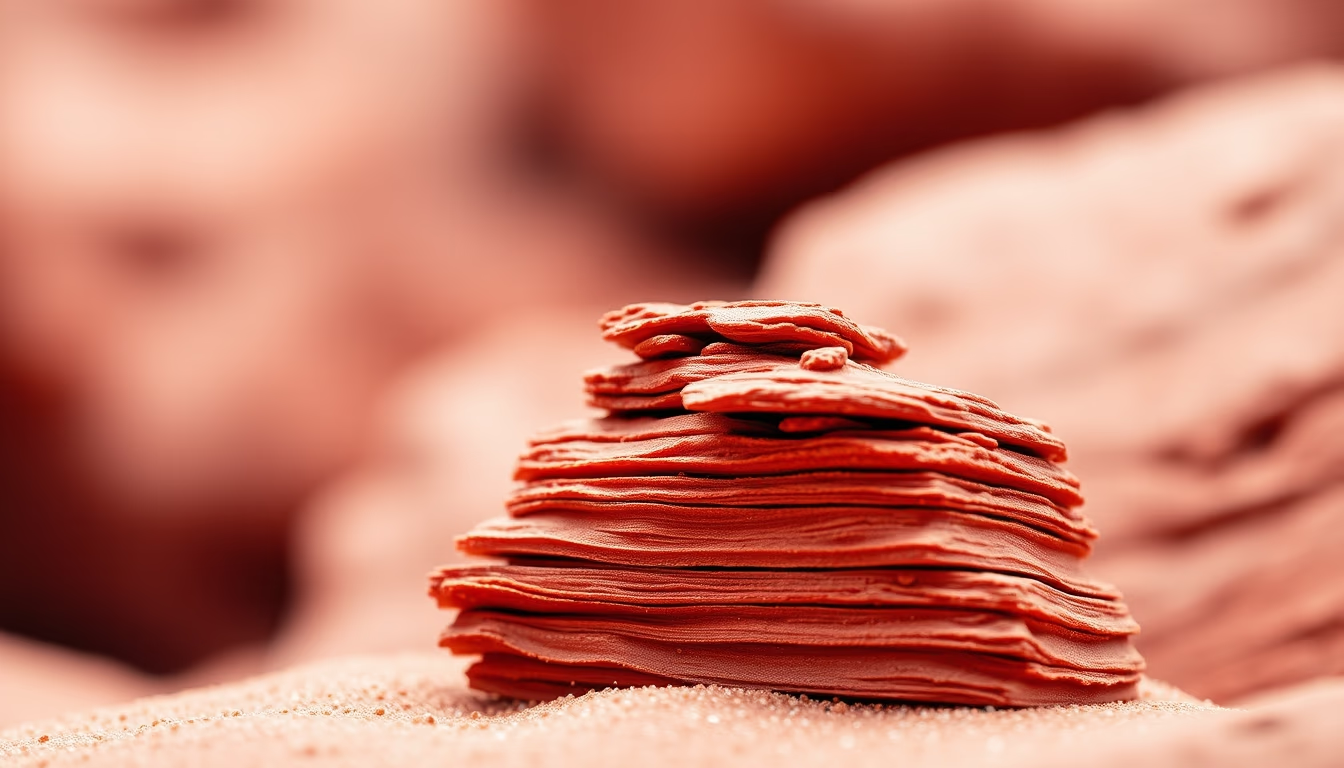
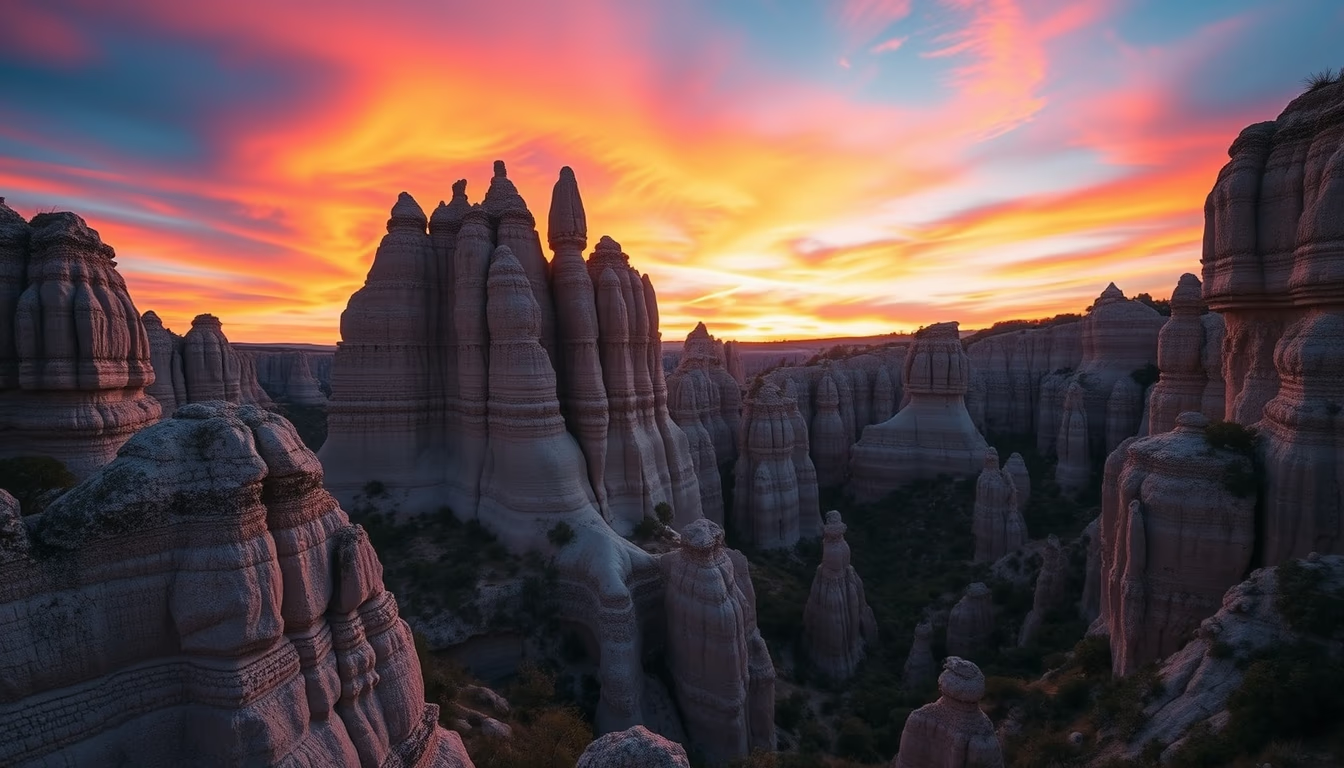
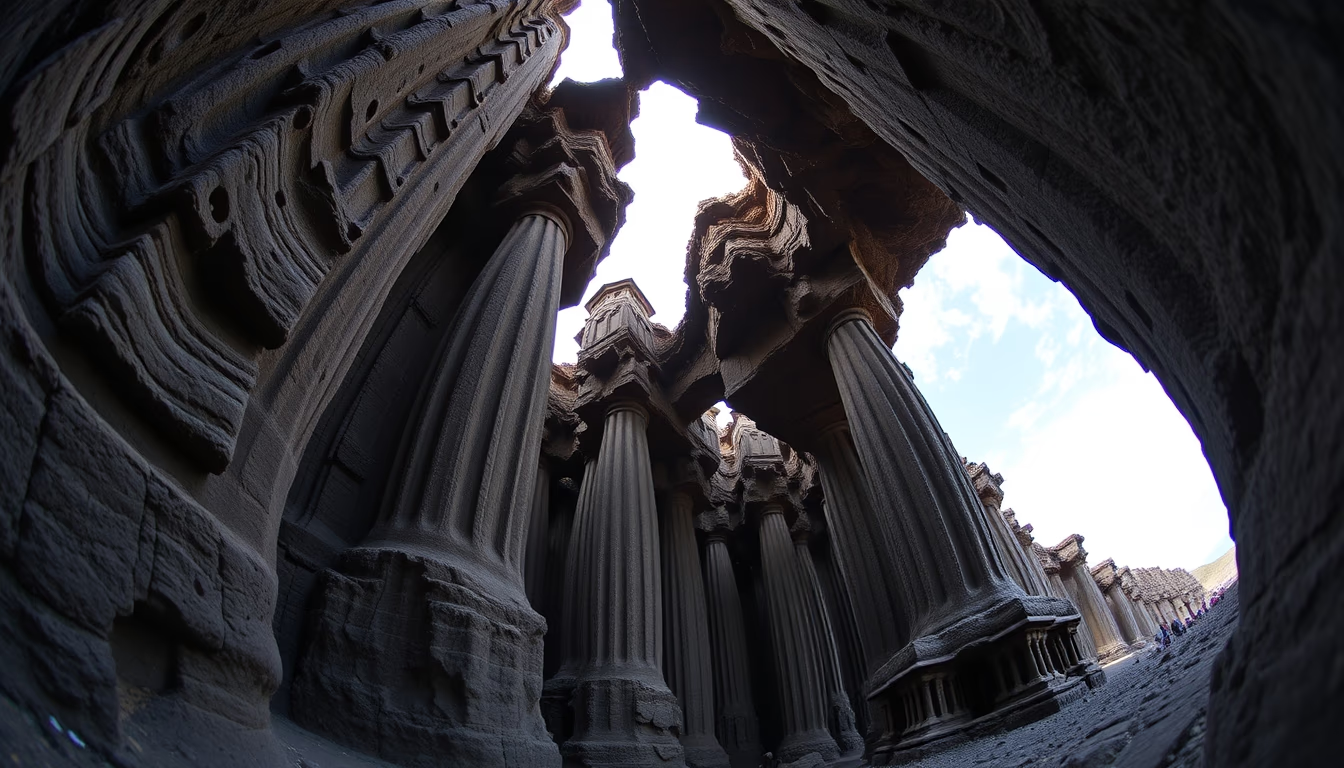
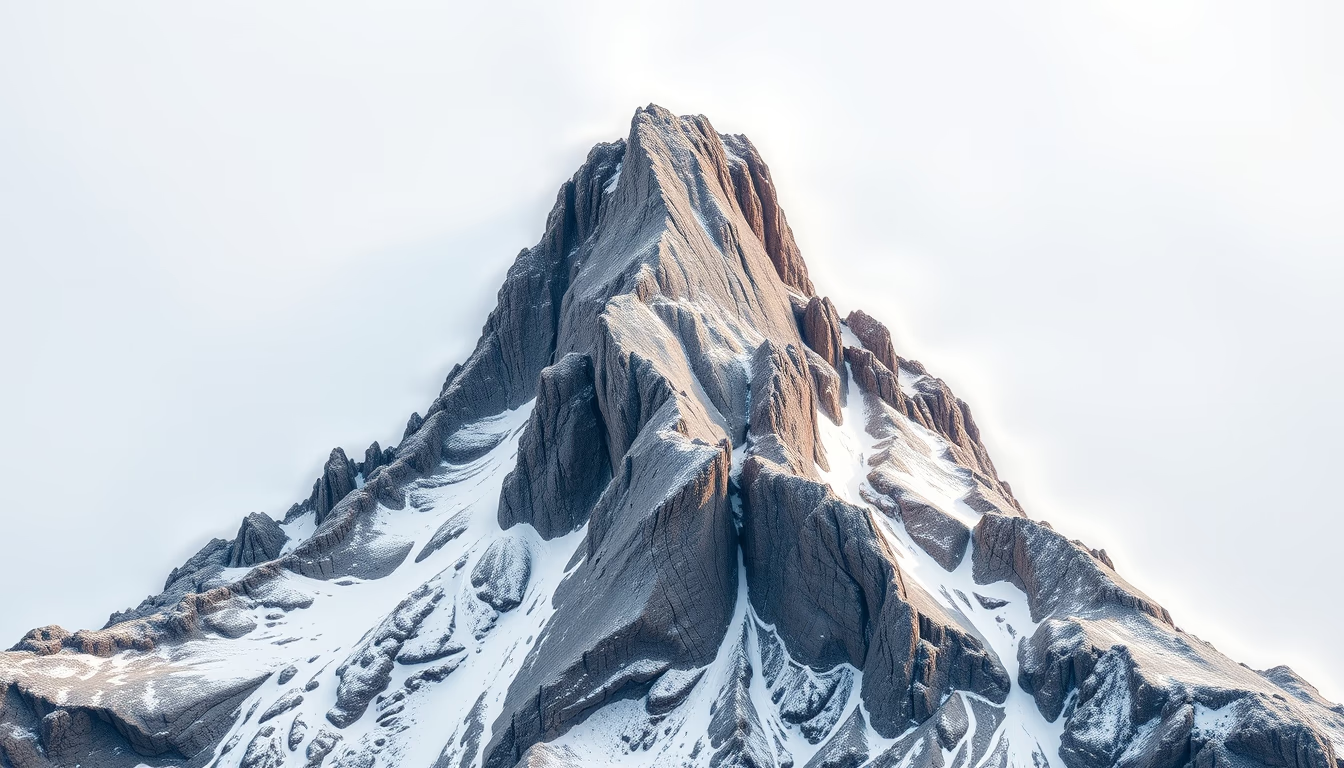
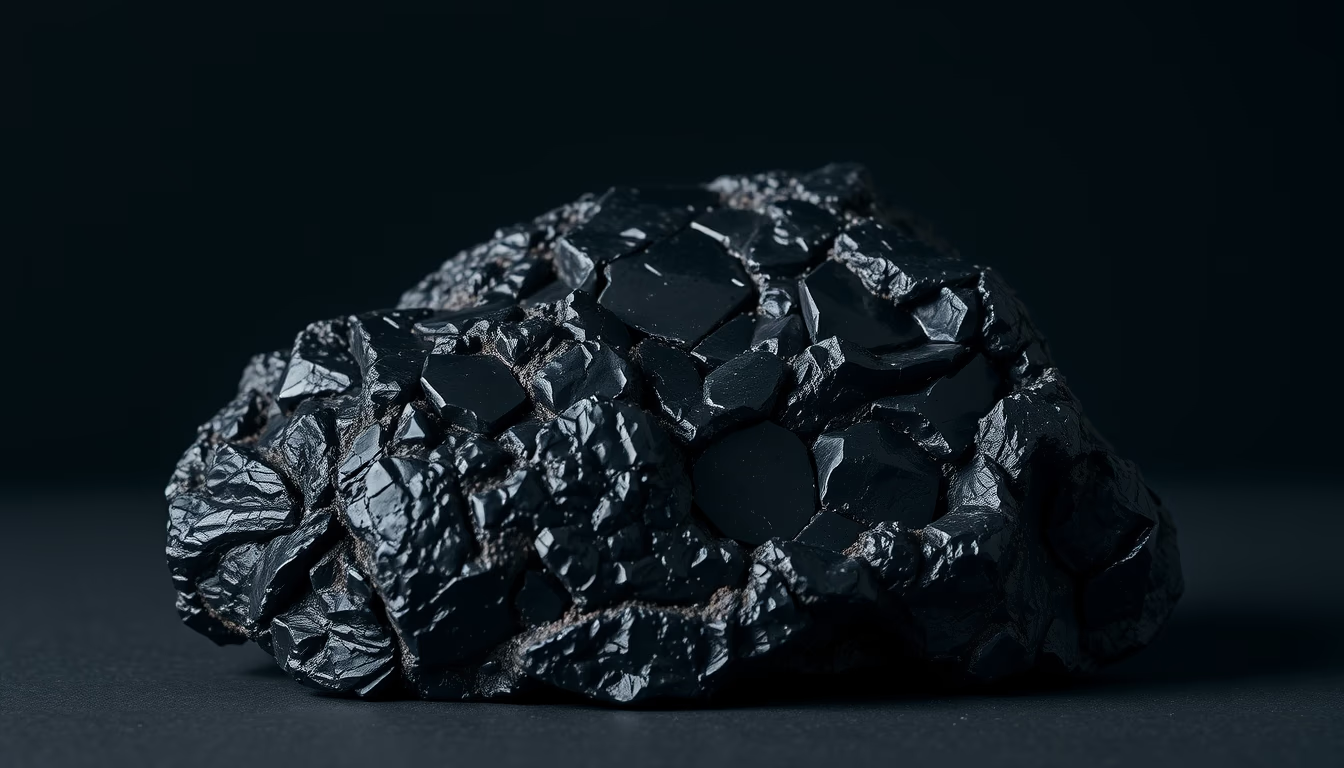
Volcanic rock obsidian
1344×768 · AVIF · CC BY 4.0
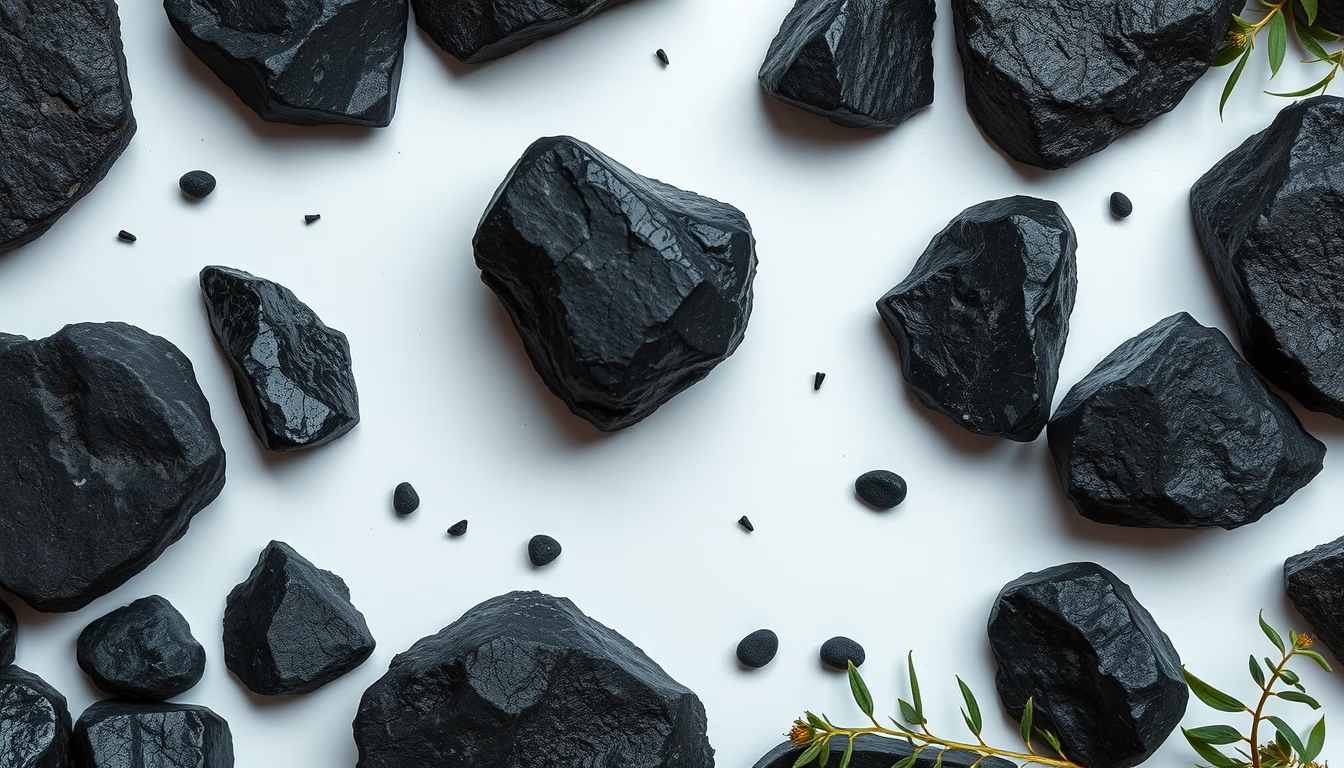
Obsidian is a natural volcanic glass formed by the rapid cooling of lava, known for its glassy appearance and historical use in tools and ornaments.
About this subject
Obsidian is an extrusive igneous rock, classified as an amorphous volcanic glass. It forms when silica-rich lava, typically of rhyolitic composition, cools so rapidly that atoms cannot arrange into a crystalline structure. This process occurs in volcanic eruptions with low-viscosity lava, such as Hawaiian or Icelandic eruptions. Obsidian typically contains less than 1% water, distinguishing it from other natural glasses like perlite. Its color varies with impurities: black (most common, due to magnetite), brown, green, red, gray, or with patterns like rainbow and snowflake.
Historically, obsidian was an essential material for various pre-Columbian cultures, such as the Aztecs, Maya, and Incas, who used it to make blades, spear points, knives, mirrors, and ceremonial objects. Its conchoidal fracture allows for extremely sharp edges, comparable or superior to surgical steel. The Egyptians also used obsidian for tools and amulets. In Mesoamerica, obsidian trade was extensive, with sources like Pachuca (Mexico) producing highly valued green artifacts.
Geographically, obsidian is found in regions with recent or active volcanism. Notable deposits include the Massif Central in France, the Lipari Islands in Italy, Iceland, the Yellowstone area in the United States, Peru, Japan (especially Hokkaido), and New Zealand. Each deposit has unique characteristics: for example, mahogany obsidian has red and black veins, while snowflake obsidian contains white cristobalite inclusions.
Today, obsidian is used in jewelry as a polished gemstone, in decorative artifacts, and in medicine: obsidian blade scalpels are up to 500 times finer than metal scalpels, reducing scarring and healing time, though they are brittle and expensive. Mystically, it is considered a stone of protection and mental clarity in some esoteric traditions.
Frequently Asked Questions
What is obsidian and how is it formed?
Obsidian is a natural volcanic glass formed when silica-rich lava cools rapidly, preventing crystallization. It occurs in eruptions with low-viscosity lava.
What are the main properties of obsidian?
It has conchoidal fracture, Mohs hardness of 5 to 5.5, extremely sharp edges, and is brittle. Its color varies with impurities, ranging from black, brown, green, red, to patterned varieties.
Where is obsidian found in the world?
It is found in active or recent volcanic regions such as Iceland, Italy (Lipari), Mexico (Pachuca), United States (Yellowstone), Peru, Japan, and New Zealand.
Direct URL
https://pub-c7d6a6ea828543ac903a74a341ccb2e1.r2.dev/imagens/volcanic-rock-obsidian-isometric-flat-lay-fresh0.avifHow to credit
Include a visible link back to UtilizAí. Copy one of the snippets below:
<a href="https://xn--utiliza-eza.com/en/midia/imagens/volcanic-rock-obsidian-isometric-flat-lay-fresh0">Volcanic rock obsidian</a> by <a href="https://xn--utiliza-eza.com">UtilizAí</a>, licensed under <a href="https://creativecommons.org/licenses/by/4.0/">CC BY 4.0</a>.
[Volcanic rock obsidian](https://xn--utiliza-eza.com/en/midia/imagens/volcanic-rock-obsidian-isometric-flat-lay-fresh0) by [UtilizAí](https://xn--utiliza-eza.com), CC BY 4.0
License: CC-BY-4.0