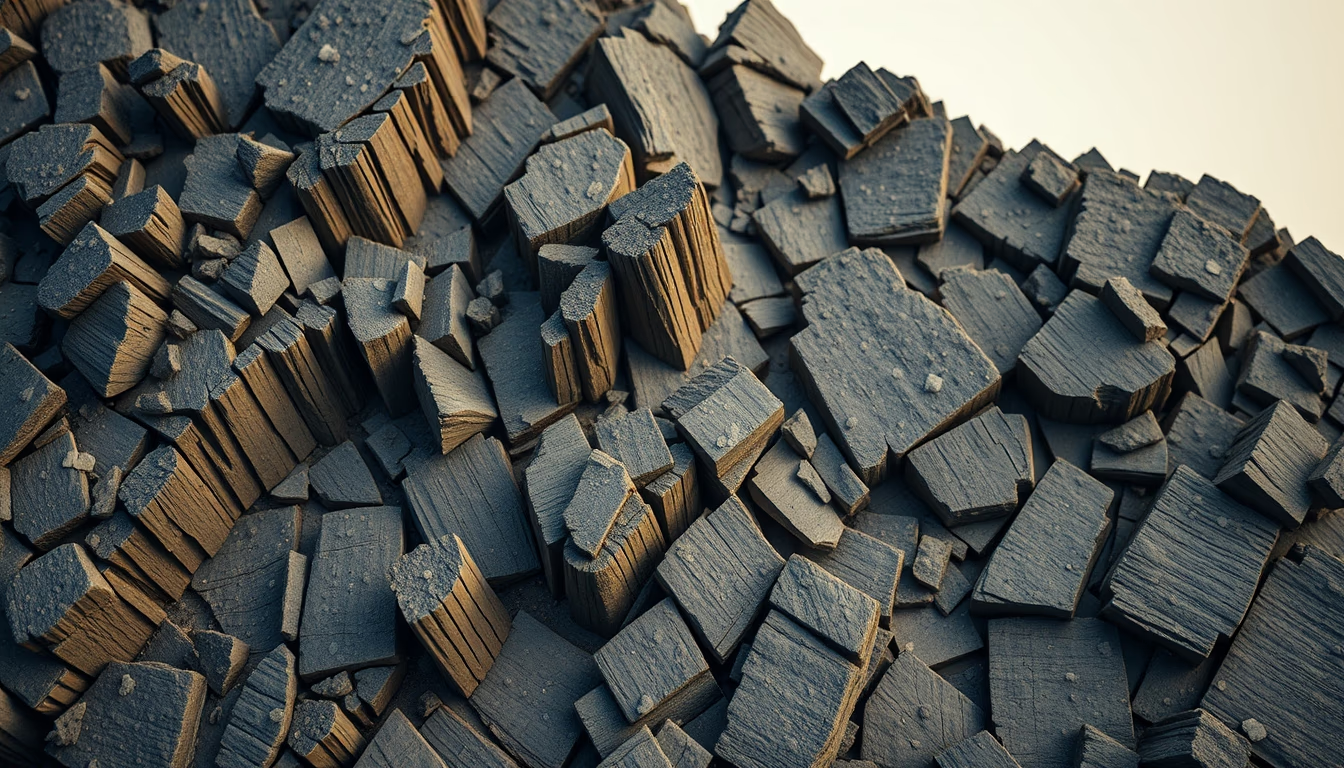
Granite mountain massive
1344×768 · AVIF · CC BY 4.0
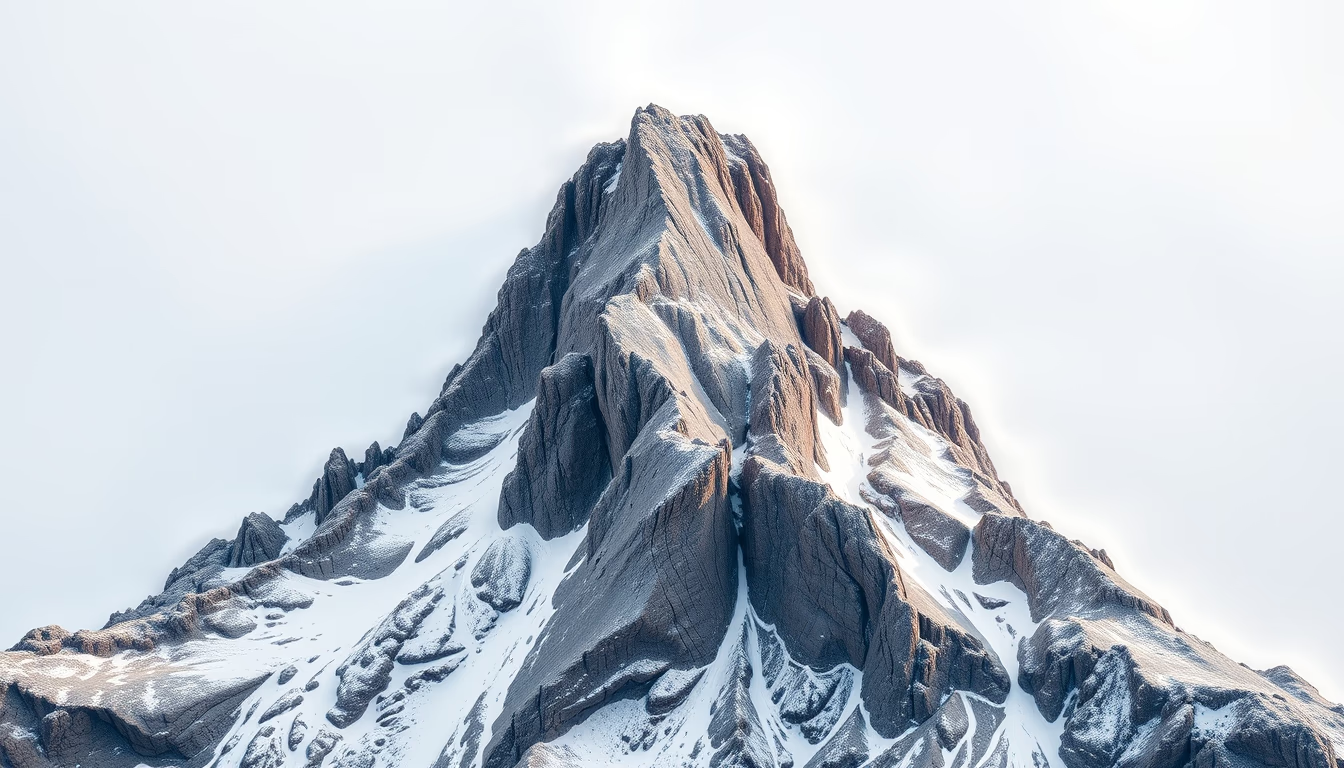
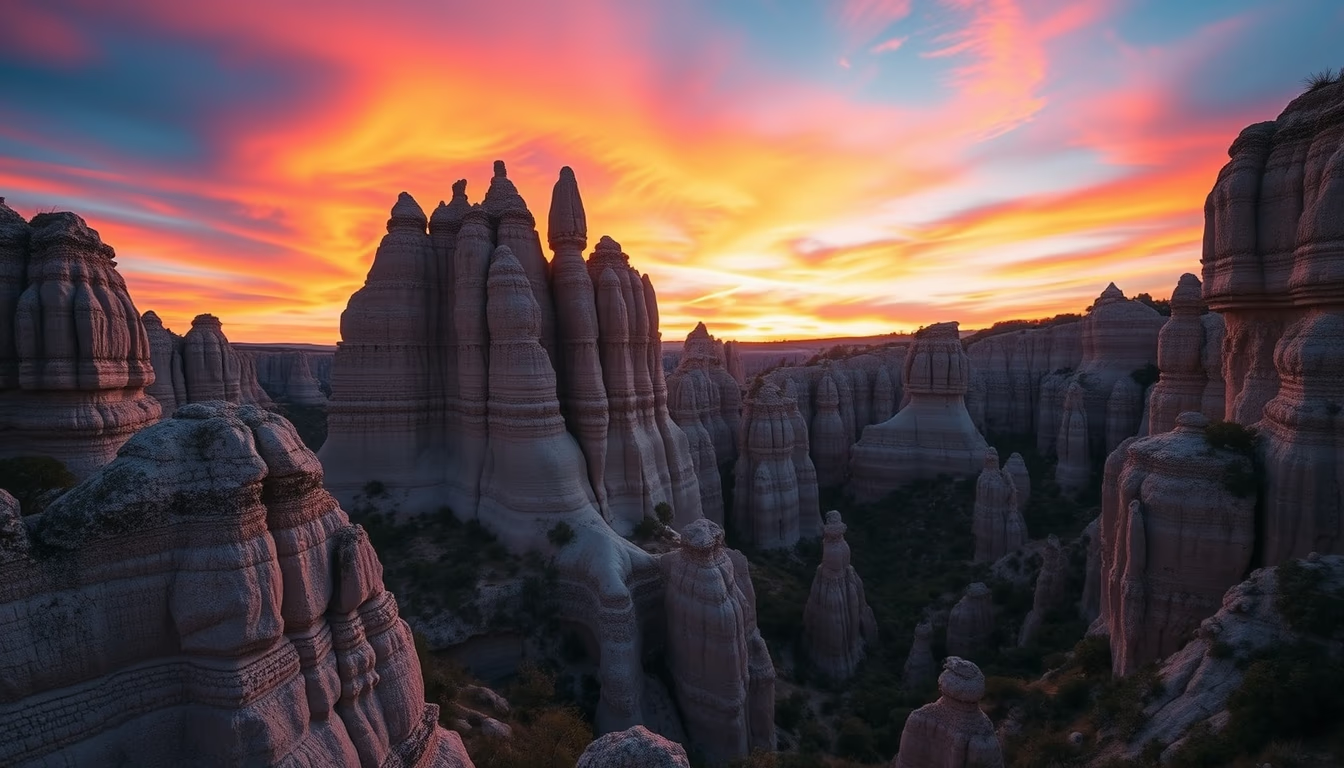
Granite mountains are iconic rock formations known for their durability and beauty, shaped by millions of years of erosion.
About this subject
Granite is an intrusive igneous rock formed by the slow cooling of magma beneath the Earth's surface. Its high quartz, feldspar, and mica content give it extreme hardness and resistance to weathering. As tectonic uplift and differential erosion expose these rocks, they create dramatic landscapes such as peaks, domes, and cliffs.
In Brazil, Pedra da Gávea and Sugarloaf Mountain (Pão de Açúcar) in Rio de Janeiro are classic examples of granite massifs. Worldwide, Mount Rushmore (USA), Half Dome in Yosemite National Park, and the Mont Blanc massif in the Alps are iconic. These formations attract tourists and climbers, offering technical challenges and spectacular views.
Culturally, granite symbolizes solidity and eternity, used in historical monuments and sculptures. Climbing on granite requires specialized gear, as the rock offers uneven friction and often lacks cracks. Nature enthusiasts seek these mountains for hiking and photography, capturing geological grandeur.
Fun fact: granite is one of the oldest rocks on Earth, with some samples dating back over 3 billion years. Its slow erosion rate means granite mountains retain their shape for ages, serving as true natural monuments.
Frequently Asked Questions
What is granite and how is it formed?
Granite is an intrusive igneous rock formed by the slow cooling of magma beneath the Earth's surface. It is composed mainly of quartz, feldspar, and mica, giving it a coarse grain and high durability.
What are the largest granite mountains in the world?
Notable examples include Mount Rushmore (USA), Half Dome (USA), Sugarloaf Mountain (Brazil), and Mont Blanc (France/Italy). In Brazil, Pedra da Gávea and Pico da Neblina are also significant granite formations.
Is it safe to climb granite mountains?
Climbing on granite requires technique and proper equipment due to slippery rock and lack of natural cracks. With preparation, experienced guides, and protective gear like friends and nuts, it can be safe, but inherent risks remain.
Direct URL
https://pub-c7d6a6ea828543ac903a74a341ccb2e1.r2.dev/imagens/granite-mountain-massive-isometric-flat-lay-fresh18.avifHow to credit
Include a visible link back to UtilizAí. Copy one of the snippets below:
<a href="https://xn--utiliza-eza.com/en/midia/imagens/granite-mountain-massive-isometric-flat-lay-fresh18">Granite mountain massive</a> by <a href="https://xn--utiliza-eza.com">UtilizAí</a>, licensed under <a href="https://creativecommons.org/licenses/by/4.0/">CC BY 4.0</a>.
[Granite mountain massive](https://xn--utiliza-eza.com/en/midia/imagens/granite-mountain-massive-isometric-flat-lay-fresh18) by [UtilizAí](https://xn--utiliza-eza.com), CC BY 4.0
License: CC-BY-4.0