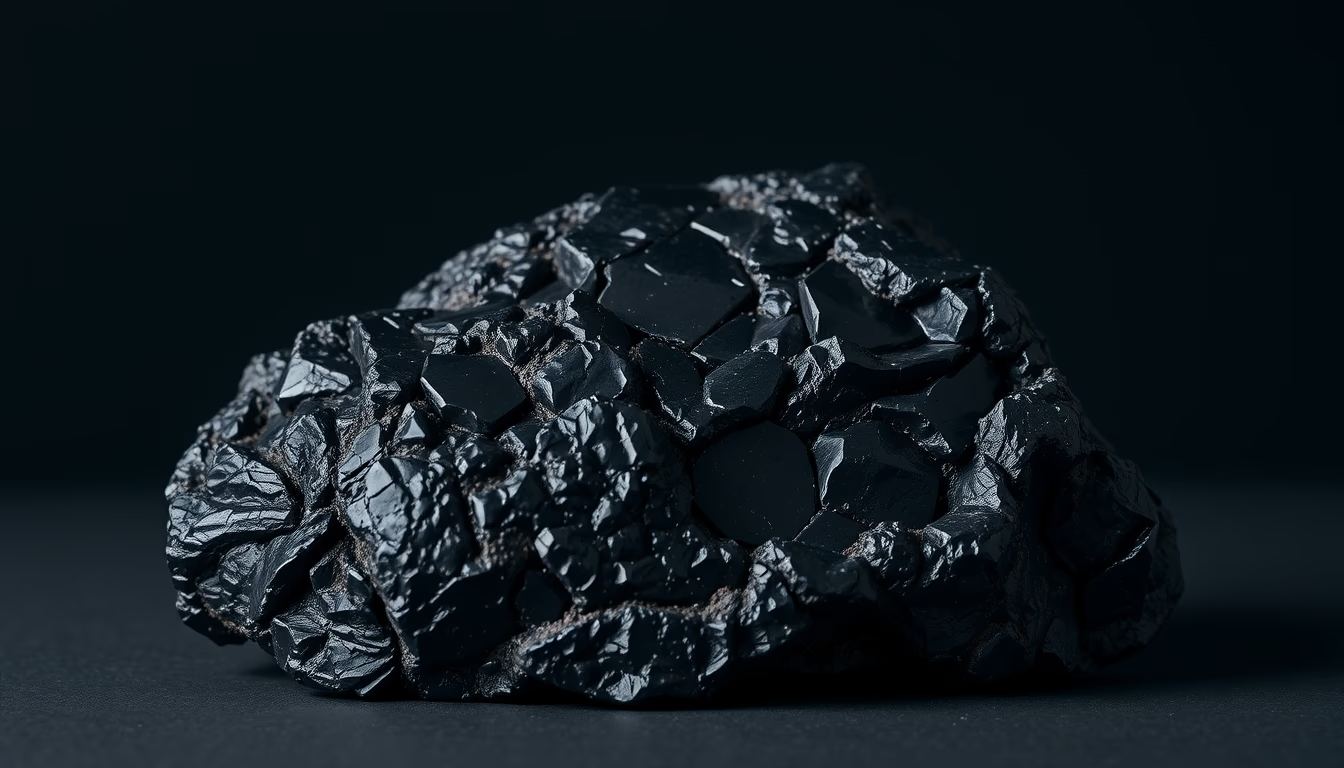
Volcanic rock obsidian
1344×768 · AVIF · CC BY 4.0
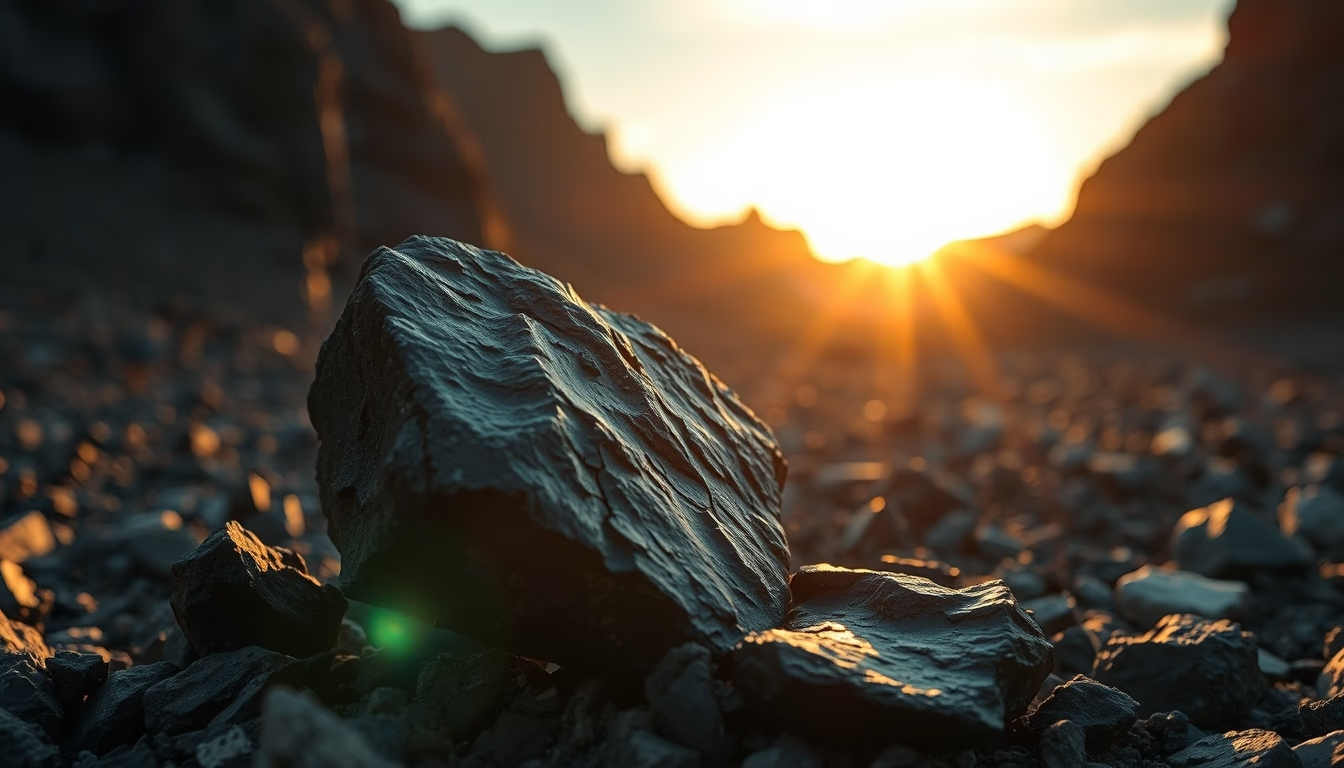
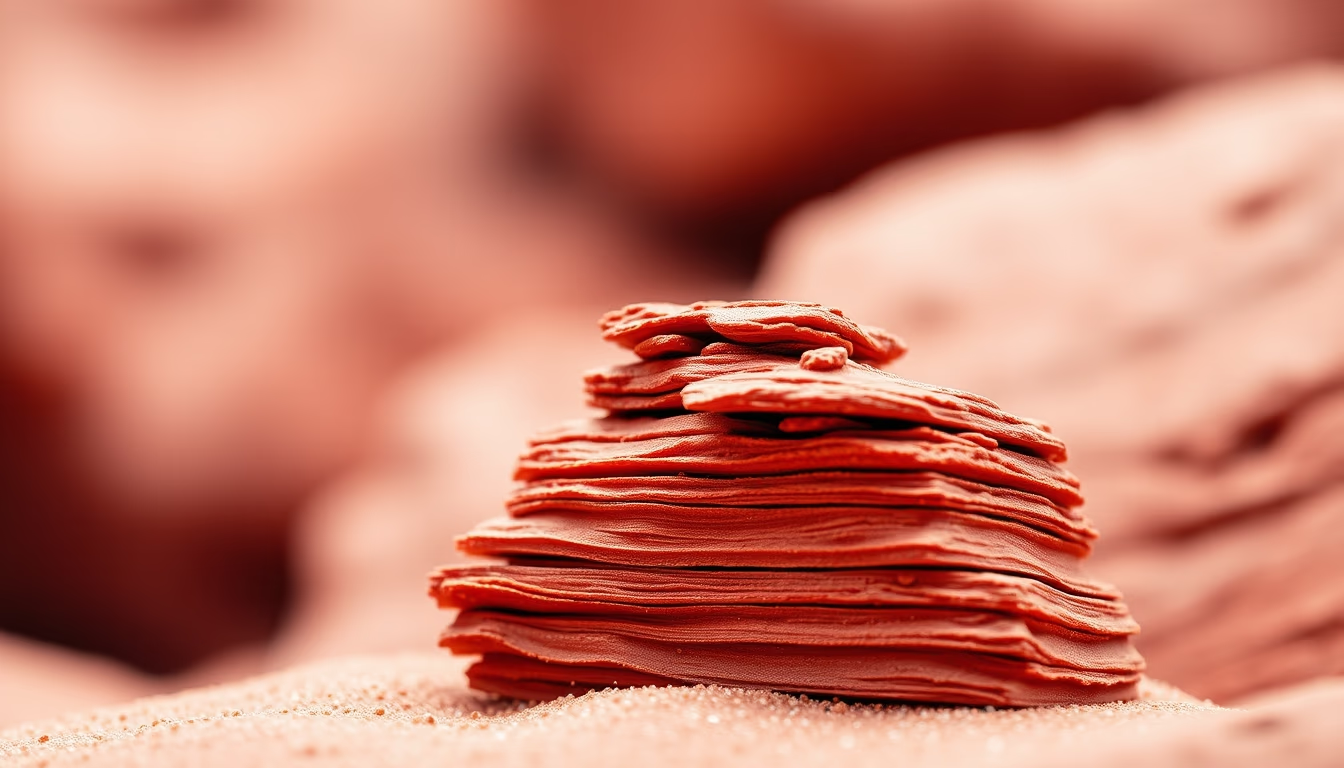
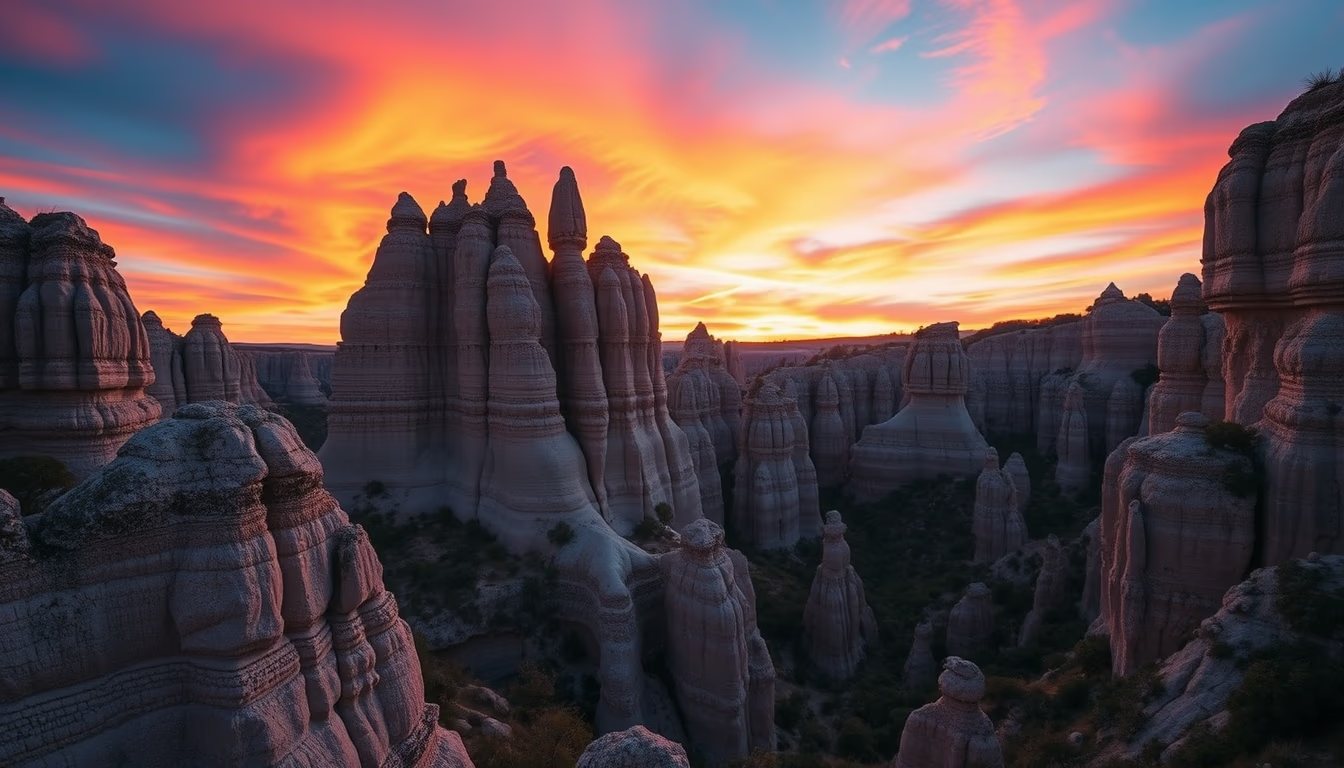
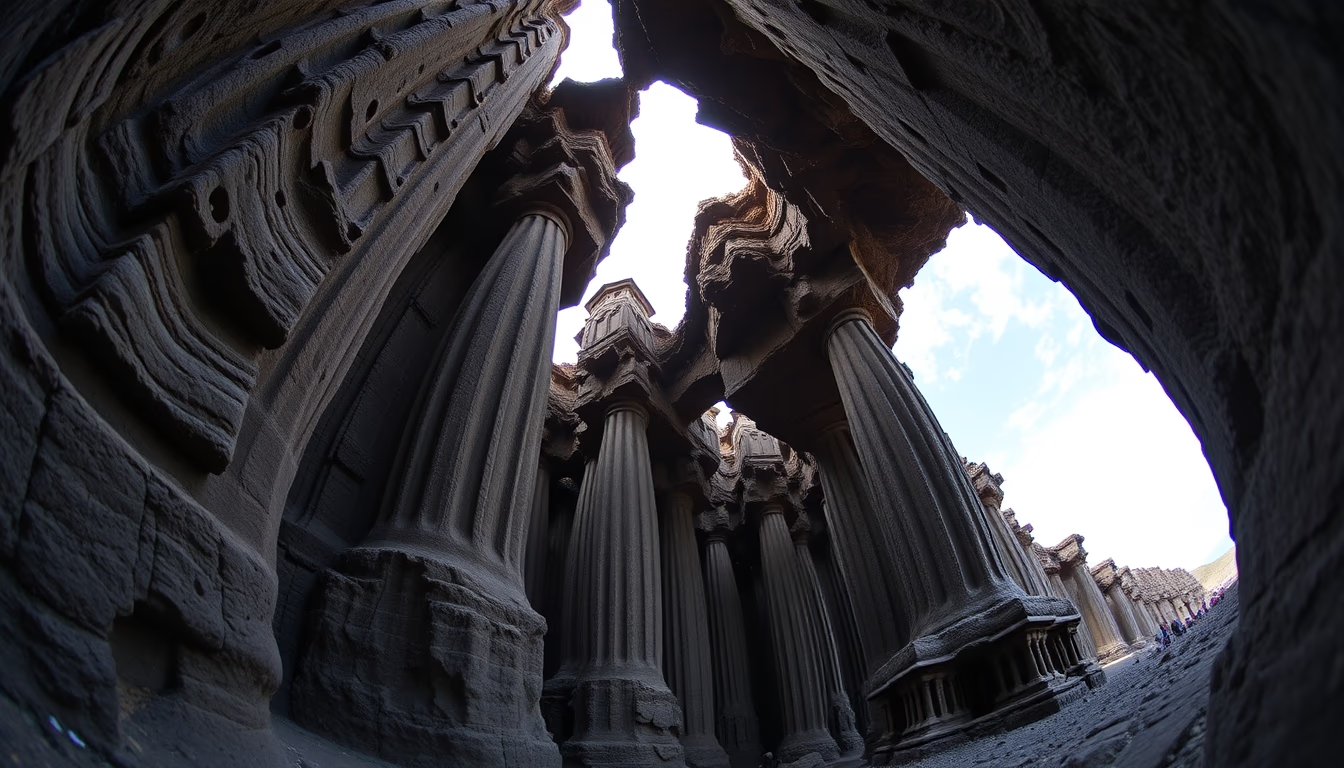
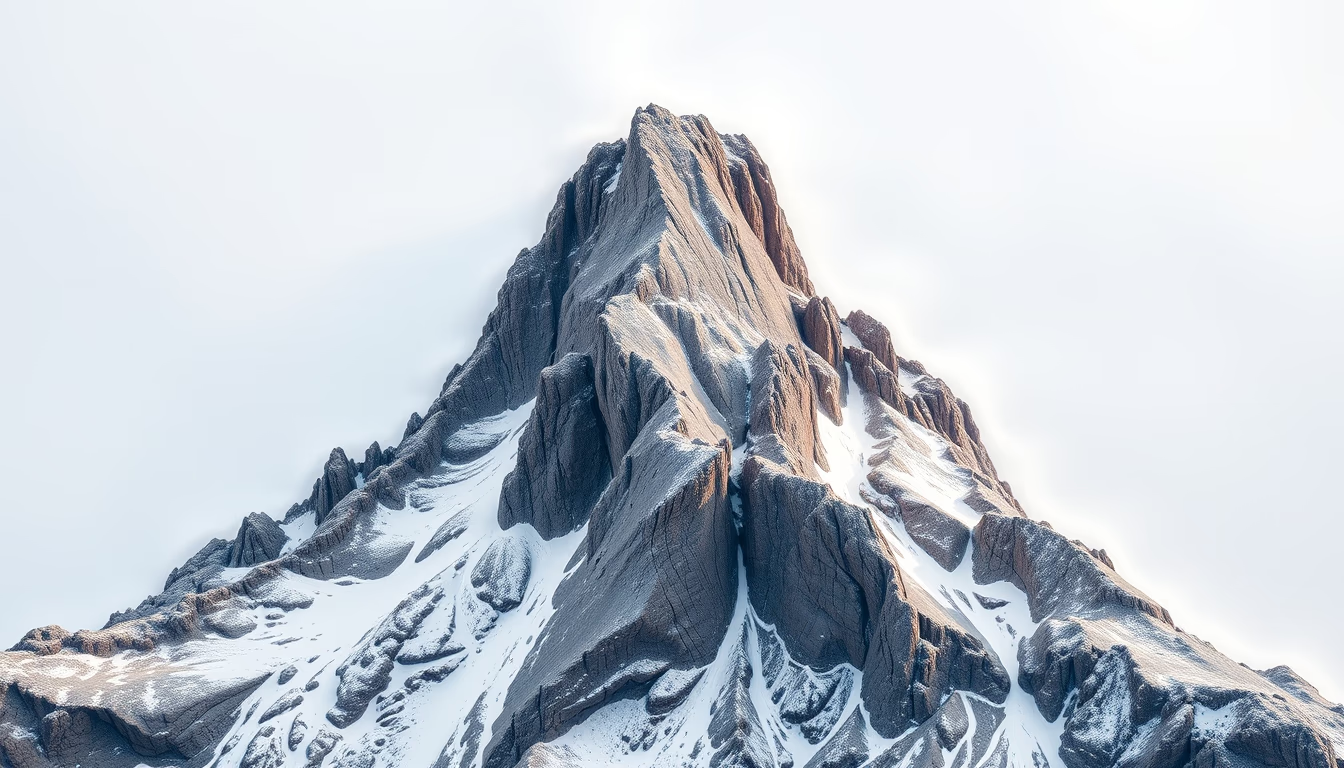
Obsidian is a natural volcanic glass formed by rapid cooling of silica-rich lava, lacking crystalline structure. Its conchoidal fracture produces extremely sharp edges, used from prehistory to modern surgery.
About this subject
Obsidian is an extrusive igneous rock classified as volcanic glass due to its lack of crystals. It forms when felsic lava (rich in silica) cools so rapidly that atoms do not have time to arrange into a crystalline structure. This often happens during explosive volcanic eruptions or when lava flows meet water or cold air. Obsidian's color varies with impurities: black (most common), brown, green, blue, and even rainbow (fire obsidian). Black obsidian contains microscopic magnetite inclusions that give it a dark hue.
Historically, obsidian was one of the first materials humans used to make cutting tools, knives, arrowheads, and blades. Aztec, Maya, and other Mesoamerican civilizations prized obsidian for ornaments and weapons, like the feared macuahuitl sword. In the Neolithic period, obsidian was widely traded across regions such as Anatolia (modern Turkey) and the Mediterranean. Today, archaeologists use obsidian hydration dating to determine the age of artifacts.
In modern science, obsidian has unusual applications. Its conchoidal fracture produces edges as thin as 3 nanometers, used in ultra-precise surgical blades, especially in eye surgery and microsurgery. These blades are superior to steel because they are smoother and cause less tissue trauma. Geologists study obsidian as an example of a supercooled liquid, and it is also used industrially as a natural abrasive.
Fun facts: Obsidian may contain gas bubbles forming spherical cavities (perlites) or cristobalite inclusions. Some cultures attributed mystical healing and protective properties to obsidian. In Hawaii, it is called "Pele's tears" (after the volcano goddess). Today, obsidian is cut as a gemstone for jewelry, especially snowflake (with cristobalite inclusions) and rainbow varieties.
Frequently Asked Questions
What determines the color of obsidian?
Obsidian's color is determined by impurities and microscopic inclusions. Black obsidian contains magnetite; brown, hematite inclusions; and rainbow obsidian, thin layers that cause light interference. Varieties like fire obsidian display colored bands due to bubbles and impurities.
Why is obsidian still used in surgery?
Obsidian blades are sharper than steel, with edges as thin as 3 nanometers. This allows more precise cuts and less tissue damage, accelerating healing. They are especially used in eye surgery and microsurgery.
Where are the main obsidian deposits located?
Major obsidian deposits occur in active or extinct volcanic regions: Mexico (rainbow obsidian), Iceland, the United States (Yellowstone), Peru, Ethiopia, Japan, and New Zealand. In Brazil, occurrences are found in the South, such as in Rio Grande do Sul.
Direct URL
https://pub-c7d6a6ea828543ac903a74a341ccb2e1.r2.dev/imagens/volcanic-rock-obsidian-cinematic-wide-shot-fresh5.avifHow to credit
Include a visible link back to UtilizAí. Copy one of the snippets below:
<a href="https://xn--utiliza-eza.com/en/midia/imagens/volcanic-rock-obsidian-cinematic-wide-shot-fresh5">Volcanic rock obsidian</a> by <a href="https://xn--utiliza-eza.com">UtilizAí</a>, licensed under <a href="https://creativecommons.org/licenses/by/4.0/">CC BY 4.0</a>.
[Volcanic rock obsidian](https://xn--utiliza-eza.com/en/midia/imagens/volcanic-rock-obsidian-cinematic-wide-shot-fresh5) by [UtilizAí](https://xn--utiliza-eza.com), CC BY 4.0
License: CC-BY-4.0