Vesuvius pompeii view
1344×768 · AVIF · CC BY 4.0
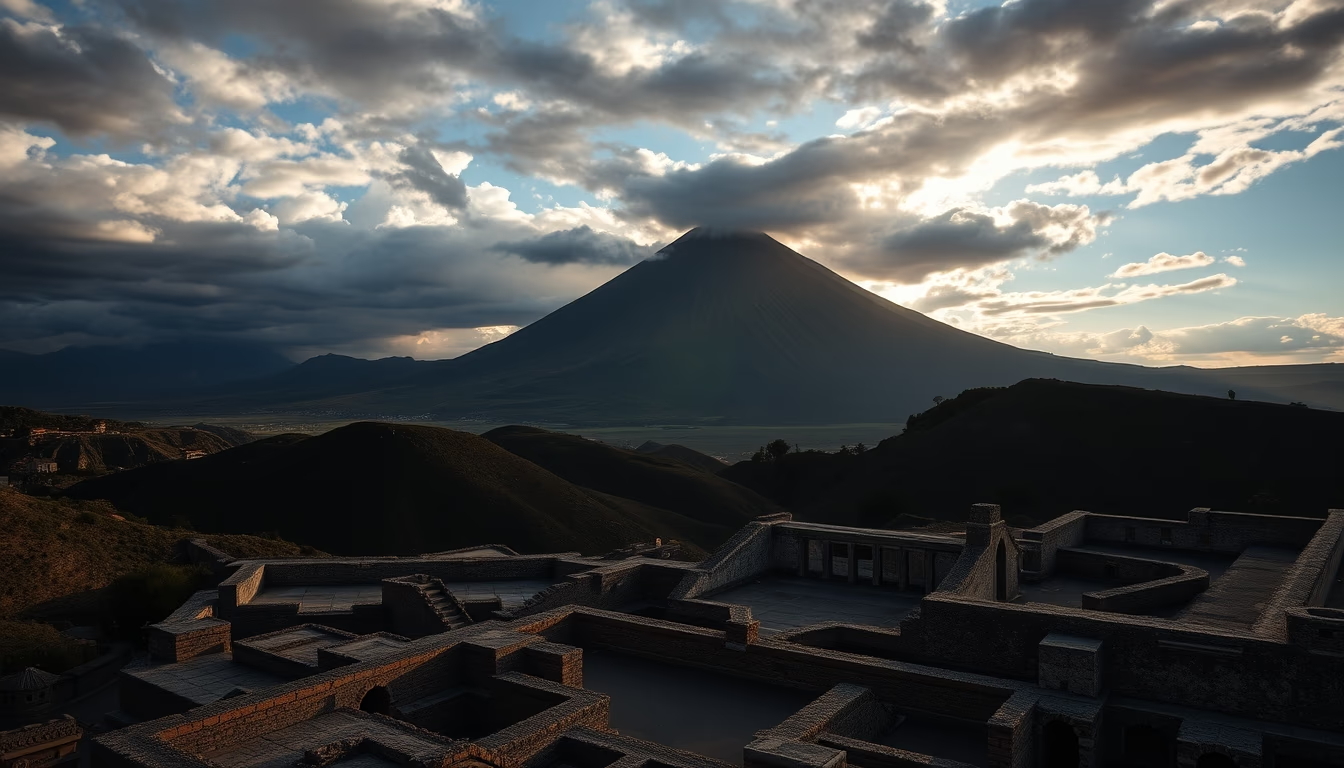
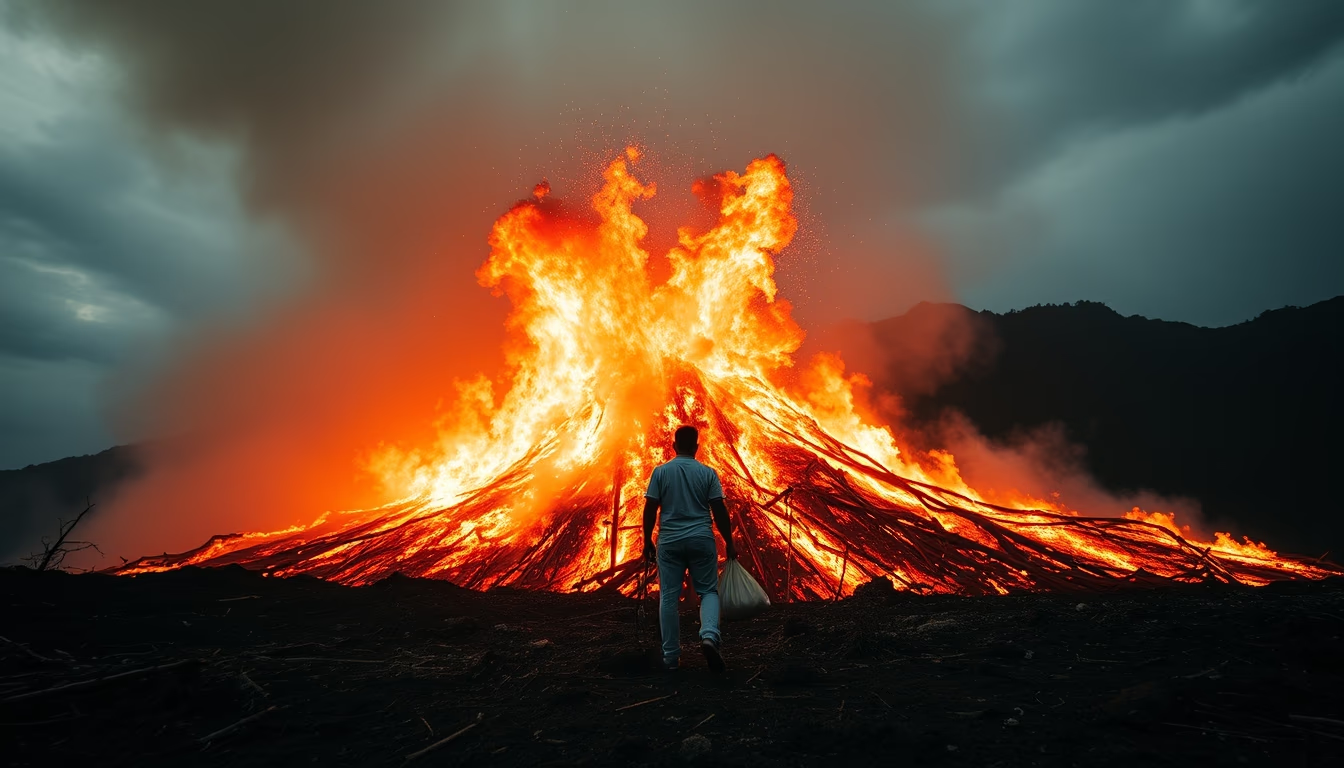
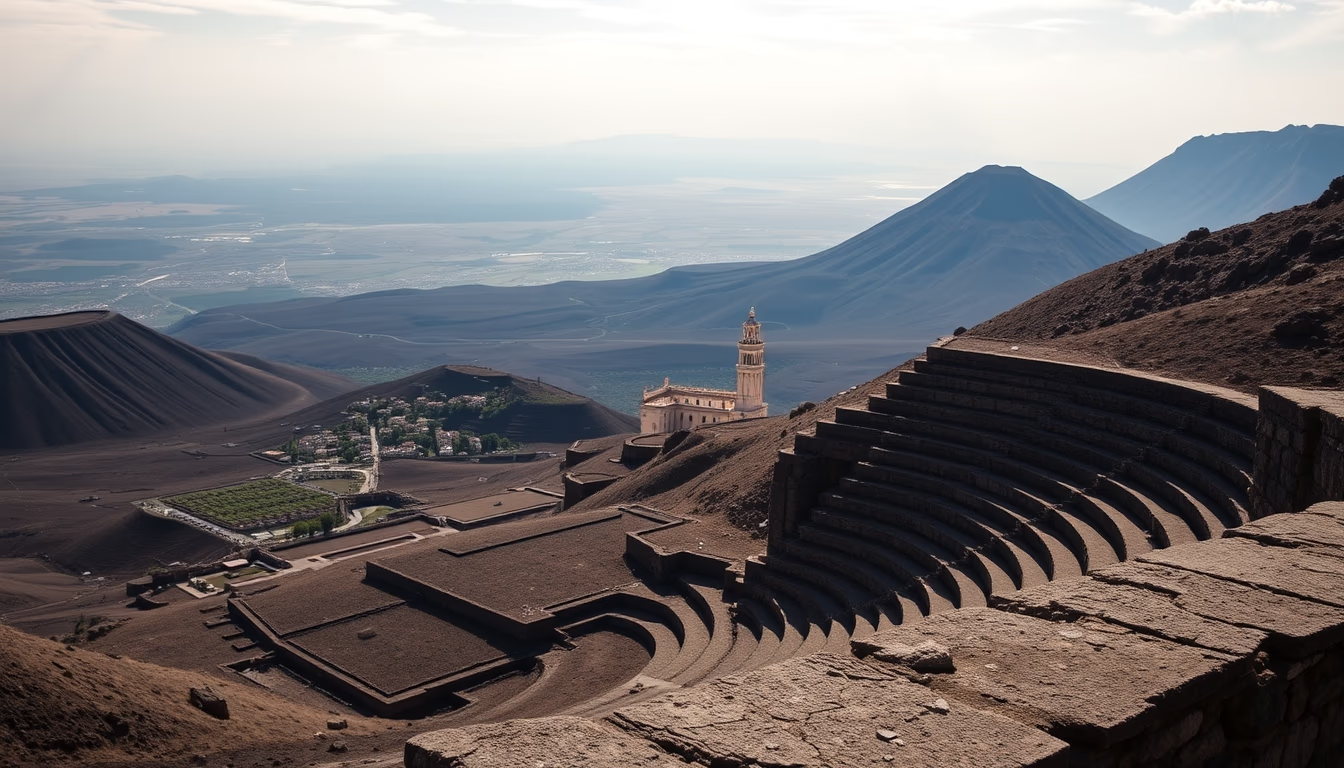
Mount Vesuvius, the volcano that devastated Pompeii in 79 AD, is now one of Italy's most visited tourist attractions, offering a privileged view of the Roman ruins.
About this subject
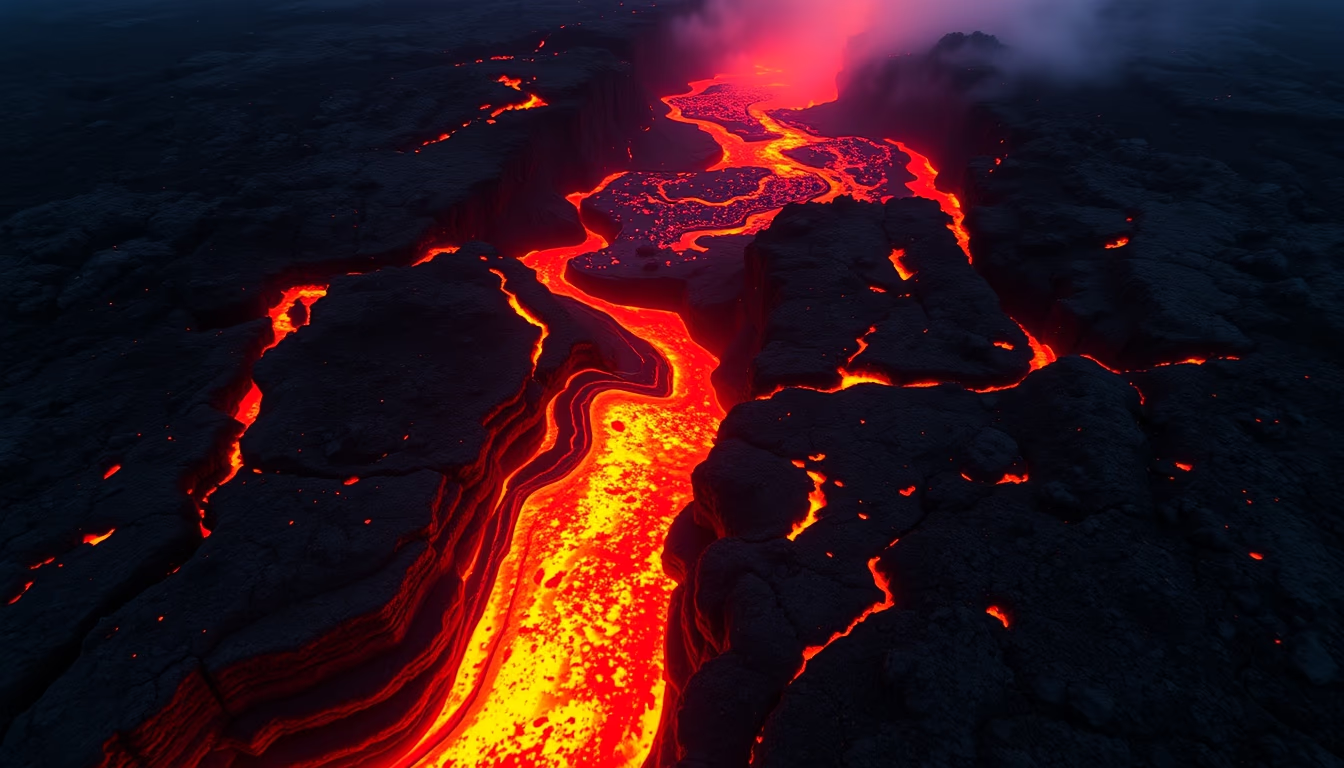
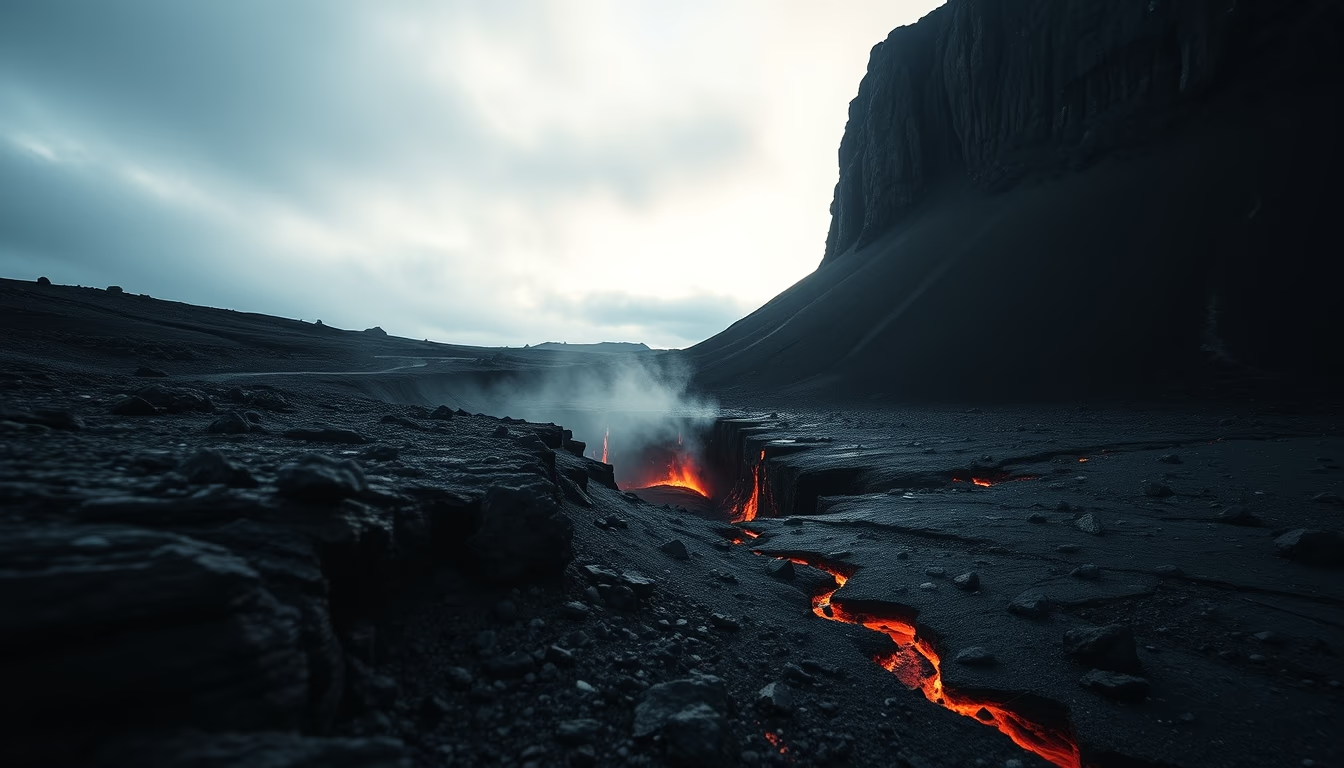
Mount Vesuvius, located in the Campania region of southern Italy, is one of the most emblematic and dangerous volcanoes in the world. Standing approximately 1,281 meters (4,203 feet) tall, it dominates the landscape of the Gulf of Naples and is famous for its catastrophic eruption on August 24, 79 AD, which buried the Roman cities of Pompeii and Herculaneum under ash and lava. Vesuvius is currently an active but dormant volcano, constantly monitored by the Vesuvian Observatory, founded in 1841, the oldest in the world. Its last significant eruption occurred in 1944, during World War II, causing damage to nearby villages.
Pompeii, located about 9 kilometers (5.6 miles) southeast of Vesuvius, was a prosperous Roman city with an estimated population of 11,000. The 79 AD eruption sent a column of ash and pumice 30 kilometers (19 miles) into the sky, and the subsequent pyroclastic surge reached Pompeii, instantly killing its inhabitants. The site was rediscovered in the 18th century and has been excavated ever since, revealing exceptionally preserved ruins, including houses, frescoes, mosaics, and fossilized human remains. The view of Mount Vesuvius from the archaeological site is striking: the imposing volcano contrasts with the ancient structures, serving as a reminder of nature's power.
Today, both the Vesuvius National Park and the ruins of Pompeii are UNESCO World Heritage Sites and attract millions of visitors each year. The park offers hiking trails to the crater, where one can see fumaroles and enjoy a panoramic view of the Bay of Naples. The 79 AD eruption was described in detail by Pliny the Younger in letters to the historian Tacitus, providing the first eyewitness account of a volcanic eruption in history. This eruption is a milestone for volcanology and continues to be studied to better understand volcanic risks in densely populated areas.
Frequently Asked Questions
What was the exact date of the Vesuvius eruption that destroyed Pompeii?
The eruption occurred on August 24, 79 AD, although recent archaeological evidence suggests it might have been in the autumn of that year.
Can visitors currently hike to the crater of Vesuvius?
Yes, Vesuvius National Park offers guided trails to the crater, providing panoramic views of the Gulf of Naples and the ruins of Pompeii. Visits are regulated for safety.
How many people died in the 79 AD eruption?
It is estimated that about 2,000 people died in Pompeii, but the total number of victims across the region, including Herculaneum and other towns, could be up to 16,000.
Direct URL
https://pub-c7d6a6ea828543ac903a74a341ccb2e1.r2.dev/imagens/vesuvius-pompeii-view-rembrandt-lighting-dramatic-shadows-fresh9.avifHow to credit
Include a visible link back to UtilizAí. Copy one of the snippets below:
<a href="https://xn--utiliza-eza.com/en/midia/imagens/vesuvius-pompeii-view-rembrandt-lighting-dramatic-shadows-fresh9">Vesuvius pompeii view</a> by <a href="https://xn--utiliza-eza.com">UtilizAí</a>, licensed under <a href="https://creativecommons.org/licenses/by/4.0/">CC BY 4.0</a>.
[Vesuvius pompeii view](https://xn--utiliza-eza.com/en/midia/imagens/vesuvius-pompeii-view-rembrandt-lighting-dramatic-shadows-fresh9) by [UtilizAí](https://xn--utiliza-eza.com), CC BY 4.0
License: CC-BY-4.0