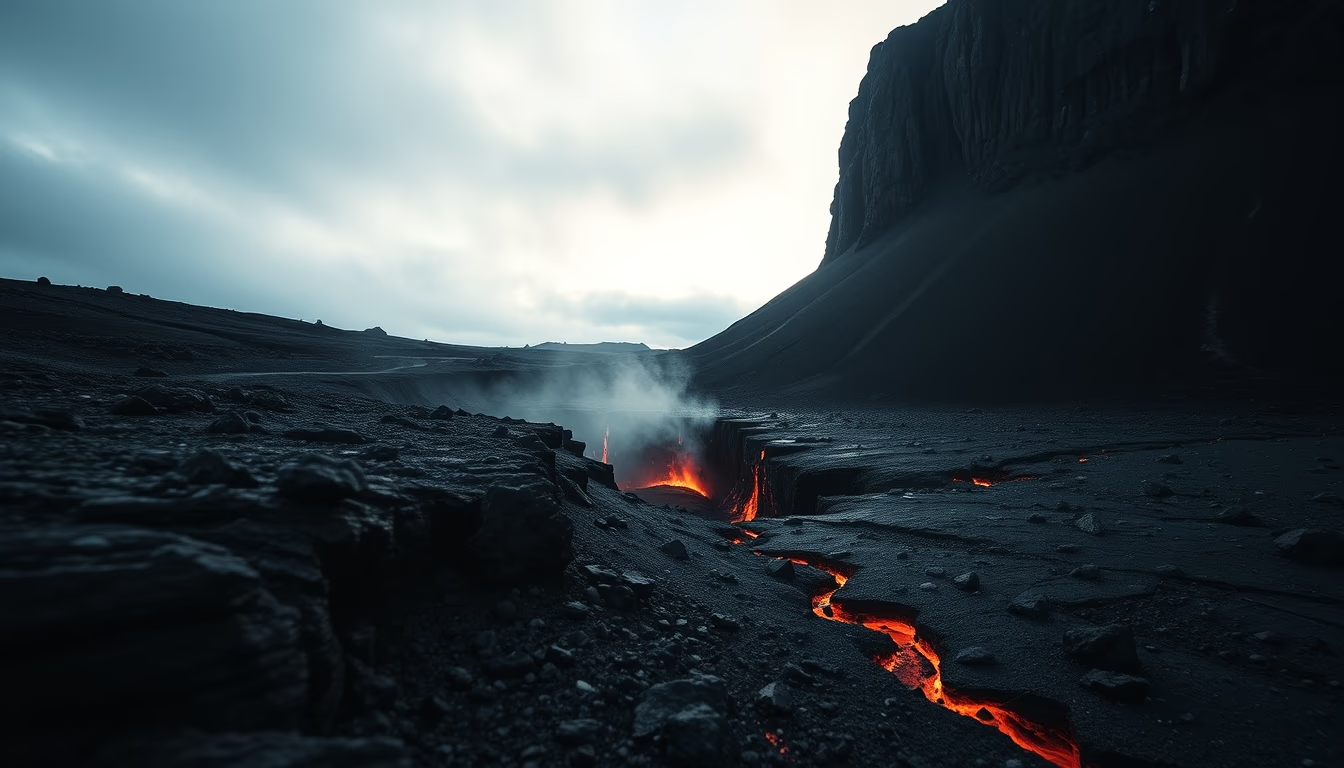
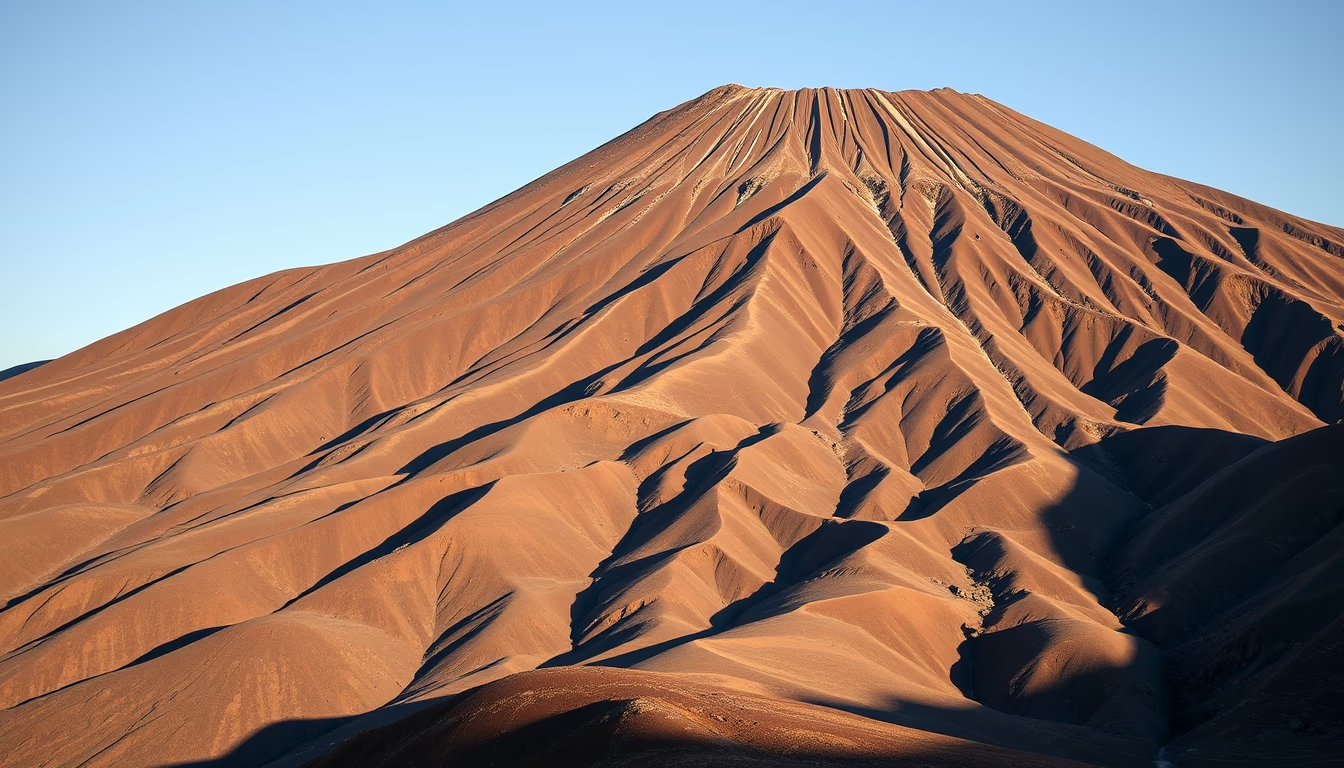
Fuego guatemala explosion
1344×768 · AVIF · CC BY 4.0
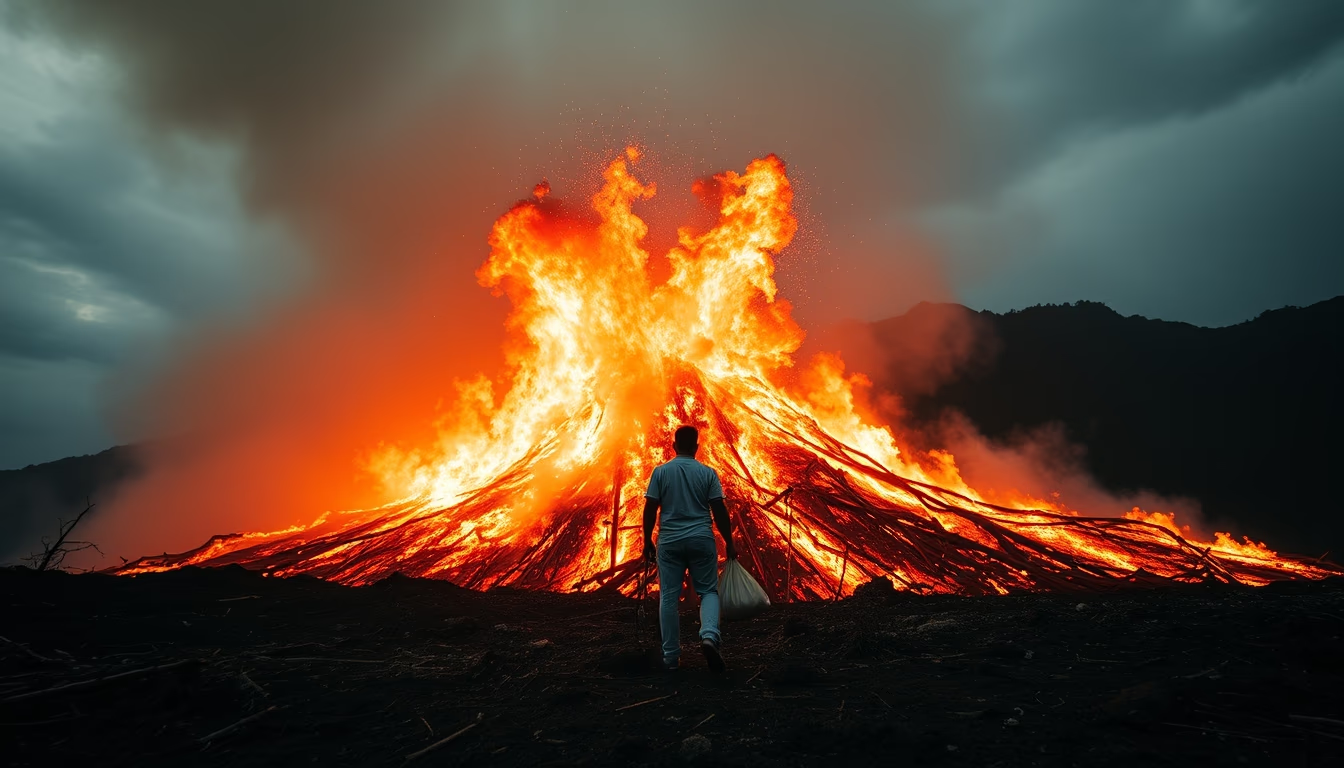
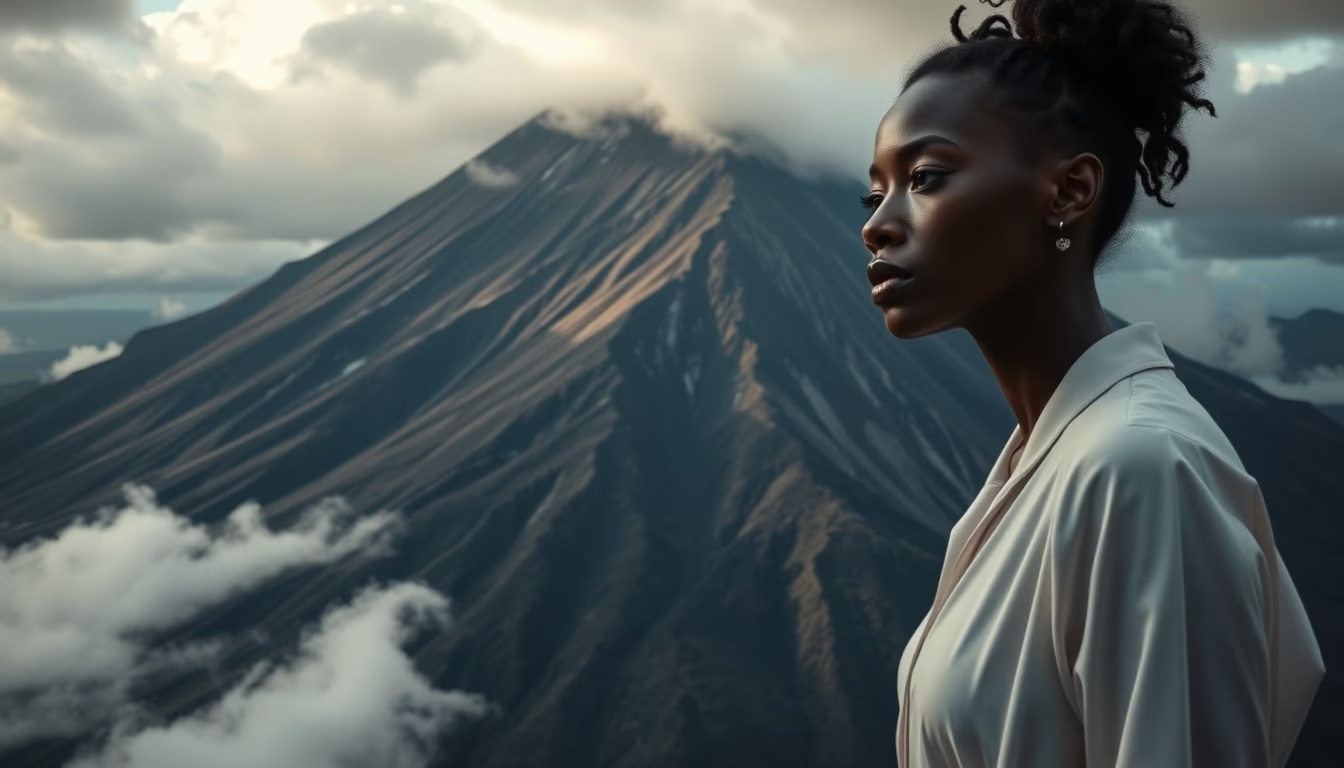
The Fuego volcano in Guatemala, one of the world's most active, recently erupted violently, devastating nearby communities.
About this subject
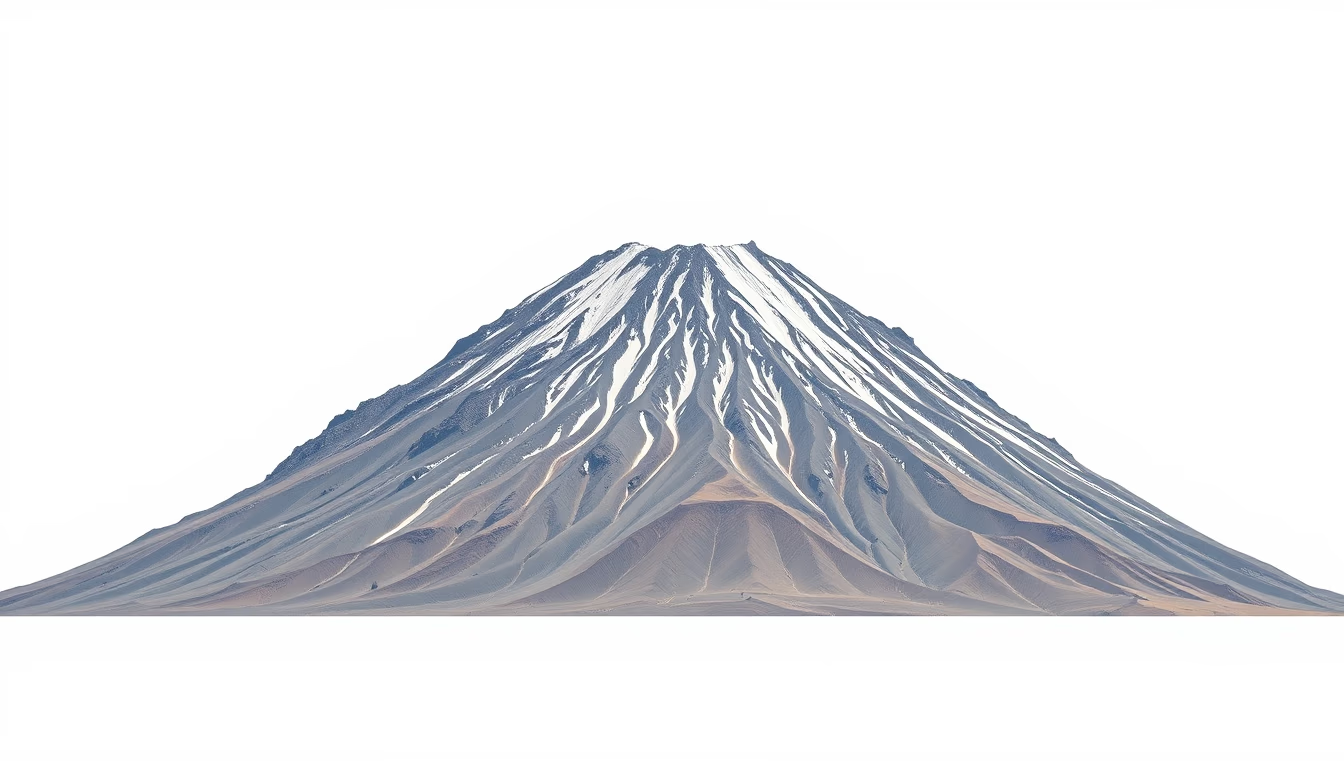
The Volcán de Fuego (Volcano of Fire) in Guatemala is a stratovolcano located about 40 km west of Guatemala City. With an elevation of 3,763 meters, it is part of the Central American Volcanic Arc, formed by the subduction of the Cocos Plate beneath the Caribbean Plate. Its eruptive activity is frequent and explosive, characterized by Strombolian and Vulcanian eruptions.
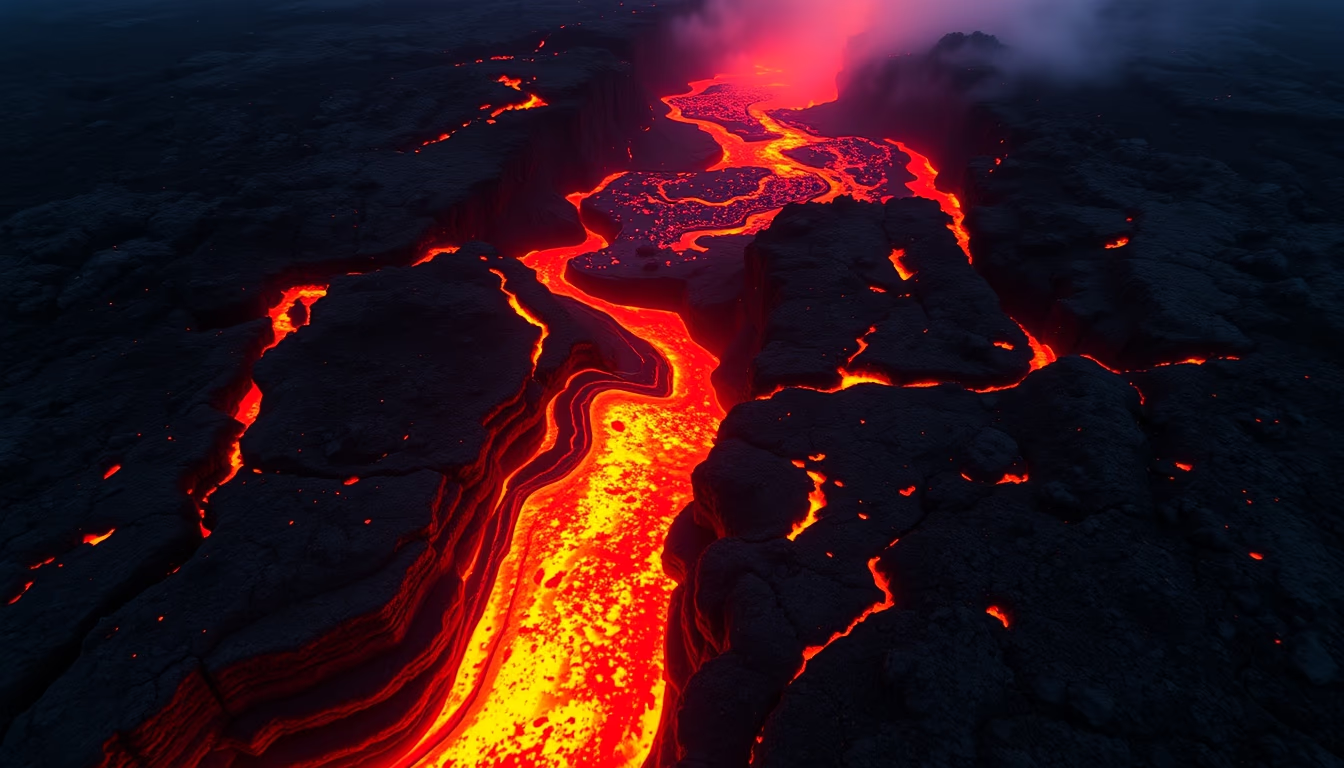
On June 3, 2018, Fuego triggered a catastrophic eruption that generated lethal pyroclastic flows. The eruption struck rural communities such as San Miguel Los Lotes and El Rodeo, burying homes and causing around 200 deaths and thousands of displaced people. The ash column reached 15 km in altitude, and lava descended the slopes at speeds up to 700 km/h.
Historically, Fuego has had significant eruptions since the Spanish colonial era. In 1974, a similar eruption also caused destruction. The volcano is monitored by the Guatemalan Institute of Seismology, Volcanology, Meteorology, and Hydrology (INSIVUMEH), which issues constant alerts. Despite the risks, the fertile surrounding lands attract farmers who cultivate coffee, sugarcane, and bananas.
The name 'Fuego' means 'fire' in Spanish, a direct reference to its incandescent nature. The volcano is a popular destination for experienced climbers, though sudden eruptions make it extremely dangerous. The 2018 explosion was the deadliest since 1902, when the Santa María volcano, also in Guatemala, killed thousands.
Frequently Asked Questions
What was the most recent major eruption of Volcán de Fuego?
The most notable recent eruption occurred on June 3, 2018, producing deadly pyroclastic flows that devastated nearby communities and caused hundreds of deaths. Since then, the volcano remains active with smaller explosions and ash emissions.
Can tourists visit Volcán de Fuego?
Yes, it is a destination for experienced hikers, but it is extremely dangerous due to sudden eruptions. Hiring local guides and checking INSIVUMEH alerts is mandatory before any excursion.
How does Volcán de Fuego differ from Volcán Pacaya?
Fuego is taller and more explosive, with violent eruptions and pyroclastic flows. Pacaya, also in Guatemala, is more accessible and has effusive activity with lava flows, making it one of the most visited volcanoes in the country.
Direct URL
https://pub-c7d6a6ea828543ac903a74a341ccb2e1.r2.dev/imagens/fuego-guatemala-explosion-documentary-nature-style-fresh17.avifHow to credit
Include a visible link back to UtilizAí. Copy one of the snippets below:
<a href="https://xn--utiliza-eza.com/en/midia/imagens/fuego-guatemala-explosion-documentary-nature-style-fresh17">Fuego guatemala explosion</a> by <a href="https://xn--utiliza-eza.com">UtilizAí</a>, licensed under <a href="https://creativecommons.org/licenses/by/4.0/">CC BY 4.0</a>.
[Fuego guatemala explosion](https://xn--utiliza-eza.com/en/midia/imagens/fuego-guatemala-explosion-documentary-nature-style-fresh17) by [UtilizAí](https://xn--utiliza-eza.com), CC BY 4.0
License: CC-BY-4.0