Vesuvius pompeii view
1344×768 · AVIF · CC BY 4.0
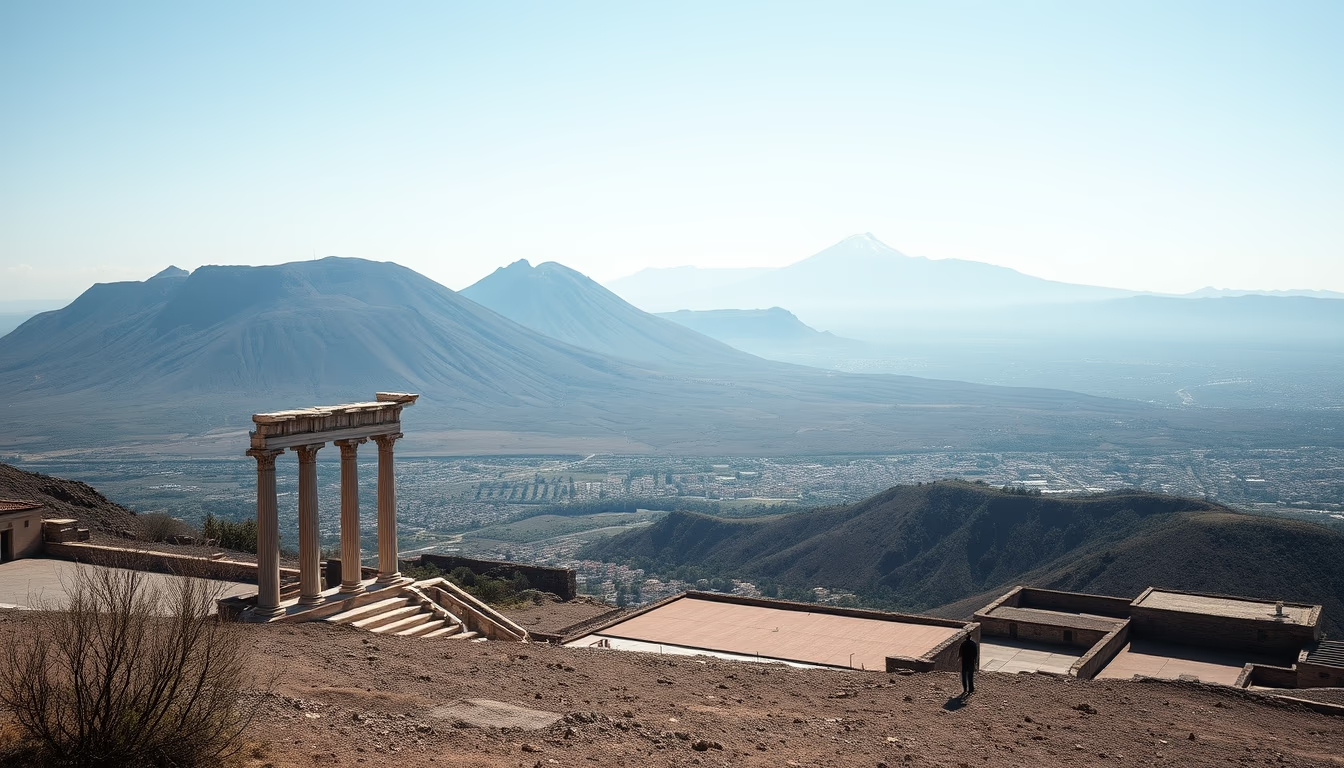
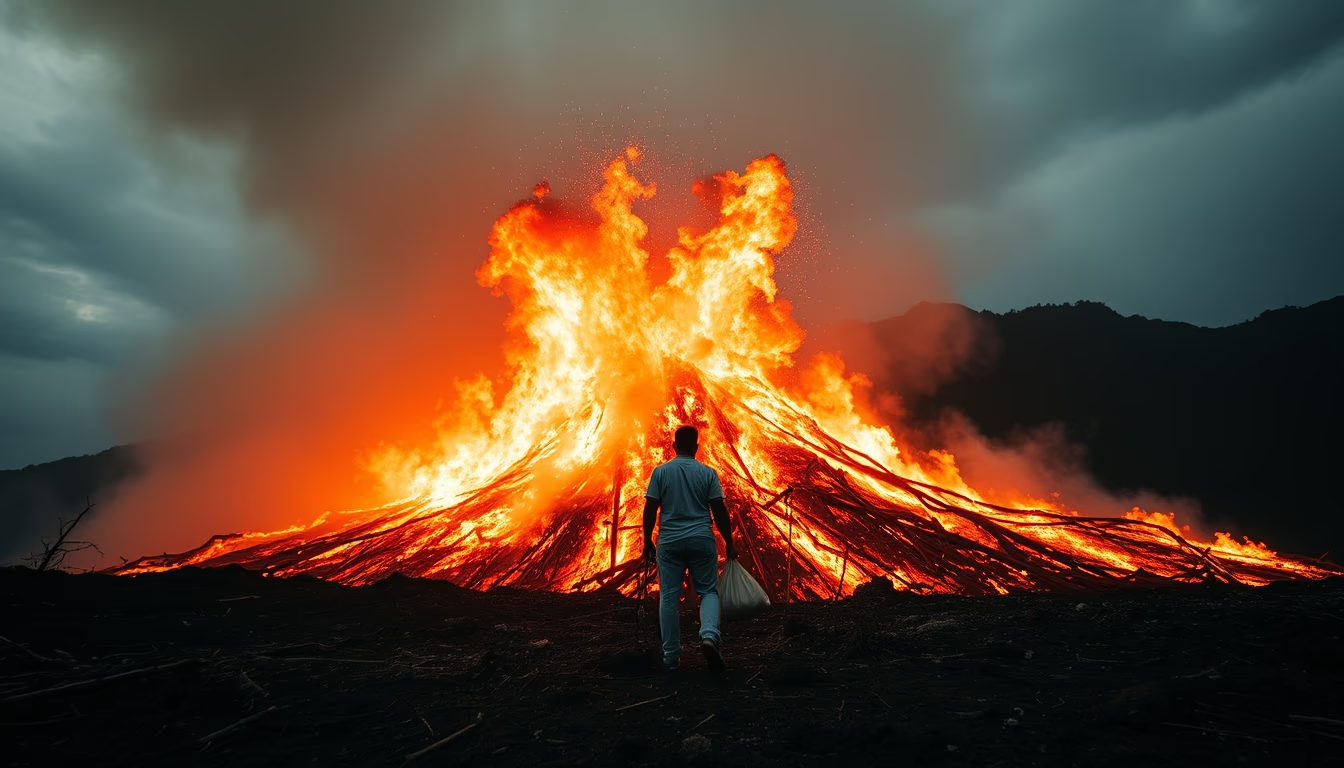
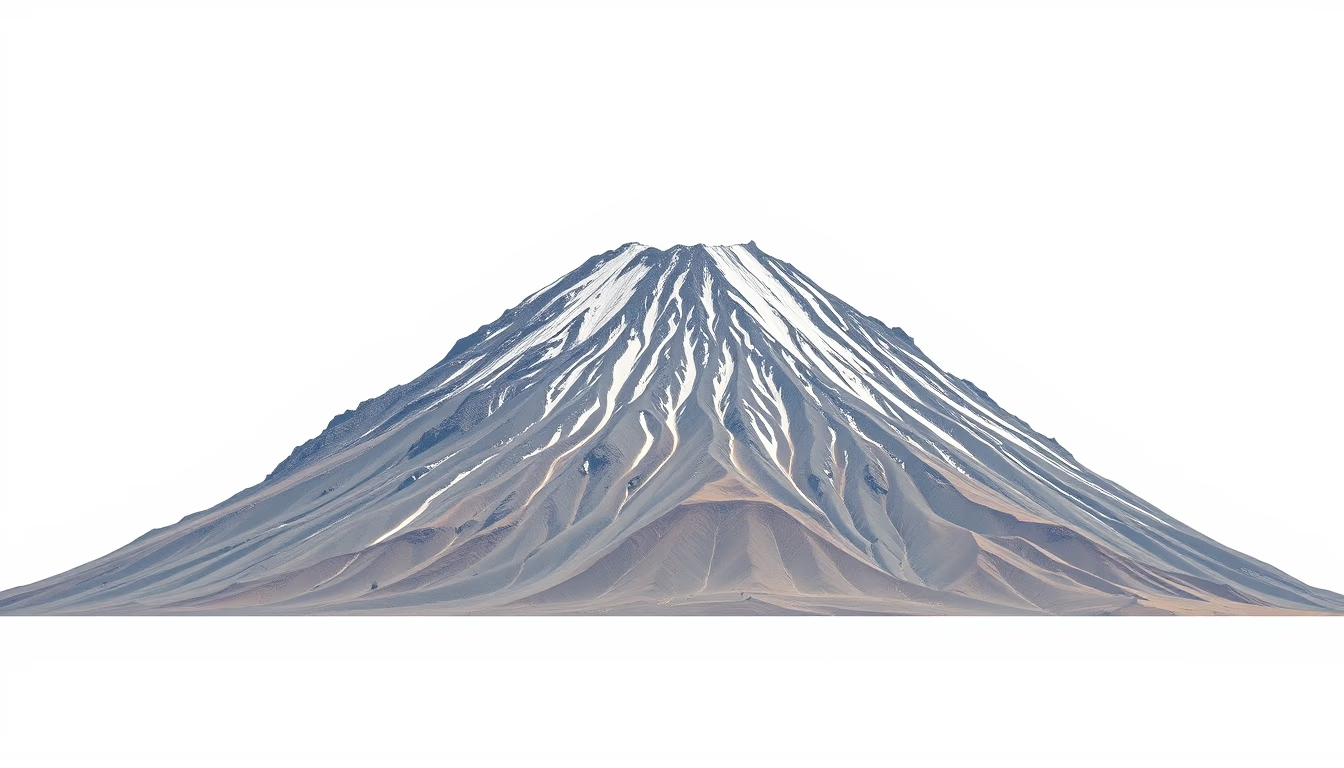
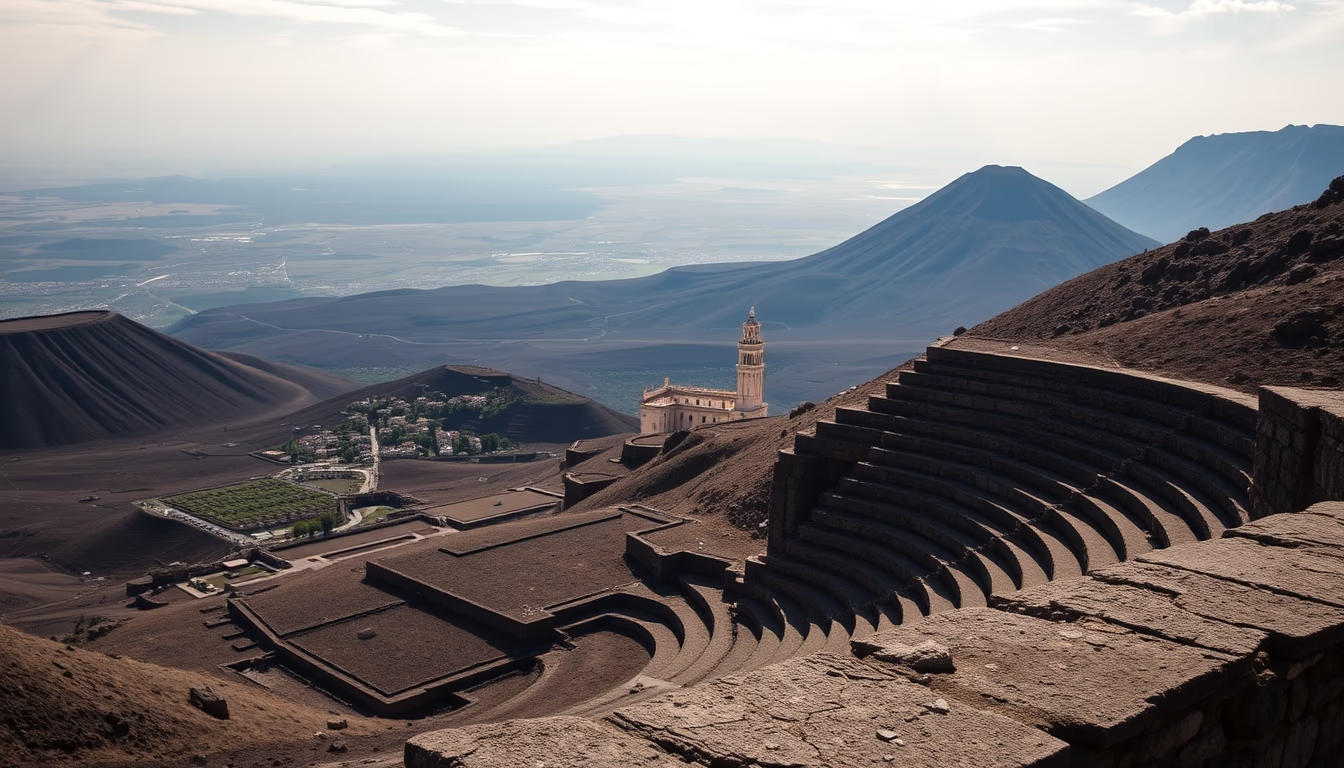
Mount Vesuvius, seen from the ruins of Pompeii, is an active stratovolcano in Italy that made history with the devastating eruption of 79 AD.
About this subject
Mount Vesuvius, standing at 1,281 meters, dominates the landscape of the Gulf of Naples, Italy. This stratovolcano is part of the Campanian Volcanic Arc and is the only active volcano on the European mainland to have erupted in the last hundred years. Its geological formation dates back about 25,000 years, resulting from the collision of the African and Eurasian tectonic plates.
The most famous eruption occurred on August 24, 79 AD, when Vesuvius released a cloud of ash, pumice, and toxic gases that buried the Roman cities of Pompeii and Herculaneum. The account of Pliny the Younger about the event is one of the earliest detailed descriptions of a volcanic eruption in history. The ash preserved buildings, objects, and even bodies in fleeing positions, offering a unique glimpse into Roman life.
Today, Vesuvius is closely monitored by the Vesuvius Observatory, founded in 1841 as the first volcanological observatory in the world. Its last eruption was in March 1944, during World War II. The surrounding area is densely populated, with about 3 million people living at risk, making Vesuvius one of the most dangerous volcanoes on the planet.
Tourists can visit Vesuvius National Park, established in 1995, which offers trails to the crater. From there, one can observe the Bay of Naples and the ruins of Pompeii, a UNESCO World Heritage site. The view of Vesuvius from Pompeii symbolizes the power of nature and human resilience in the face of destruction.
Frequently Asked Questions
Can Mount Vesuvius still erupt?
Yes, Vesuvius is an active volcano and remains under constant monitoring. The last eruption was in 1944, and scientists predict that new eruptions are possible, although it is not possible to predict exactly when.
How were the ruins of Pompeii preserved by the eruption?
The 79 AD eruption covered Pompeii with a thick layer of ash and pumice, sealing the city under anaerobic conditions. This preserved structures, frescoes, mosaics, and even plaster casts of victims' bodies, made by archaeologists.
Why is Mount Vesuvius considered one of the most dangerous volcanoes in the world?
Due to the high population density around it (about 3 million people) and its history of explosive eruptions, such as in 79 AD. A new eruption could cause large-scale destruction and loss of life.
Direct URL
https://pub-c7d6a6ea828543ac903a74a341ccb2e1.r2.dev/imagens/vesuvius-pompeii-view-minimalist-composition-fresh15.avifHow to credit
Include a visible link back to UtilizAí. Copy one of the snippets below:
<a href="https://xn--utiliza-eza.com/en/midia/imagens/vesuvius-pompeii-view-minimalist-composition-fresh15">Vesuvius pompeii view</a> by <a href="https://xn--utiliza-eza.com">UtilizAí</a>, licensed under <a href="https://creativecommons.org/licenses/by/4.0/">CC BY 4.0</a>.
[Vesuvius pompeii view](https://xn--utiliza-eza.com/en/midia/imagens/vesuvius-pompeii-view-minimalist-composition-fresh15) by [UtilizAí](https://xn--utiliza-eza.com), CC BY 4.0
License: CC-BY-4.0