Vesuvius pompeii view
1344×768 · AVIF · CC BY 4.0
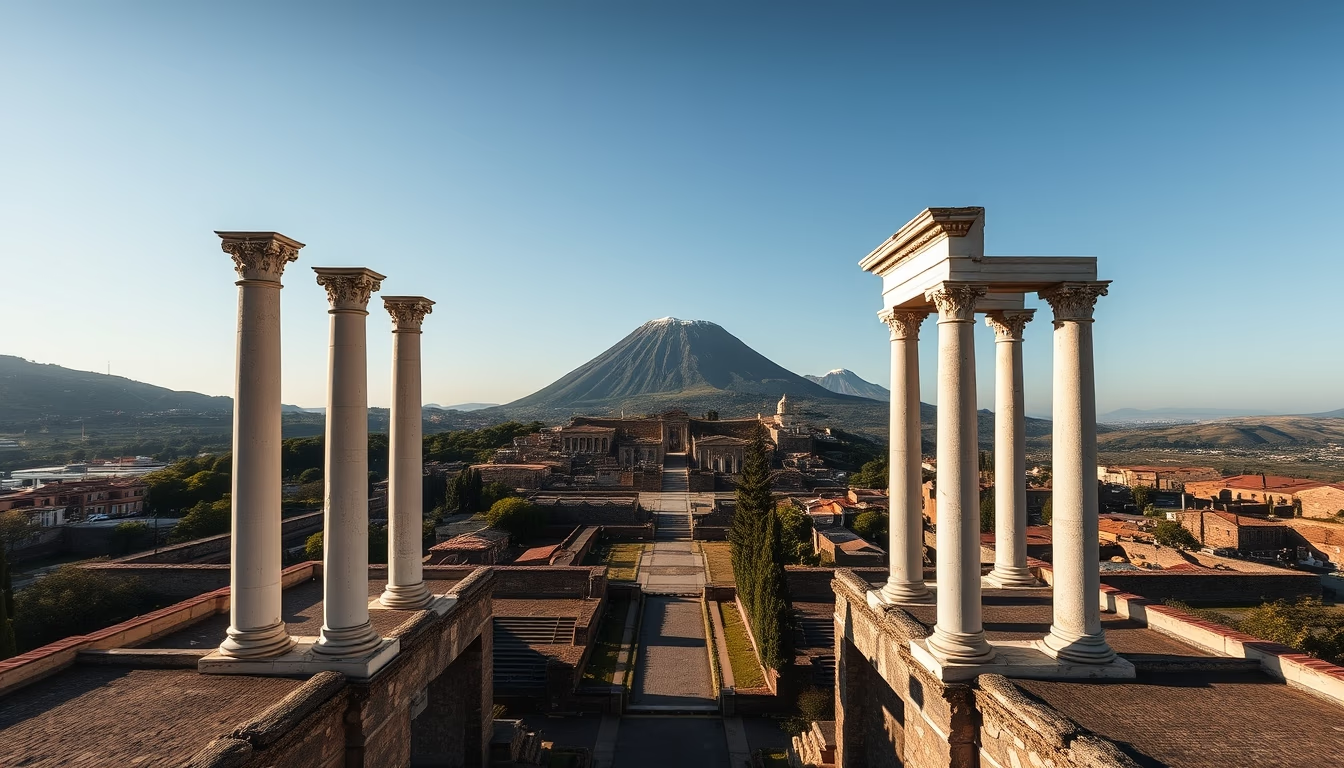
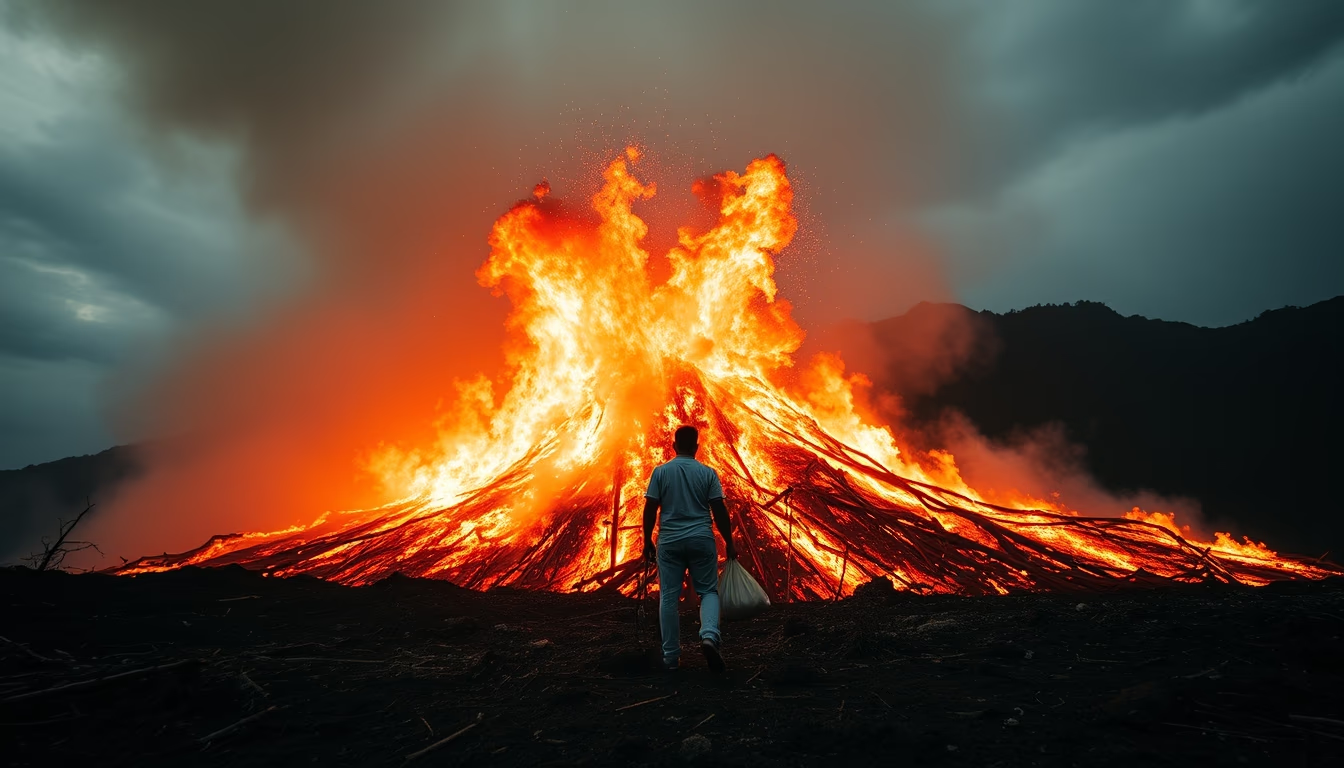
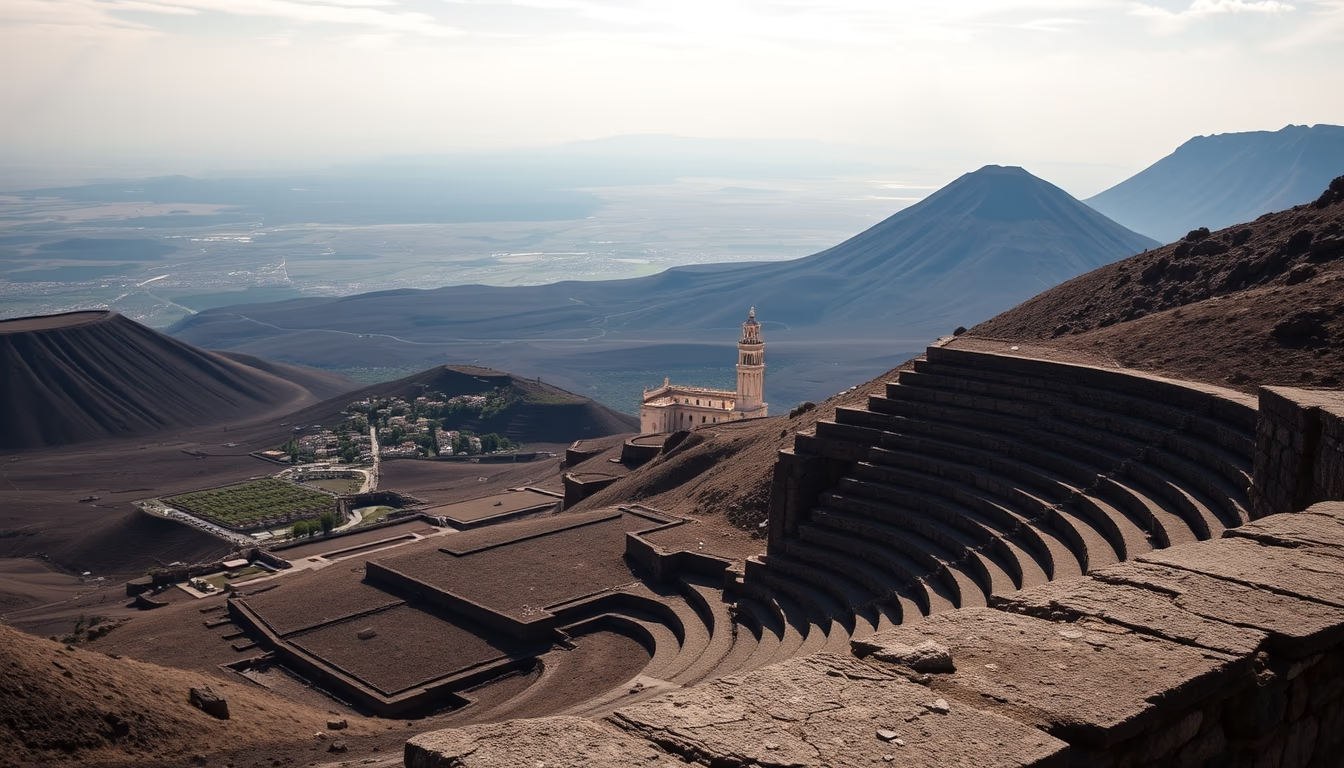
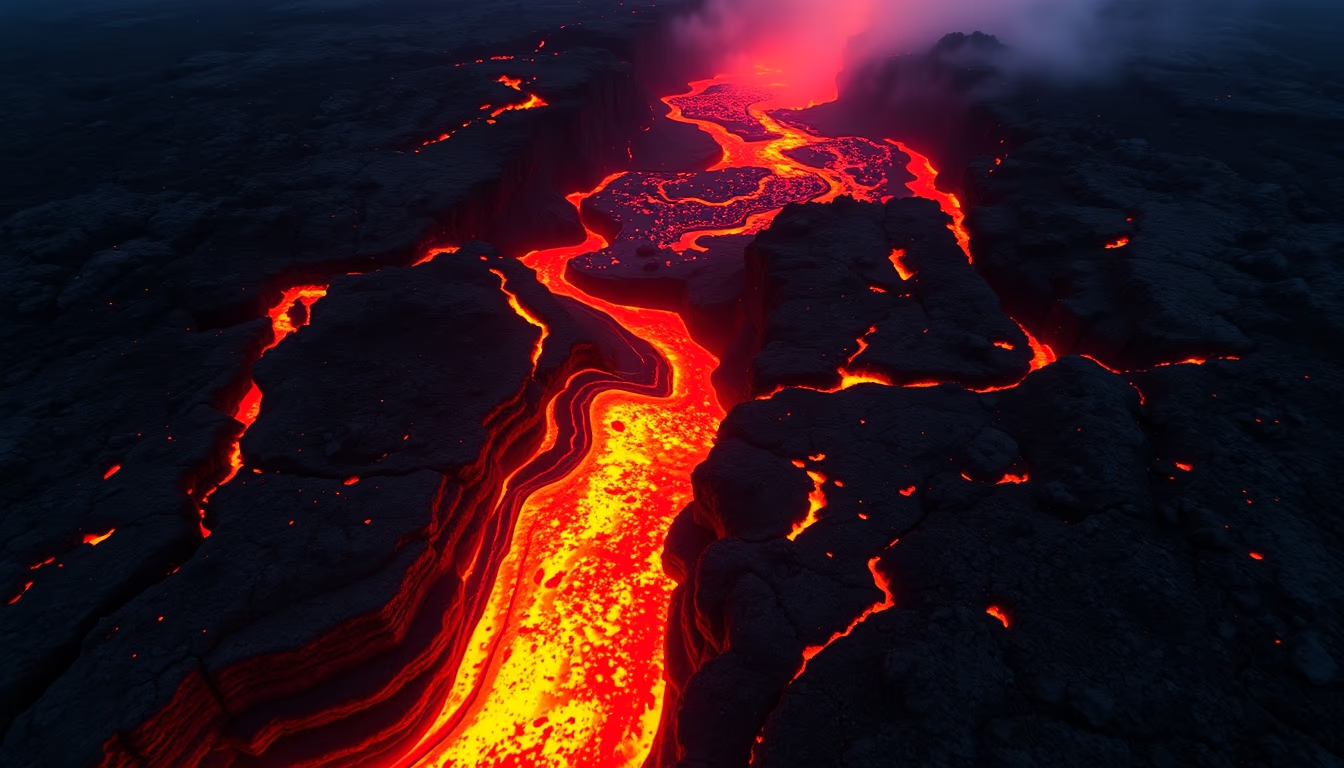
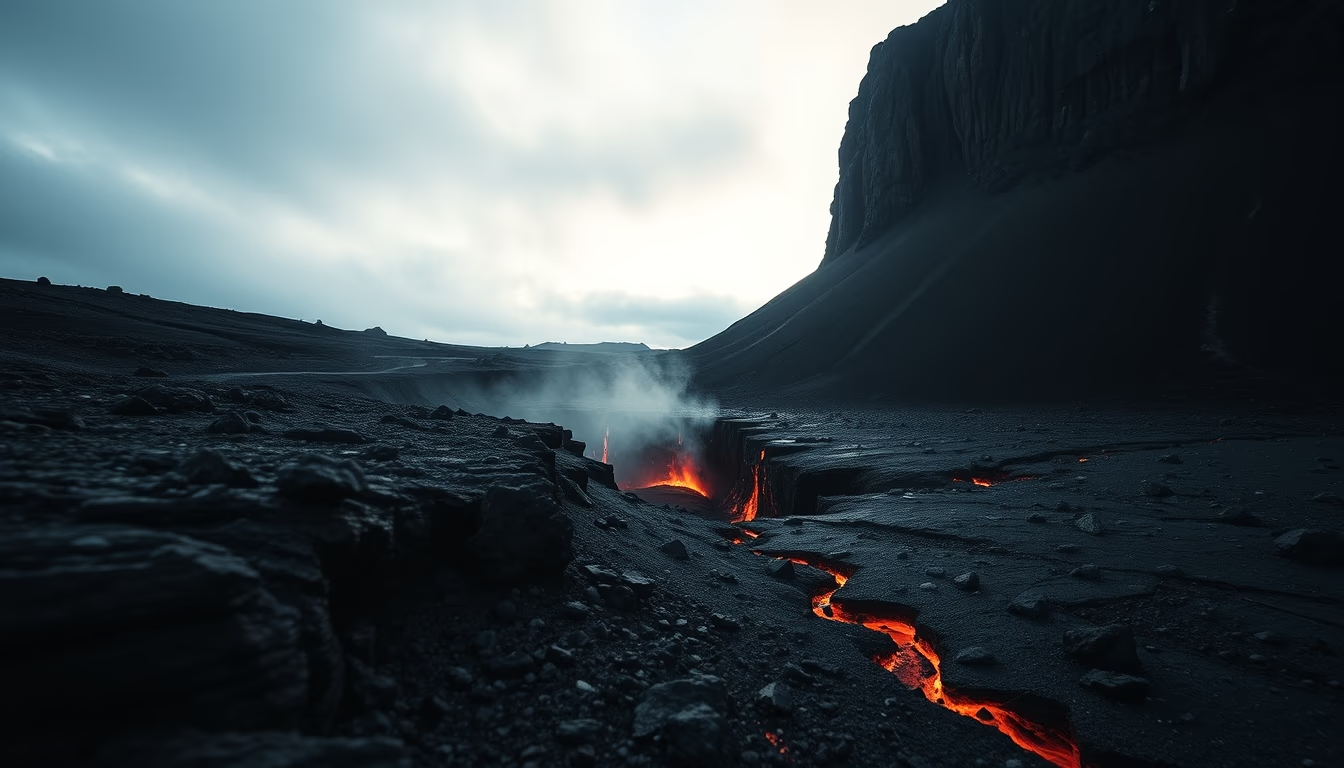
Mount Vesuvius, seen from the ruins of Pompeii, is one of the most dangerous volcanoes in the world and the site of the 79 AD eruption that buried the Roman city.
About this subject
Mount Vesuvius, located on the coast of the Gulf of Naples in Italy, is a stratovolcano standing about 1,281 meters high. Its geological formation dates back over 400,000 years, and it is part of the Campanian volcanic arc, which includes the Phlegraean Fields. The most famous eruption of Vesuvius occurred on August 24, 79 AD, when a pyroclastic cloud devastated the cities of Pompeii and Herculaneum, burying them under ash and lapilli. Approximately 2,000 people are estimated to have died, though the exact number is uncertain. The eruption was described in detail by Pliny the Younger, who witnessed the event from Misenum.
Since then, Vesuvius has erupted dozens of times, with the last eruption in 1944 during World War II. Today, it is closely monitored by the Vesuvius Observatory, founded in 1841. The area around the volcano is densely populated, with about 3 million people living in its risk zone, making it one of the most dangerous volcanoes in the world. The ruins of Pompeii, a UNESCO World Heritage Site, attract millions of tourists annually, who can see Vesuvius in the background, creating a direct link to the historical tragedy.
The view of Vesuvius from Pompeii offers a unique perspective: the volcano appears calm, but its imposing silhouette reminds us of the destructive power that shaped history. Archaeological studies reveal that the Pompeians were aware of the volcanic nature of the region but underestimated the risks. Today, Vesuvius is a symbol of human fragility before natural forces, frequently appearing in popular culture, such as in the film "The Last Days of Pompeii" and 19th-century paintings.
Frequently Asked Questions
What was the exact date of the Vesuvius eruption that destroyed Pompeii?
The eruption occurred on August 24, 79 AD, but there is debate among historians, with some evidence suggesting it might have been in October of the same year.
How many people died in the 79 AD eruption?
It is estimated that around 2,000 people died in Pompeii and Herculaneum, but the total number is uncertain, as many bodies were found in surrounding areas.
Is Vesuvius still active?
Yes, Vesuvius is an active volcano, but it is currently in a resting state. The last eruption was in 1944, and it is constantly monitored by the Vesuvius Observatory.
Direct URL
https://pub-c7d6a6ea828543ac903a74a341ccb2e1.r2.dev/imagens/vesuvius-pompeii-view-architectural-photography-fresh1.avifHow to credit
Include a visible link back to UtilizAí. Copy one of the snippets below:
<a href="https://xn--utiliza-eza.com/en/midia/imagens/vesuvius-pompeii-view-architectural-photography-fresh1">Vesuvius pompeii view</a> by <a href="https://xn--utiliza-eza.com">UtilizAí</a>, licensed under <a href="https://creativecommons.org/licenses/by/4.0/">CC BY 4.0</a>.
[Vesuvius pompeii view](https://xn--utiliza-eza.com/en/midia/imagens/vesuvius-pompeii-view-architectural-photography-fresh1) by [UtilizAí](https://xn--utiliza-eza.com), CC BY 4.0
License: CC-BY-4.0