Vesuvius pompeii view
1344×768 · AVIF · CC BY 4.0
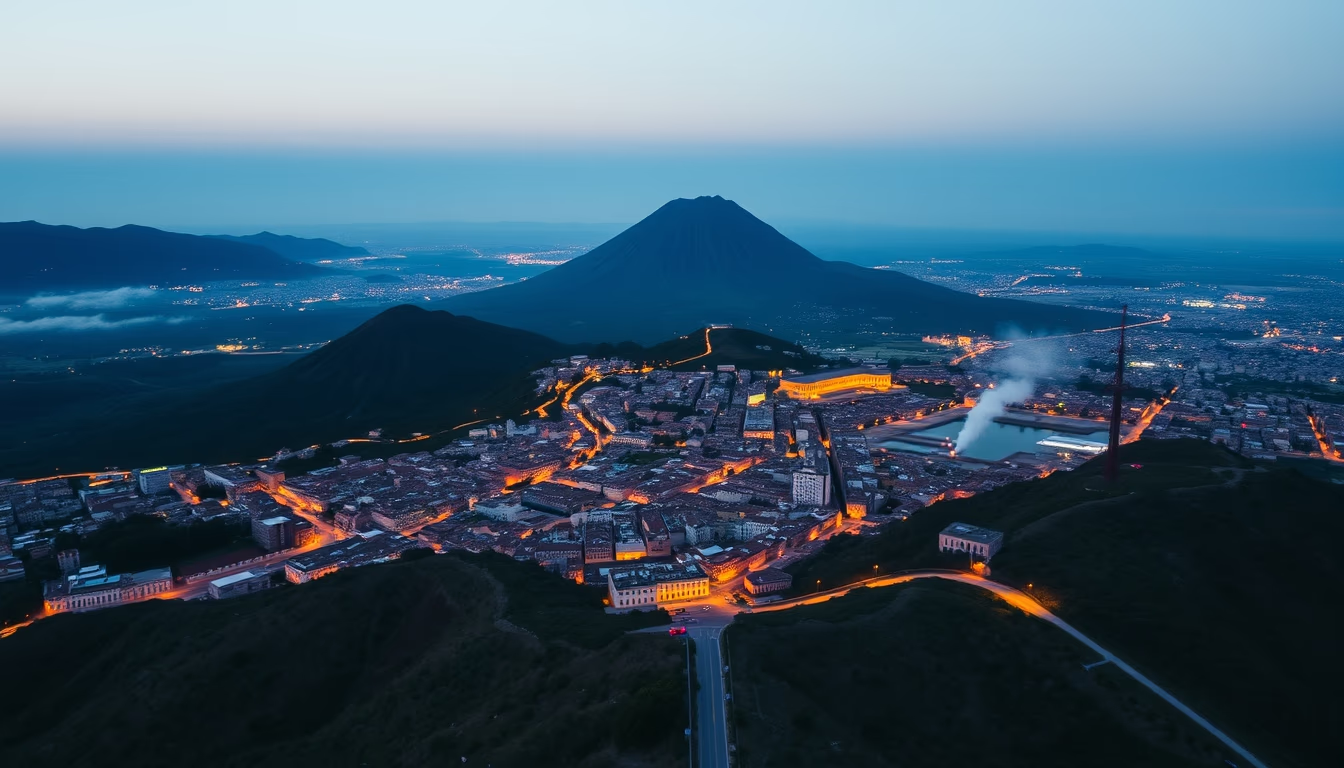
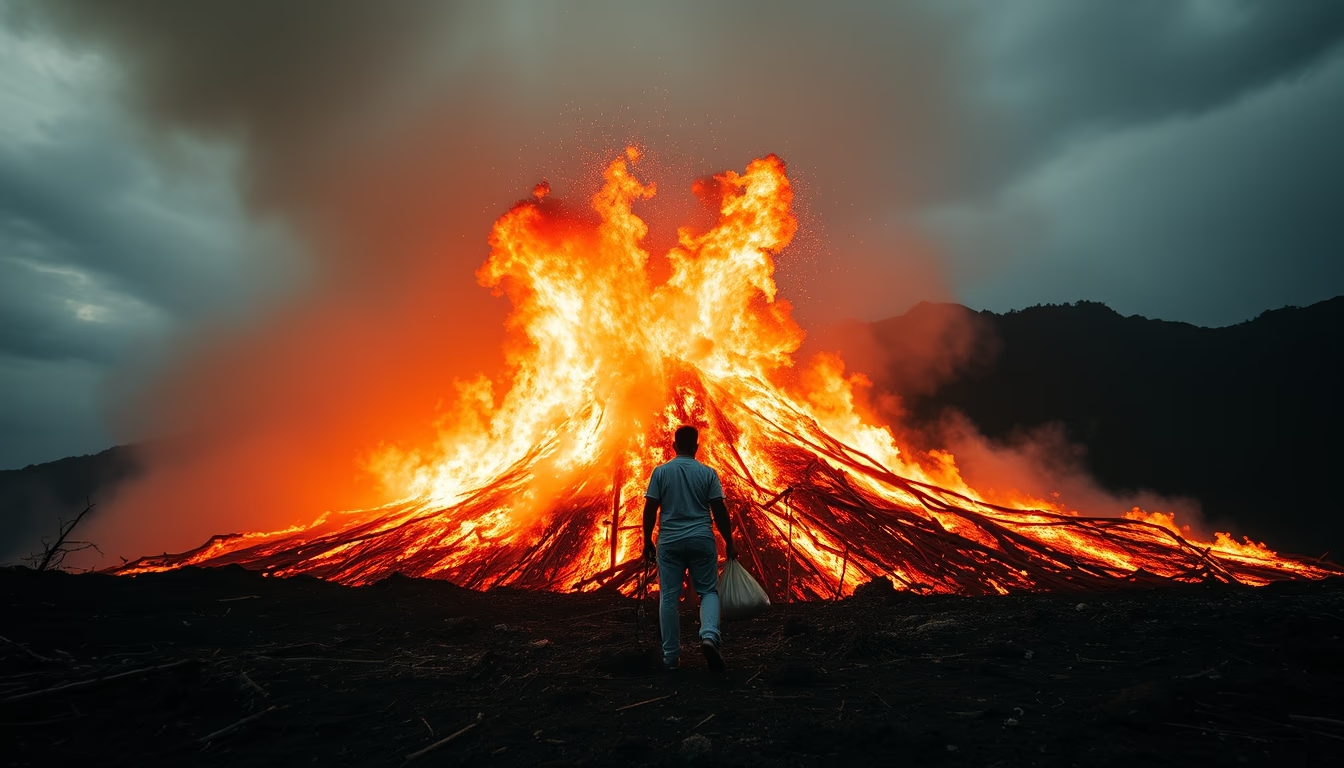
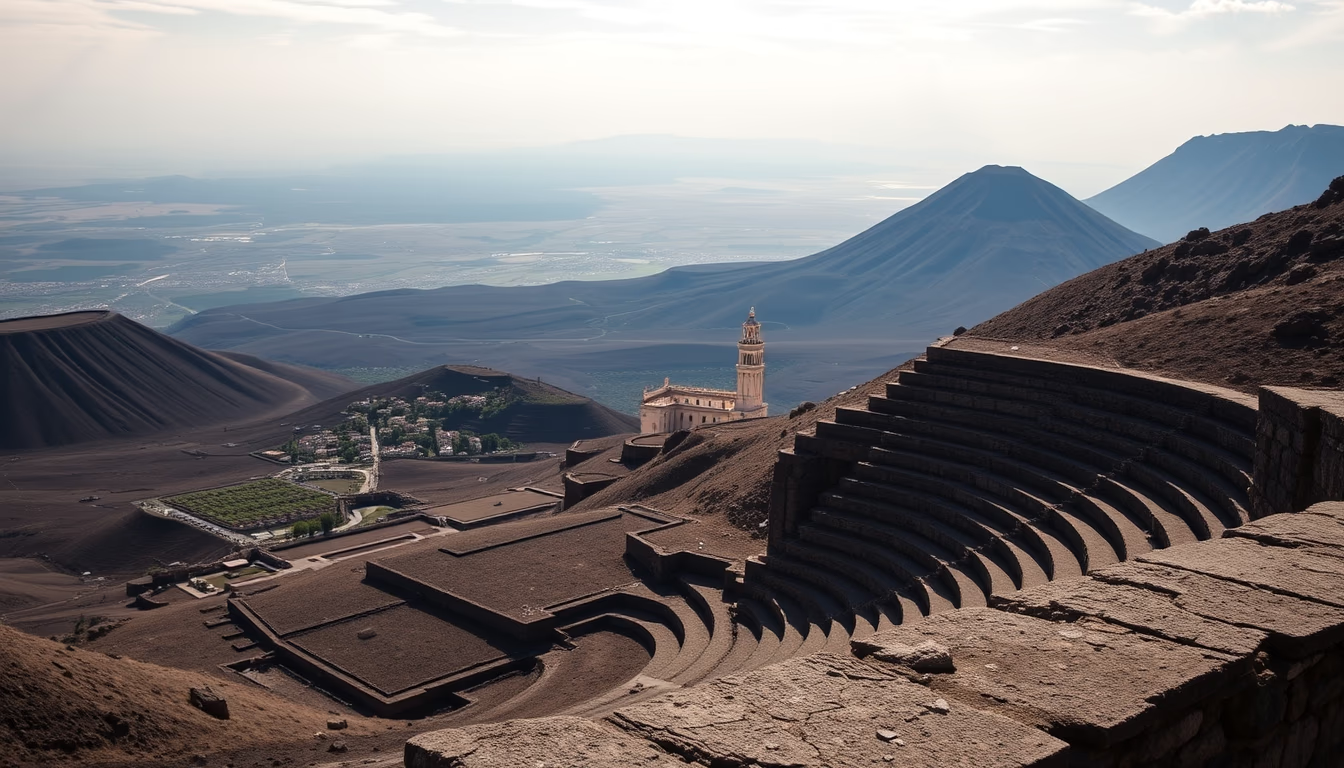
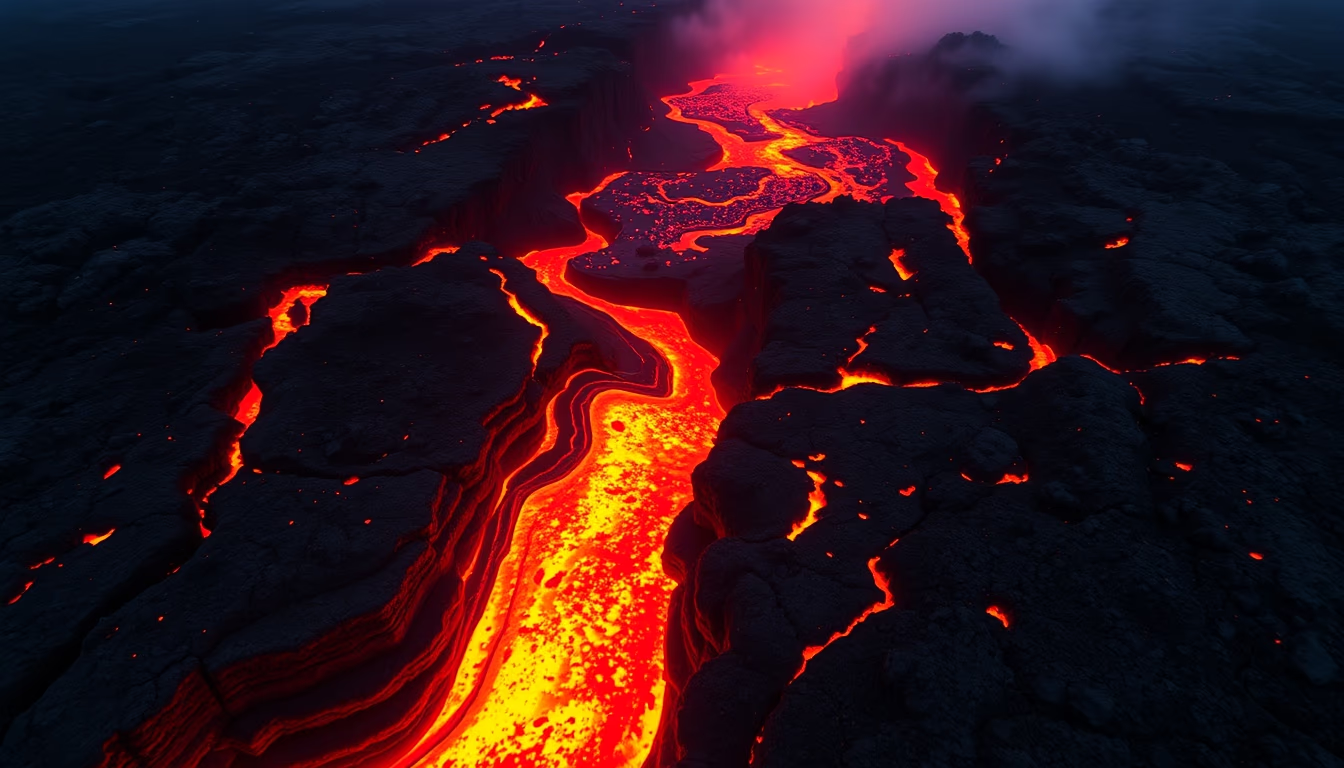
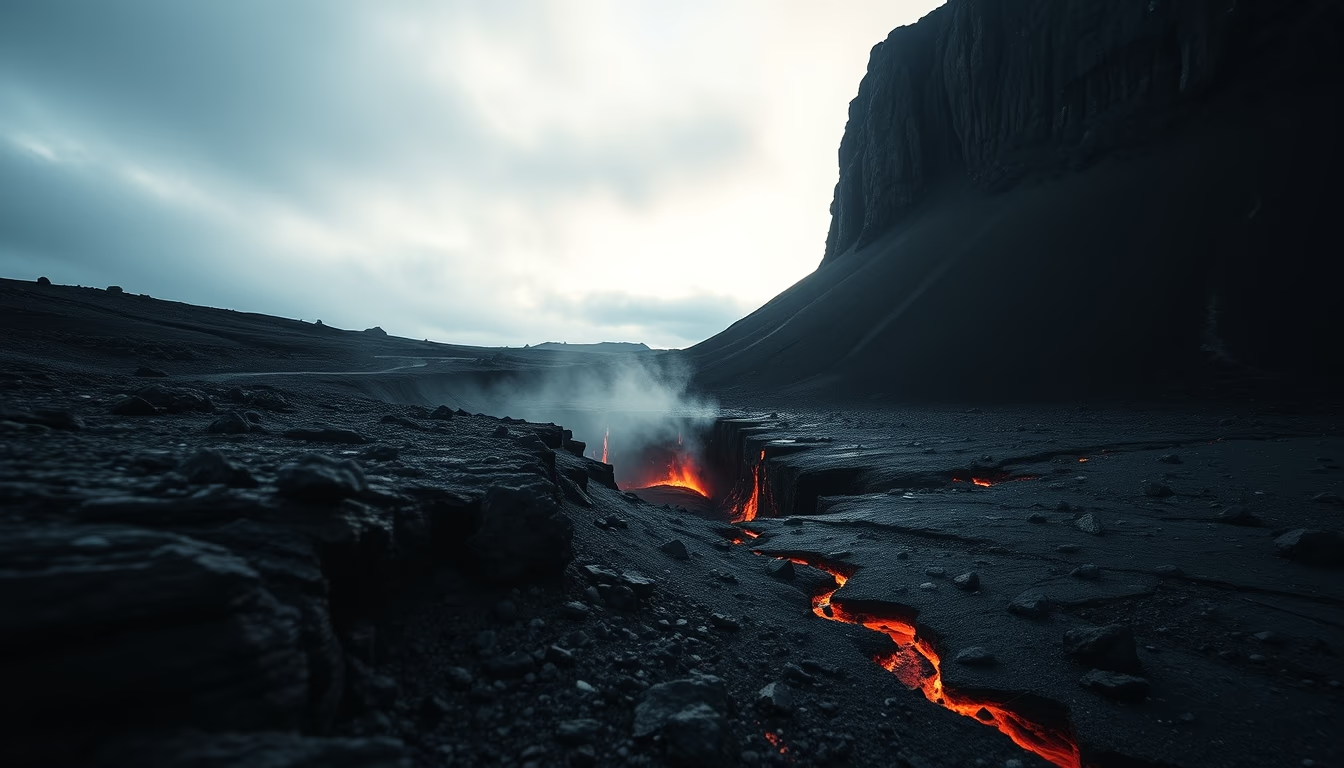
Mount Vesuvius, the volcano that destroyed Pompeii in 79 AD, dominates the landscape of Campania with its imposing silhouette.
About this subject
Mount Vesuvius is a stratovolcano located on the Gulf of Naples in Italy. Its most famous eruption, on August 24, 79 AD, buried the Roman cities of Pompeii and Herculaneum under ash and lava, preserving them for centuries. Today, Vesuvius is one of the most monitored volcanoes in the world due to its proximity to the densely populated metropolitan area of Naples, which houses over 3 million people.
The last major eruption occurred in 1944, during World War II, destroying the villages of San Sebastiano al Vesuvio and Massa di Somma. Since then, the volcano has remained in a dormant but not extinct state. Geologists classify Vesuvius as a high-risk volcano, and an emergency evacuation plan is in place for the surrounding Red Zone.
Vesuvius National Park, established in 1995, protects the area and offers hiking trails to the crater, at about 1,281 meters in altitude. From its summit, one can see the Gulf of Naples and the ruins of Pompeii, one of the most visited archaeological sites in the world. The Roman city, buried under 4 to 6 meters of ash and pumice, was rediscovered in the 18th century and continues to reveal frescoes, mosaics, and petrified bodies that provide a vivid snapshot of daily life in the Roman Empire.
The eruption of Vesuvius in 79 AD was described in detail by Pliny the Younger in letters to historian Tacitus. This account is considered the first eyewitness report of a volcanic eruption in history. The archaeological excavations at Pompeii and Herculaneum have been UNESCO World Heritage sites since 1997.
Frequently Asked Questions
What was the most devastating eruption of Vesuvius?
The most devastating eruption occurred on August 24, 79 AD, burying Pompeii and Herculaneum under ash, lapilli, and pyroclastic flows, killing thousands of people.
Is Vesuvius still active?
Yes, Vesuvius is considered an active volcano, though it has been dormant since 1944. Scientists constantly monitor its seismic activity and gas emissions.
Can you visit the crater of Vesuvius?
Yes, Vesuvius National Park has guided trails leading to the crater rim. The hike takes about 30 minutes and offers panoramic views of the region.
Direct URL
https://pub-c7d6a6ea828543ac903a74a341ccb2e1.r2.dev/imagens/vesuvius-pompeii-view-aerial-drone-shot-fresh13.avifHow to credit
Include a visible link back to UtilizAí. Copy one of the snippets below:
<a href="https://xn--utiliza-eza.com/en/midia/imagens/vesuvius-pompeii-view-aerial-drone-shot-fresh13">Vesuvius pompeii view</a> by <a href="https://xn--utiliza-eza.com">UtilizAí</a>, licensed under <a href="https://creativecommons.org/licenses/by/4.0/">CC BY 4.0</a>.
[Vesuvius pompeii view](https://xn--utiliza-eza.com/en/midia/imagens/vesuvius-pompeii-view-aerial-drone-shot-fresh13) by [UtilizAí](https://xn--utiliza-eza.com), CC BY 4.0
License: CC-BY-4.0