Tilapia tanks indoor
1344×768 · AVIF · CC BY 4.0
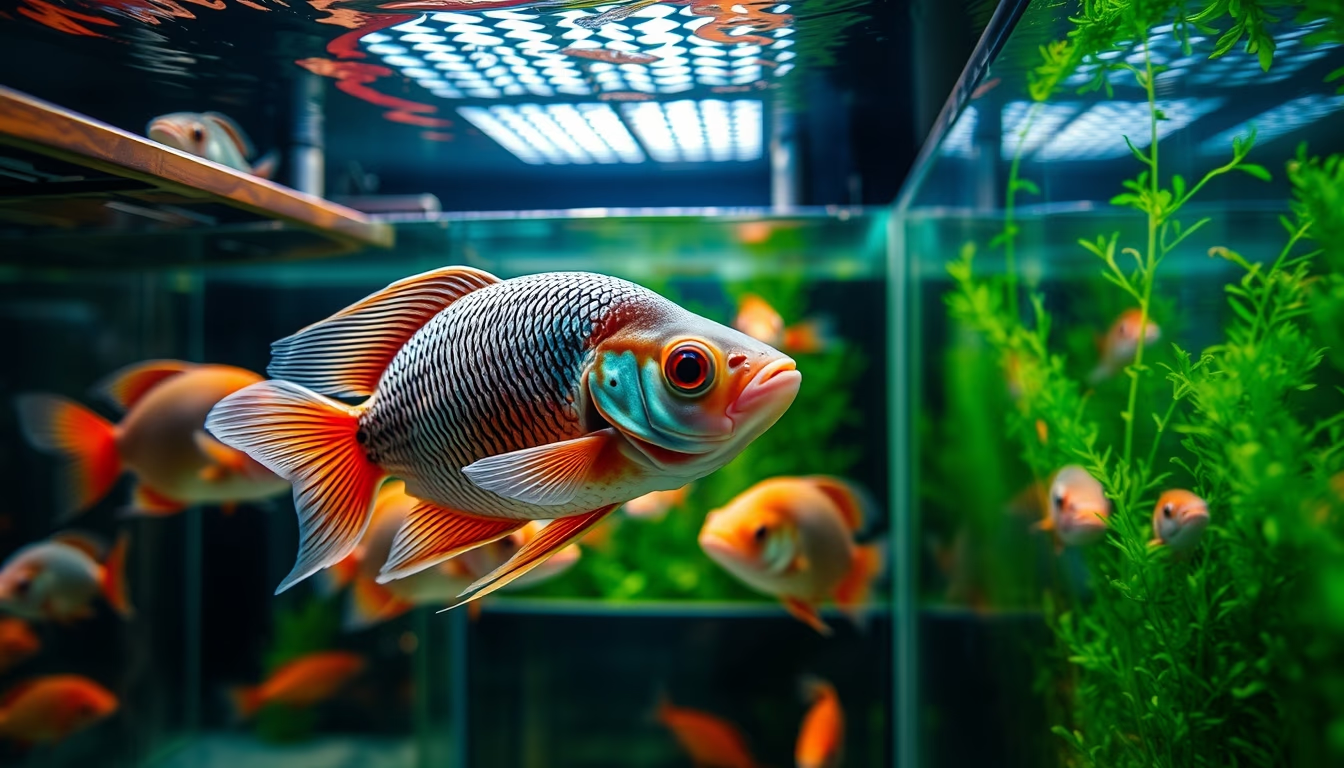
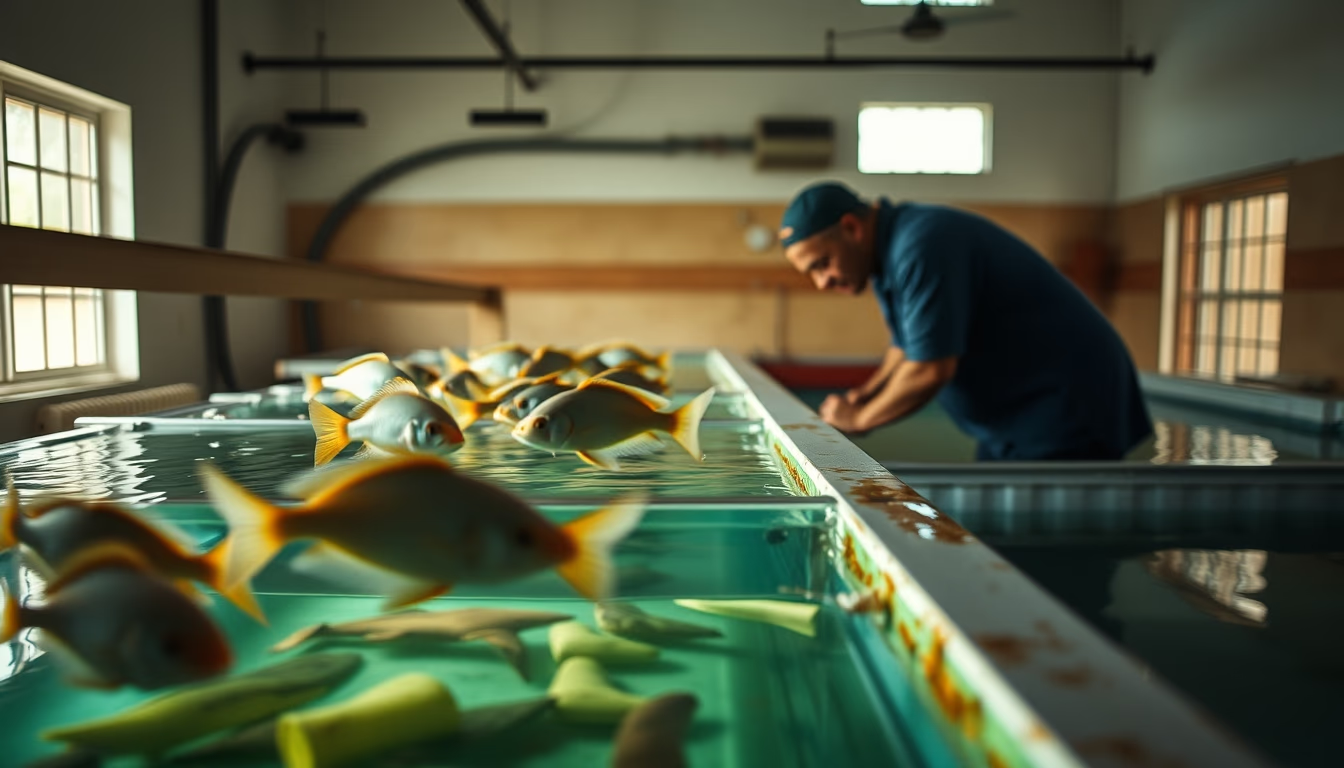
Indoor tilapia tank farming is an aquaculture technique that allows environmental control and sustainable fish production.
About this subject
Tilapia is one of the most farmed fish globally, especially in intensive systems like indoor tanks. These systems, also known as recirculating aquaculture systems (RAS), allow precise control of water quality, temperature, and feeding, resulting in high productivity per cubic meter. Unlike outdoor pond farming, the indoor environment reduces exposure to predators and diseases, and enables year-round production regardless of weather conditions.
In Brazil, tilapia farming is a growing sector, particularly in the Northeast and South regions. Indoor tank systems have become common in farms seeking greater efficiency and lower environmental impact. These systems use less water than traditional farming because water is filtered and reused. Additionally, waste can be treated and converted into biogas or fertilizers, promoting a circular economy.
The most farmed species is the Nile tilapia (Oreochromis niloticus), which shows fast growth and good adaptation to captivity. In indoor tanks, stocking density can reach 100 kg/m³, much higher than the 10-20 kg/m³ in earthen ponds. Feeding is based on balanced rations, including ingredients such as soybean meal and corn. The production cycle ranges from 6 to 8 months, depending on water temperature and fish genetics.
Interesting facts: tilapia is often called the "fish of the future" due to its feed efficiency and low fat content. Brazil is the fourth largest tilapia producer worldwide, behind China, Indonesia, and Egypt. Indoor farming also reduces the risk of escapes that could impact native ecosystems, a common problem in open systems.
Frequently Asked Questions
What are the advantages of indoor tanks for tilapia?
The main advantages are environmental control, reduced water usage, lower disease incidence, year-round production, and higher productivity per area.
What is the ideal stocking density in indoor tanks?
Density can range from 50 to 100 kg/m³, depending on the filtration and oxygenation system. In well-designed systems, higher densities are possible without compromising fish welfare.
Is tilapia farmed in indoor tanks safe for consumption?
Yes, provided good management practices and quality feed are used. Indoor tank tilapia generally has a lower risk of contamination by heavy metals or pathogens due to the controlled environment.
Direct URL
https://pub-c7d6a6ea828543ac903a74a341ccb2e1.r2.dev/imagens/tilapia-tanks-indoor-studio-editorial-portrait-fresh0.avifHow to credit
Include a visible link back to UtilizAí. Copy one of the snippets below:
<a href="https://xn--utiliza-eza.com/en/midia/imagens/tilapia-tanks-indoor-studio-editorial-portrait-fresh0">Tilapia tanks indoor</a> by <a href="https://xn--utiliza-eza.com">UtilizAí</a>, licensed under <a href="https://creativecommons.org/licenses/by/4.0/">CC BY 4.0</a>.
[Tilapia tanks indoor](https://xn--utiliza-eza.com/en/midia/imagens/tilapia-tanks-indoor-studio-editorial-portrait-fresh0) by [UtilizAí](https://xn--utiliza-eza.com), CC BY 4.0
License: CC-BY-4.0