Tilapia tanks indoor
1344×768 · AVIF · CC BY 4.0

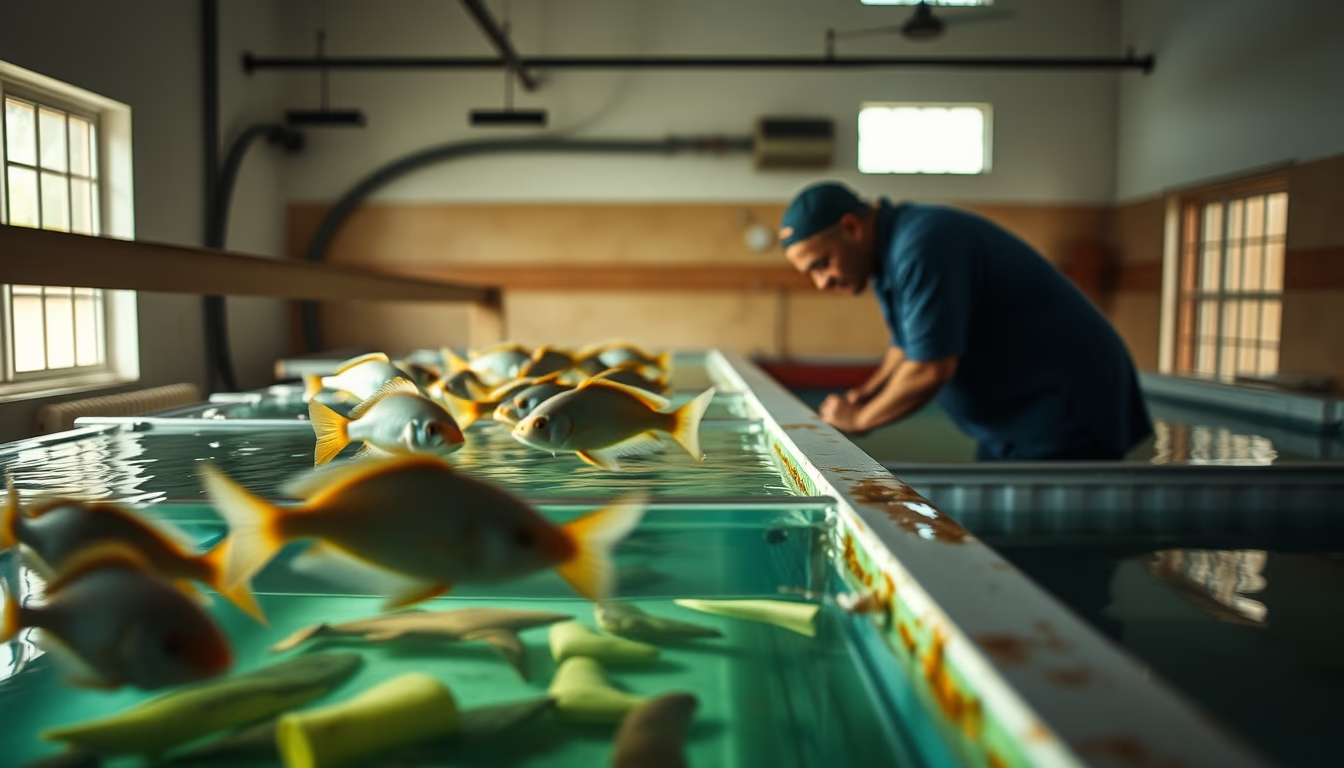
Indoor tilapia tanks represent a modern aquaculture technology for controlled and sustainable fish production in enclosed environments.
About this subject
Tilapia is one of the most farmed fish globally, with annual production exceeding 6 million tons. Indoor tank cultivation, using Recirculating Aquaculture Systems (RAS), provides full control over water quality, temperature, and feeding, eliminating risks from predators and diseases. These systems filter and reuse water, cutting consumption by up to 90% compared to traditional methods.
In Brazil, tilapia farming is the leading continental aquaculture activity, notably in São Paulo, Paraná, and Santa Catarina states. Indoor systems enable intensive production in urban areas or water-scarce regions, bringing the product closer to consumers. Modular tanks can be installed in adapted warehouses with artificial lighting and constant aeration.
Tilapia is rich in protein and omega-3, offering a more sustainable alternative to land-based proteins. Indoor farming also reduces environmental impacts such as water eutrophication and fish escape into the wild. Agri-tech companies invest in automation with IoT sensors to monitor dissolved oxygen, pH, and ammonia in real time.
Fun fact: tilapia can reach harvest weight (about 800g to 1kg) in just 6 to 8 months under optimized conditions. The indoor tilapia market grows at 10-15% annually, driven by demand for clean, traceable protein. A fashion editorial shot in indoor tanks symbolizes the intersection of design, technology, and future food.
Frequently Asked Questions
What are the main advantages of indoor tilapia farming?
Full environmental control, reduced water consumption, elimination of predators and external diseases, urban production, and greater sustainability.
How does the recirculating system work in indoor tanks?
Water is filtered (mechanical and biological), treated with UV or ozone, and returned to the tanks, maintaining optimal parameters and reusing over 90% of the volume.
Is indoor farmed tilapia healthier than pond-raised tilapia?
Both are nutritious, but the controlled environment reduces antibiotic use and contamination, potentially yielding a safer product.
Direct URL
https://pub-c7d6a6ea828543ac903a74a341ccb2e1.r2.dev/imagens/tilapia-tanks-indoor-high-fashion-editorial-fresh8.avifHow to credit
Include a visible link back to UtilizAí. Copy one of the snippets below:
<a href="https://xn--utiliza-eza.com/en/midia/imagens/tilapia-tanks-indoor-high-fashion-editorial-fresh8">Tilapia tanks indoor</a> by <a href="https://xn--utiliza-eza.com">UtilizAí</a>, licensed under <a href="https://creativecommons.org/licenses/by/4.0/">CC BY 4.0</a>.
[Tilapia tanks indoor](https://xn--utiliza-eza.com/en/midia/imagens/tilapia-tanks-indoor-high-fashion-editorial-fresh8) by [UtilizAí](https://xn--utiliza-eza.com), CC BY 4.0
License: CC-BY-4.0