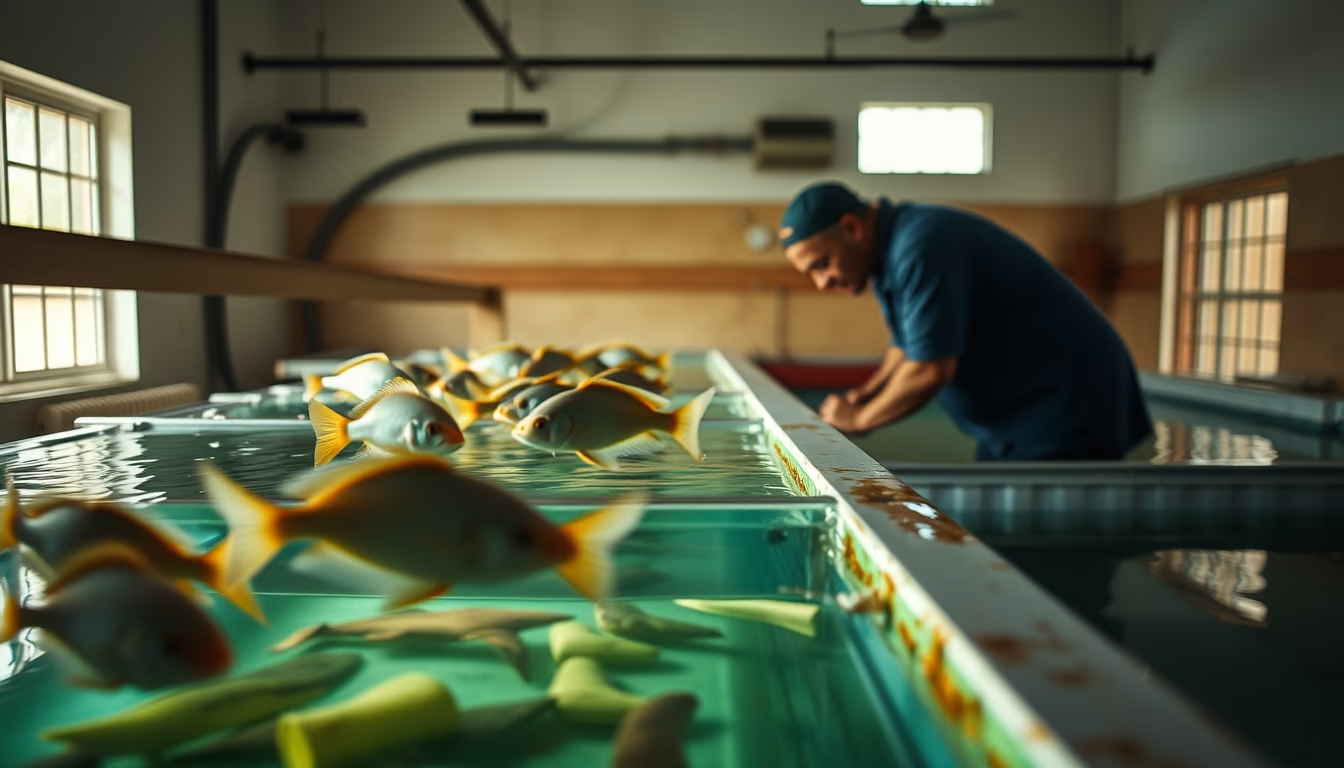
Tilapia tanks indoor
1344×768 · AVIF · CC BY 4.0
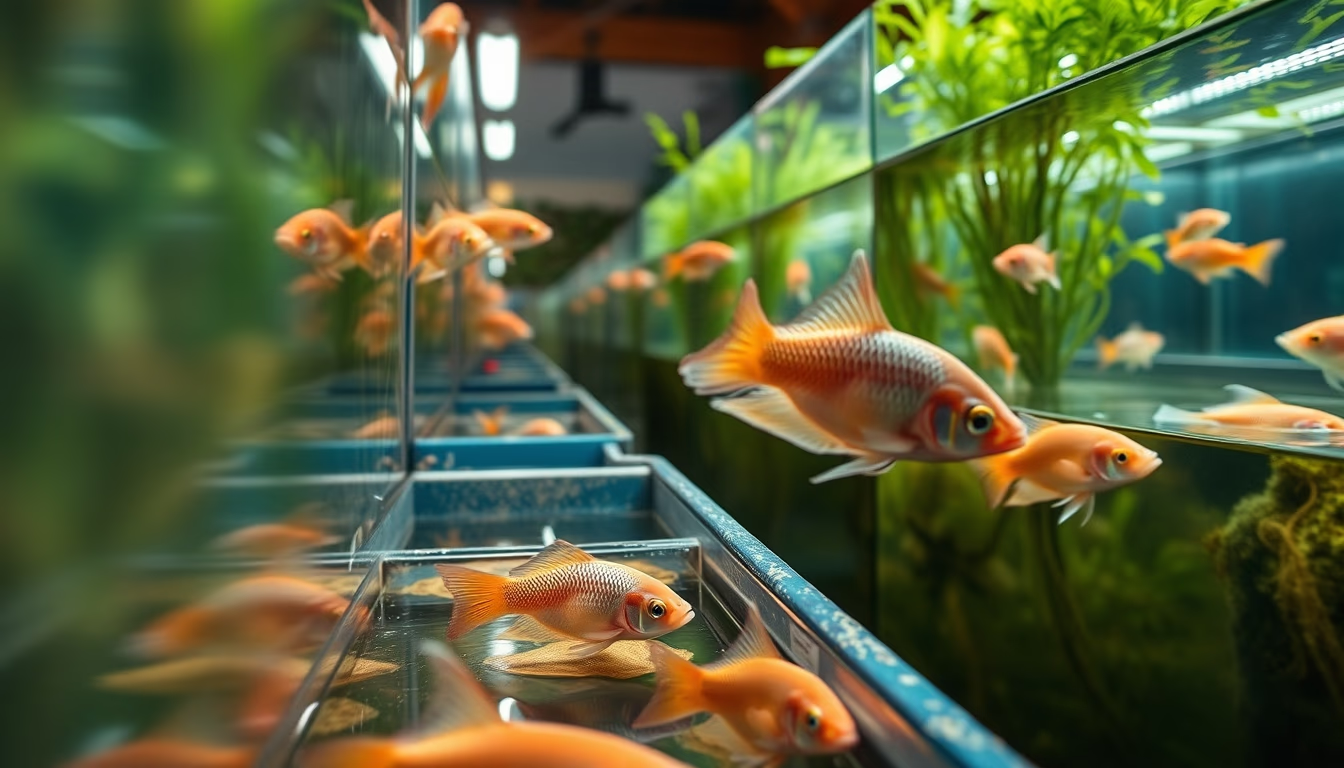
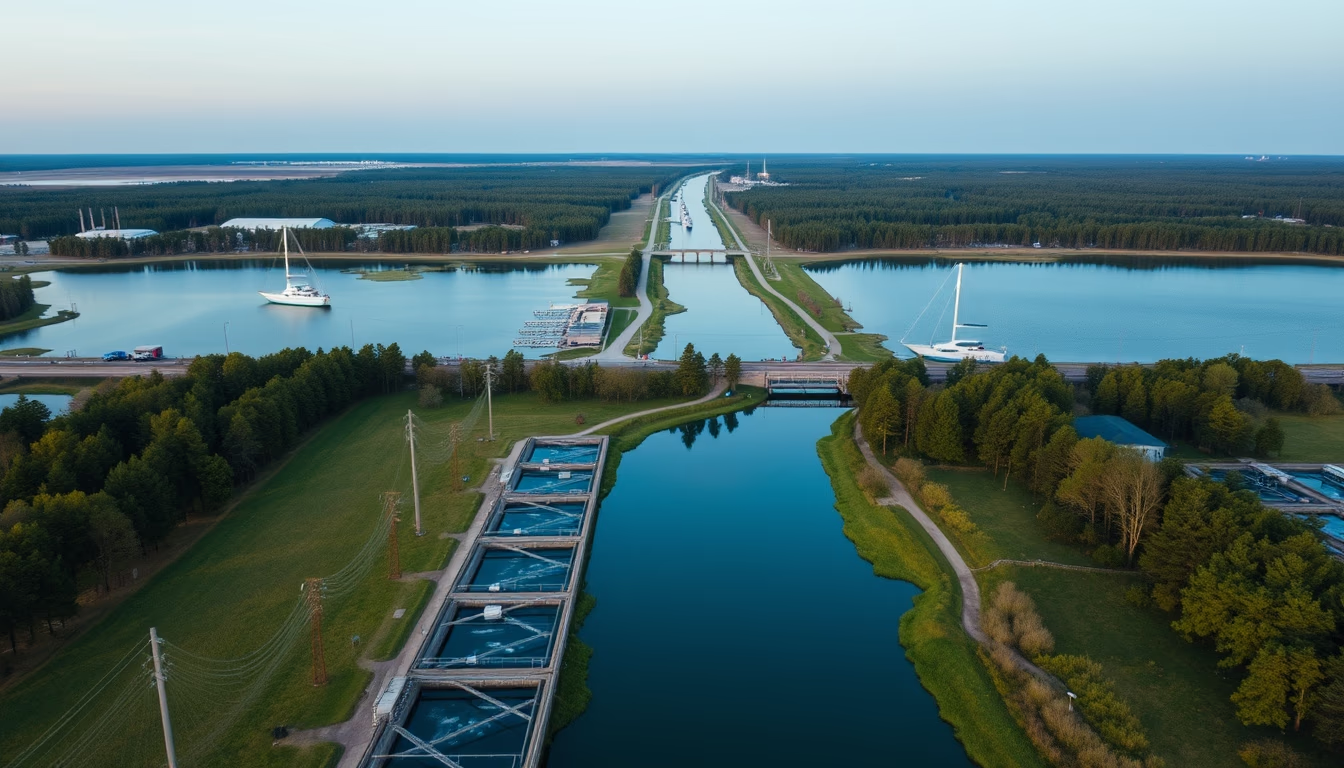
Indoor tilapia tanks represent a growing technology in Brazilian aquaculture, enabling full environmental control and sustainable production.
About this subject
Indoor tilapia farming involves raising Nile tilapia (Oreochromis niloticus) in closed tanks, usually inside climate-controlled buildings. Unlike traditional pond culture, this system allows precise control of temperature, dissolved oxygen, pH, and feeding, leading to higher productivity per cubic meter and lower loss rates. Brazil, the largest tilapia producer outside Asia, has increasingly adopted indoor technology to meet growing demand for quality fish, especially in the South and Southeast regions.
The most common setup is the recirculating aquaculture system (RAS), where water passes through mechanical and biological filters before returning to the tanks. This reduces water consumption by up to 90% compared to open ponds and prevents effluent contamination. Tilapia adapts well to high stocking densities, reaching up to 100 kg/m³ in indoor tanks versus 10 kg/m³ in ponds. The grow-out cycle is also shorter, with fish ready for harvest in 6 to 8 months, depending on the strain.
Despite the benefits, indoor farming requires high initial investment in infrastructure, pumps, and filtration systems. Electricity costs for heating and pumping can account for up to 30% of operational expenses. Biosecurity is critical because high densities favor bacterial and fungal disease outbreaks. Interestingly, tilapia can tolerate low oxygen levels, making it ideal for intensive systems.
Indoor tilapia production is a viable alternative for regions with water scarcity or limited flat land, enabling year-round cultivation regardless of rainy or dry seasons. With increasing demand for low-impact protein, this technology is expected to expand, particularly in Brazil, which already has a consolidated supply chain and a growing consumer market.
Frequently Asked Questions
What are the main advantages of indoor tilapia farming?
The main advantages are full environmental control, up to 90% reduction in water use, higher stocking density, shorter grow-out cycles, and year-round production independent of weather.
How does a recirculating aquaculture system (RAS) work?
In RAS, water from tanks passes through mechanical filters to remove solids and biofilters where bacteria convert ammonia into nitrate. The treated water then returns to the tanks, allowing intensive reuse.
Is indoor tilapia more sustainable than pond farming?
Yes, because it uses less water, avoids effluent discharge, reduces antibiotic use, and can be paired with renewable energy. However, high energy consumption remains a challenge.
Direct URL
https://pub-c7d6a6ea828543ac903a74a341ccb2e1.r2.dev/imagens/tilapia-tanks-indoor-documentary-nature-style-fresh7.avifHow to credit
Include a visible link back to UtilizAí. Copy one of the snippets below:
<a href="https://xn--utiliza-eza.com/en/midia/imagens/tilapia-tanks-indoor-documentary-nature-style-fresh7">Tilapia tanks indoor</a> by <a href="https://xn--utiliza-eza.com">UtilizAí</a>, licensed under <a href="https://creativecommons.org/licenses/by/4.0/">CC BY 4.0</a>.
[Tilapia tanks indoor](https://xn--utiliza-eza.com/en/midia/imagens/tilapia-tanks-indoor-documentary-nature-style-fresh7) by [UtilizAí](https://xn--utiliza-eza.com), CC BY 4.0
License: CC-BY-4.0