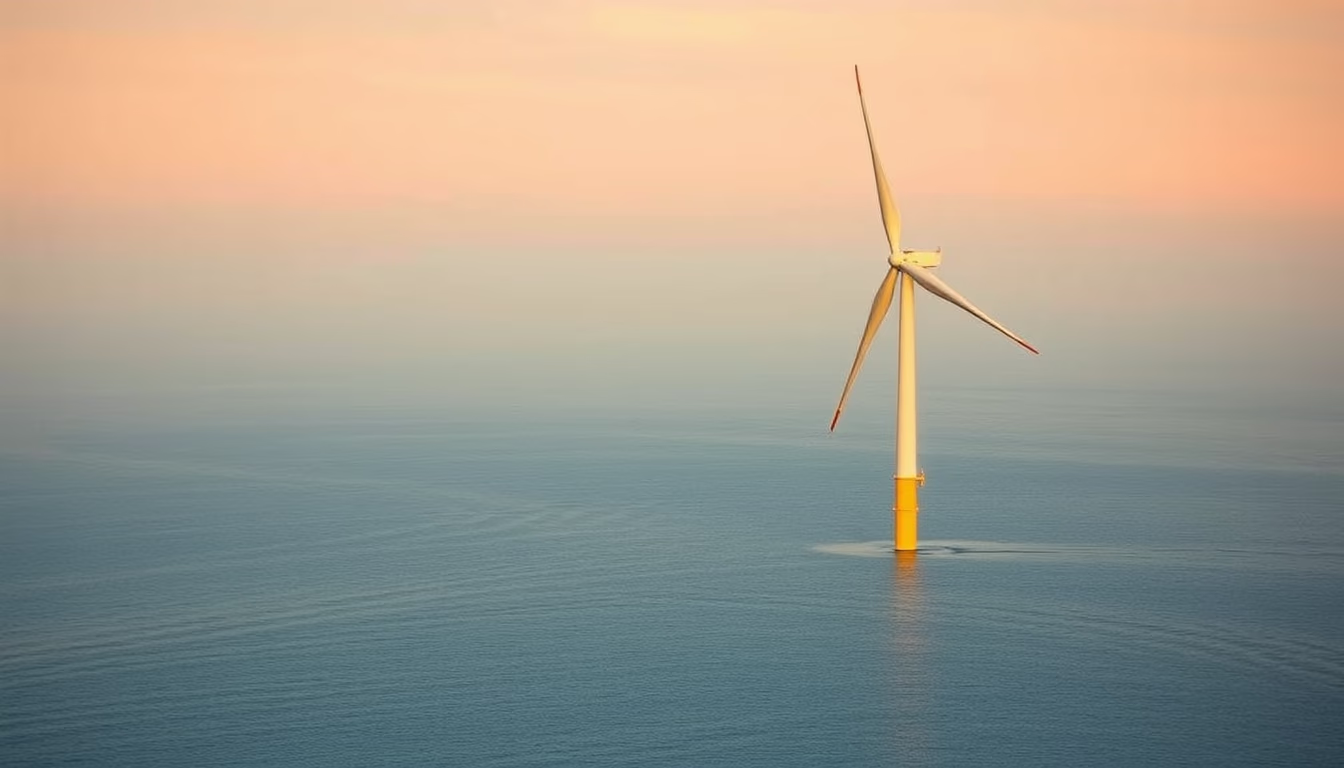
Tidal energy turbine
1344×768 · AVIF · CC BY 4.0
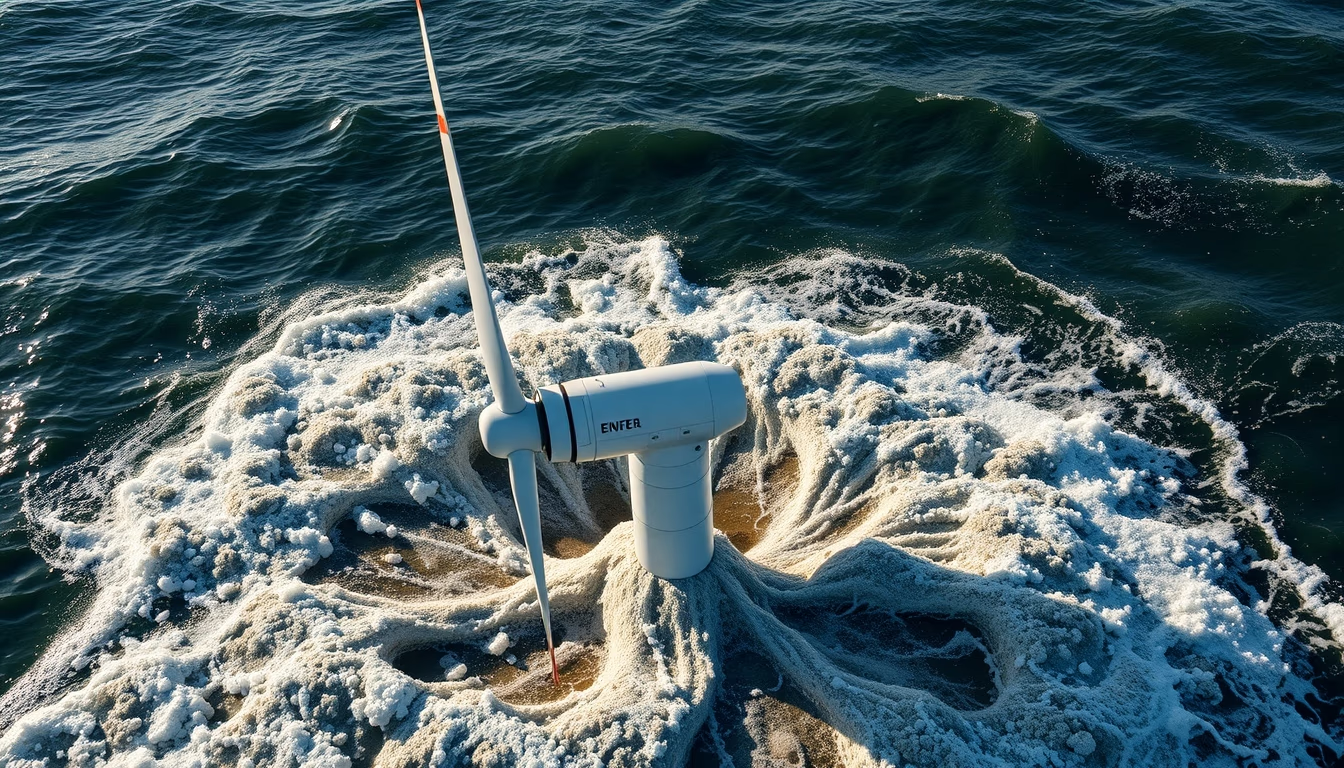
Tidal energy turbine: technology that converts the movement of ocean currents into renewable electricity.
About this subject
Tidal energy turbines are devices that harness the kinetic energy of tidal currents to generate electricity, analogous to wind turbines but submerged. There are two main types: axial-flow turbines (similar to underwater windmills) and vertical-axis turbines. Installed on the seabed or on floating structures, they operate in areas with high tidal flow density, such as straits between islands or estuaries.
Tidal energy is predictable and consistent, unlike solar or wind power, because it depends on the lunar cycle. The United Kingdom, Canada, and France are leaders in pilot projects. In 2023, the first commercial tidal turbine in Latin America was installed in Brazil, in the Amazon River, by TidalWatt. This turbine generates up to 5 MW, enough to power 2,000 homes. The global potential is estimated at 800 TWh per year.
The technology faces challenges: saltwater corrosion, biofouling, and impacts on marine life. New materials and designs aim to reduce costs and increase efficiency. Tidal turbines are considered a firm baseload source for the electricity grid, contributing to energy security. Unlike barrages (tidal range power), these turbines do not block flow, minimizing ecological damage.
The outlook for 2026 includes expansion with projects in Scotland, South Korea, and Indonesia. Startups like Orbital Marine Power have developed floating turbines that reduce installation costs. With growing demand for clean energy, tidal power could supply up to 10% of global electricity by 2050, according to the International Energy Agency.
Frequently Asked Questions
How does a tidal energy turbine work?
It works like an underwater windmill: tidal currents spin the blades, which drive a generator to produce electricity. The power is transmitted via submerged cables to the grid.
What are the main advantages of tidal energy?
It is predictable and consistent because it depends on the moon's position. It has high energy density and low carbon emissions. It also occupies submerged space with no visual impact.
Where are the largest tidal energy projects in the world?
Notable are the MeyGen project in Scotland (86 MW), Sihwa Lake in South Korea (254 MW, barrage), and TidalWatt's pilot project in Brazil (5 MW).
Direct URL
https://pub-c7d6a6ea828543ac903a74a341ccb2e1.r2.dev/imagens/tidal-energy-turbine-magazine-editorial-p2.avifHow to credit
Include a visible link back to UtilizAí. Copy one of the snippets below:
<a href="https://xn--utiliza-eza.com/en/midia/imagens/tidal-energy-turbine-magazine-editorial-p2">Tidal energy turbine</a> by <a href="https://xn--utiliza-eza.com">UtilizAí</a>, licensed under <a href="https://creativecommons.org/licenses/by/4.0/">CC BY 4.0</a>.
[Tidal energy turbine](https://xn--utiliza-eza.com/en/midia/imagens/tidal-energy-turbine-magazine-editorial-p2) by [UtilizAí](https://xn--utiliza-eza.com), CC BY 4.0
License: CC-BY-4.0