Green roof solar panels
1344×768 · AVIF · CC BY 4.0
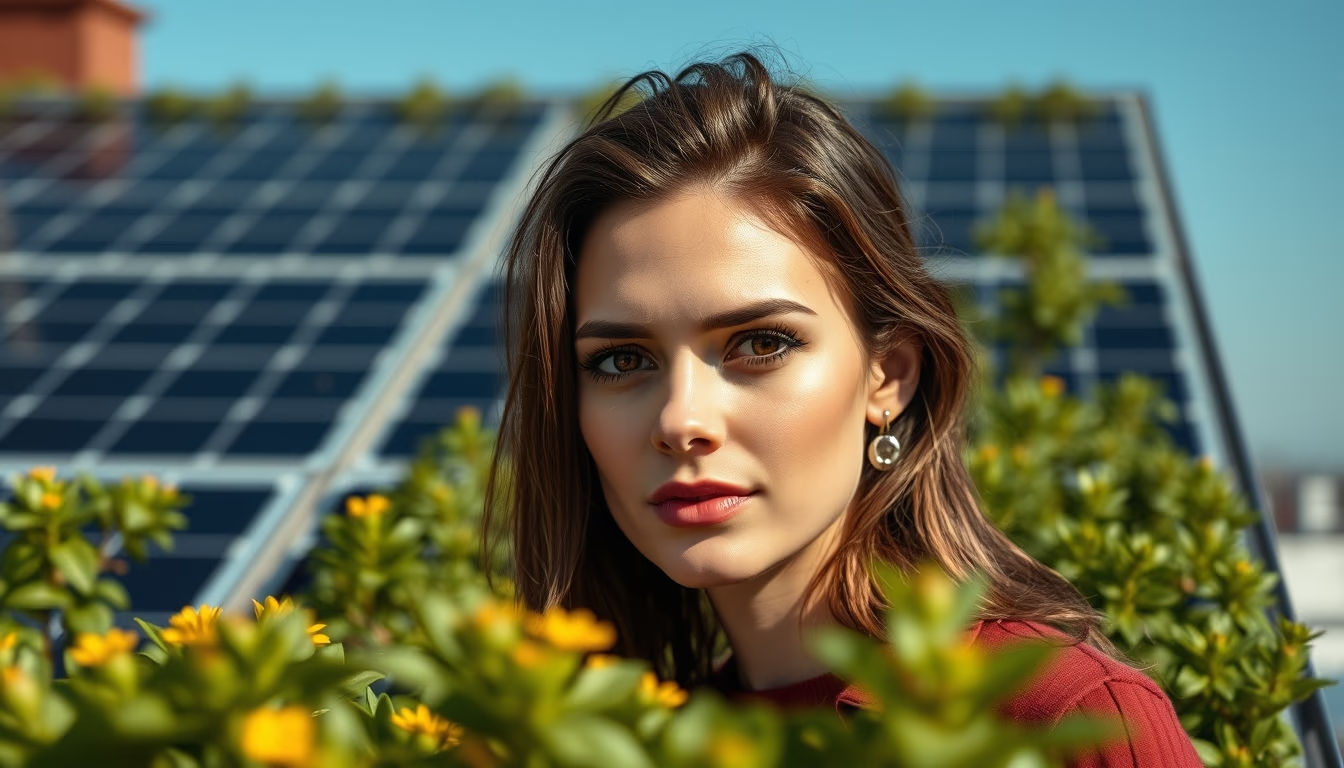
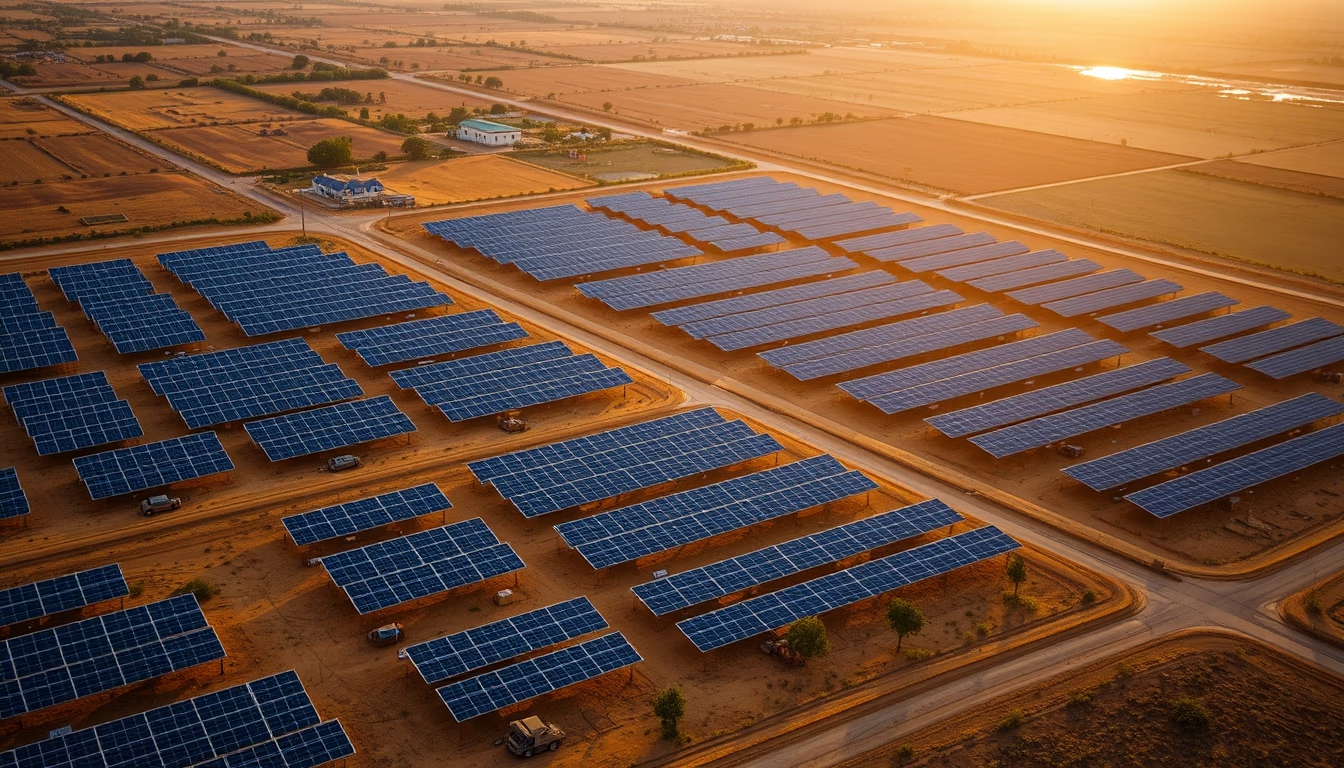
Green roofs with solar panels, known as biosolar roofs, combine clean energy generation with ecological benefits.
About this subject
The integration of solar panels on green roofs creates systems known as biosolar roofs. This combination leverages the synergy between vegetation and photovoltaic modules: plant evapotranspiration cools the panels, boosting their efficiency by 5% to 10%, while the panels provide partial shade that protects plants from excessive radiation and reduces irrigation needs.
Studies from the Bern University of Applied Sciences in Switzerland showed that biosolar roofs can generate up to 30% more electricity than conventional systems on dark roofs. Additionally, the vegetated layer retains rainwater, reducing runoff, improves building thermal insulation, mitigates the urban heat island effect, and provides habitat for pollinators.
Cities like Copenhagen, Denmark, already mandate green roofs on new buildings and encourage solar panel installation on top. In Brazil, pioneering projects such as the one at the Center for Sustainability Studies of the Getulio Vargas Foundation (FGV) in São Paulo demonstrate technical feasibility even in tropical climates. Key challenges include the additional cost of structures to support the weight of wet substrate and the need for periodic vegetation maintenance.
The global trend for 2026 points to growth in this technology, driven by decarbonization policies and the pursuit of zero or positive energy buildings. The combination not only optimizes roof space but also contributes to urban climate resilience.
Frequently Asked Questions
How does the combination of green roof and solar panels work?
Solar panels are installed above a vegetated layer, usually on elevated supports. Plants release moisture that cools the panels, boosting their efficiency, while the panels protect plants from intense sun and reduce soil water evaporation.
What are the main environmental benefits of this system?
Clean energy generation, reduced stormwater runoff, thermal insulation, reduced urban heat island effect, increased biodiversity with habitat for insects and birds, and improved air quality.
Is this type of installation feasible in Brazil?
Yes, it is feasible. Projects like the one at FGV in São Paulo demonstrate efficiency in tropical climates. It requires careful structural support for the added weight and regular vegetation maintenance, especially during dry periods.
Direct URL
https://pub-c7d6a6ea828543ac903a74a341ccb2e1.r2.dev/imagens/green-roof-solar-panels-studio-editorial-portrait-p5.avifHow to credit
Include a visible link back to UtilizAí. Copy one of the snippets below:
<a href="https://xn--utiliza-eza.com/en/midia/imagens/green-roof-solar-panels-studio-editorial-portrait-p5">Green roof solar panels</a> by <a href="https://xn--utiliza-eza.com">UtilizAí</a>, licensed under <a href="https://creativecommons.org/licenses/by/4.0/">CC BY 4.0</a>.
[Green roof solar panels](https://xn--utiliza-eza.com/en/midia/imagens/green-roof-solar-panels-studio-editorial-portrait-p5) by [UtilizAí](https://xn--utiliza-eza.com), CC BY 4.0
License: CC-BY-4.0