Tibetan calligraphy gold
1344×768 · AVIF · CC BY 4.0
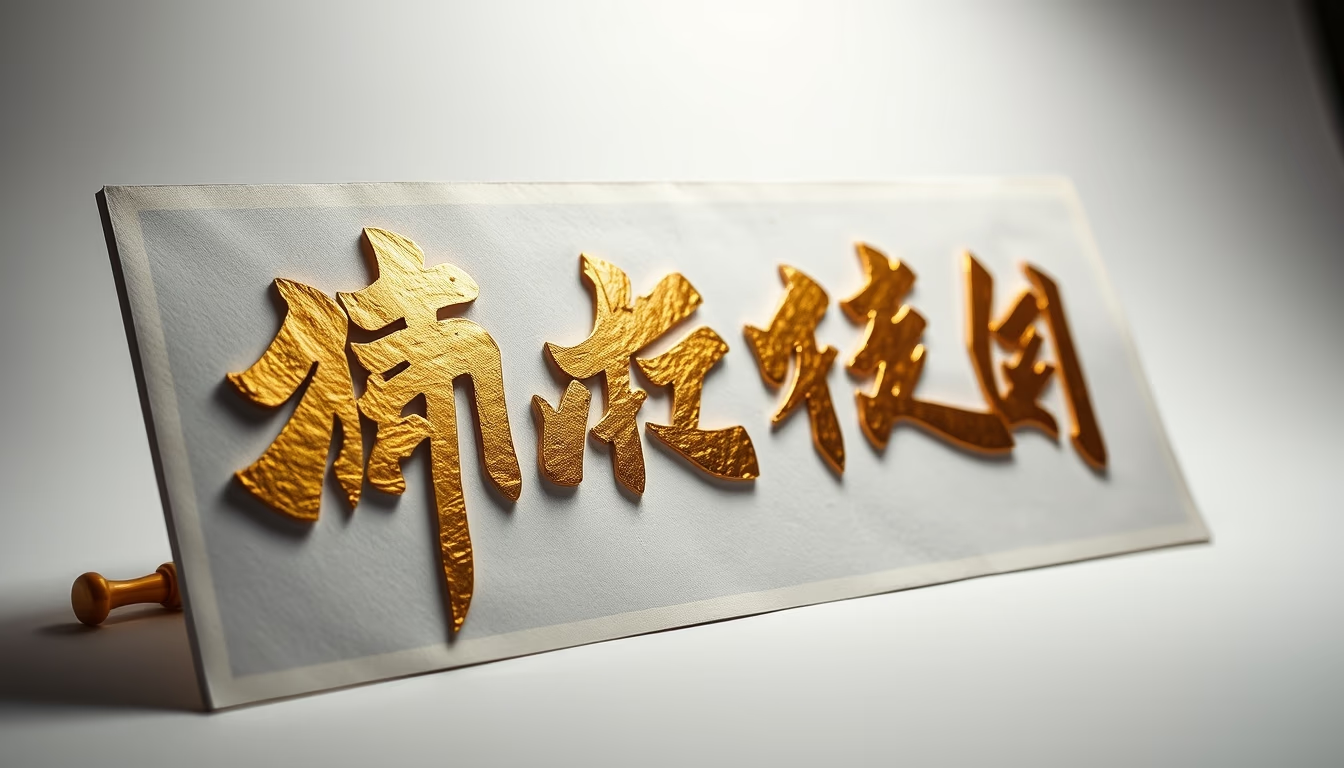
Golden Tibetan calligraphy is an ancient sacred art, used in Buddhist manuscripts and thangkas, symbolizing purity and enlightenment.
About this subject
Tibetan calligraphy, developed from the 7th century AD, is a written art form that accompanies the transmission of Buddhism in Tibet. Inspired by the Indian Devanagari script, it evolved into styles such as uchen (headed) and umé (headless), used respectively for printed texts and manuscripts. The use of gold ink, made from gold dust mixed with resins and water, is reserved for sacred texts and high devotional works. This practice not only beautifies the writings but also confers spiritual significance, as gold represents the light of wisdom and the imperishability of the Buddha's teachings.
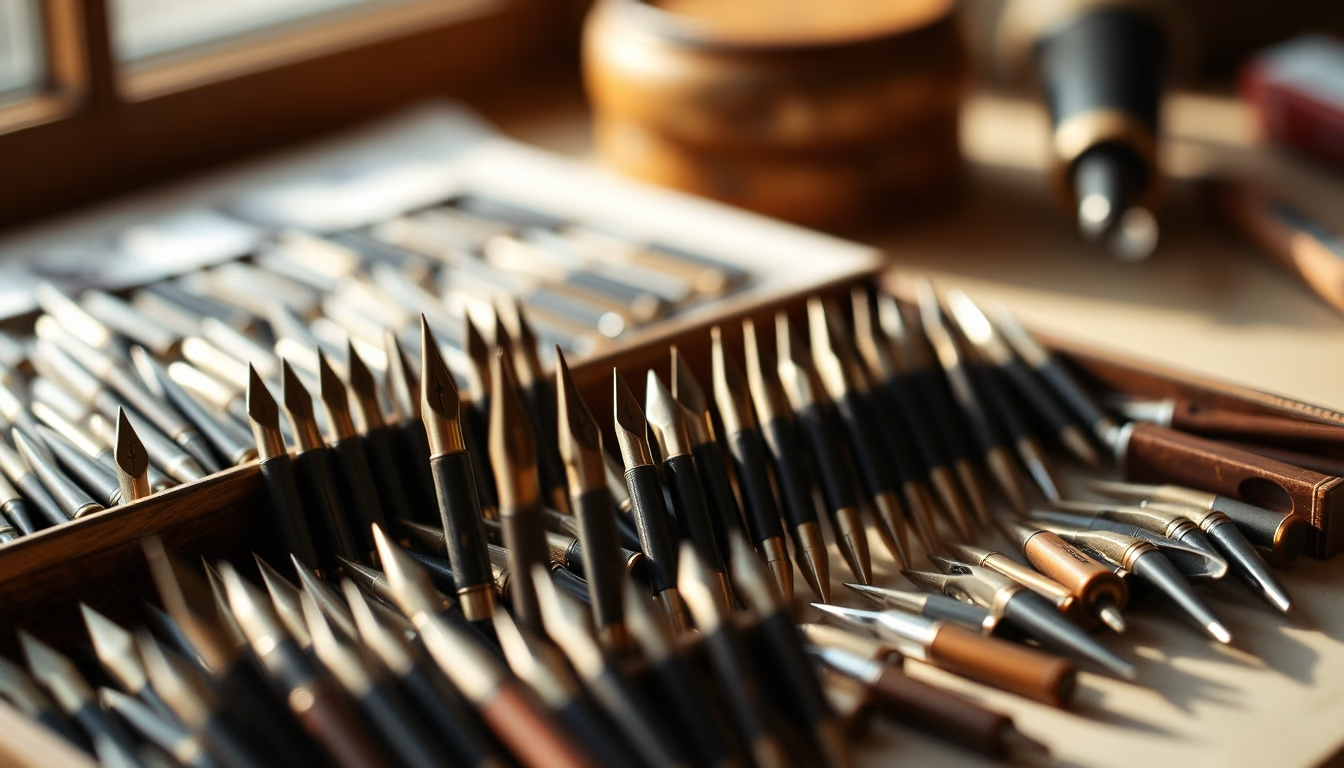
Gold manuscripts were often commissioned by monasteries and important lamas to preserve sutras and mantras. The creation process required immense patience: first, the artisan prepared the ink by grinding gold for hours; then, they wrote with a bamboo or metal pen on black or dark blue paper, creating a vibrant contrast. Each stroke was made with precision, following strict rules of proportion and symmetry. Tibetan calligraphy is not only a writing system but a moving meditation, where each letter carries intention and blessing.
Beyond texts, gold calligraphy appears in thangkas (religious paintings) and ritual objects. In modern Tibet, contemporary artists revive this tradition by combining ancient techniques with new supports. Tibetan gold calligraphy is recognized as Intangible Cultural Heritage in some regions, and its study is valued by both monks and secular calligraphers. For Tibetans, seeing a golden letter is like contemplating the very essence of the Dharma.
Frequently Asked Questions
What is golden Tibetan calligraphy?
It is the art of writing Buddhist texts with gold ink, using traditional Tibetan scripts. These writings are considered sacred and are used in manuscripts, thangkas, and ritual objects.
Why is gold used in Tibetan calligraphy?
Gold symbolizes purity, wisdom, and the imperishable nature of the Buddha's teachings. Its brilliance contrasts with dark backgrounds, creating visual beauty that honors sacred texts.
How is gold ink made for calligraphy?
The ink is prepared by grinding pure gold into powder, then mixing it with natural resins and water. The process is handmade and time-consuming, requiring skill to achieve the right consistency for writing.
Direct URL
https://pub-c7d6a6ea828543ac903a74a341ccb2e1.r2.dev/imagens/tibetan-calligraphy-gold-studio-still-life-fresh11.avifHow to credit
Include a visible link back to UtilizAí. Copy one of the snippets below:
<a href="https://xn--utiliza-eza.com/en/midia/imagens/tibetan-calligraphy-gold-studio-still-life-fresh11">Tibetan calligraphy gold</a> by <a href="https://xn--utiliza-eza.com">UtilizAí</a>, licensed under <a href="https://creativecommons.org/licenses/by/4.0/">CC BY 4.0</a>.
[Tibetan calligraphy gold](https://xn--utiliza-eza.com/en/midia/imagens/tibetan-calligraphy-gold-studio-still-life-fresh11) by [UtilizAí](https://xn--utiliza-eza.com), CC BY 4.0
License: CC-BY-4.0