Calligraphy nibs collection
1344×768 · AVIF · CC BY 4.0
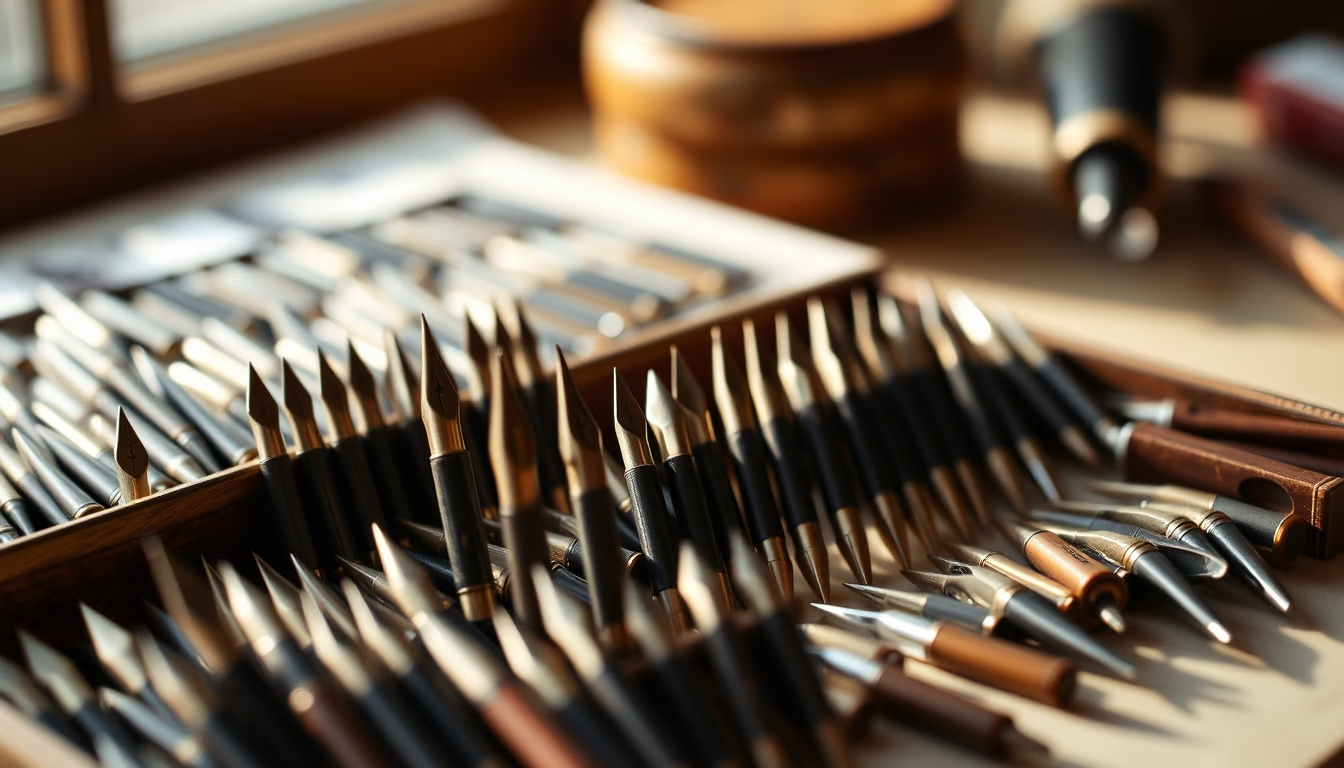
Calligraphy nibs collection: metal tips for various writing styles such as copperplate, gothic, and italic.
About this subject
A collection of calligraphy nibs showcases the variety of metal tips used in the art of hand lettering. Nibs attach to pen holders and come in two main categories: pointed nibs, which produce lines of varying thickness through pressure (ideal for copperplate and Spencerian scripts), and broad-edge nibs, which create consistent contrast between thick and thin strokes (used for Gothic, italic, and uncial styles).
Metal nibs emerged in the 19th century, replacing bird feather quills. Renowned manufacturers include Brause (Germany), Leonardt (England), and Hunt (USA), each offering distinct hardness, flexibility, and ink retention. The Brause 66 EF is prized for its springy flex, while the Leonardt Principal delivers ultra-fine hairlines. Collectors categorize nibs by maker, year, and material (steel or gold), and these collections often serve as educational resources for calligraphers.
Selecting the right nib depends on the script and skill level. Flexible nibs enable dramatic shading in copperplate, whereas stiff nibs suit italic hand. New nibs require preparation to remove protective oils, typically by passing through a flame or soaking in alcohol. Proper care involves cleaning after each use to prevent rust. The global calligraphy revival has boosted interest in vintage and modern nibs, with workshops and online communities teaching their use. In Brazil, groups like the Brazilian Calligraphy Society promote these traditional tools through courses and events.
Frequently Asked Questions
How to choose a nib for a beginner calligrapher?
Beginners are often advised to start with a broad-edge nib (e.g., Brause 2 mm) for Gothic or italic scripts, as they are more forgiving. For copperplate, a flexible nib like the Leonardt EF Principal is common. Testing different brands and understanding pressure is key.
What is the difference between steel and gold nibs?
Steel nibs are cheaper and stiffer, suitable for daily use. Gold nibs (e.g., from OMAS) are more flexible and corrosion-resistant, offering smoother writing but at a higher cost. The choice depends on budget and tactile preference.
How to prepare a new nib before use?
New nibs have a protective oil coating. To remove it, pass the tip briefly through a flame for 1-2 seconds or soak in isopropyl alcohol for a few minutes. Dry with a soft cloth. This prevents ink from beading and improves flow.
Direct URL
https://pub-c7d6a6ea828543ac903a74a341ccb2e1.r2.dev/imagens/calligraphy-nibs-collection-documentary-photography-fresh18.avifHow to credit
Include a visible link back to UtilizAí. Copy one of the snippets below:
<a href="https://xn--utiliza-eza.com/en/midia/imagens/calligraphy-nibs-collection-documentary-photography-fresh18">Calligraphy nibs collection</a> by <a href="https://xn--utiliza-eza.com">UtilizAí</a>, licensed under <a href="https://creativecommons.org/licenses/by/4.0/">CC BY 4.0</a>.
[Calligraphy nibs collection](https://xn--utiliza-eza.com/en/midia/imagens/calligraphy-nibs-collection-documentary-photography-fresh18) by [UtilizAí](https://xn--utiliza-eza.com), CC BY 4.0
License: CC-BY-4.0