Runes viking stone
1344×768 · AVIF · CC BY 4.0
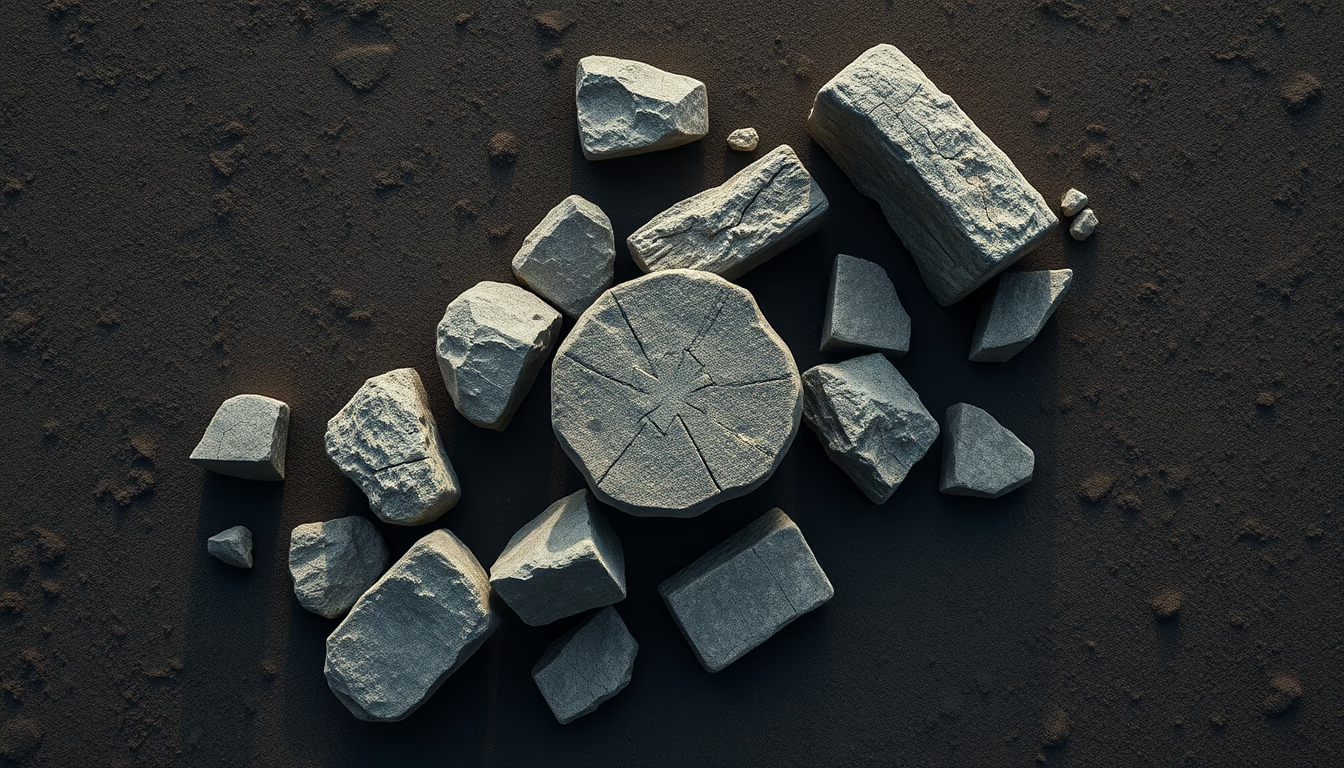
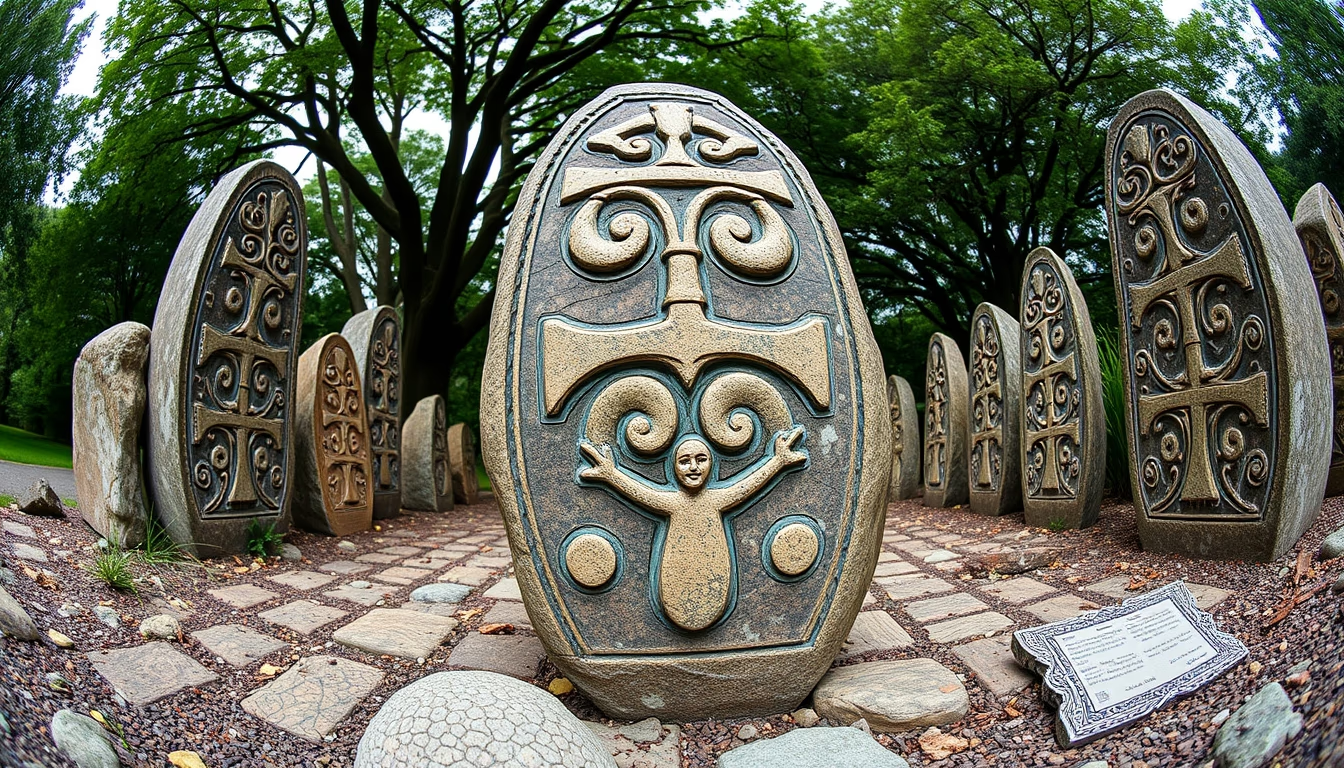
Viking runes, carved on runestones, formed a writing system used by Norse peoples from the 2nd to 11th centuries for magical, memorial, and communicative purposes.
About this subject
The Viking runes belong to the runic alphabet known as the Elder Futhark, consisting of 24 characters divided into three groups of eight called aettir. This writing system was used by Germanic and Scandinavian peoples mainly between the 2nd and 8th centuries, later evolving into the Younger Futhark with 16 runes during the Viking Age (c. 800, 1050 AD). Runic inscriptions were often carved on stone, wood, or metal, serving various purposes: recording battles, honoring deceased warriors, marking property, or invoking divine protection.
One of the largest concentrations of runestones is found in Sweden, especially in the Uppland region, where over 1,200 monuments have been catalogued. The most famous is the Rök Runestone, carved around 800 AD, which contains the longest known runic inscription and references mythological heroes and historical events. The tradition of erecting runestones also spread to other parts of Scandinavia, such as Denmark and Norway, as well as Viking settlements in Britain, Iceland, and Greenland.
Runes were not just letters but also carried symbolic and magical meanings. Each rune had a name associated with natural elements or concepts, such as Fehu (cattle/wealth), Ansuz (god/Odin), and Thurisaz (giant/thorn). Belief in the magical power of runes was common, and they were used in amulets, spells, and divination rituals, as attested in Norse literature like the Poetic Edda and the Icelandic sagas. Today, the study of runes is essential for understanding the culture, religion, and history of the Viking peoples.
Frequently Asked Questions
What are Viking runes?
Viking runes are characters of the runic alphabet used by Germanic and Scandinavian peoples, especially during the Viking Age. The earliest system is the Elder Futhark with 24 runes, later replaced by the Younger Futhark with 16 runes.
What was the purpose of runestones?
Runestones were monuments erected mainly to honor deceased people, record important events, or mark property. They often bore inscriptions praising warriors and mentioning their accomplishments.
Did runes have magical significance?
Yes, runes were believed to possess magical power and were used in divination, amulets, and spells. Each rune was thought to represent natural or divine forces, and their combinations could influence fate.
Direct URL
https://pub-c7d6a6ea828543ac903a74a341ccb2e1.r2.dev/imagens/runes-viking-stone-isometric-flat-lay-fresh18.avifHow to credit
Include a visible link back to UtilizAí. Copy one of the snippets below:
<a href="https://xn--utiliza-eza.com/en/midia/imagens/runes-viking-stone-isometric-flat-lay-fresh18">Runes viking stone</a> by <a href="https://xn--utiliza-eza.com">UtilizAí</a>, licensed under <a href="https://creativecommons.org/licenses/by/4.0/">CC BY 4.0</a>.
[Runes viking stone](https://xn--utiliza-eza.com/en/midia/imagens/runes-viking-stone-isometric-flat-lay-fresh18) by [UtilizAí](https://xn--utiliza-eza.com), CC BY 4.0
License: CC-BY-4.0