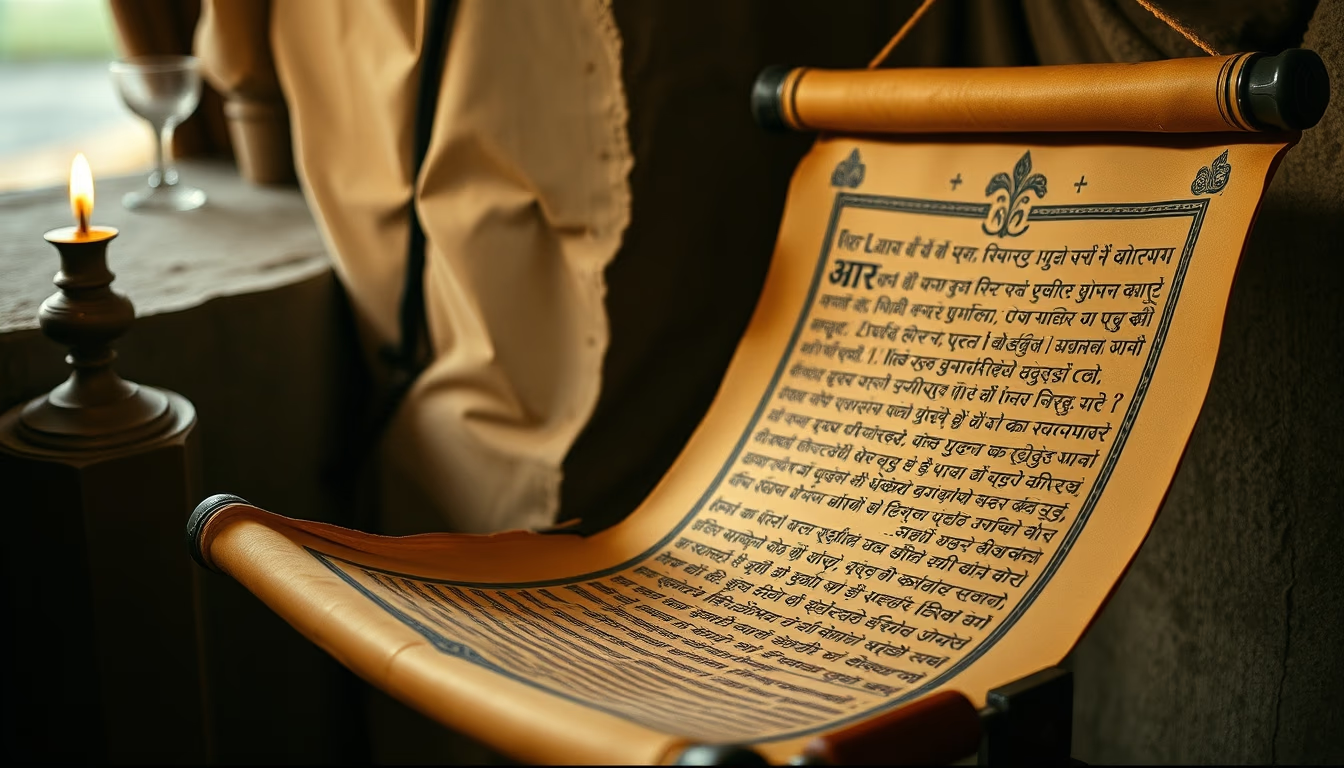
Tibetan calligraphy gold
1344×768 · AVIF · CC BY 4.0

Tibetan calligraphy in gold is an ancient sacred art, used in manuscripts and thangkas, combining technical precision and religious symbolism.
About this subject
Tibetan calligraphy, especially when executed with gold ink, represents one of the highest forms of sacred art in the Himalayas. This practice dates back to the 7th century, when King Songtsen Gampo introduced the Tibetan script based on the Indian alphabet. Gold, in turn, symbolizes enlightenment and purity in Tibetan Buddhism, being reserved for sacred texts such as sutras and mantras.
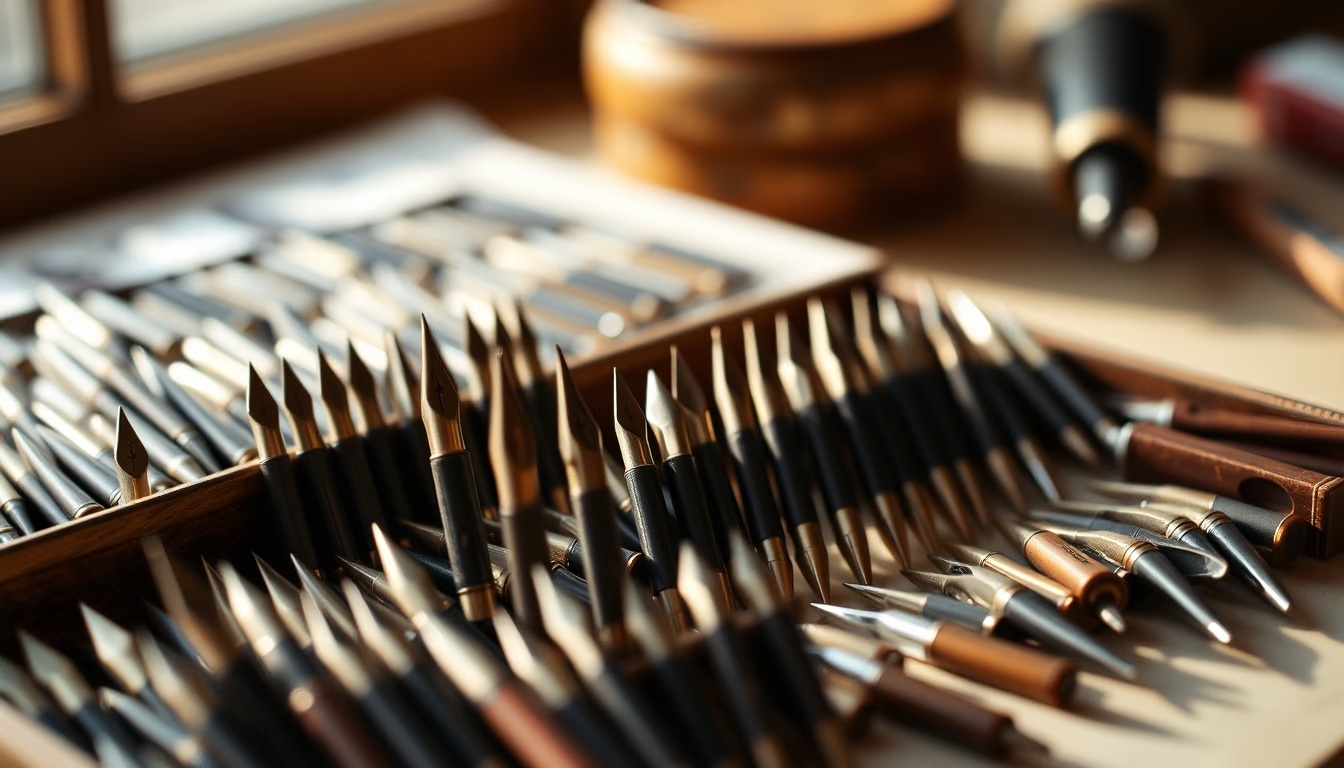
Tibetan calligraphers use fine brushes made of bamboo or wood, and gold ink is prepared from gold powder mixed with animal glue and water. The process is meticulous: each stroke must follow strict rules of proportion and fluidity, as the beauty of the writing is believed to reflect the spiritual quality of the practitioner. Gold manuscripts, such as those of the Kangyur (Buddha's teachings), are often kept in temples and monasteries, displayed only on special occasions.
Beyond manuscripts, Tibetan gold calligraphy appears on thangkas (religious paintings), temple walls, and ritual objects. Unlike Chinese or Japanese calligraphy, Tibetan script maintains a strong connection to phonetic text, where each letter represents a sound. This characteristic makes writing not only visual but also a vehicle for mantra and meditation.
Culturally, producing gold calligraphy is considered a form of spiritual merit. Artists spend years training to master the technique, and the use of gold is not merely decorative: it represents offering the best material to the sacred. Unfortunately, many historical works were lost during the Chinese Cultural Revolution, but today there is a revival of this art in Tibetan exile communities and autonomous regions of China.
Frequently Asked Questions
What is the difference between Tibetan and Chinese calligraphy?
Tibetan calligraphy is based on a syllabic alphabet, where each character represents a syllable, while Chinese is logographic (each character represents a word or idea). Also, Tibetan is strongly tied to Buddhist texts and mantras.
Why is gold used in Tibetan calligraphy?
Gold symbolizes enlightenment and purity in Buddhism. Using it in sacred texts honors the teachings and generates spiritual merit. Gold ink is made from gold powder and animal glue.
Where can I see Tibetan gold calligraphy today?
In Tibetan monasteries in India, Nepal, and China (Tibet), as well as museums such as the Tibet Museum in Lhasa and the Rubin Museum of Art in New York.
Direct URL
https://pub-c7d6a6ea828543ac903a74a341ccb2e1.r2.dev/imagens/tibetan-calligraphy-gold-lo-fi-disposable-camera-fresh10.avifHow to credit
Include a visible link back to UtilizAí. Copy one of the snippets below:
<a href="https://xn--utiliza-eza.com/en/midia/imagens/tibetan-calligraphy-gold-lo-fi-disposable-camera-fresh10">Tibetan calligraphy gold</a> by <a href="https://xn--utiliza-eza.com">UtilizAí</a>, licensed under <a href="https://creativecommons.org/licenses/by/4.0/">CC BY 4.0</a>.
[Tibetan calligraphy gold](https://xn--utiliza-eza.com/en/midia/imagens/tibetan-calligraphy-gold-lo-fi-disposable-camera-fresh10) by [UtilizAí](https://xn--utiliza-eza.com), CC BY 4.0
License: CC-BY-4.0