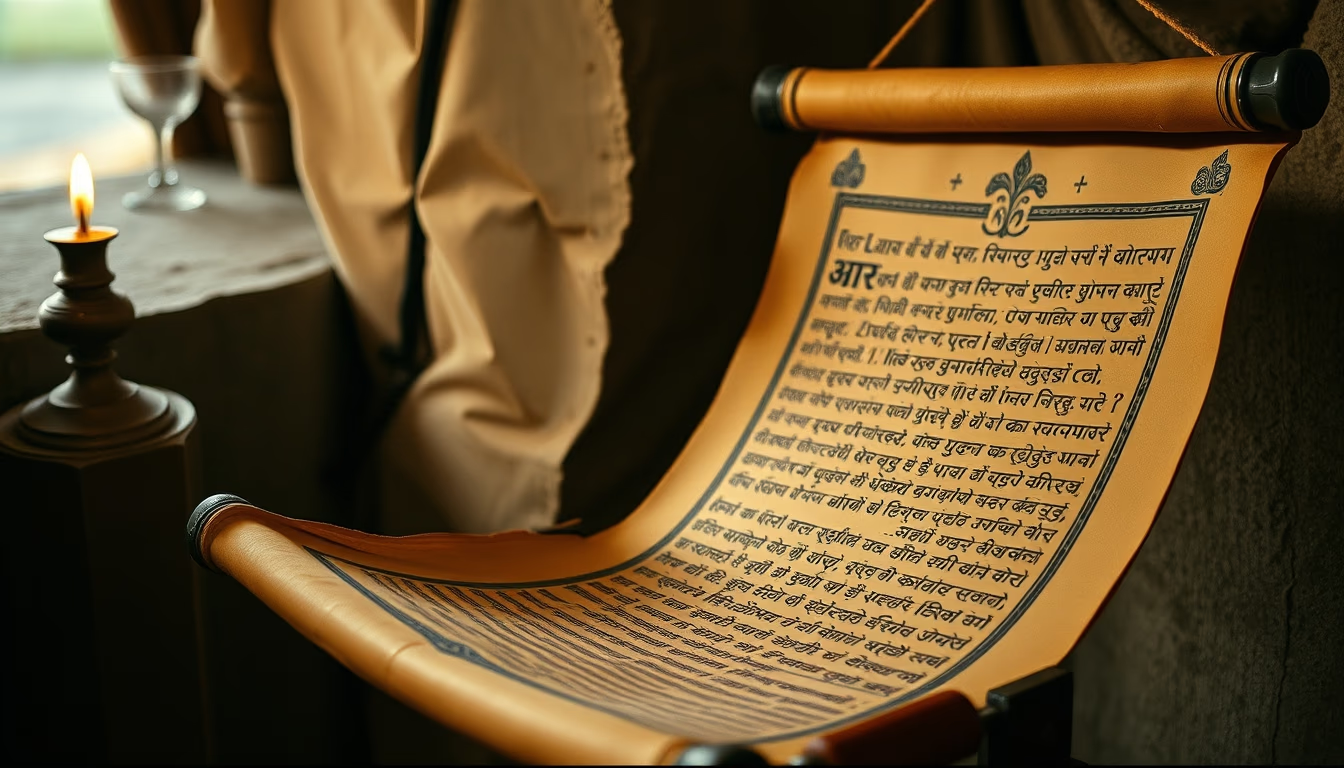
Tibetan calligraphy gold
1344×768 · AVIF · CC BY 4.0
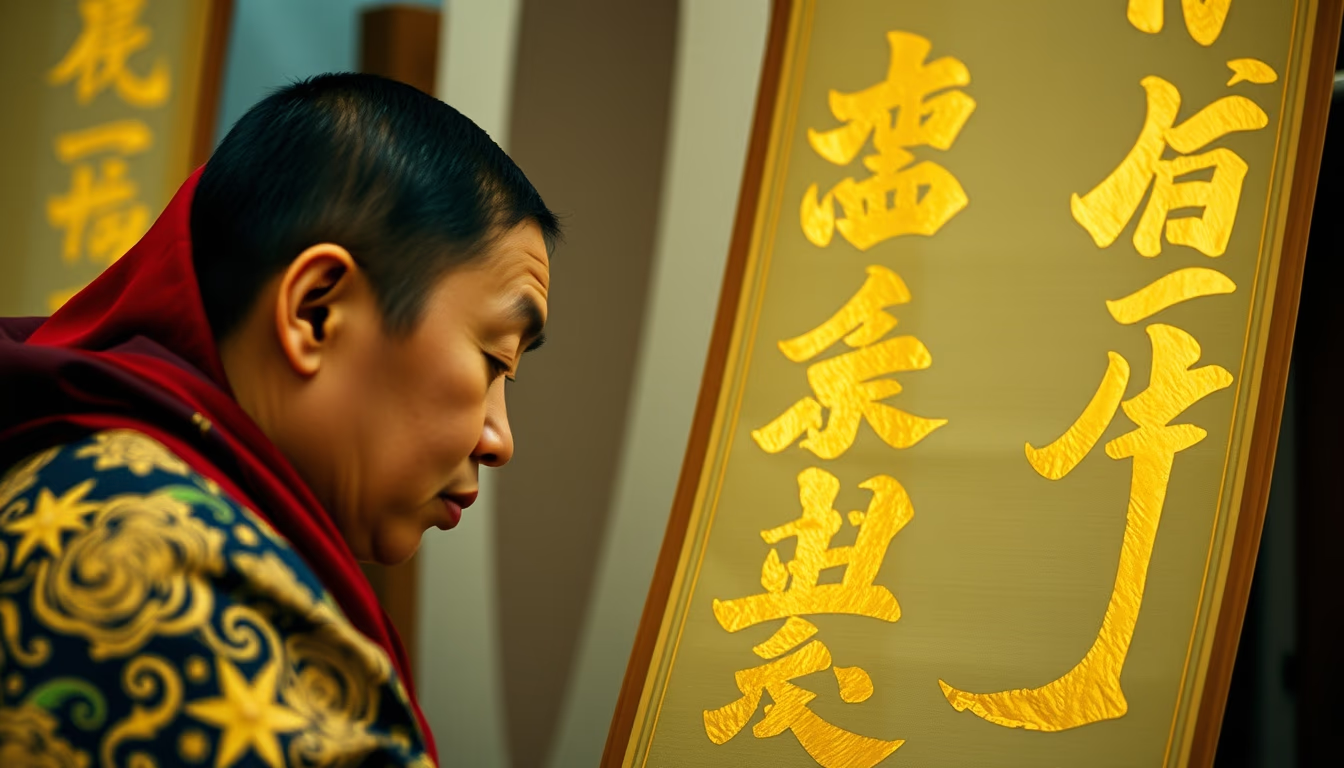
Tibetan gold calligraphy is a sacred art form that combines technical precision with deep spiritual symbolism.
About this subject
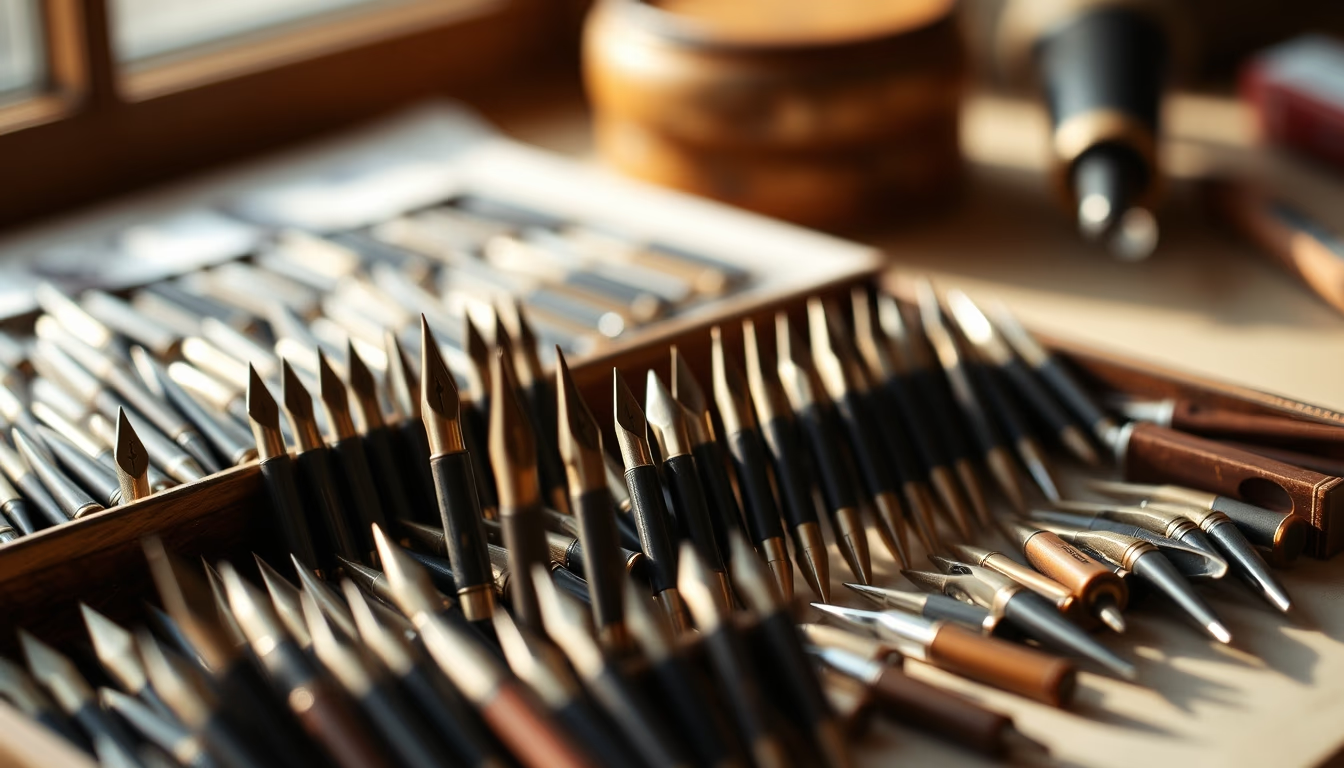
Tibetan calligraphy, known as yi ge (script), originated from 7th-century Buddhist manuscripts, when the Tibetan alphabet was modeled after the Indian Devanagari script. The use of gold ink, made from gold powder mixed with gum arabic and water, was reserved for high-value religious texts such as sutras and tantras. The application process demands extreme control: the calligrapher uses a bamboo or reed brush with a fine tip, tracing letters that adhere to strict proportions of height and width.
Gold symbolizes enlightenment and purity in Tibetan Buddhist culture. Gold-illuminated manuscripts were not mere documents; they were objects of veneration, believed to purify the mind upon contemplation. Even today, monks in monasteries like Sera and Drepung preserve this tradition, often using beaten gold leaf to create pigment. Gold calligraphy also appears in thangkas (religious paintings) and prayer wheels.
A historical curiosity: the treasury of Sakya Monastery holds a collection of 13th-century gold manuscripts, some over 500 pages long. The technique of writing with gold was so valued that in ancient Tibet, specialized calligraphers were treated as elite artists. Despite modernization, Tibetan gold calligraphy continues to be practiced in Buddhist communities worldwide, especially in Himalayan regions such as Bhutan and Nepal.
To the uninitiated, Tibetan calligraphy may seem merely decorative, but each stroke carries meaning. The Tibetan alphabet has 30 consonants and 4 vowels, written left to right without capitals. Gold calligraphy, in particular, requires the artist to meditate before writing, as mistakes cannot be corrected, the gold ink is permanent.
Frequently Asked Questions
What is the significance of gold in Tibetan calligraphy?
Gold symbolizes enlightenment, purity, and the sacred value of Buddhist texts. In Tibetan tradition, gold manuscripts are considered objects of veneration that purify the mind of the beholder.
How is gold ink made for Tibetan calligraphy?
The ink is made by mixing gold powder (obtained by beating thin sheets of the metal) with gum arabic and water. The process is handmade and requires skill to achieve the right consistency.
Is Tibetan gold calligraphy still practiced today?
Yes, especially in Himalayan Buddhist monasteries in Tibet, Bhutan, and Nepal. Monks and artists preserve the technique, using it for religious texts and thangkas.
Direct URL
https://pub-c7d6a6ea828543ac903a74a341ccb2e1.r2.dev/imagens/tibetan-calligraphy-gold-film-grain-authentic-fresh9.avifHow to credit
Include a visible link back to UtilizAí. Copy one of the snippets below:
<a href="https://xn--utiliza-eza.com/en/midia/imagens/tibetan-calligraphy-gold-film-grain-authentic-fresh9">Tibetan calligraphy gold</a> by <a href="https://xn--utiliza-eza.com">UtilizAí</a>, licensed under <a href="https://creativecommons.org/licenses/by/4.0/">CC BY 4.0</a>.
[Tibetan calligraphy gold](https://xn--utiliza-eza.com/en/midia/imagens/tibetan-calligraphy-gold-film-grain-authentic-fresh9) by [UtilizAí](https://xn--utiliza-eza.com), CC BY 4.0
License: CC-BY-4.0