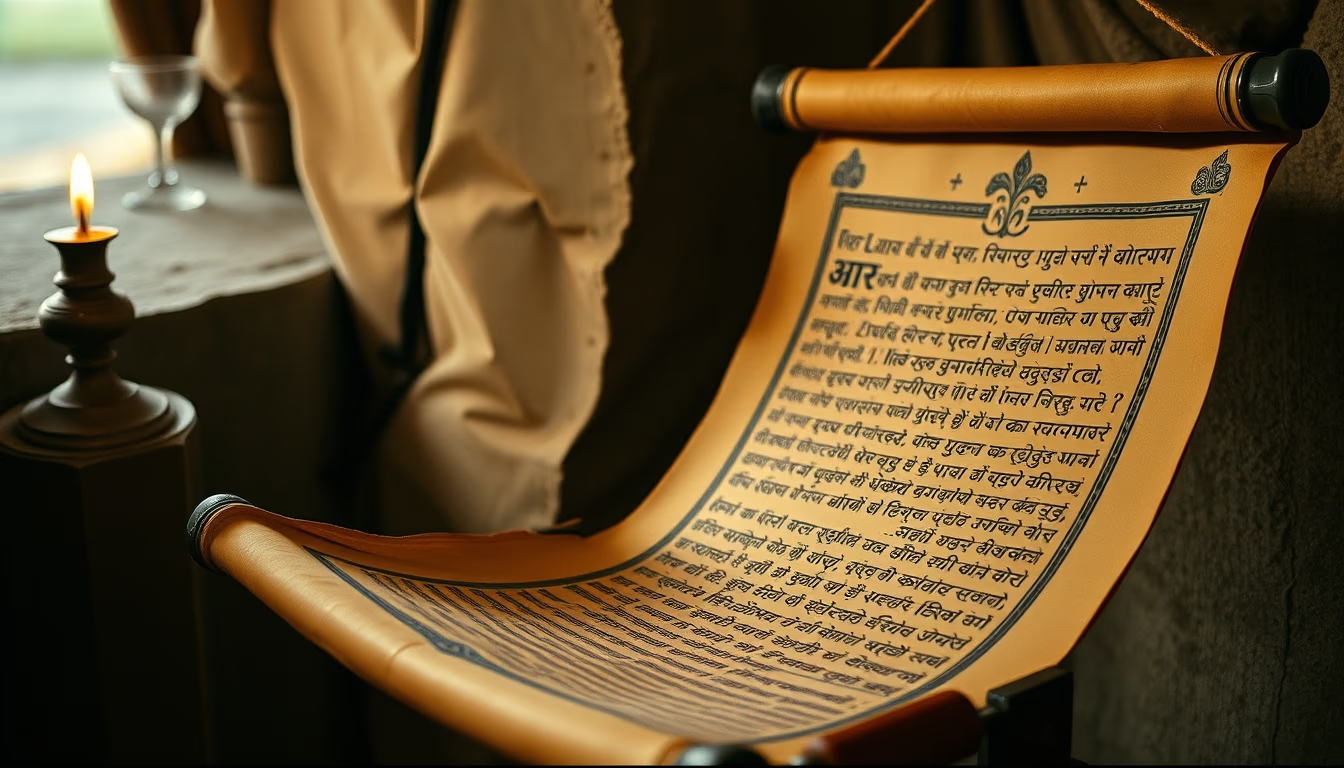
Tibetan calligraphy gold
1344×768 · AVIF · CC BY 4.0
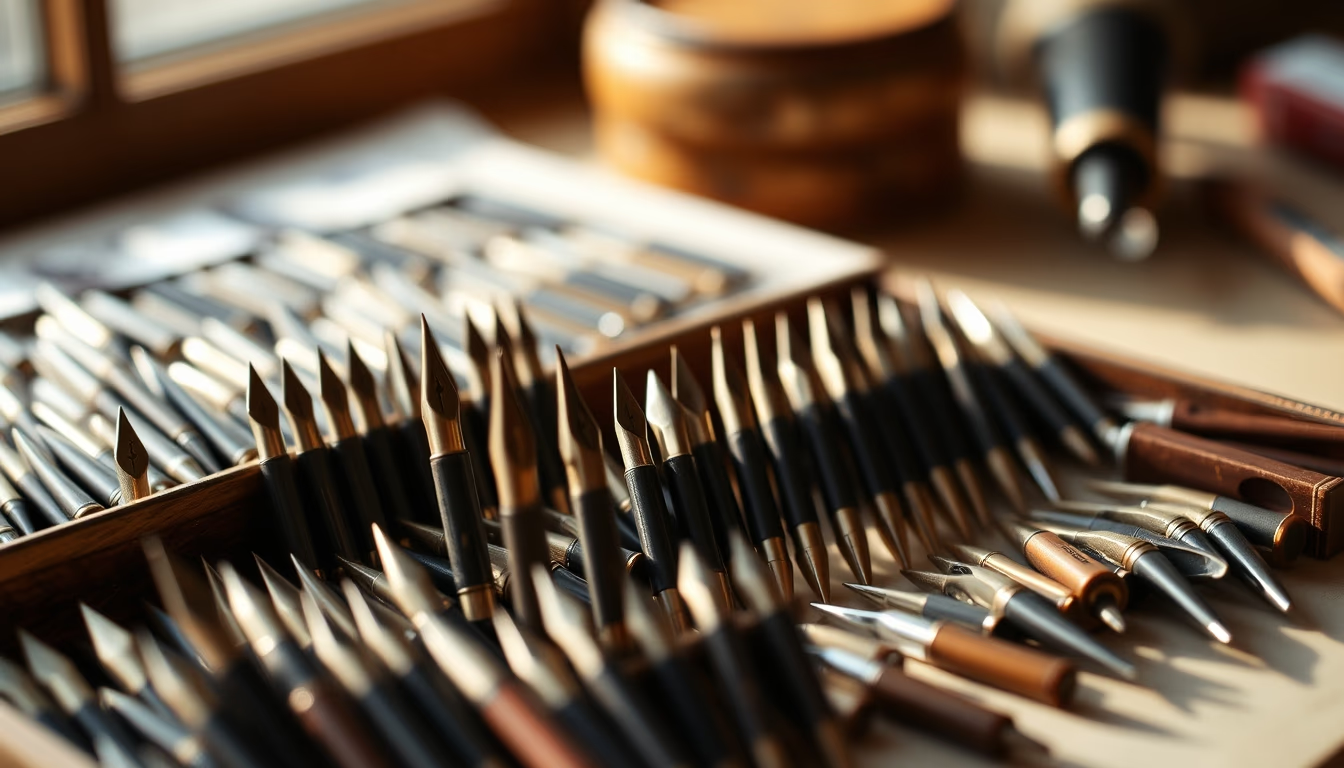
Tibetan calligraphy in gold: a sacred art combining ancient precision with Buddhist symbolism, used in manuscripts and thangkas.
About this subject
Tibetan calligraphy is an art form deeply rooted in Vajrayana Buddhism, originating in the 7th century CE with the introduction of the Tibetan alphabet, derived from the Indian Gupta script. The use of gold in this calligraphy is not merely decorative: in Buddhist tradition, gold symbolizes enlightenment, purity, and the priceless value of the Buddha's teachings. Sacred manuscripts, such as the Prajnaparamita sutras, were often written with gold ink on dark blue paper, creating a striking visual contrast. The preparation of gold ink is artisanal: fine gold powder is mixed with animal glue and water, resulting in a paint that requires extreme care in application, as the precious metal can stain or ruin the work.
There are two main styles of Tibetan calligraphy: uchen (headed), with broad, straight strokes, used in prints and formal texts; and ume (headless), more cursive and fluid, common in correspondence and notes. For gold writing, uchen is preferred for its clarity and dignity. Tibetan calligraphers spend years training hand and eye, using a bamboo or metal stylus as a pen. Gold calligraphy is especially valued in thangkas (religious paintings) and in ritual texts, where each letter is considered an offering to spiritual masters.
Today, Tibetan gold calligraphy faces preservation challenges. With the Tibetan diaspora and modernization, many traditional artists are aging, and knowledge of gold ink preparation techniques is fading. However, initiatives in monastic centers in Nepal, India, and Bhutan, as well as among the Tibetan exile community, seek to revitalize this art. International exhibitions and art books have drawn attention to the beauty and spiritual significance of this practice. Gold in Tibetan calligraphy continues to shine as a link between the earthly and the divine.
Frequently Asked Questions
What is the significance of gold in Tibetan calligraphy?
In Buddhist tradition, gold symbolizes enlightenment, purity, and the priceless value of teachings. Using it in sacred calligraphy is a form of offering and highlights the text's importance.
What are the styles of Tibetan calligraphy?
The two main styles are uchen (broad, straight strokes for formal texts) and ume (cursive for notes). For gold writing, uchen is more common.
How is Tibetan gold calligraphy preserved today?
The art is maintained in monasteries in Nepal, India, Bhutan, and among the Tibetan diaspora. International exhibitions and publications help promote and inspire new practitioners.
Direct URL
https://pub-c7d6a6ea828543ac903a74a341ccb2e1.r2.dev/imagens/tibetan-calligraphy-gold-documentary-nature-style-fresh6.avifHow to credit
Include a visible link back to UtilizAí. Copy one of the snippets below:
<a href="https://xn--utiliza-eza.com/en/midia/imagens/tibetan-calligraphy-gold-documentary-nature-style-fresh6">Tibetan calligraphy gold</a> by <a href="https://xn--utiliza-eza.com">UtilizAí</a>, licensed under <a href="https://creativecommons.org/licenses/by/4.0/">CC BY 4.0</a>.
[Tibetan calligraphy gold](https://xn--utiliza-eza.com/en/midia/imagens/tibetan-calligraphy-gold-documentary-nature-style-fresh6) by [UtilizAí](https://xn--utiliza-eza.com), CC BY 4.0
License: CC-BY-4.0