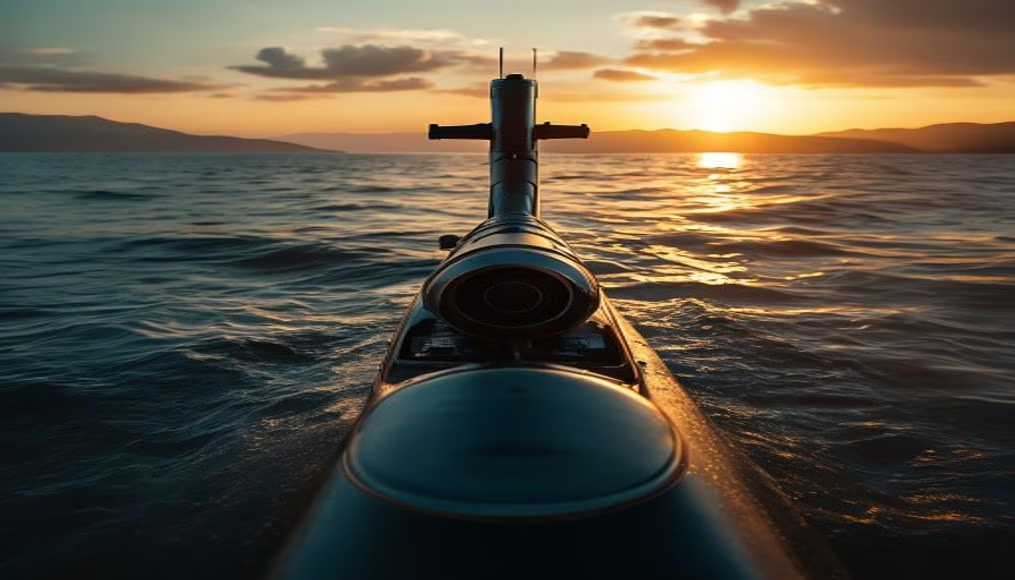
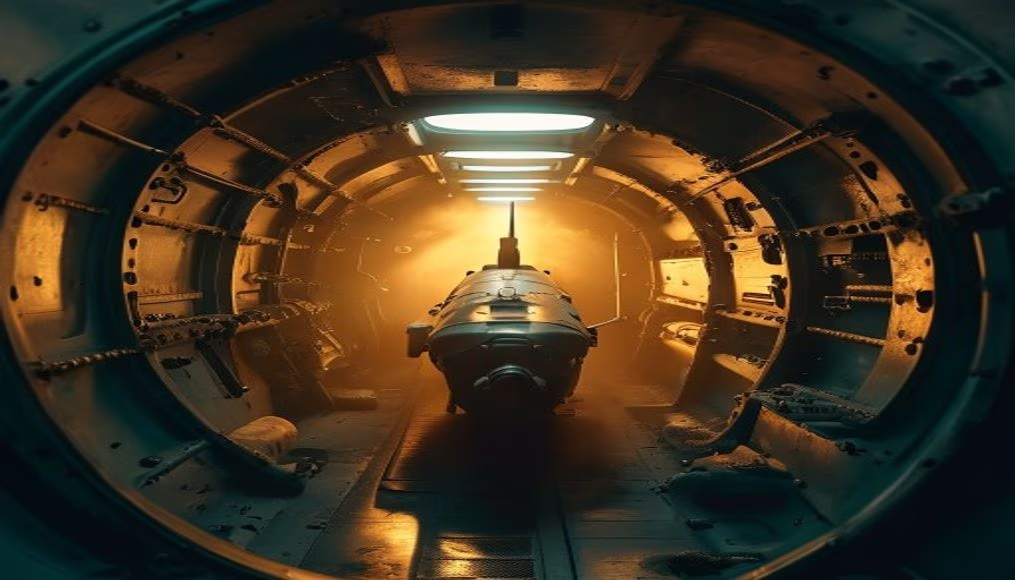
Submarine surfacing ocean
1344×768 · AVIF · CC BY 4.0
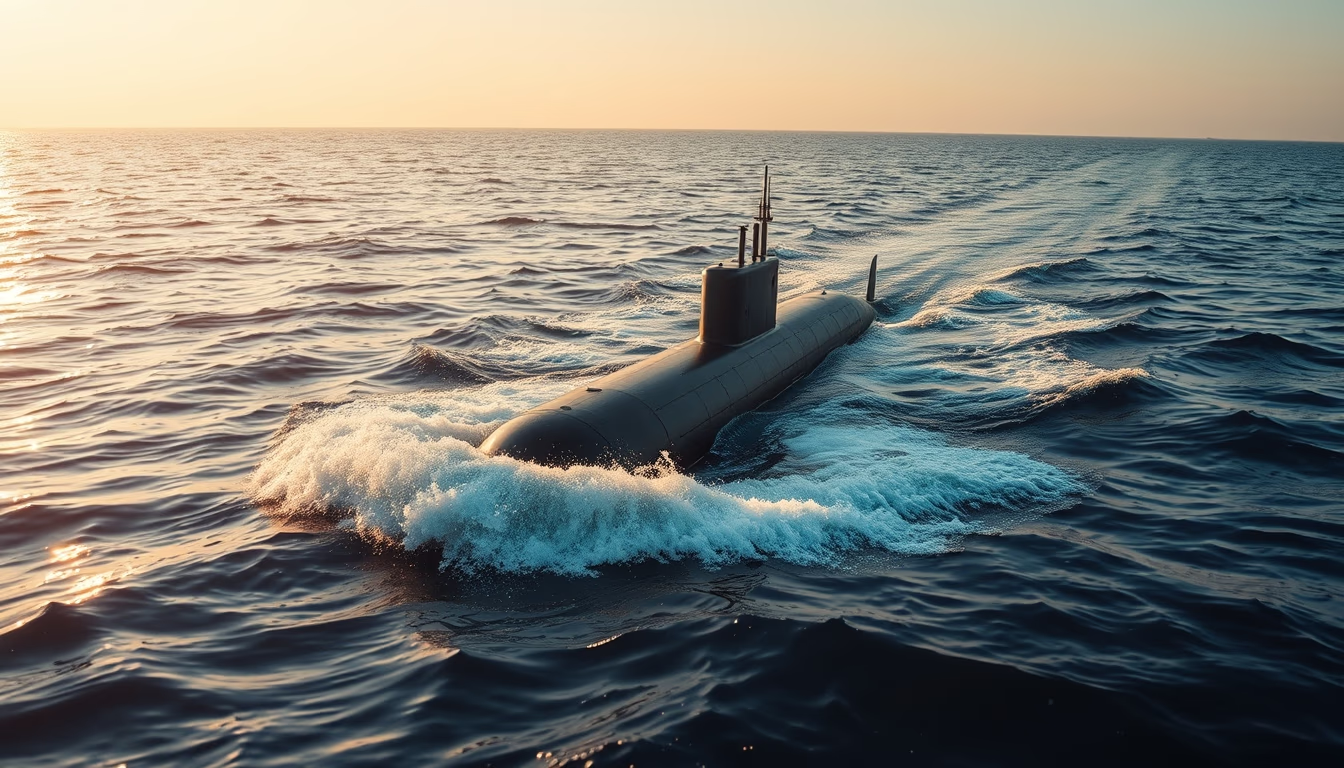
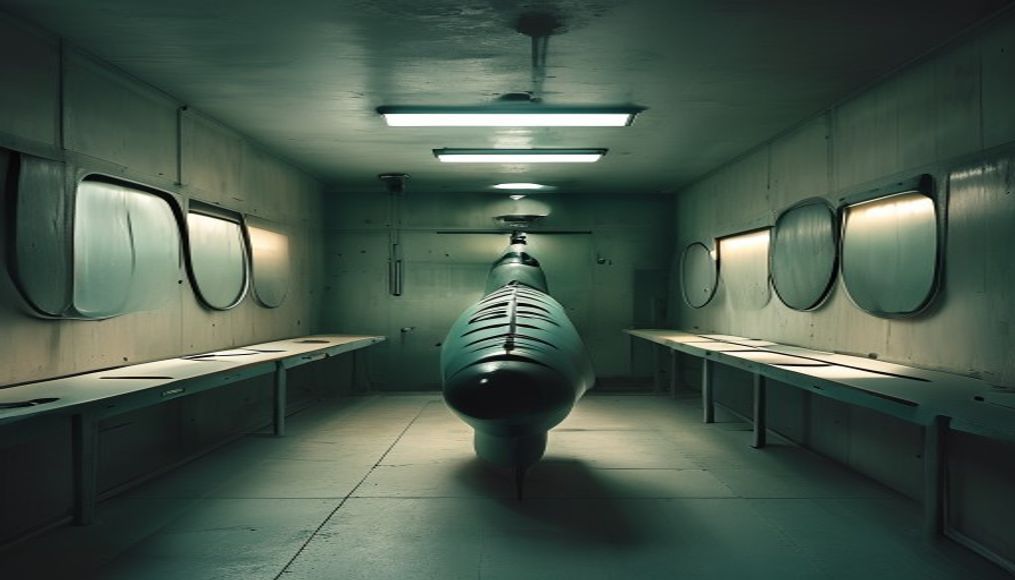
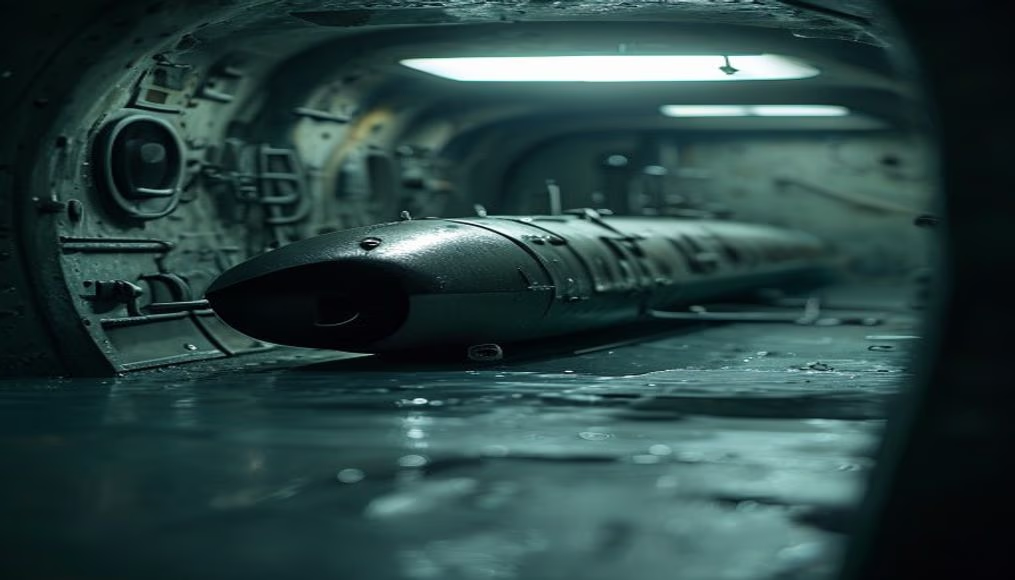
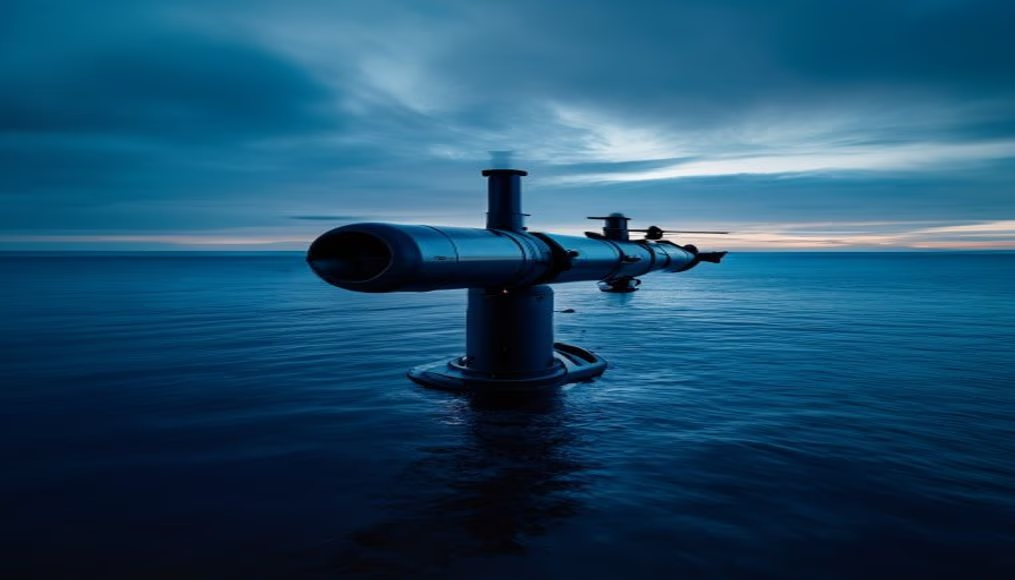
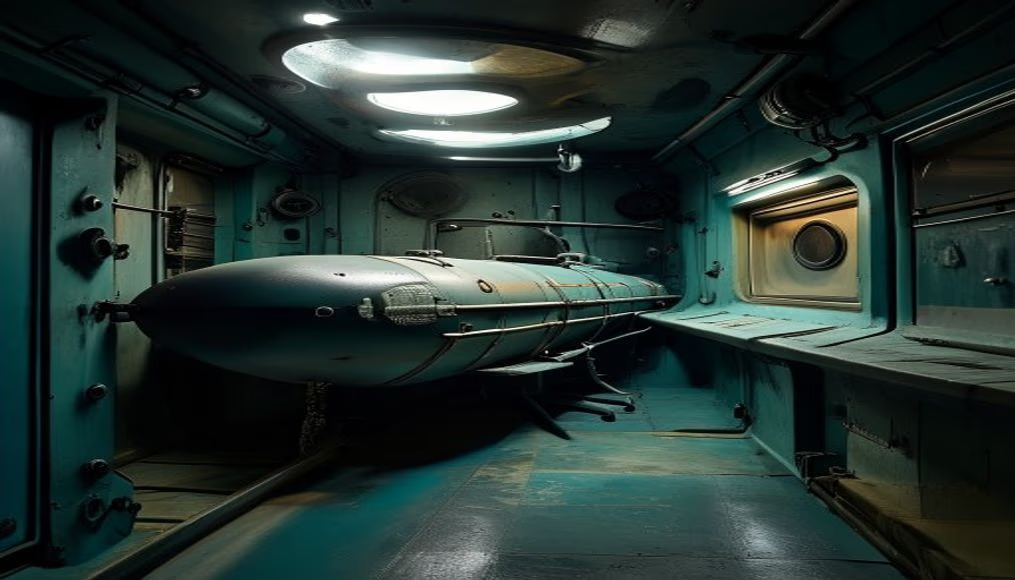
Submarines surface from the ocean in strategic maneuvers, combining advanced naval engineering and military tactics.
About this subject
Submarines are vessels designed to operate submerged, capable of quickly surfacing for communications, resupply, or weapon launch. The surfacing process uses ballast tanks and compressed air to adjust buoyancy. Modern military submarines, such as the Scorpène or Type 214 classes, use diesel-electric or nuclear propulsion, the latter enabling long submerged periods. The Brazilian Navy operates submarines like the Tikuna (Tupi class) and awaits new nuclear-powered submarines (SN-BR) under the Submarine Development Program (Prosub).
Surfacing involves strict safety procedures: depth verification, checking for surface vessels, and releasing ballast. In military operations, a rapid surfacing can be crucial for surprise attack or escape. Nuclear submarines from the US and Russia often surface during exercises in the Atlantic and Pacific.
Interestingly, civilian research and tourism submersibles, like the Russian Mir or American Alvin, also surface, focusing on oceanographic exploration. The Titanic was visited by submersibles like Alvin.
In Brazilian waters, German submarines from World War II patrolled, and wrecks like the U-513 are historic dive sites. Today, national submarines patrol the Blue Amazon.
Frequently Asked Questions
How does a submarine surface?
The submarine uses ballast tanks filled with water to submerge and compressed air to emerge. By expelling the water, the vessel becomes lighter than the surrounding water and rises to the surface.
What is the maximum depth a military submarine can reach?
It depends on the class. Modern nuclear submarines can operate at over 300 meters, while conventional submarines have limits between 200 and 300 meters. The record is held by the Russian K-278 Komsomolets, which reached 1,020 meters.
Do Brazilian submarines have nuclear capability?
Currently, Brazil operates only conventional (diesel-electric) submarines. The first Brazilian nuclear-powered submarine, the SN-BR, is under construction and expected to be launched in the 2030s.
Direct URL
https://pub-c7d6a6ea828543ac903a74a341ccb2e1.r2.dev/imagens/submarine-surfacing-ocean-travel-photography-p3.avifHow to credit
Include a visible link back to UtilizAí. Copy one of the snippets below:
<a href="https://xn--utiliza-eza.com/en/midia/imagens/submarine-surfacing-ocean-travel-photography-p3">Submarine surfacing ocean</a> by <a href="https://xn--utiliza-eza.com">UtilizAí</a>, licensed under <a href="https://creativecommons.org/licenses/by/4.0/">CC BY 4.0</a>.
[Submarine surfacing ocean](https://xn--utiliza-eza.com/en/midia/imagens/submarine-surfacing-ocean-travel-photography-p3) by [UtilizAí](https://xn--utiliza-eza.com), CC BY 4.0
License: CC-BY-4.0