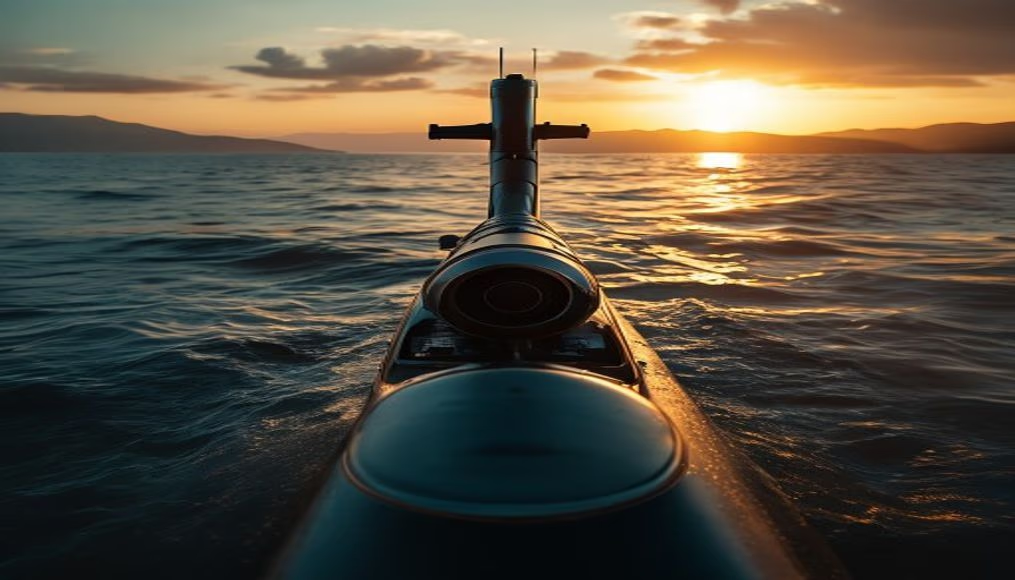
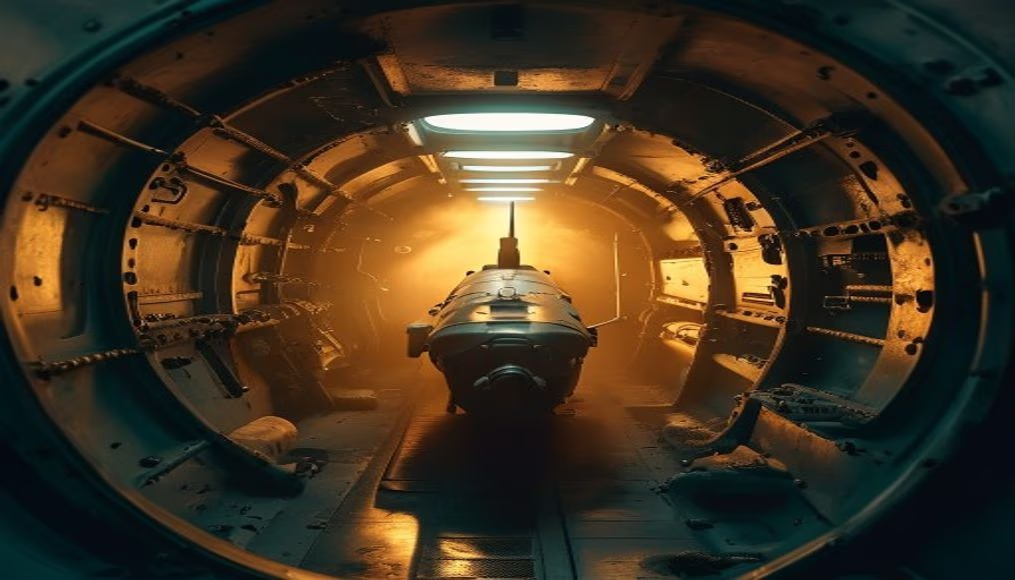
Submarine surfacing ocean
1344×768 · AVIF · CC BY 4.0
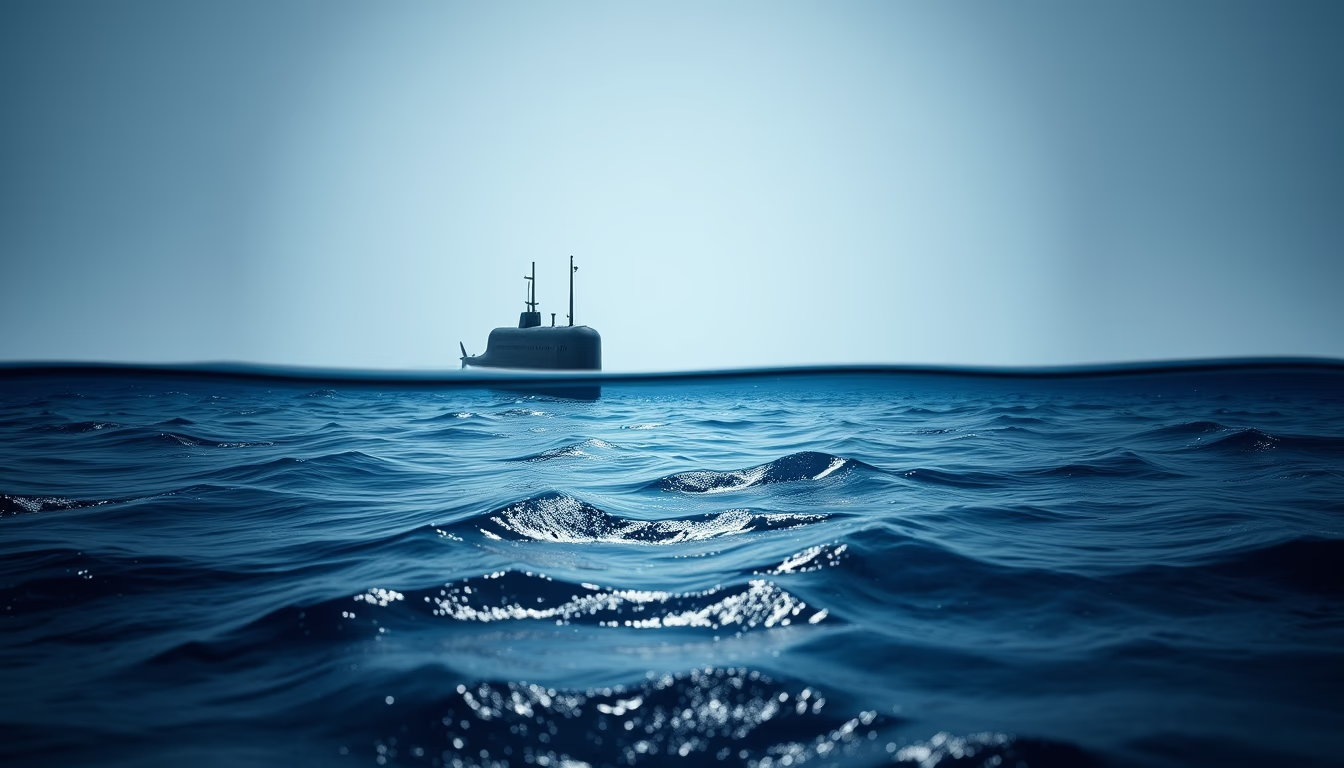
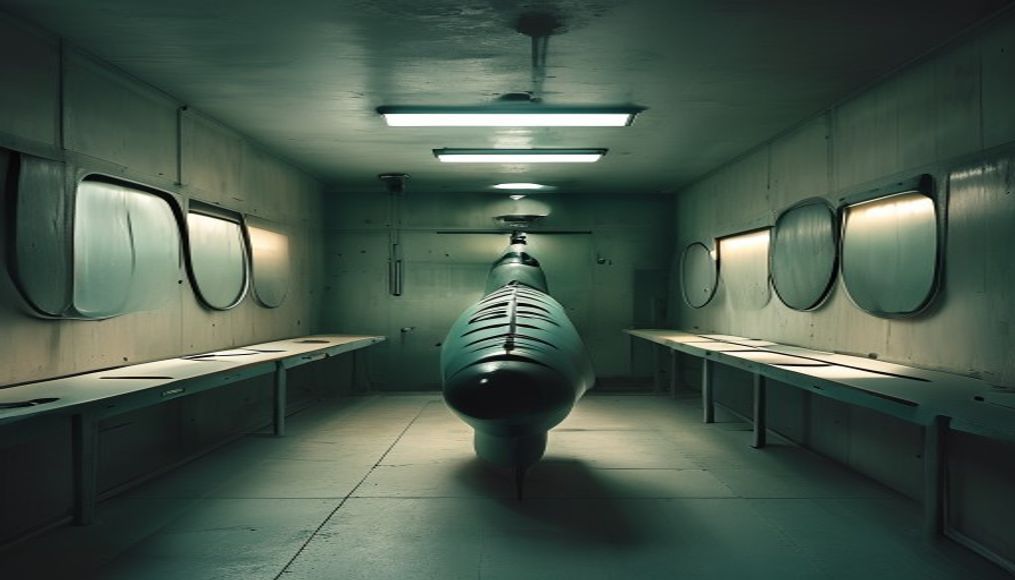
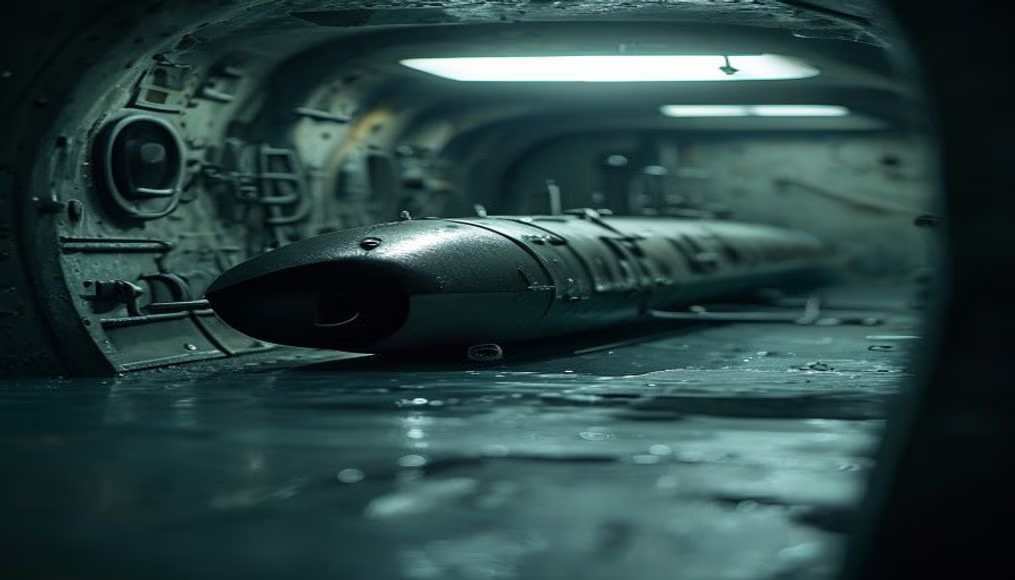
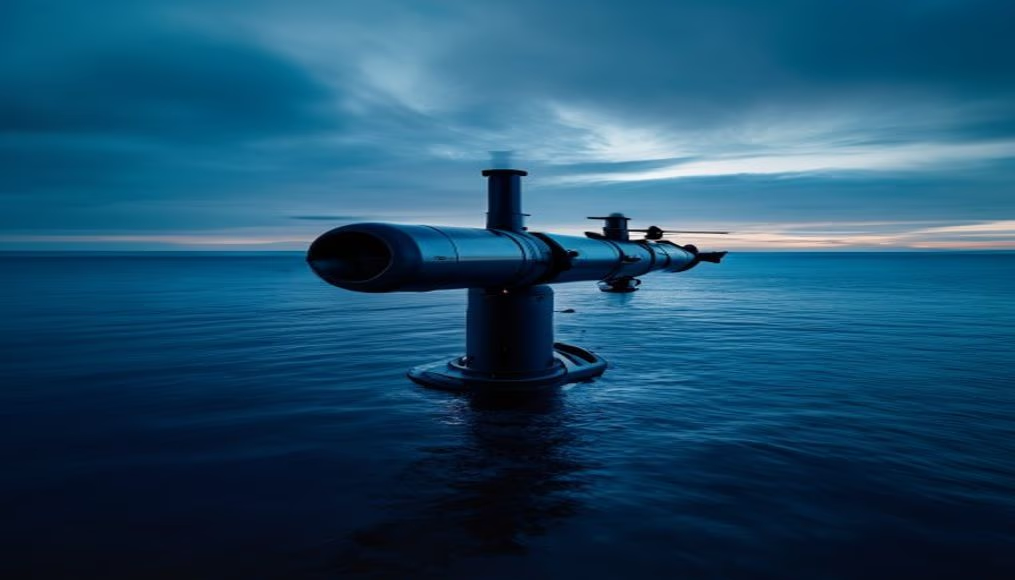
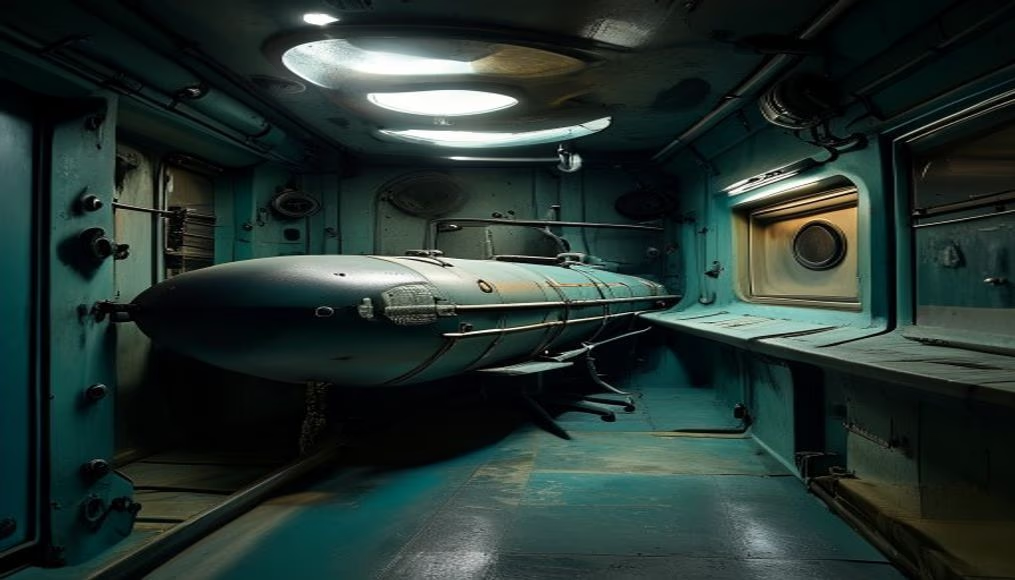
A submarine surfaces from the ocean in a controlled maneuver, revealing the cutting-edge naval engineering behind these silent vessels.
About this subject
Submarines are vessels designed to operate submerged, capable of surfacing through ballast systems. The ascent process, known as surfacing, involves adjusting ballast tanks and depth rudders, allowing the craft to break the waterline safely and controllably. These military and research vehicles play crucial roles in national defense, ocean exploration, and scientific data collection.
The history of submarines dates back to the 17th century, with the first recorded manned submersible, the Turtle, used during the American Revolutionary War. Since then, technology has evolved dramatically: modern nuclear submarines can remain submerged for months, thanks to reactors that do not require oxygen. Countries like the United States, Russia, China, and Brazil operate advanced submarine fleets, with Brazil running Tupi and Tikuna class submarines and developing the SN-BR nuclear submarine program.
Interesting facts include that submarines use sonar for navigation and detection, emitting sound waves that reflect off submerged objects. Surfacing can be done in emergency or planned modes, and the exposed surface often features the sail, a structure housing periscopes and sensors. Research submarines like Alvin have explored the ocean floor, contributing to discoveries of hydrothermal vents and extreme life. Hydrodynamic design and pressure-resistant materials are fundamental to withstand depths of hundreds of meters.
Frequently Asked Questions
How does a submarine manage to surface?
The submarine uses ballast tanks filled with compressed air to expel water, reducing density and causing ascent. Depth rudders also assist in the climb angle.
What is the maximum depth a submarine can reach?
It depends on type and class. Conventional military submarines typically reach 300 to 500 meters, while research submarines can exceed 6,000 meters (e.g., DSV Limiting Factor).
Is there a difference between nuclear and conventional submarines?
Yes. Nuclear submarines use atomic reactors for propulsion and power, allowing long submerged endurance (months). Conventional ones use batteries and diesel engines, requiring surfacing or snorkeling to recharge.
Direct URL
https://pub-c7d6a6ea828543ac903a74a341ccb2e1.r2.dev/imagens/submarine-surfacing-ocean-studio-still-life-p9.avifHow to credit
Include a visible link back to UtilizAí. Copy one of the snippets below:
<a href="https://xn--utiliza-eza.com/en/midia/imagens/submarine-surfacing-ocean-studio-still-life-p9">Submarine surfacing ocean</a> by <a href="https://xn--utiliza-eza.com">UtilizAí</a>, licensed under <a href="https://creativecommons.org/licenses/by/4.0/">CC BY 4.0</a>.
[Submarine surfacing ocean](https://xn--utiliza-eza.com/en/midia/imagens/submarine-surfacing-ocean-studio-still-life-p9) by [UtilizAí](https://xn--utiliza-eza.com), CC BY 4.0
License: CC-BY-4.0