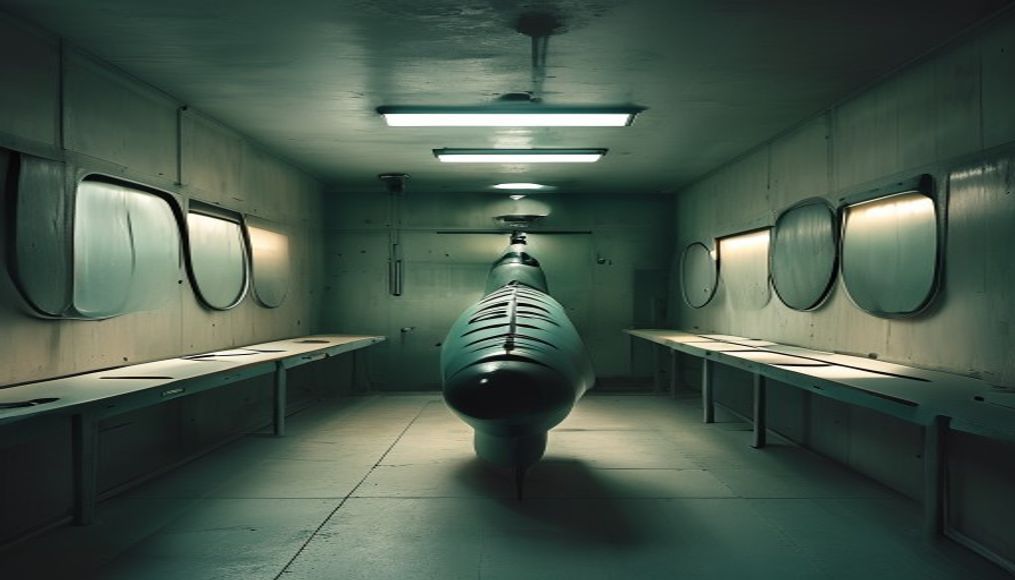
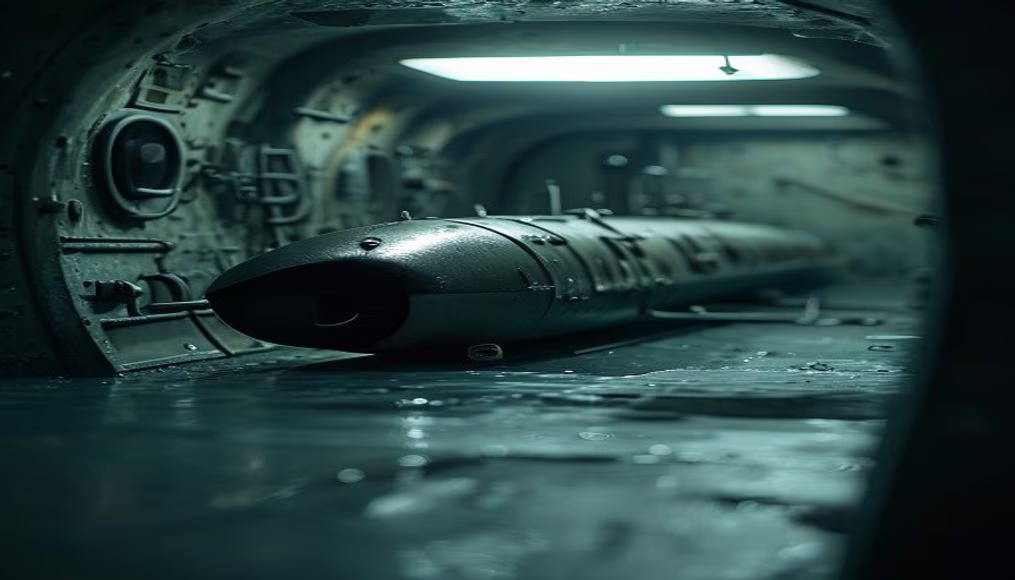
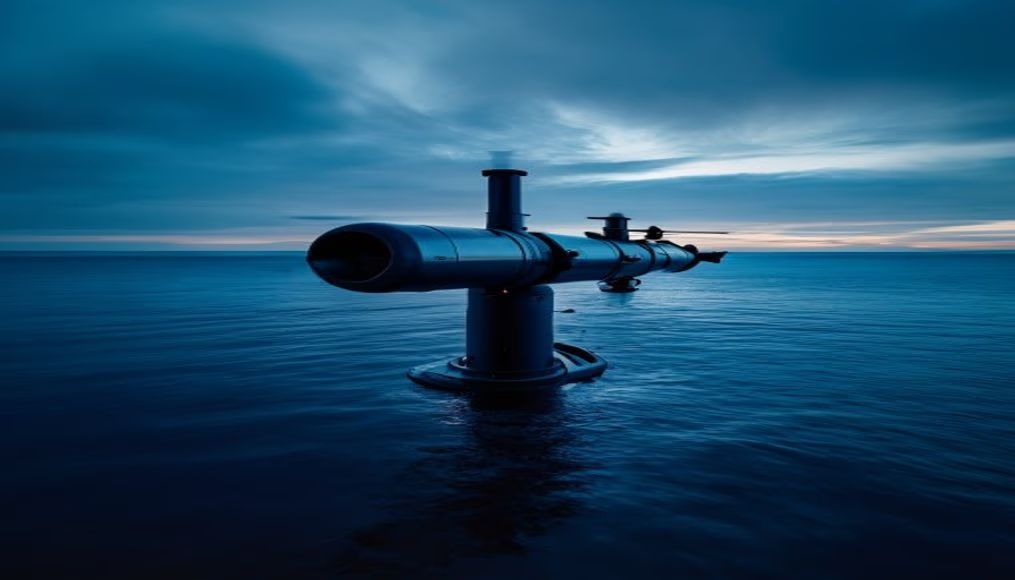
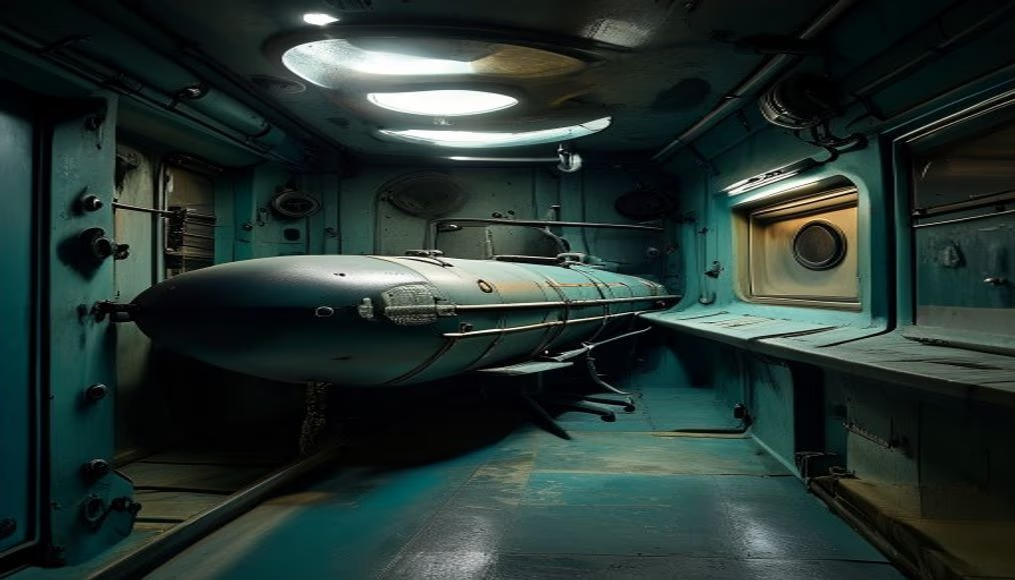
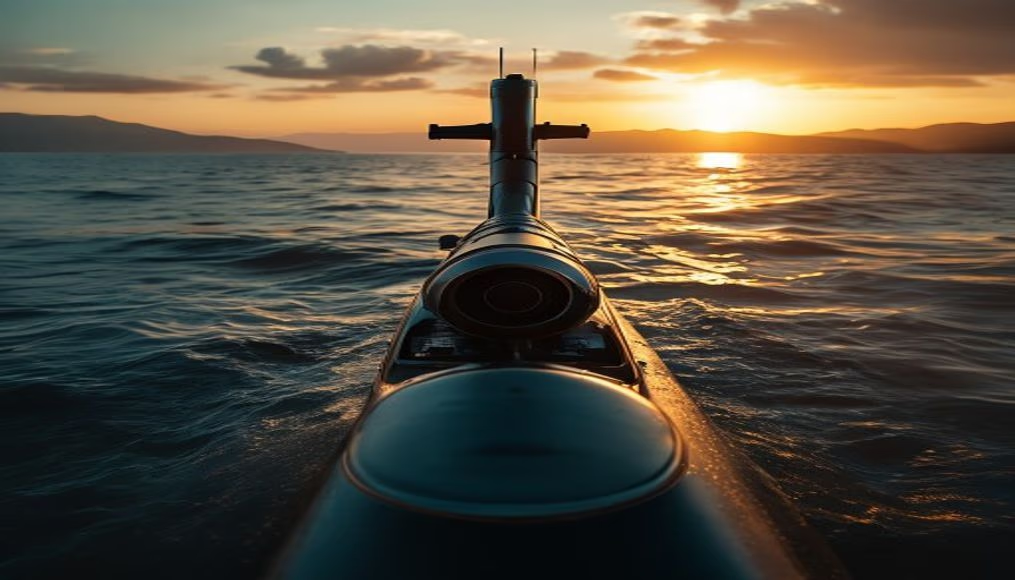
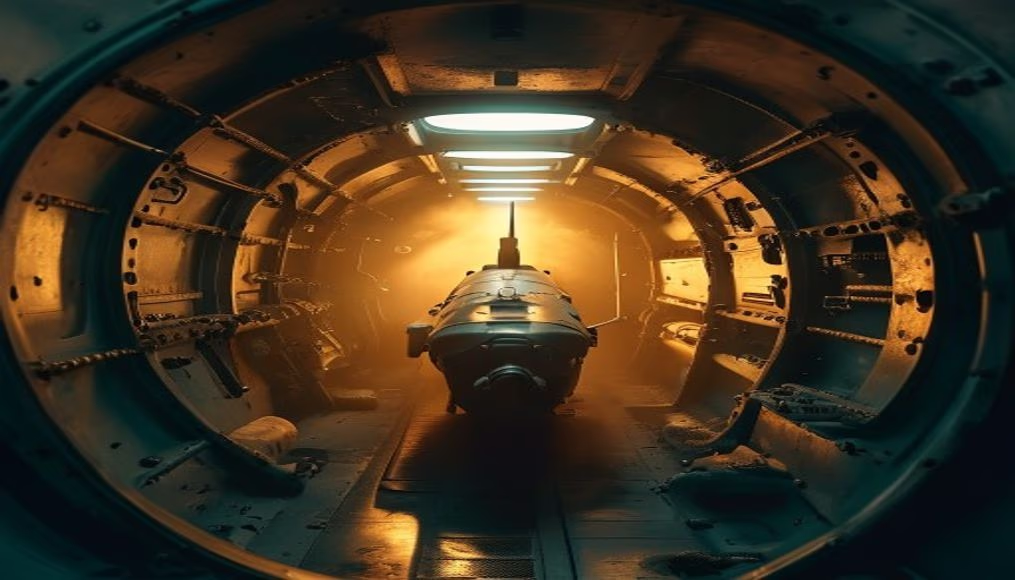
Submarine surfacing ocean
1344×768 · AVIF · CC BY 4.0
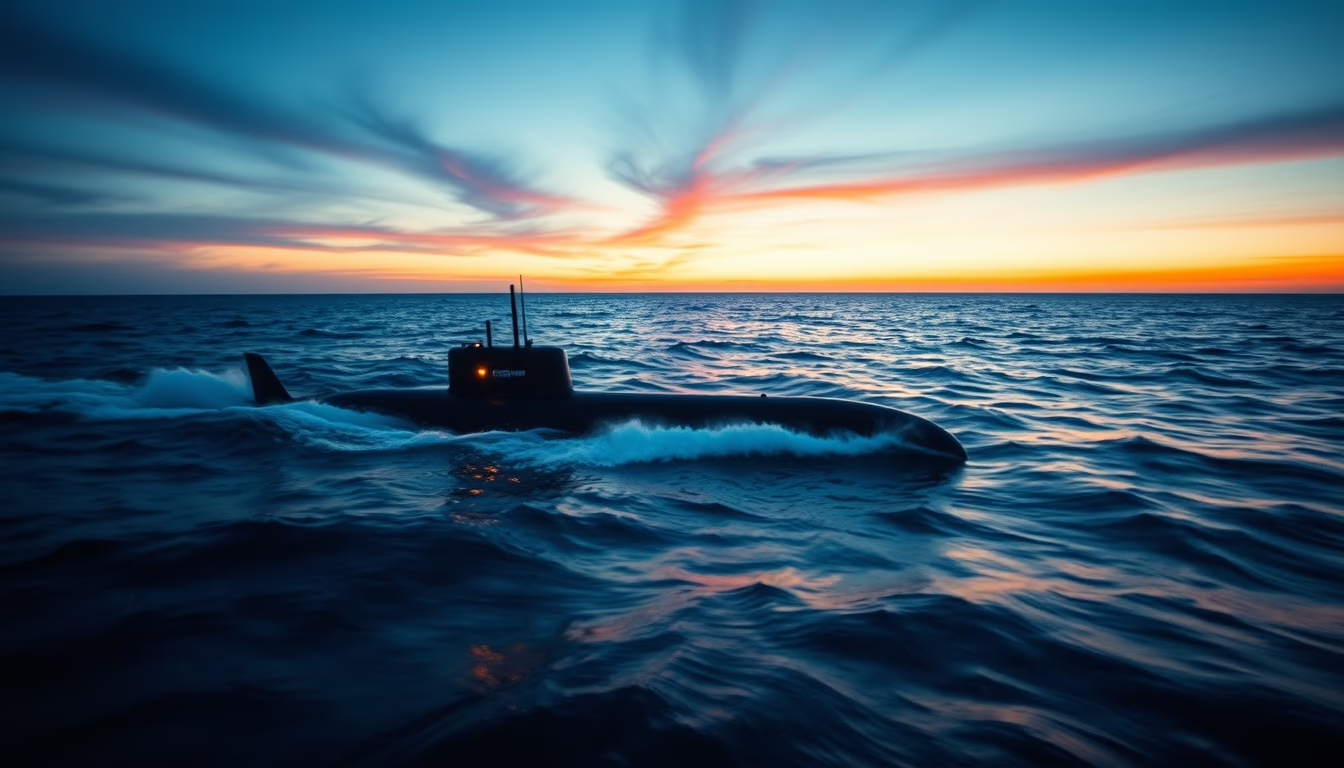
A submarine surfaces from the ocean depths in a controlled maneuver, showcasing naval engineering that enables submerged navigation and stealth operations in global waters.
About this subject
Submarines are vessels designed to operate below the surface, using ballast systems to control buoyancy. Since the early 20th century, these vehicles have become crucial for naval warfare and oceanographic research. The surfacing maneuver is accomplished by filling ballast tanks with compressed air, expelling water and reducing the submarine's density. This process requires precise coordination and safety protocols to avoid mishaps.
Historically, the first successful military submarine was the USS Holland, launched in 1900 by the United States Navy. During World Wars I and II, German U-boats caused significant damage, sinking thousands of Allied ships. In the Cold War, Soviet and American nuclear submarines patrolled the oceans with ballistic missiles, solidifying nuclear deterrence. Today, nuclear-powered submarines can remain submerged for months, thanks to reactors that do not require air.
Submarines hold strategic importance beyond combat. They conduct intelligence, surveillance, and reconnaissance missions, and protect exclusive economic zones. Research submarines like Alvin and Shinkai 6500 explore ocean trenches, gathering data on deep-sea ecosystems. The depth record for a manned submarine belongs to the Bathyscaphe Trieste, which in 1960 descended to the Mariana Trench at over 10,900 meters. Submarine technology continues to evolve, with increasingly quiet and autonomous designs.
Frequently Asked Questions
How does a submarine submerge and surface?
It uses ballast tanks that fill with water to increase density and submerge. To surface, these tanks are emptied with compressed air, reducing density and causing the submarine to rise.
What is the maximum depth a submarine can reach?
Military submarines typically operate at 300 to 500 meters. Research submersibles, such as Trieste, can exceed 10,000 meters in ocean trenches.
Why are submarines important for national defense?
They enable stealthy surveillance, power projection, and nuclear deterrence, making them vital for maritime security and protecting strategic interests.
Direct URL
https://pub-c7d6a6ea828543ac903a74a341ccb2e1.r2.dev/imagens/submarine-surfacing-ocean-long-exposure-p10.avifHow to credit
Include a visible link back to UtilizAí. Copy one of the snippets below:
<a href="https://xn--utiliza-eza.com/en/midia/imagens/submarine-surfacing-ocean-long-exposure-p10">Submarine surfacing ocean</a> by <a href="https://xn--utiliza-eza.com">UtilizAí</a>, licensed under <a href="https://creativecommons.org/licenses/by/4.0/">CC BY 4.0</a>.
[Submarine surfacing ocean](https://xn--utiliza-eza.com/en/midia/imagens/submarine-surfacing-ocean-long-exposure-p10) by [UtilizAí](https://xn--utiliza-eza.com), CC BY 4.0
License: CC-BY-4.0